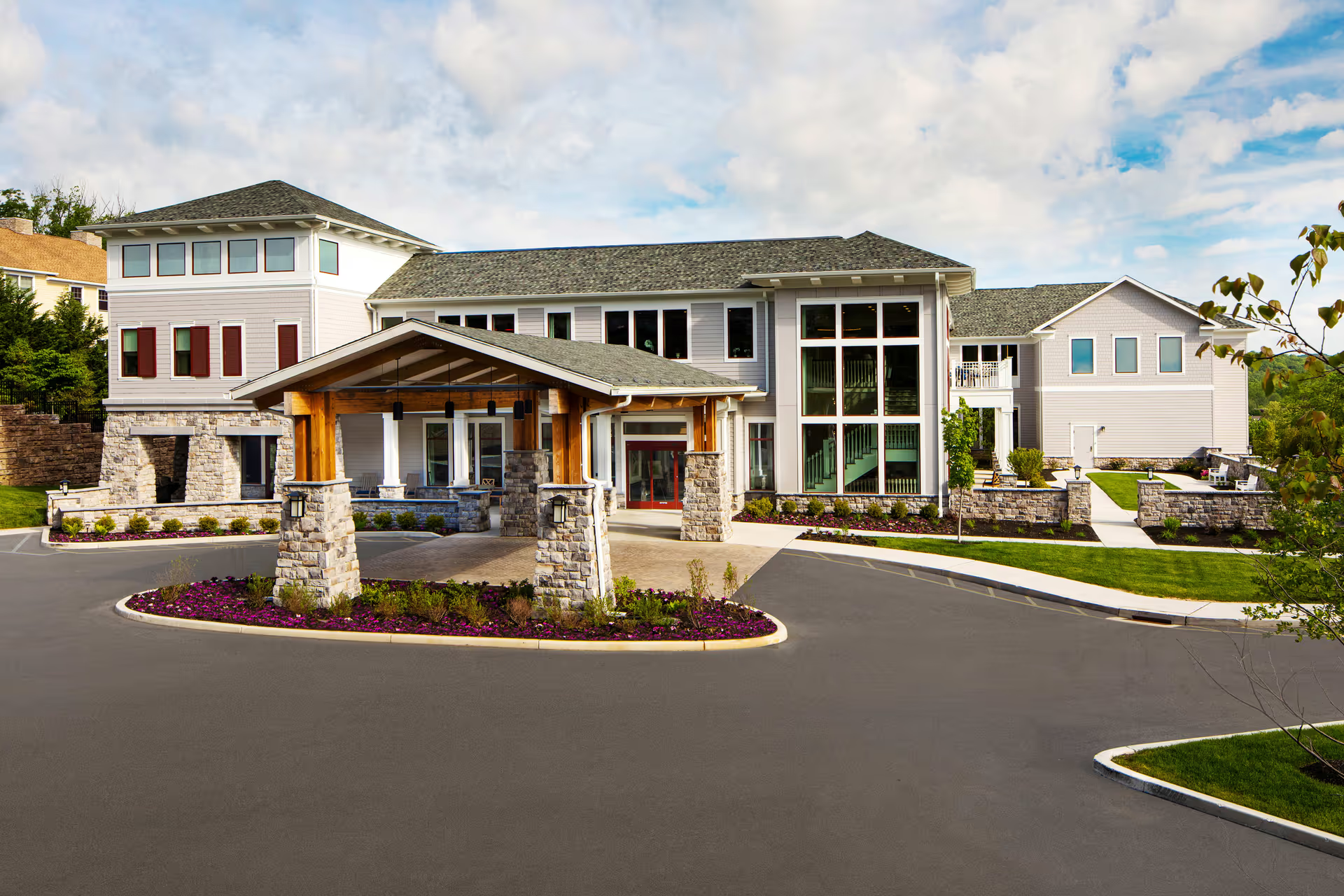
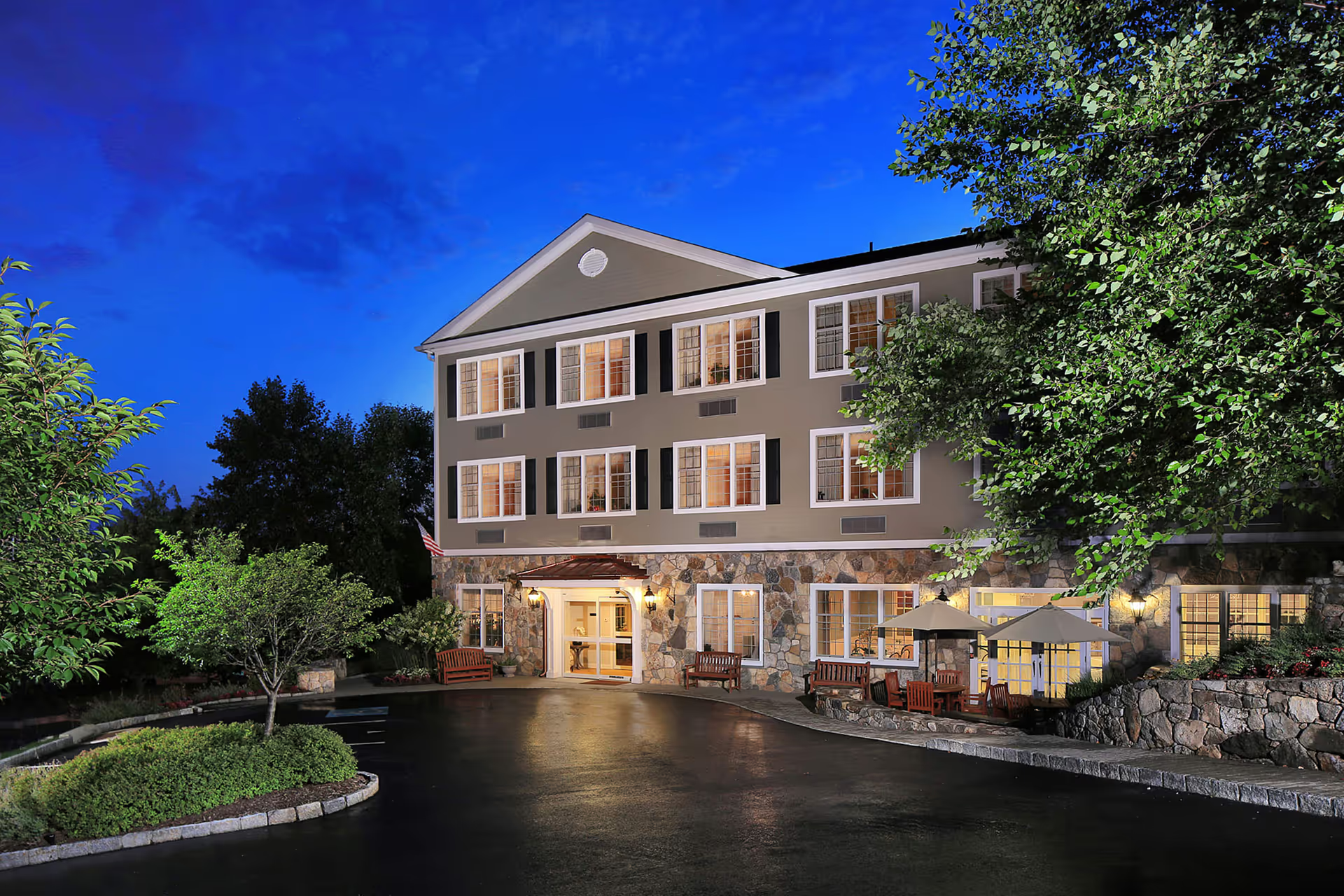
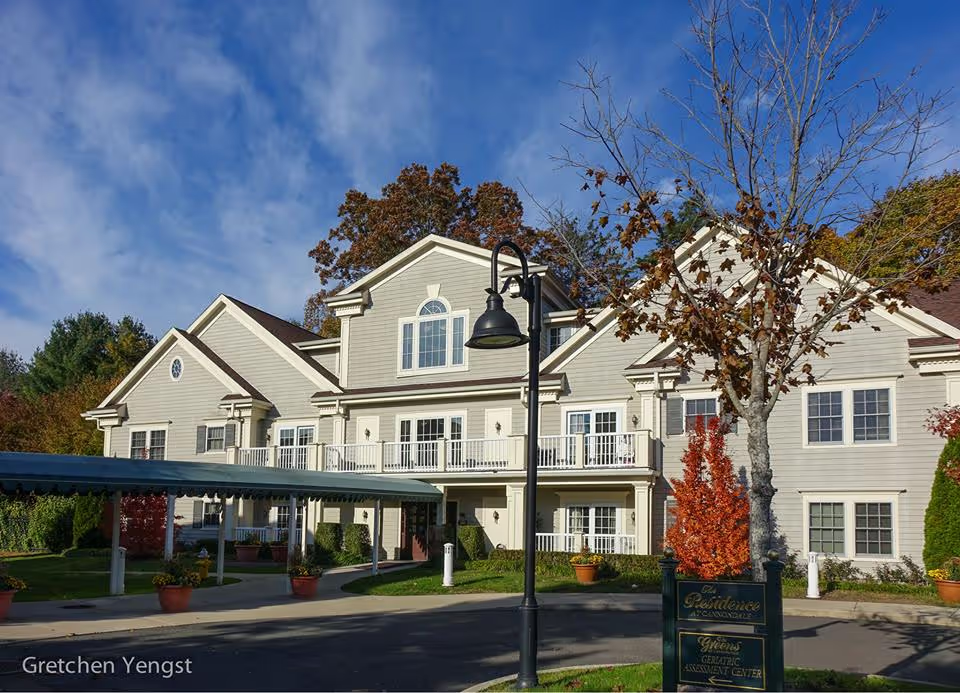
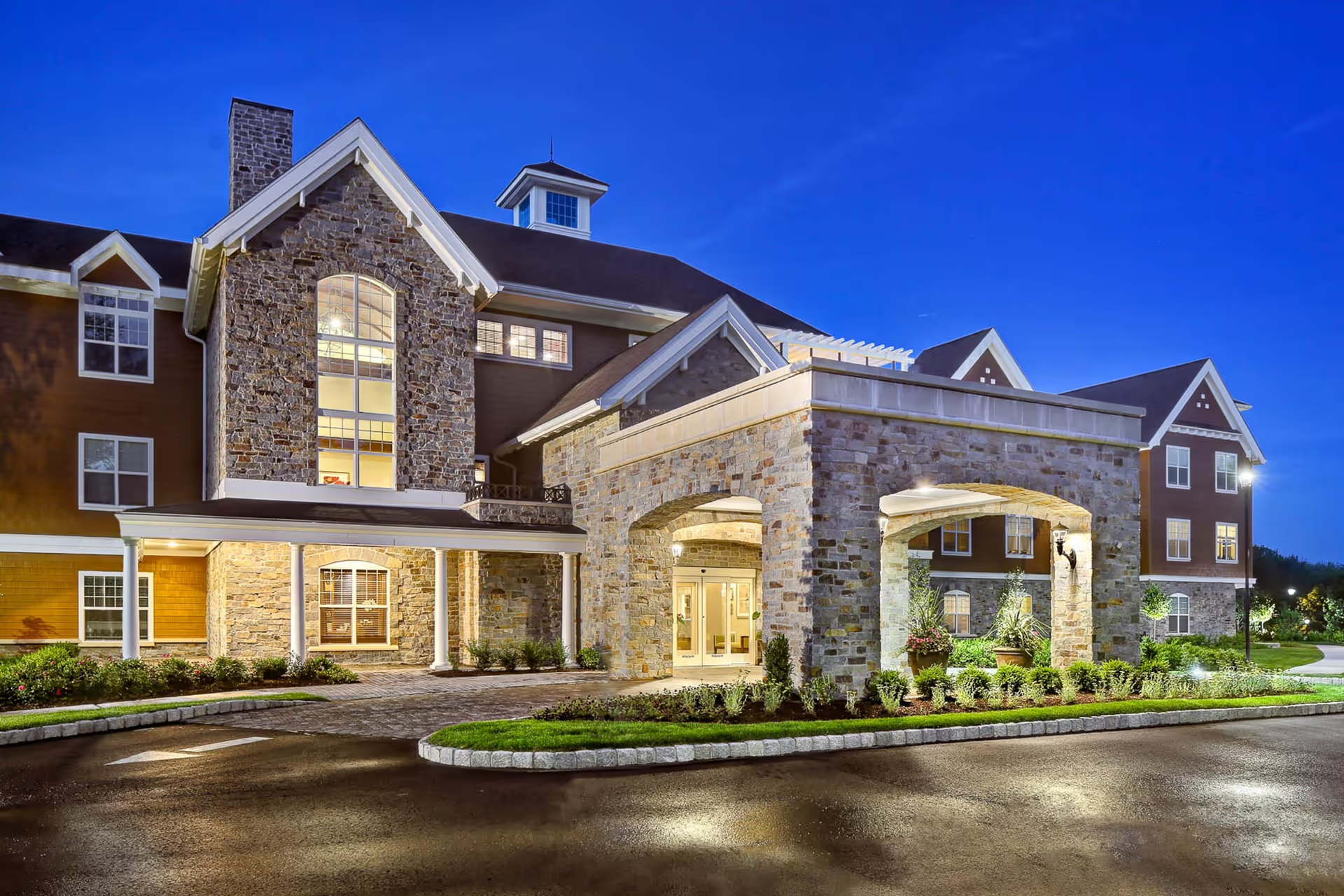
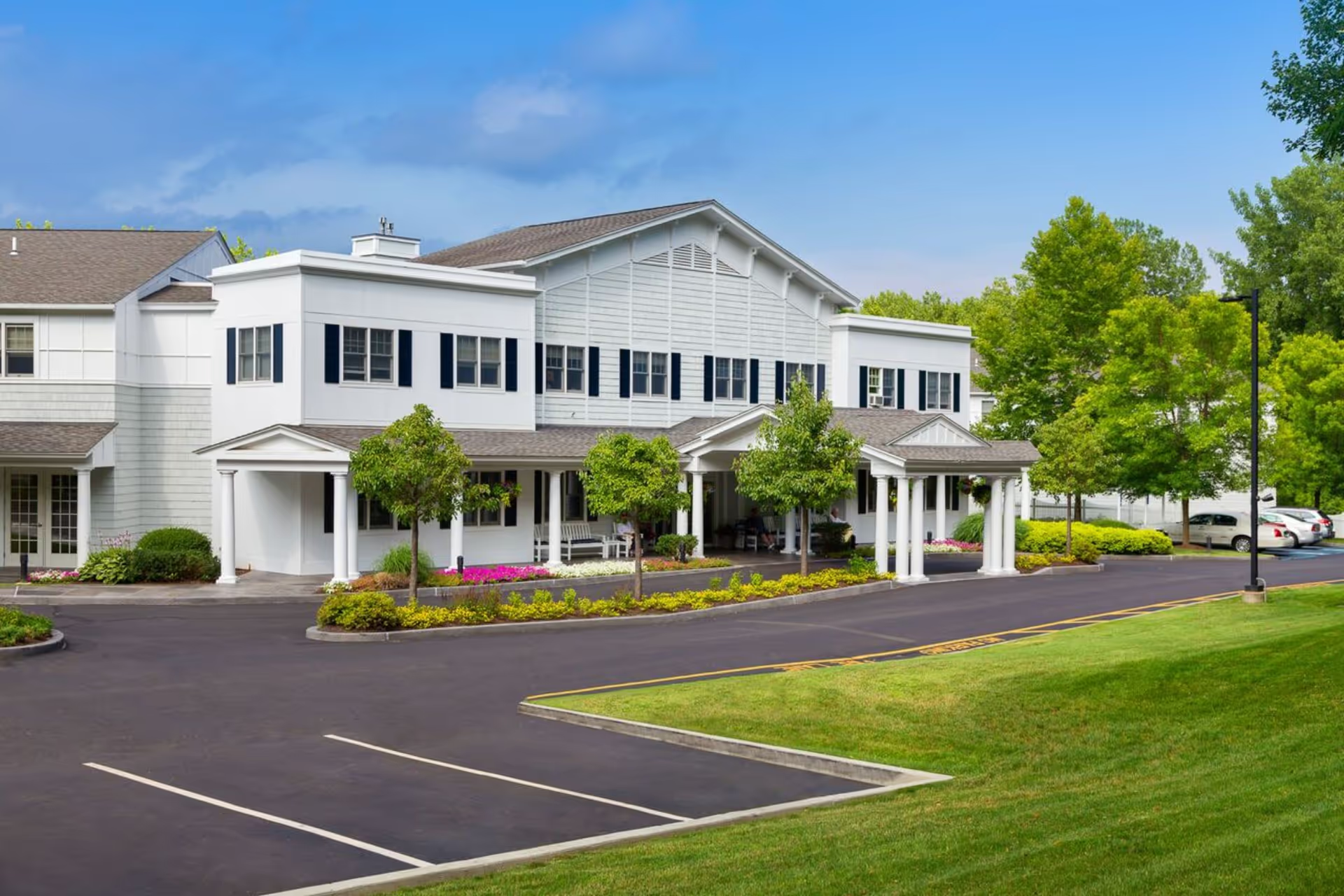
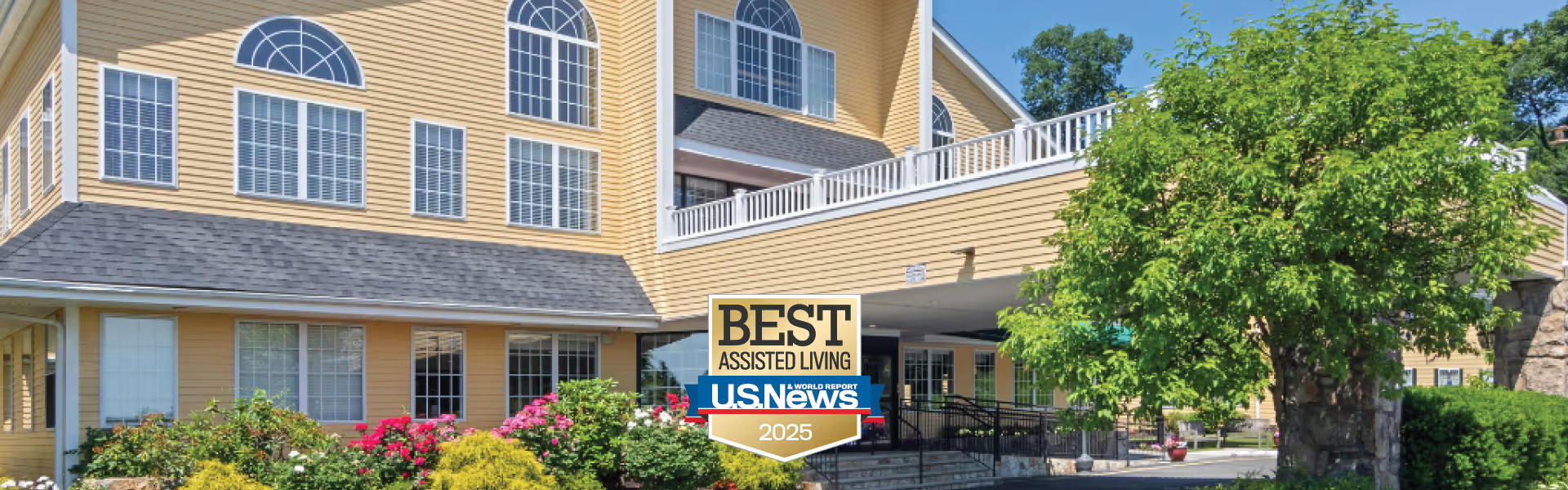
Benchmark at Ridgefield Crossings receives frequent praise for its warm caregiving culture, active memory-care unit, and well-maintained physical environment. Reviewers commonly describe staff who are attentive, personable, and familiar with residents by name; several point to strong directors and an admissions team that eases transitions. The community is described as clean, attractive, and light-filled, with manicured grounds, salon and library amenities, pet-friendly outdoor space, and apartments that families find comfortable and home-like. Rehabilitation and physical-therapy services are noted positively by multiple families.
The activities program is a consistent strength. Residents benefit from a wide variety of on-site and off-site programming — including music, crafts, exercise classes, trivia, outings to restaurants and scenic rides, and special events — and many families report renewed social engagement for their loved ones. Family communication mechanisms (apps, photo updates, and proactive updates from staff) are highlighted as facilitating involvement and peace of mind. Dining is often described as restaurant-style with appealing presentations and friendly dining staff; some reviewers especially appreciated visual dining choices and themed dining experiences.
Several operational concerns recur across the summaries and warrant attention. Cost and billing are a prominent theme: many reviews describe the community as expensive, with examples of price increases and lease/billing terms that families found opaque (including practices around billing during hospitalization and notice requirements). Staffing patterns are uneven in reviewers’ experiences: while many praise individual caregivers and leadership, others describe periodic understaffing that reduces daytime presence, limits social interaction for some residents, and can lengthen response times. Related to staffing, reviewers raised issues about clinical communication, medication handling, and follow-through on nursing tasks; these concerns range from inconsistent medication-administration practices to instances where emergency-response coordination and family notification were perceived as inadequate.
Food and dining coordination show variability. Although many residents and families speak highly of meal quality and menu presentation, there are recurring comments about limited variety, occasional coordination problems between kitchen and dining staff, and differing satisfaction depending on individual tastes. Housekeeping and personal-item management are generally seen as strong, but isolated accounts describe laundry mistakes or lost items, suggesting occasional lapses in property controls. Finally, management responsiveness is mixed: several families commend directors and maintenance for individualized attention and proactive problem solving, while others report frustration with follow-through, communication gaps, and the effects of staff turnover on continuity of care.
Overall, Ridgefield Crossings presents as a well-appointed community with a strong activity program, engaged memory-care services, and many staff members who provide compassionate, resident-centered care. Prospective residents and families should weigh the community’s operational strengths against its cost structure and the potential for variability in clinical and staffing continuity. A focused tour that reviews staffing ratios, medication-management protocols, billing and lease terms, and sample dining and activity schedules will help determine fit for a particular resident’s clinical needs and family expectations.