Overview: The Watermark at East Hill presents a blend of hospitality‑style amenities and smaller‑scale, household memory‑care models. Reviewers consistently praise the property's appearance, culinary offerings when the chef is engaged, and a culture of warm, person‑centered caregiving. Independently managed apartments and the larger community program offer many recreation options and restaurant‑style dining, while the dementia‑only households emphasize a family‑style, home‑like layout and highly individualized attention.
Care and staff: Clinical strengths include on‑site nursing coverage and a number of caregivers described as patient, attentive, and well trained. Memory‑care households benefit from high staff‑to‑resident ratios and caregivers (Nayas) focused on one‑to‑one engagement. At the same time, reviews indicate inconsistent staff responsiveness at times, occasional gaps in coverage, and variability in frontline presence. Families noted strong emergency response and frequent individualized updates in many cases, but also described situations where communication and clinical coordination—especially across care divisions—fell short.
Dining and programming: The community offers multiple dining venues and a chef‑driven approach that many families and residents enjoy; several accounts describe well‑seasoned, attractive meals and a robust dining program. Conversely, other reviewers experienced menu repetition and uneven meal quality. Activity offerings are broad—trips, concerts, fitness classes, and specialized entertainment—particularly in the independent living areas. Memory‑care households tend to emphasize individualized activities and family‑style interactions; however, some of those smaller units report limited group programming and low participation levels, which can affect social engagement for certain residents.
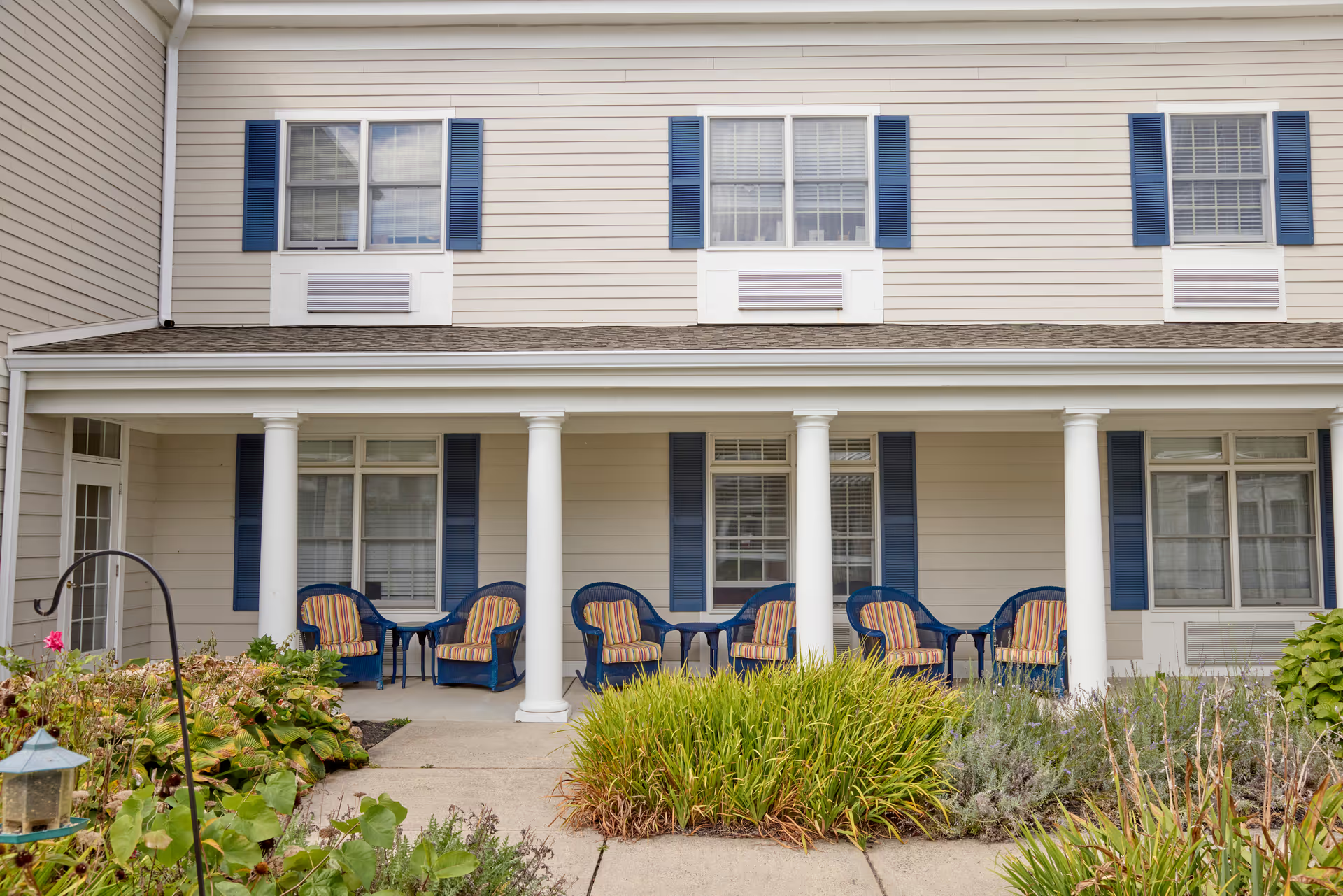
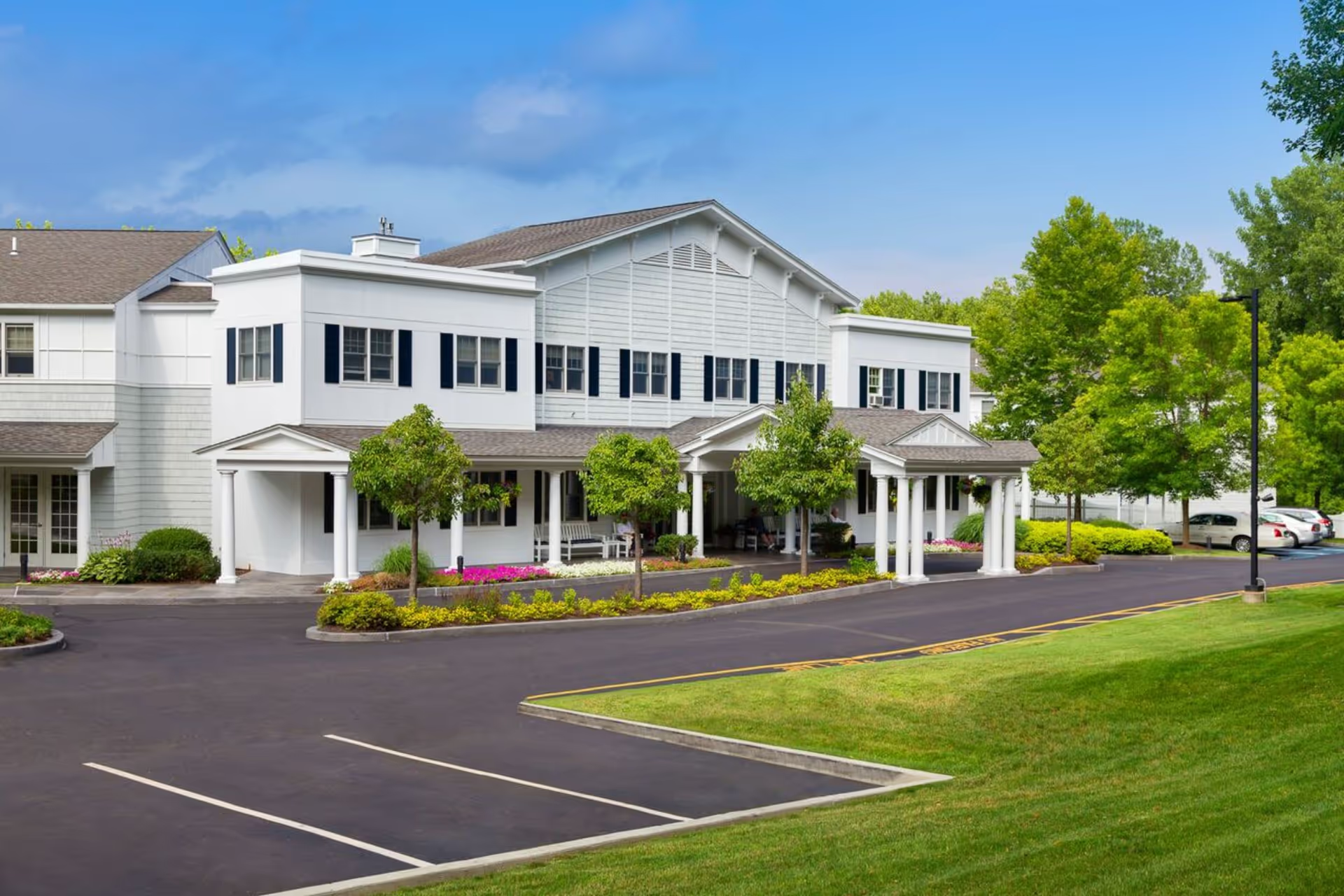
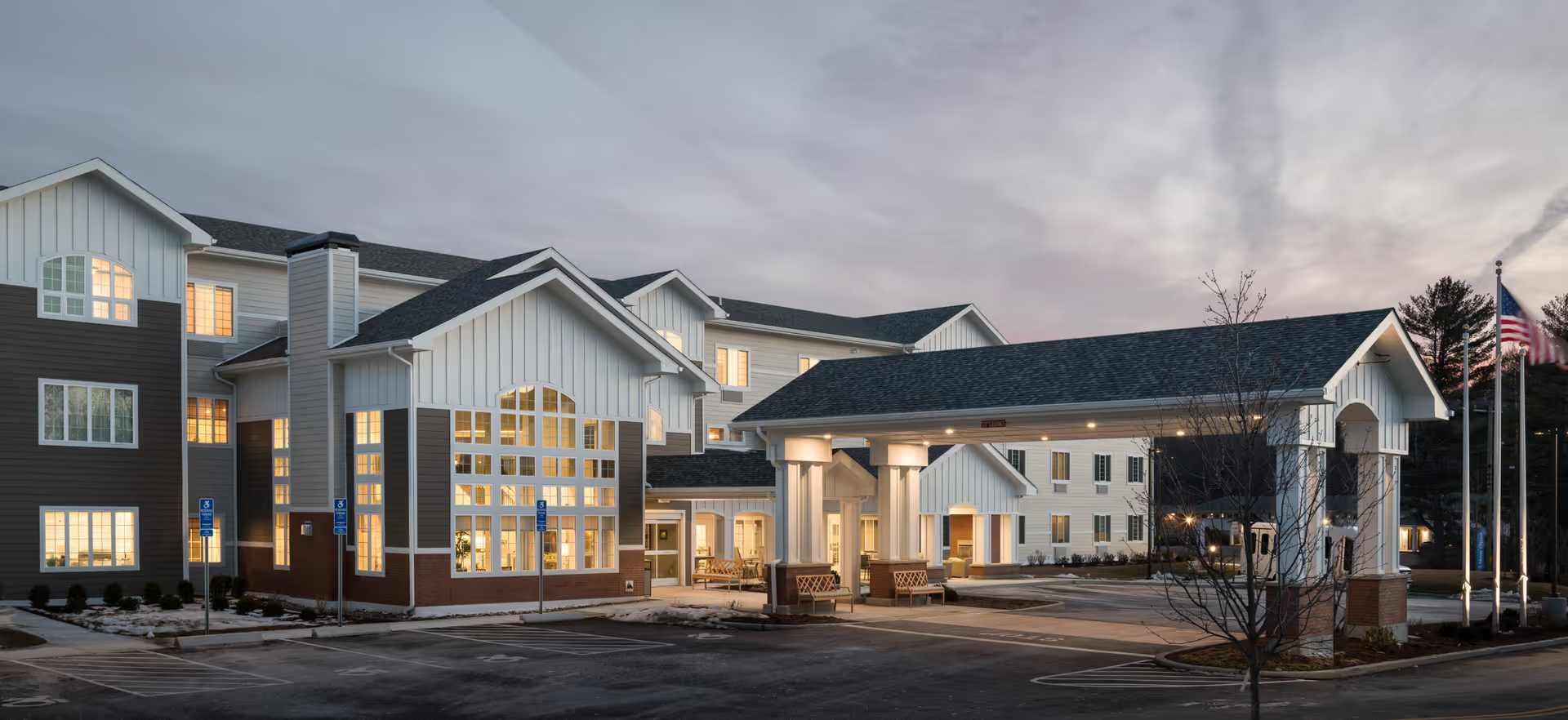
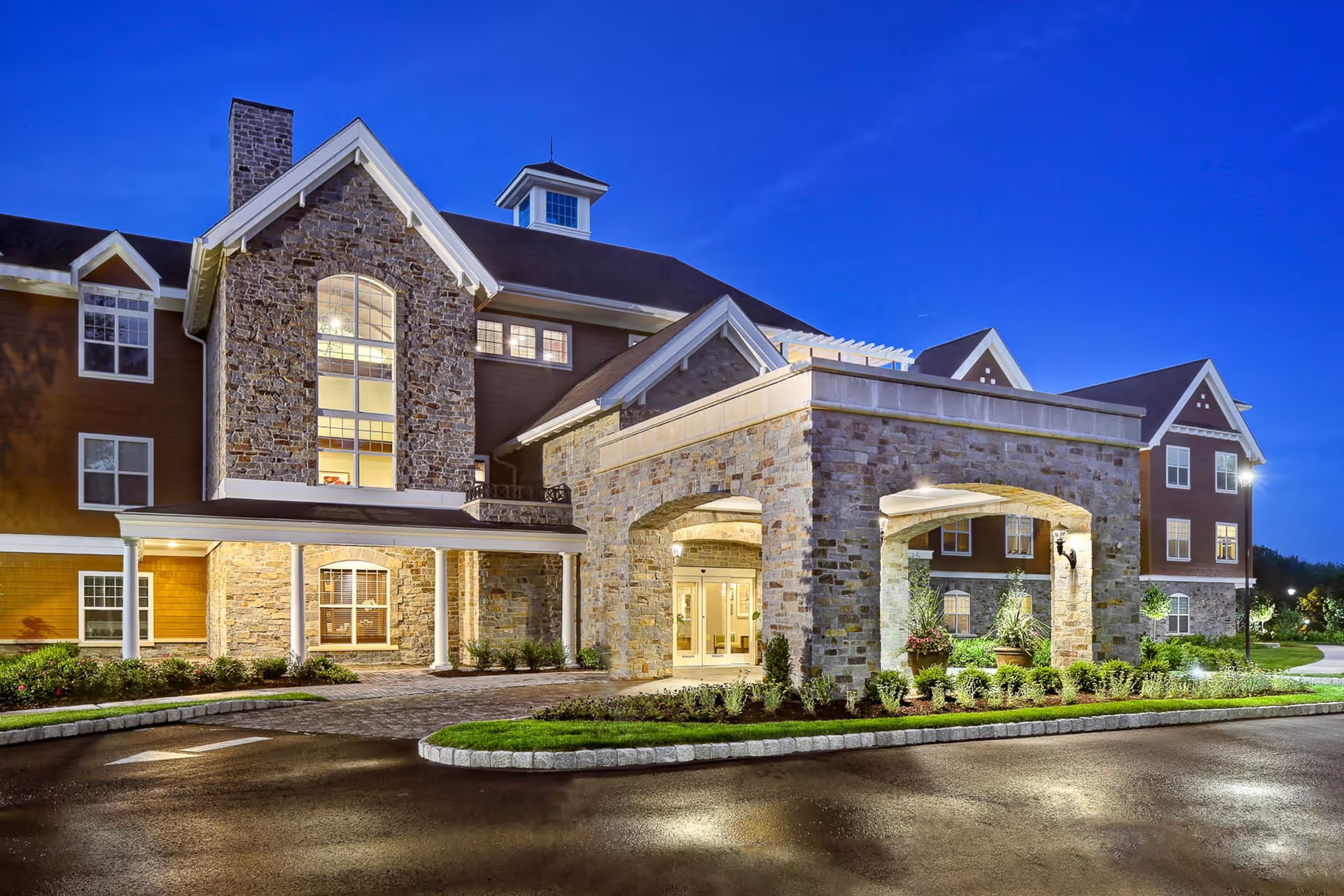
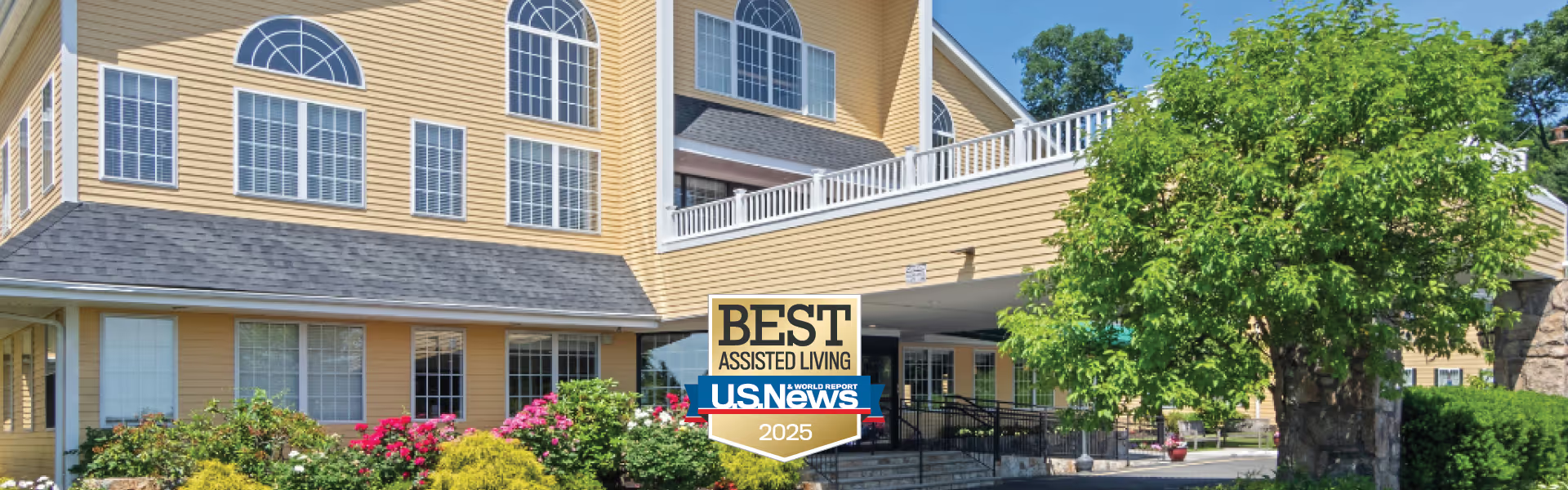
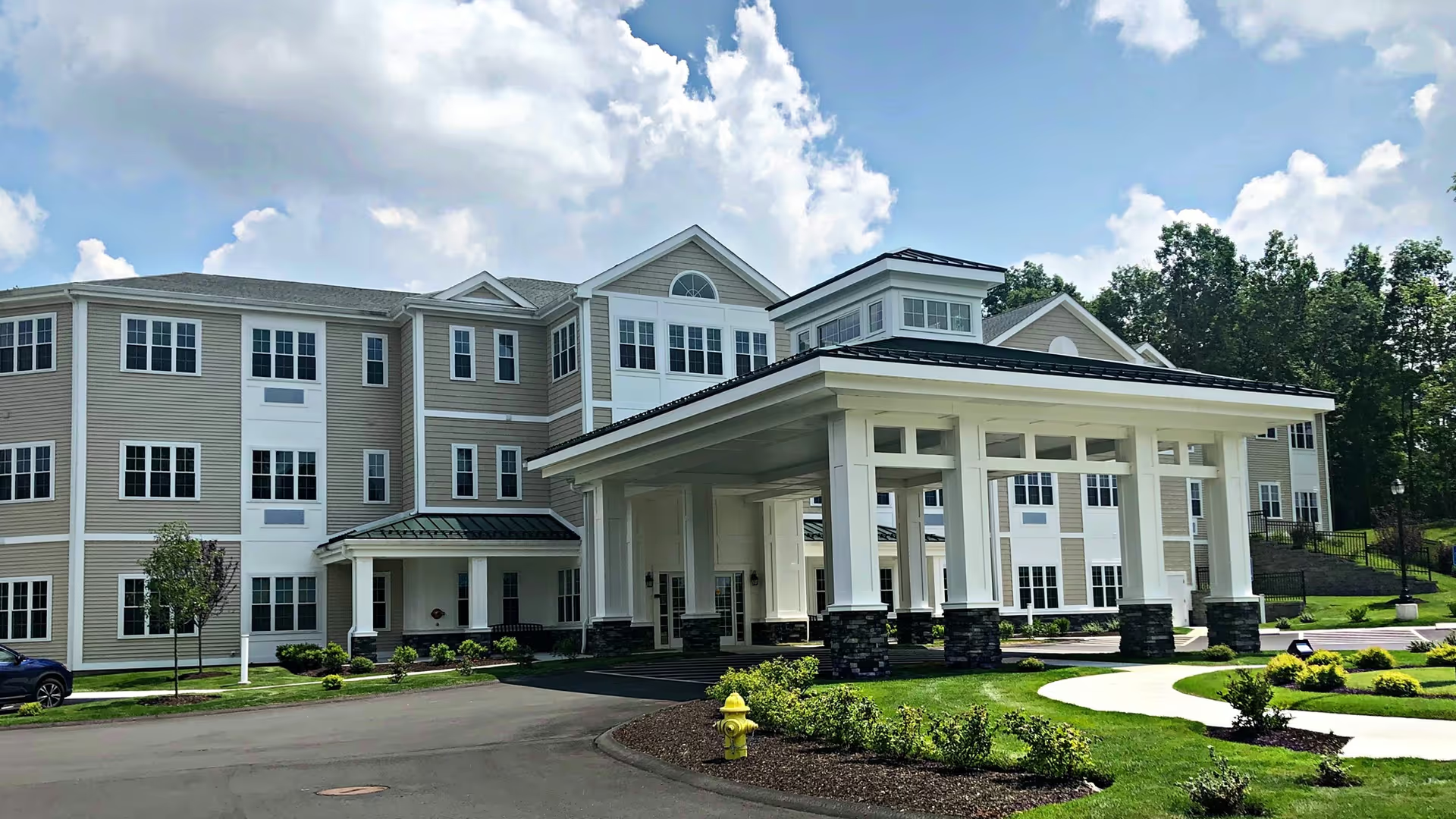
Facilities and amenities: Many reviewers highlight a clean, bright environment with attractive landscaping, porch spaces, and a range of amenities (pool, spa, salon, theater, billiards, putting green). At the same time, there are documented instances of maintenance shortfalls: unfinished renovation work, odor related to construction, patched walls, and sanitation or pest‑control concerns in specific entryways and elevators. These issues appear episodic but are significant when they occur and warrant inquiry during a tour.
Management and operations: Admissions and move‑in experiences are frequently described as smooth and supportive. Yet there are recurrent critiques about internal communication between program areas, perceived defensiveness or dismissiveness from management in some interactions, and the need for family advocacy to resolve issues. Financial terms are a consistent point of concern; the community uses an equity buy‑in model with holdback provisions that some families find substantial and want clarified upfront.
Notable patterns and guidance for prospective families: Strengths center on compassionate caregiving, strong nursing presence, household memory‑care options, and hospitality‑level amenities. Weaknesses are operational: inconsistent staffing/presence, variable maintenance and sanitation in parts of the building, occasional mismatch between marketing materials and on‑site conditions, and complex contract/fee structures. Prospective residents and families would benefit from targeted questions during a visit: ask for current staffing ratios and turnover data, tour both memory‑care and independent living areas during activity times, request recent maintenance logs and pest‑control records, sample multiple meals, and review the buy‑in/holdback contract language carefully. Observing activity participation and speaking directly with current families or residents can help determine whether the community’s strengths align with an individual’s care and lifestyle priorities.