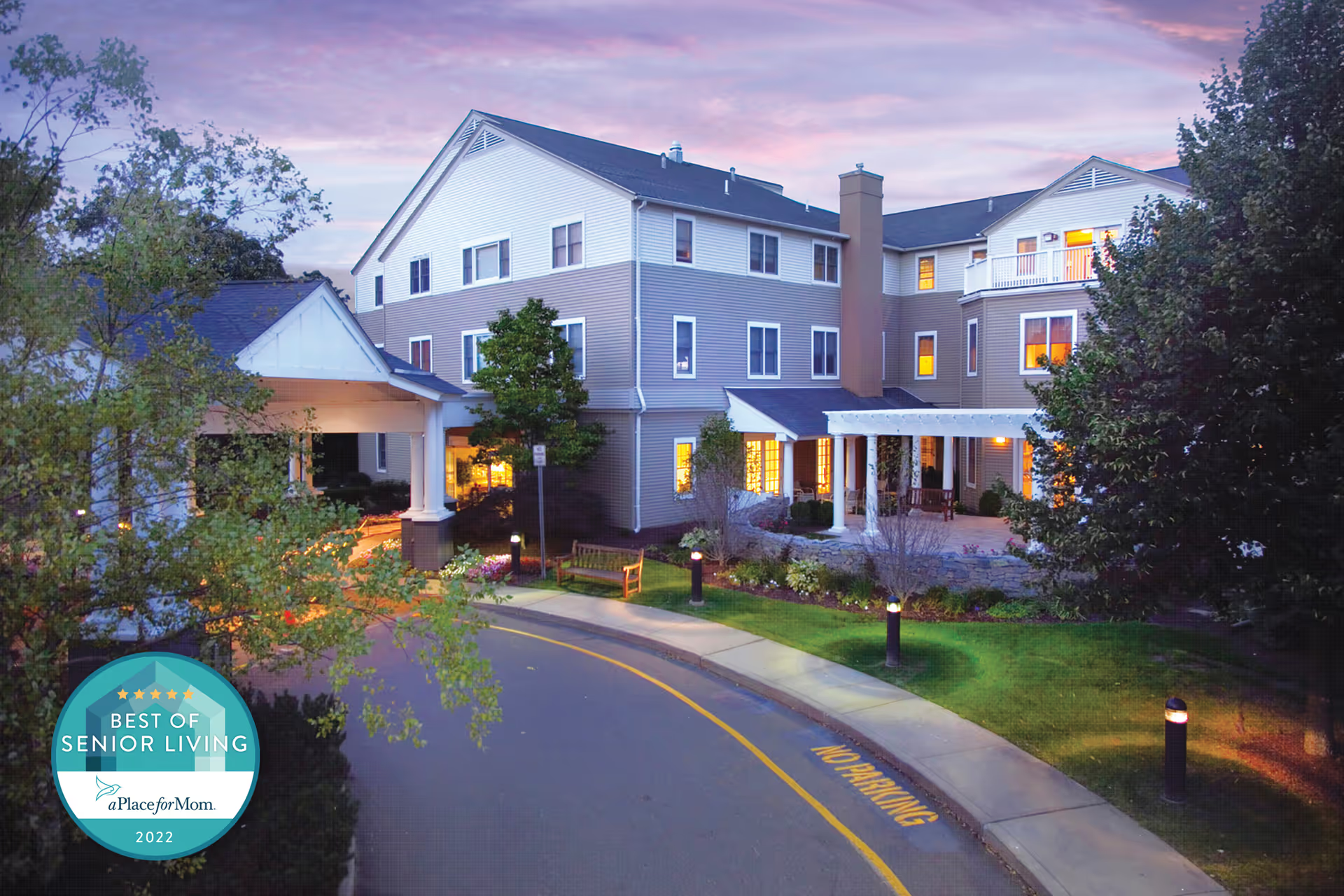
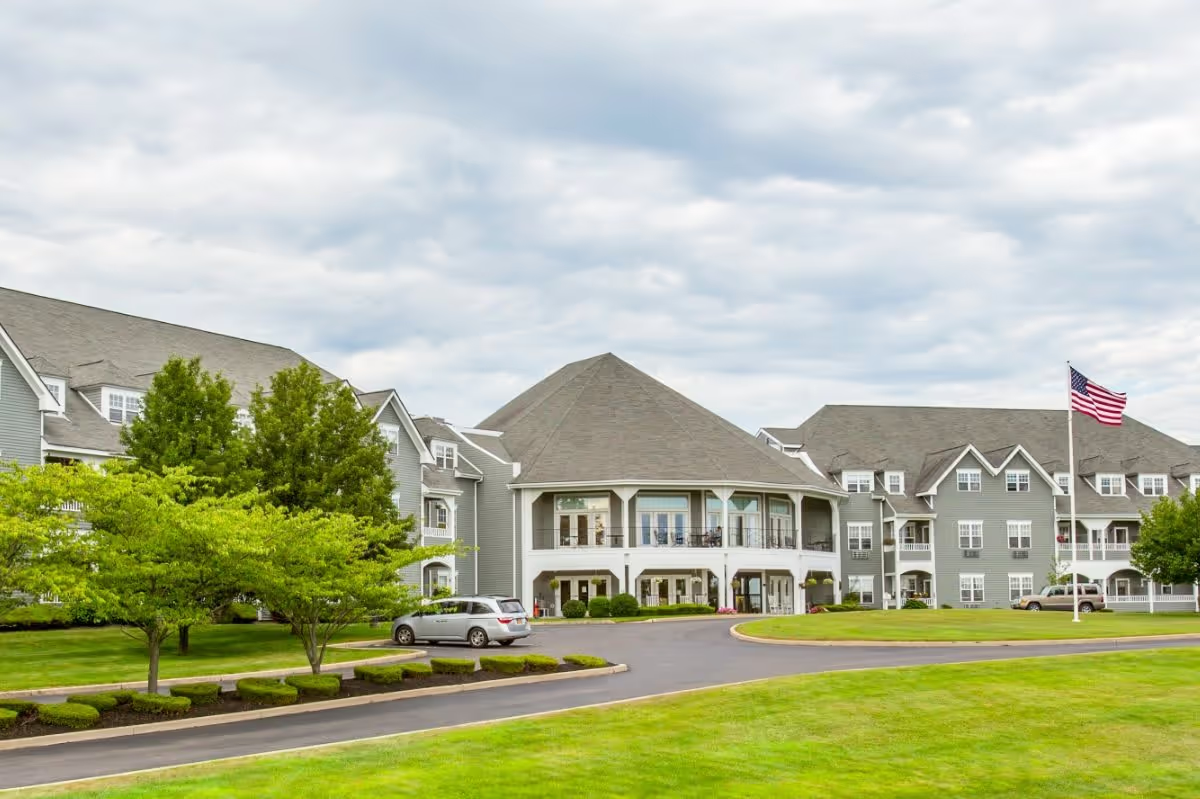
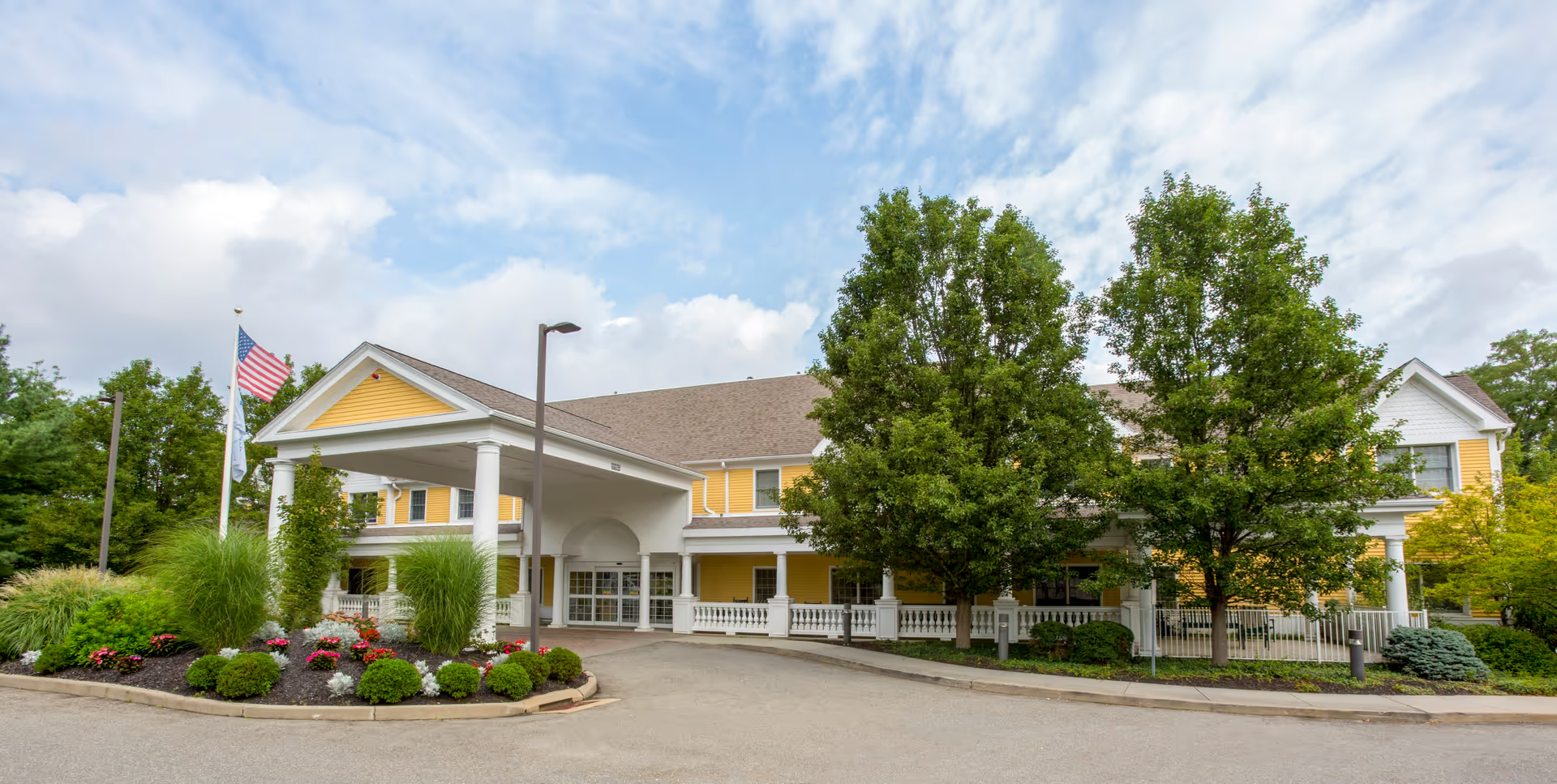
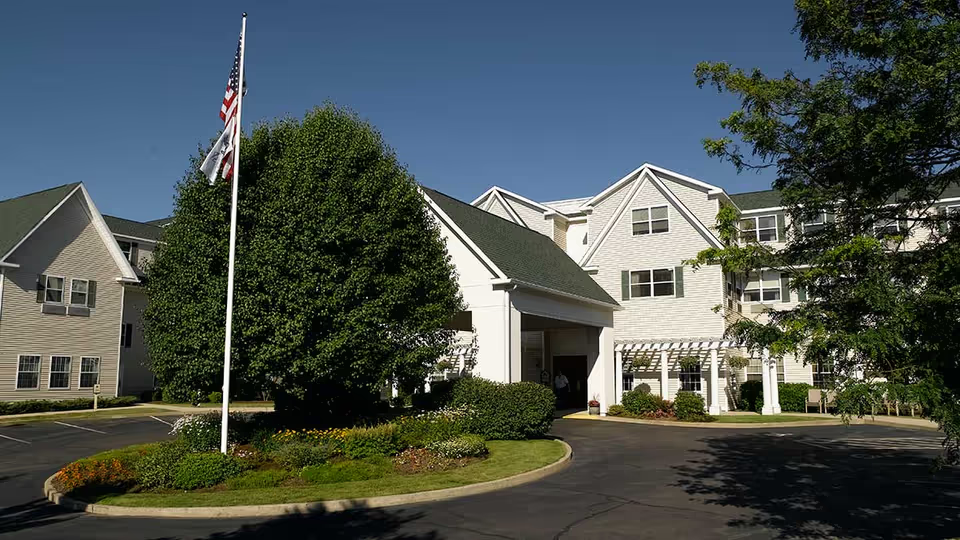
Seacrest Assisted Living & Memory Care presents a mixed picture: its physical plant, dining, and some aspects of staffing are frequently praised, while operational and clinical consistency appear uneven. The facility's waterfront setting, well-kept grounds, large rooms that accommodate personal furniture, and a clean, organized interior are commonly described as strengths. Dining receives consistently positive mention — reviewers cite home-style cooking, a strong chef, and pleasant meal service. There are also repeated endorsements of particular staff members and an overall sense of a home-like atmosphere when staffing and leadership are aligned.
Care quality and clinical oversight show significant variability. Several families value the availability of on-site nursing and physician visits and describe dignified, attentive caregiving. At the same time, other accounts describe delays in addressing needs, inconsistent pain and symptom management, and situations that prompted transfer to higher-acuity care. Staffing levels and supervision practices appear to be a central driver of this variability: understaffing and shift-to-shift differences were linked to slower response times and weaker monitoring in some accounts.
Staff and culture are described in both positive and negative terms. Many reviewers praise compassionate, family-like staff interactions and name individual employees who go beyond expectations. Conversely, there are also reports of discourteous or unprofessional communication, gossiping, and tone-of-voice concerns. There are a small number of allegations of demeaning behavior; these contrast sharply with other accounts that emphasize respectful treatment, suggesting inconsistency across teams or shifts.
Activities and social programming also vary. Some reviewers describe an active social calendar with a strong recreation director and frequent engagement, while others indicate a paucity of organized activities beyond occasional movie nights. Prospective residents who place a high priority on regular programming should verify activity schedules and staffing for recreation during their visit.
Facility hygiene and safety observations are similarly mixed. The facility's kitchen and many common areas are described as spotless and well-maintained, yet there are isolated sanitation and incontinence-care concerns and occasional odor concerns noted by families. Safety-related themes include gaps in incident response and resident monitoring; these concerns are frequently linked to staffing levels and supervision practices rather than the physical environment itself.
Management and policy issues are another area to probe during a tour. Several reviewers mention room reassignment decisions influenced by financial criteria, which can produce distress for residents and families. Communication and transparency with families about care plans, incident follow-up, and staffing levels are also flagged as areas for improvement.
Recommendation for prospective families: Seacrest offers a strong physical environment and a well-regarded dining program, and it can provide compassionate care when staffing and oversight are robust. Given the variability in experiences, visitors should tour during multiple times of day, ask specific questions about staffing ratios by shift, review activity calendars, inquire about pain-management protocols and incident-response procedures, and clarify room-assignment and financial policies before deciding. These steps will help determine whether the facility’s strengths align with a particular resident’s clinical and social needs.