The reviews describe a facility with sharply polarized experiences. Many families and patients praise the rehabilitation program, therapy teams, and specific frontline caregivers: physical and occupational therapists, certain nurses, CNAs, and social‑work staff receive repeated commendation for effective rehab outcomes, individualized discharge planning, and compassionate day‑to‑day support. Multiple accounts highlight engaging recreational programming, a bright and well‑maintained environment in many areas, and administrative staff who have been responsive and proactive (for example, organized family Zoom updates during the pandemic). Meals and therapeutic diet adjustments are noted positively when teams adapt food textures to clinical needs.
Counterbalancing those positives are recurrent operational weaknesses that affect safety and family confidence. Reviewers describe inconsistent staffing and slow or missed responses to call bells; these responsiveness gaps are associated with safety concerns such as unattended patients, fall risk, and delayed emergency intervention. There are also repeated concerns about clinical monitoring, medication coordination, and documentation practices that families found problematic. Infection‑control and isolation procedures are another area of significant concern in some accounts, including an allegation about the placement and isolation of an infectious resident that heightened family anxiety about vulnerable patients.
Housekeeping and incontinence‑care practices are reported inconsistently: some units and shifts are described as clean and well maintained, while others have sanitation issues and incomplete cleaning tasks. Staff professionalism and communication tone are variable across shifts and departments; some reviewers describe caring, courteous interactions, whereas others report discourteous or unhelpful conduct and language‑barrier challenges. Phone accessibility and after‑hours follow up are also described as unreliable by a number of families, complicating coordination with caregivers and transitions of care.
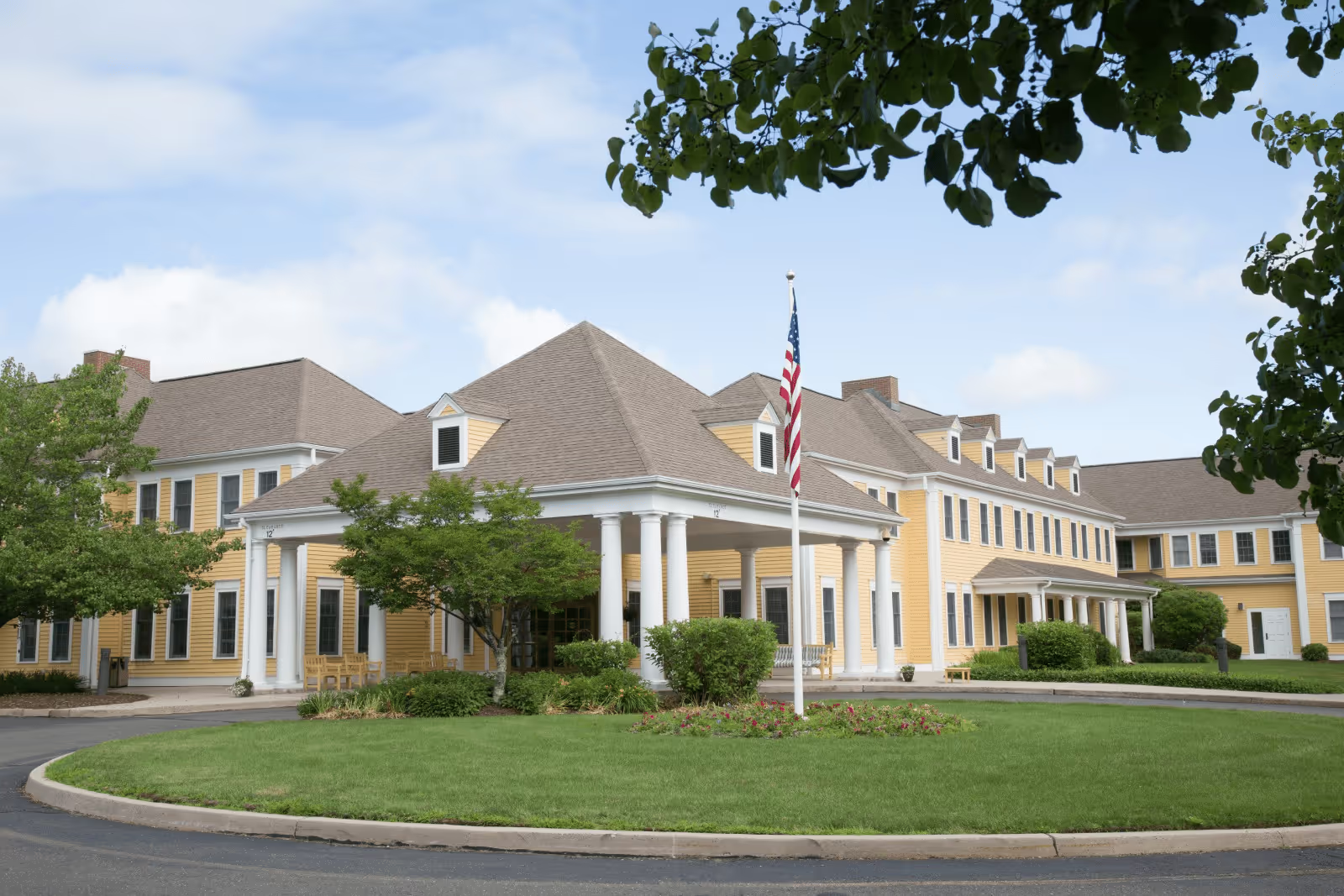
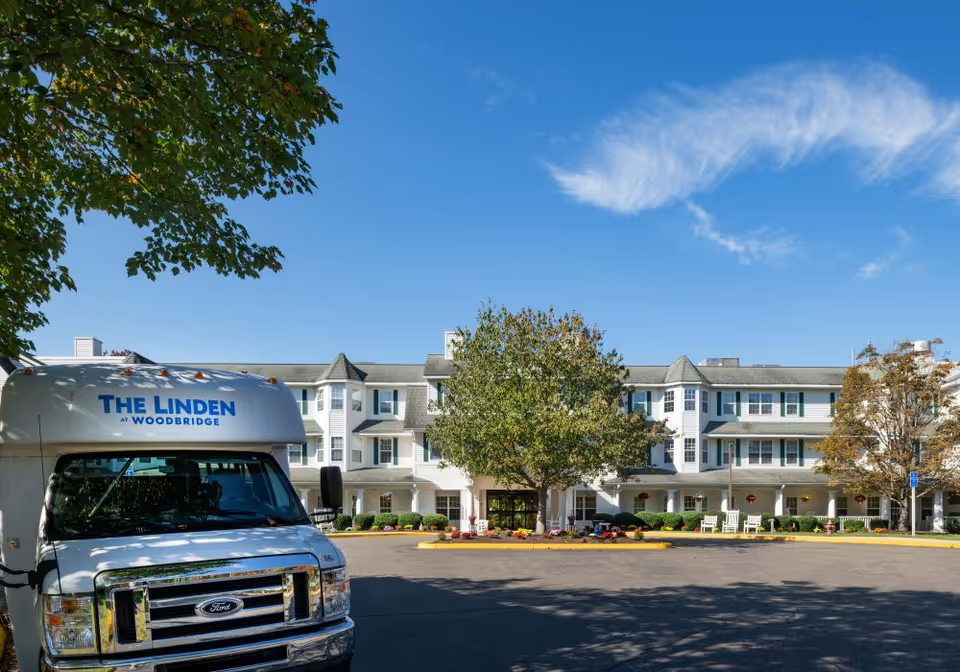
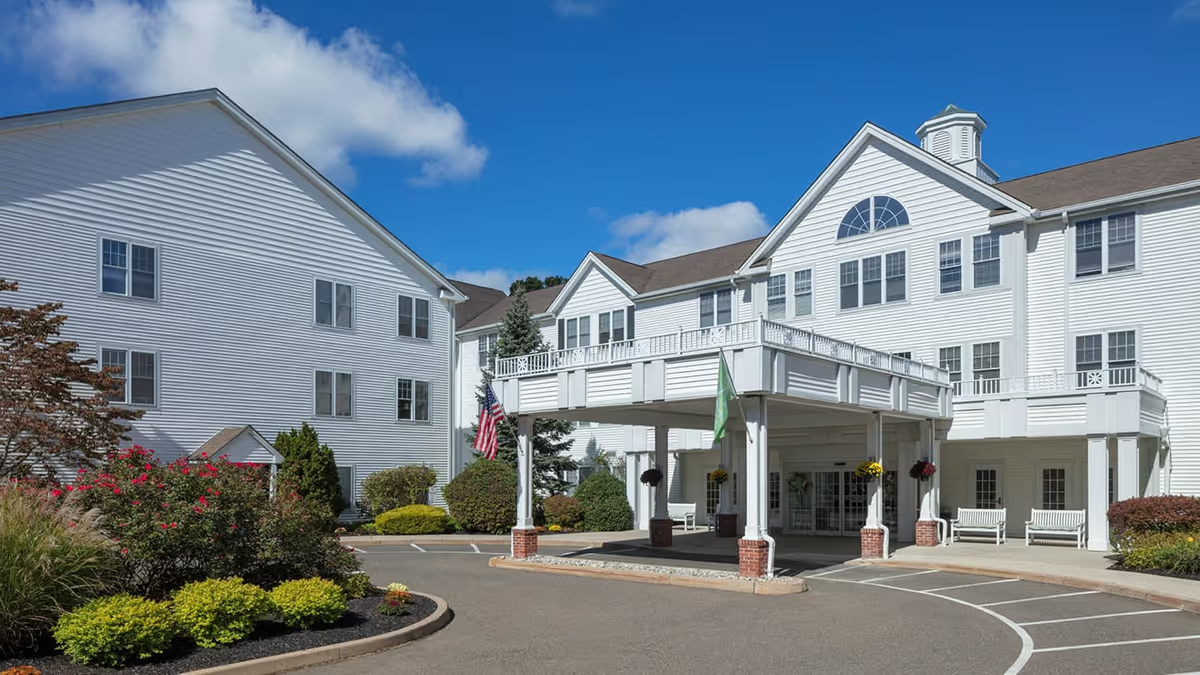
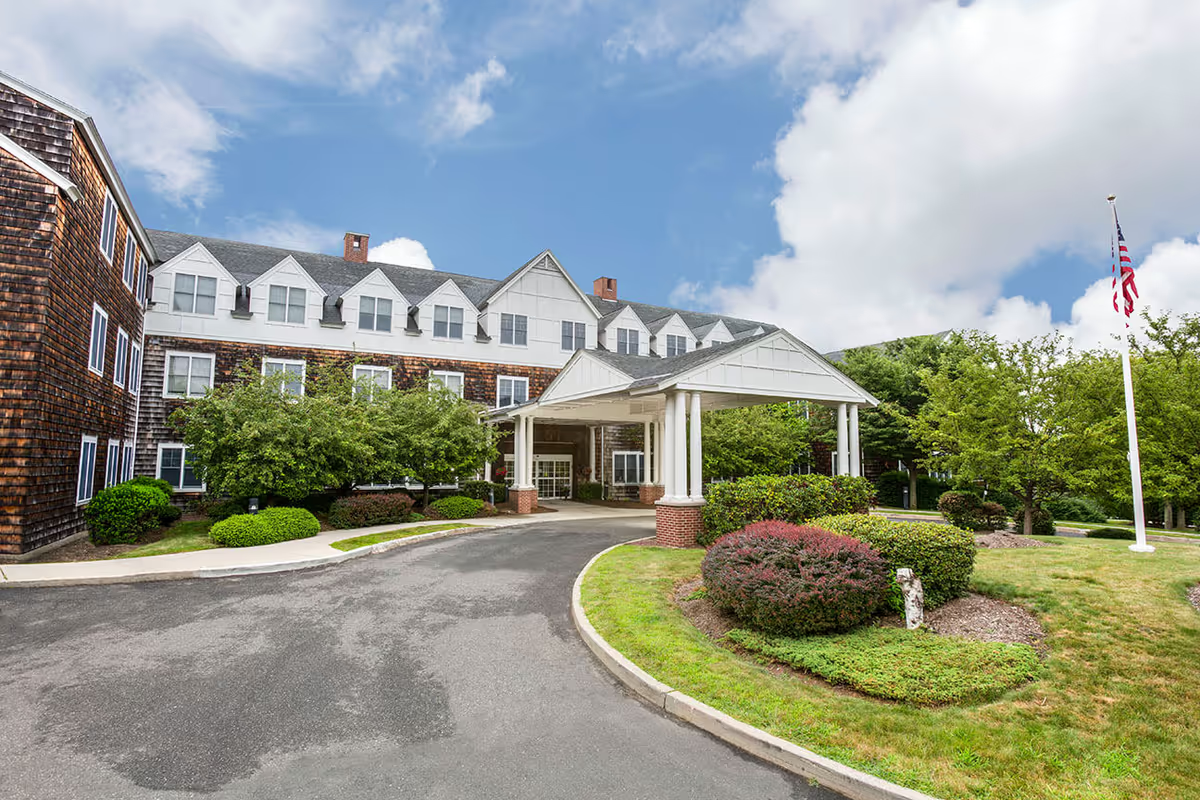
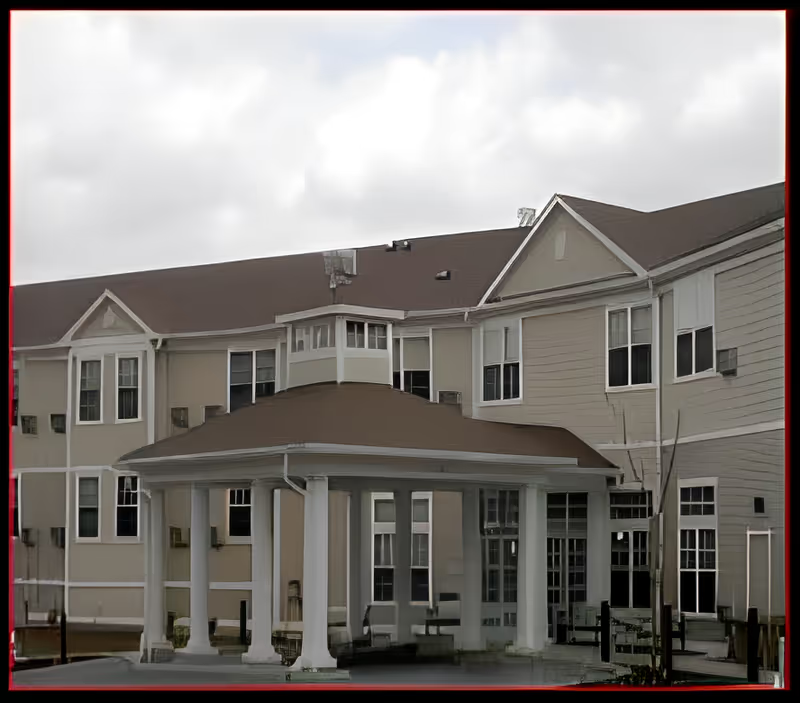
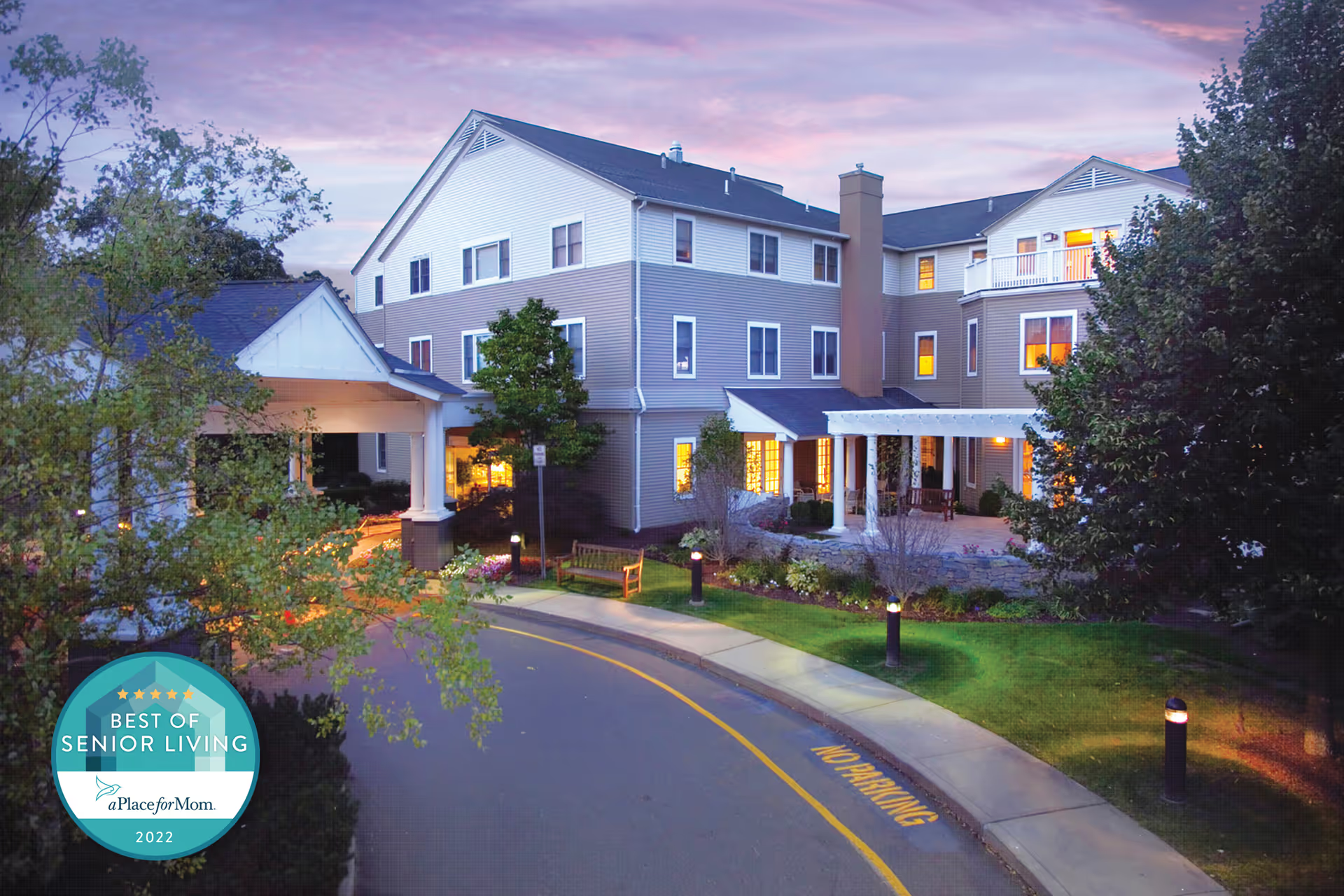
Facility and amenity observations are mixed. The building is frequently described as bright and generally well cared for, with effective common‑area maintenance, but parts of the infrastructure are characterized as aging and there are specific temperature‑control complaints (air conditioning variability). Dining quality receives mixed feedback: while therapeutic diet adaptation is praised, several reviewers note bland or institutional food and inconsistencies in meal assistance for residents who need help eating. Transfer and discharge processes likewise vary — some families describe smooth, supportive discharge planning, while others report difficulties with transfers, record transfer coordination, and timeliness.
Overall patterns point to high variability in resident experience driven largely by staffing consistency, shift differences, and department-level processes. Prospective families should weigh the facility’s strong rehabilitation and social‑service capabilities against the documented operational gaps. When evaluating placement, consider asking for current staffing ratios, infection‑control protocols, shift‑by‑shift supervision practices, sample care plans for ADL assistance, medication‑administration and documentation procedures, housekeeping schedules, and references from recent short‑term rehab discharges. Visiting at different times of day and speaking directly with therapy, nursing leadership, and social work can help assess whether the unit and shift-level practices align with your expectations for safety and communication.