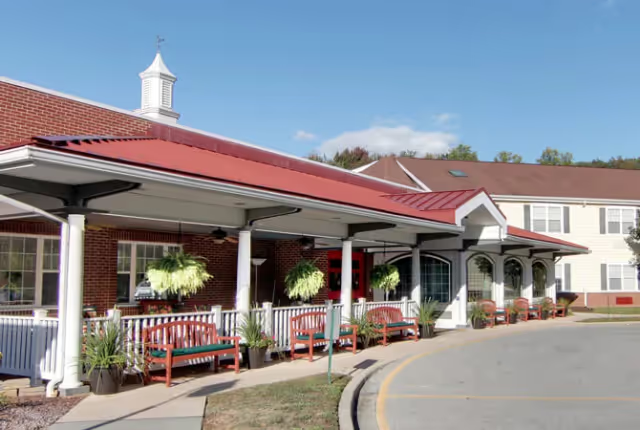
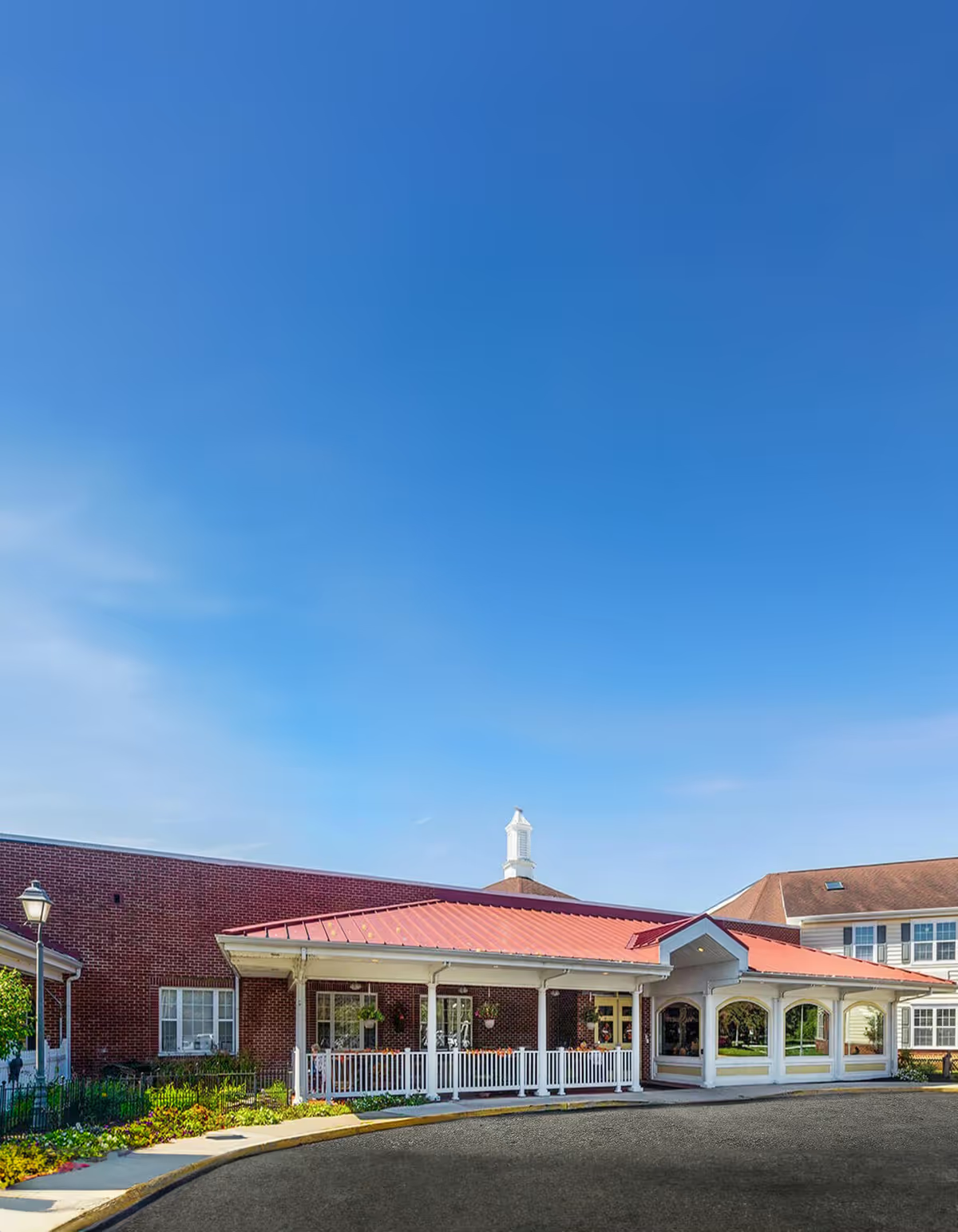
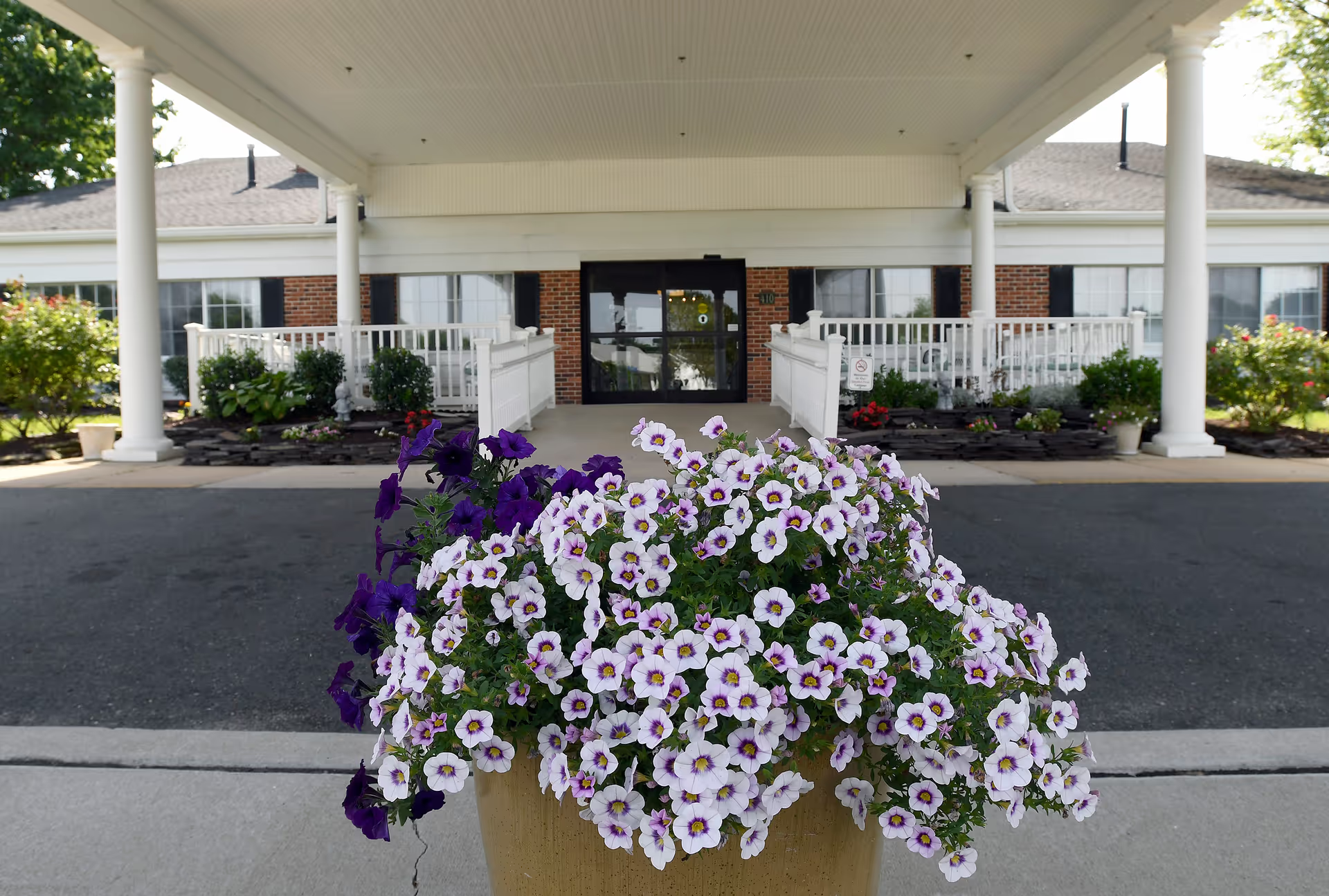
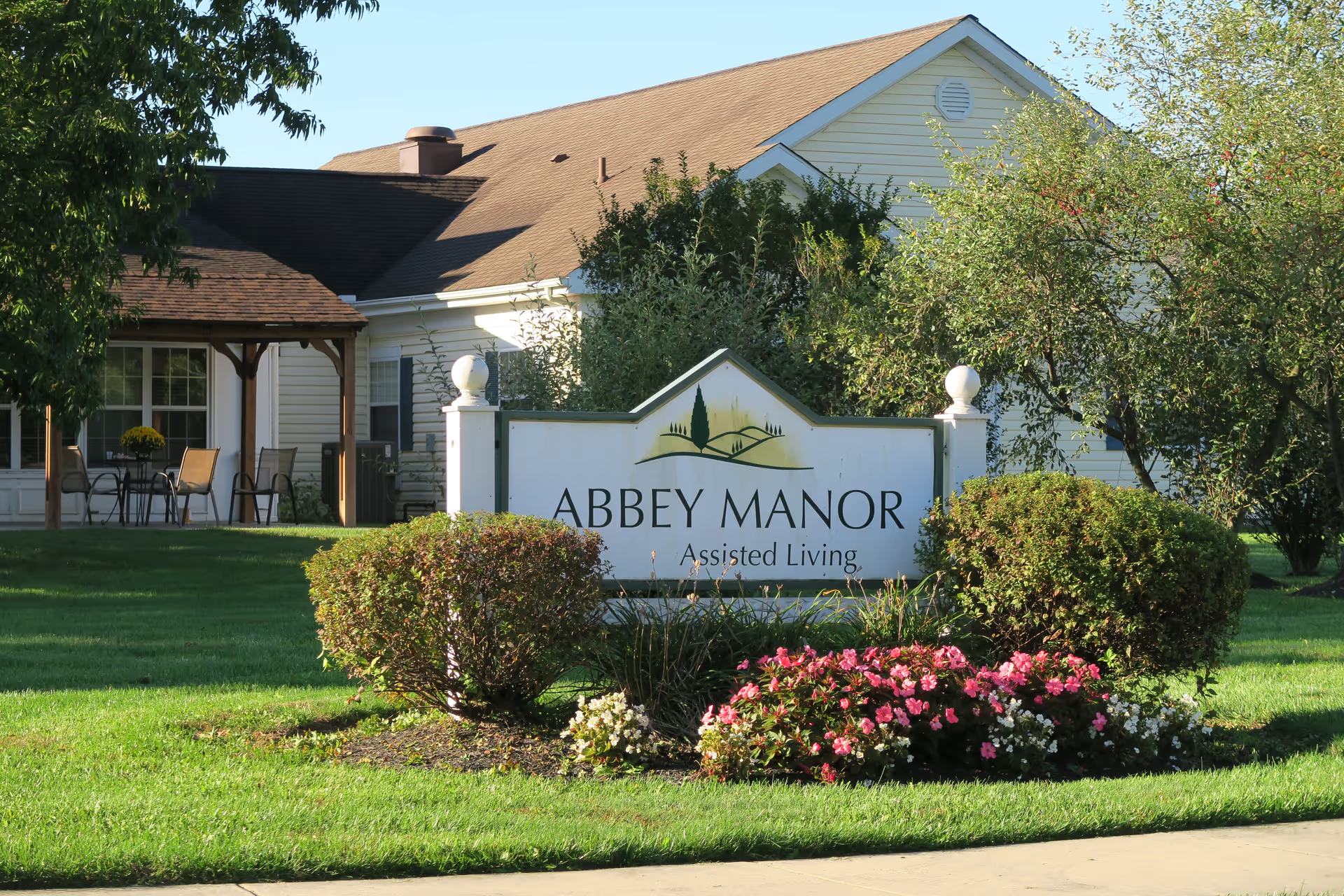
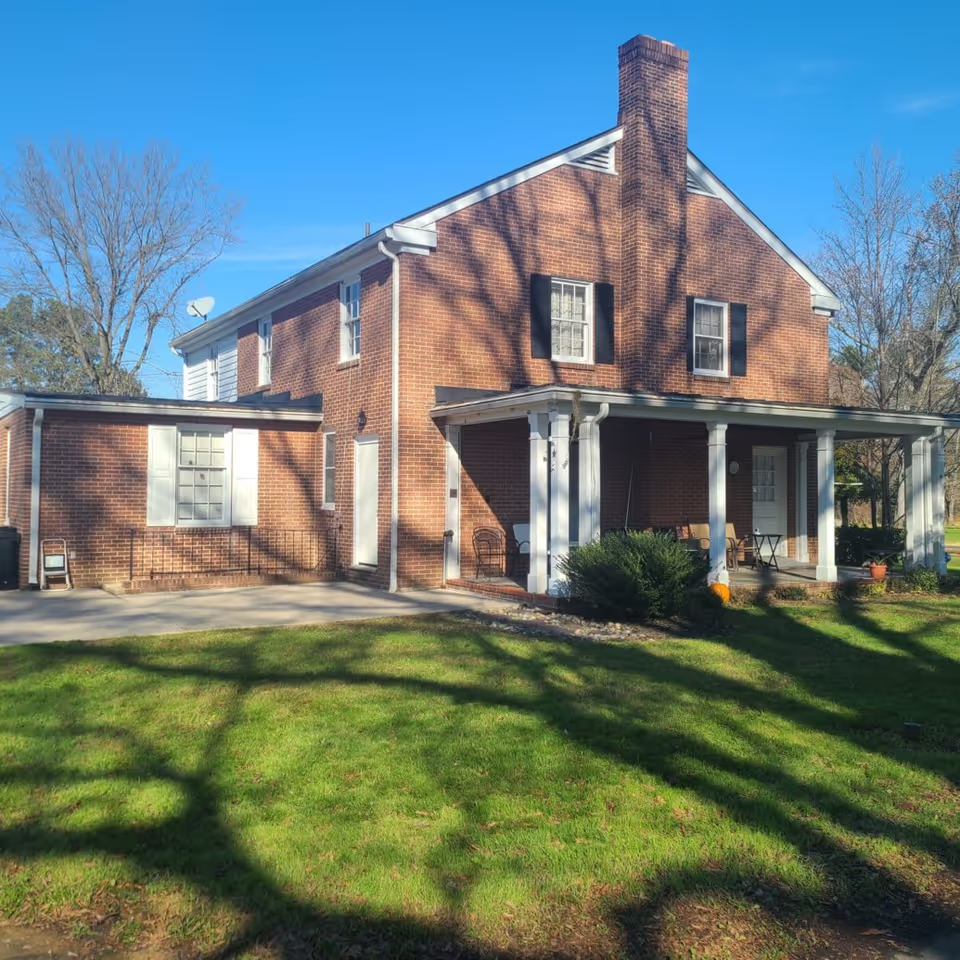
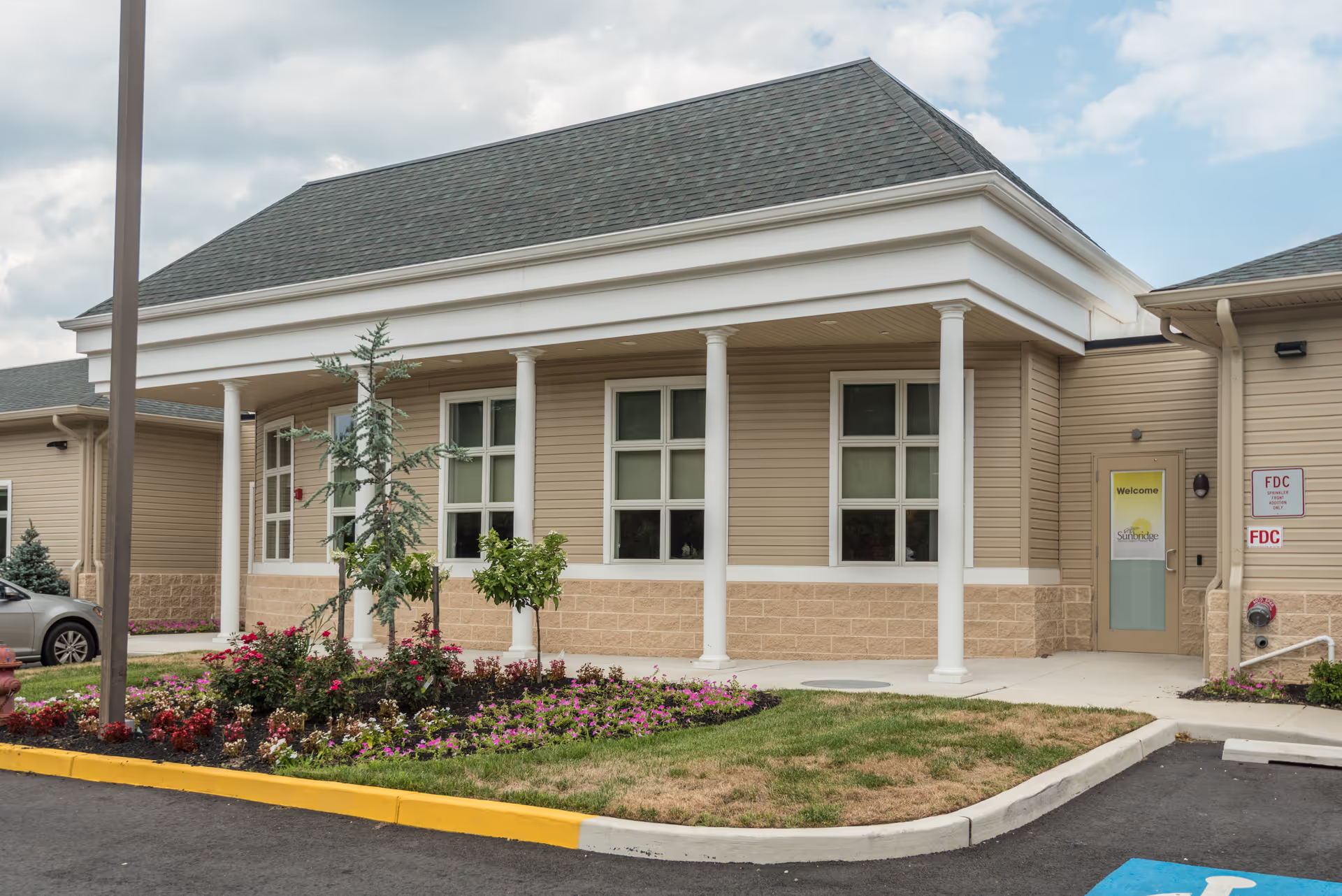
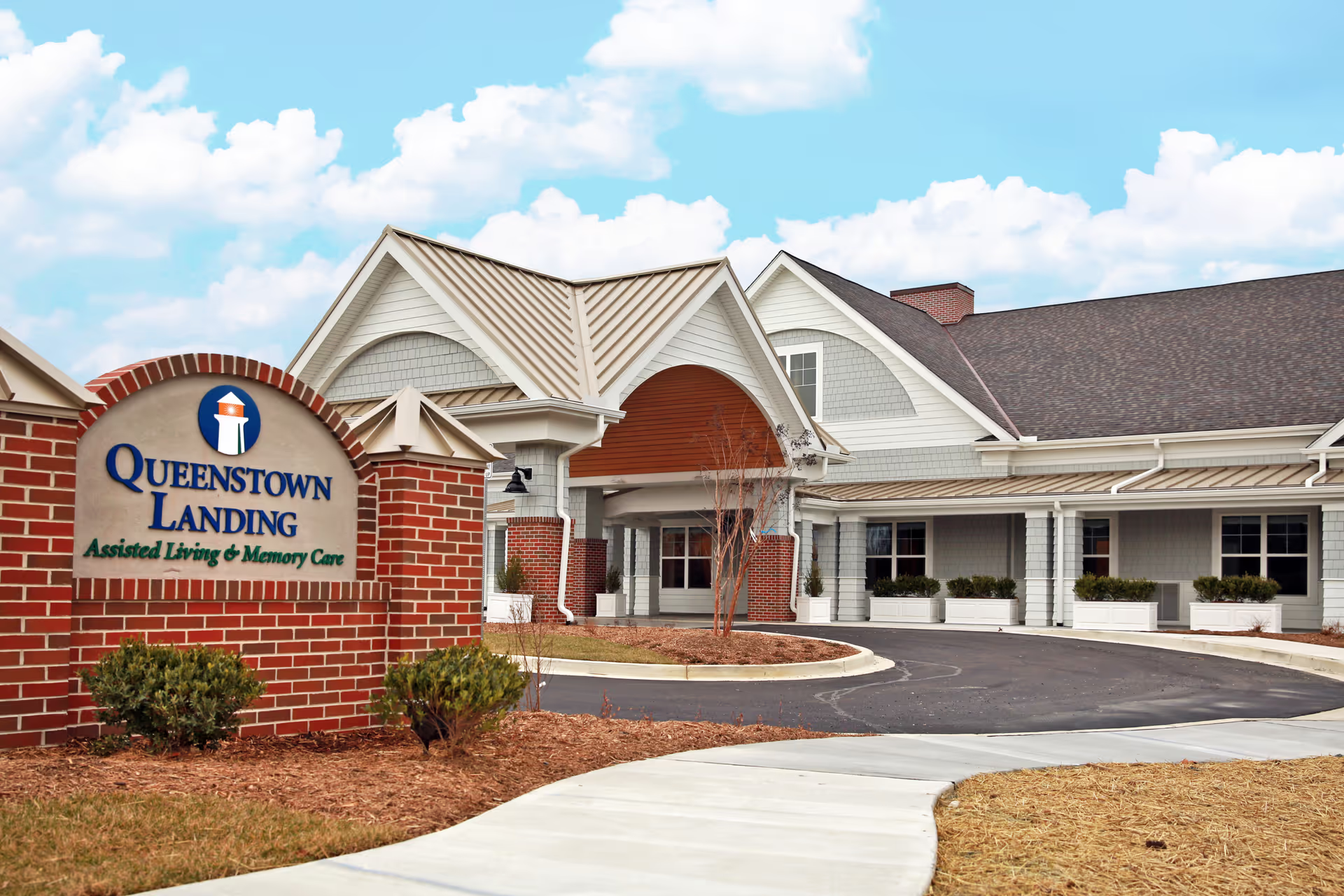
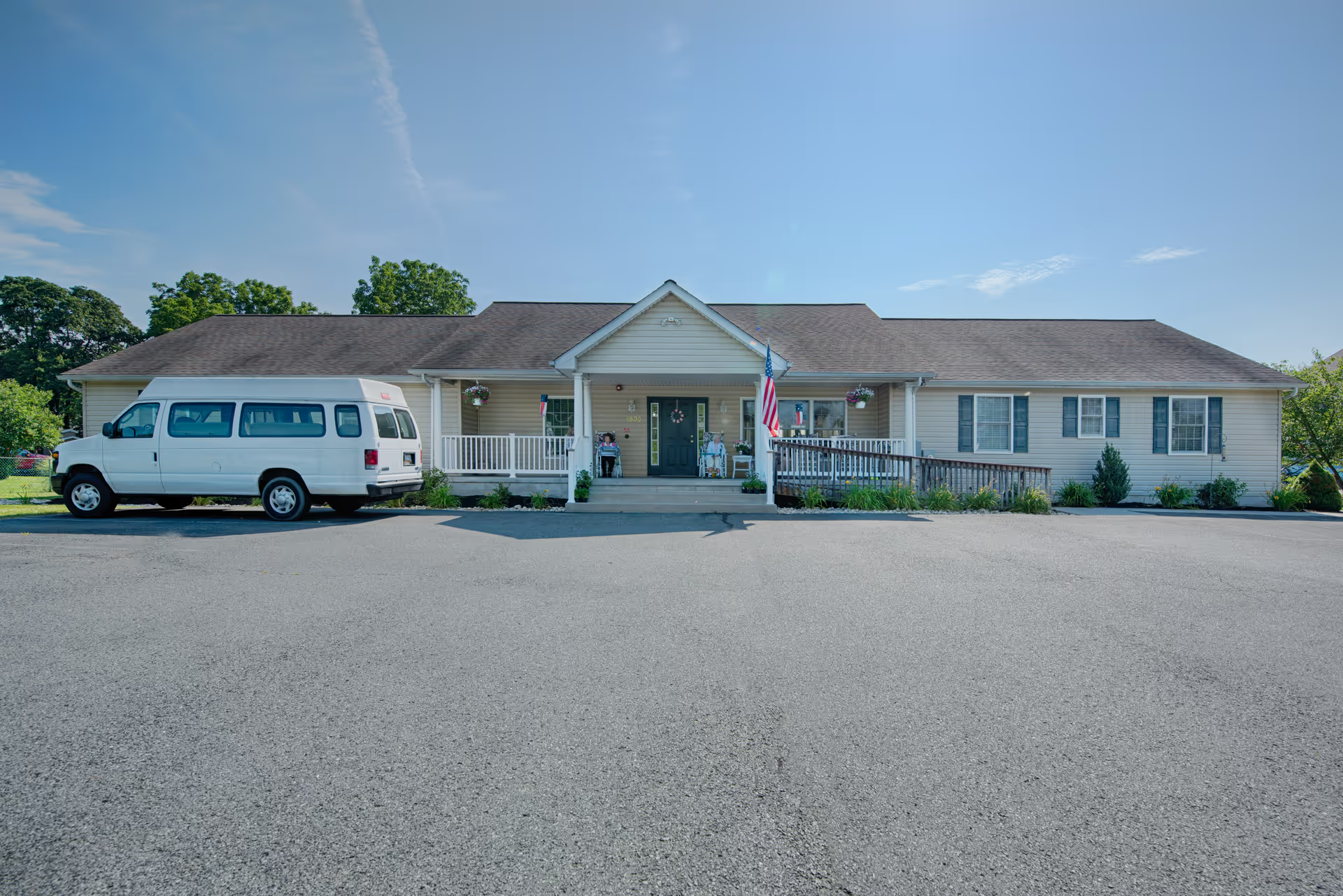
Brookdale Dover receives frequent praise for the quality of direct caregiving and the facility’s everyday operations. Many families describe staff as warm, respectful and attentive; frontline caregivers, nurses, and activity staff are commonly credited with creating a family-like, home atmosphere and helping new residents adjust. Housekeeping and general cleanliness are repeatedly highlighted, and the building’s interior and grounds are often described as well-maintained and calm. The facility offers a broad set of onsite services — including on-site physicians, nurse practitioners, physical therapy, podiatry, a hair salon, and shuttle transportation — which families view as convenient and clinically useful.
Dining and programming are other consistent strengths. A culinary team is frequently commended for meal quality and variety, and reviewers report three meals daily with additional services such as laundry included. The activity calendar is robust on paper and typically includes bingo, exercise groups, live music, crafts, walking clubs, outings, and pet therapy. For many residents the program is an important source of socialization; move-in and transition support is also commonly described as smooth and well-organized.
At the same time, a pattern of operational inconsistencies emerges across reviews. Administrative responsiveness — including front-desk interactions, tour experiences, billing coordination, and some maintenance follow-through — is uneven; some families describe prompt, helpful leadership, while others report delays or poor communication from administrative staff. Staffing levels and the consistency of coverage are recurring concerns, particularly within the memory-care unit and during nights/weekends. Those staffing gaps are linked in several accounts to reduced engagement for higher-need residents and to perceptions of variable dementia-care quality across shifts.
Clinical concerns appear in a minority of accounts but are notable: descriptions include medication-management lapses and episodic coordination problems between nursing, administration, and families. Several reviewers requested better diabetic meal accommodations and more reliable clinical oversight. Maintenance issues (for example, delayed repairs or inconsistent lighting) and an aging interior also appear as facility-level themes; while many residents and families find the facility clean and well-kept, others describe dated décor, darker common spaces, or occasional odor concerns in parts of the building.
In summary, Brookdale Dover’s primary strengths are its personable caregiving staff, comprehensive on-site medical and therapy services, active programming, and generally clean, secure environment. Prospective residents and families who prioritize strong day-to-day caregiving, social programming, and on-site clinical services are likely to find good matches here. Those most concerned about consistent dementia-care staffing, administrative responsiveness, timely maintenance, or modernized interiors should raise these topics during tours, ask about staffing ratios and weekend coverage, and request examples of how the facility addresses medication oversight and diabetic meal planning before deciding.