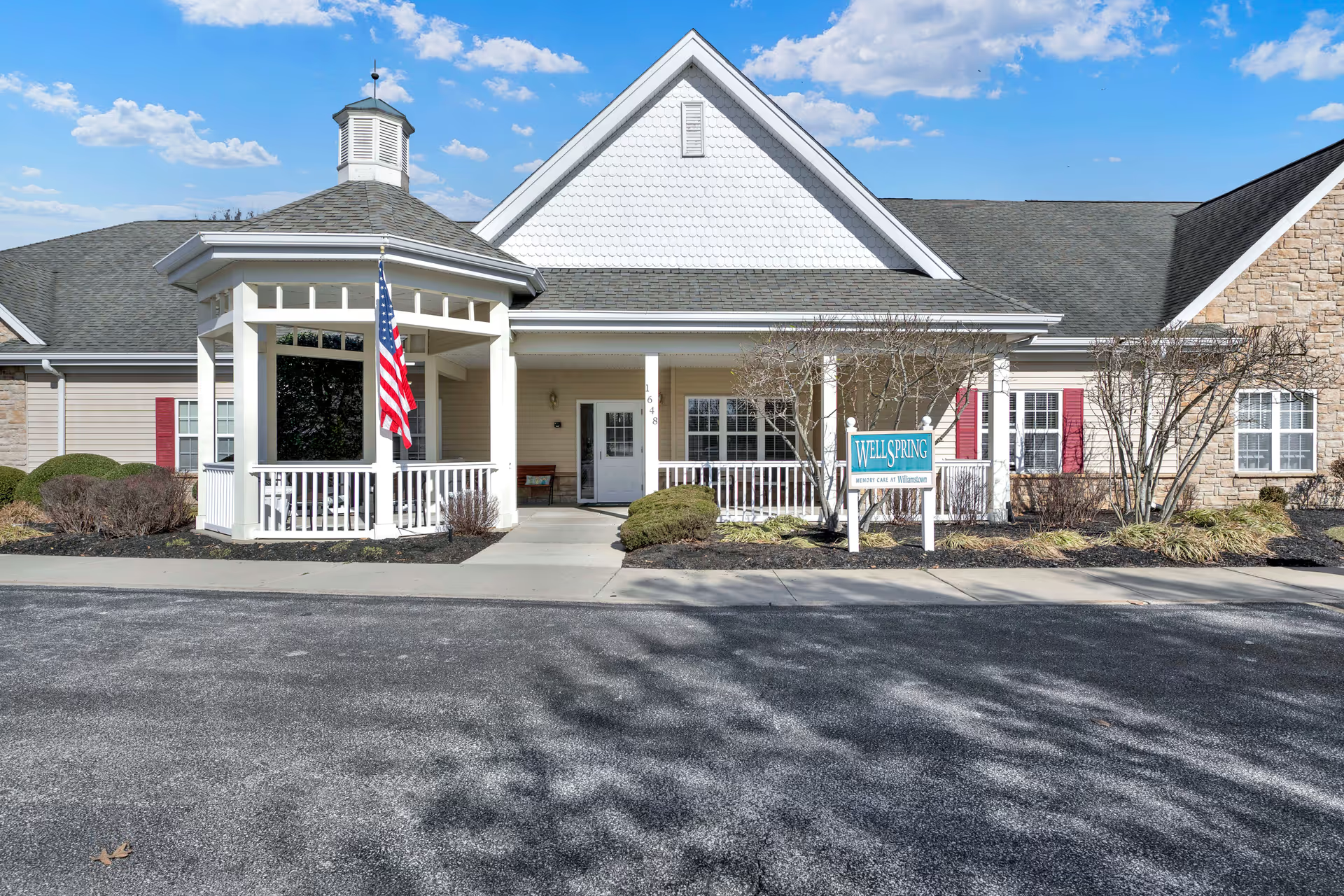
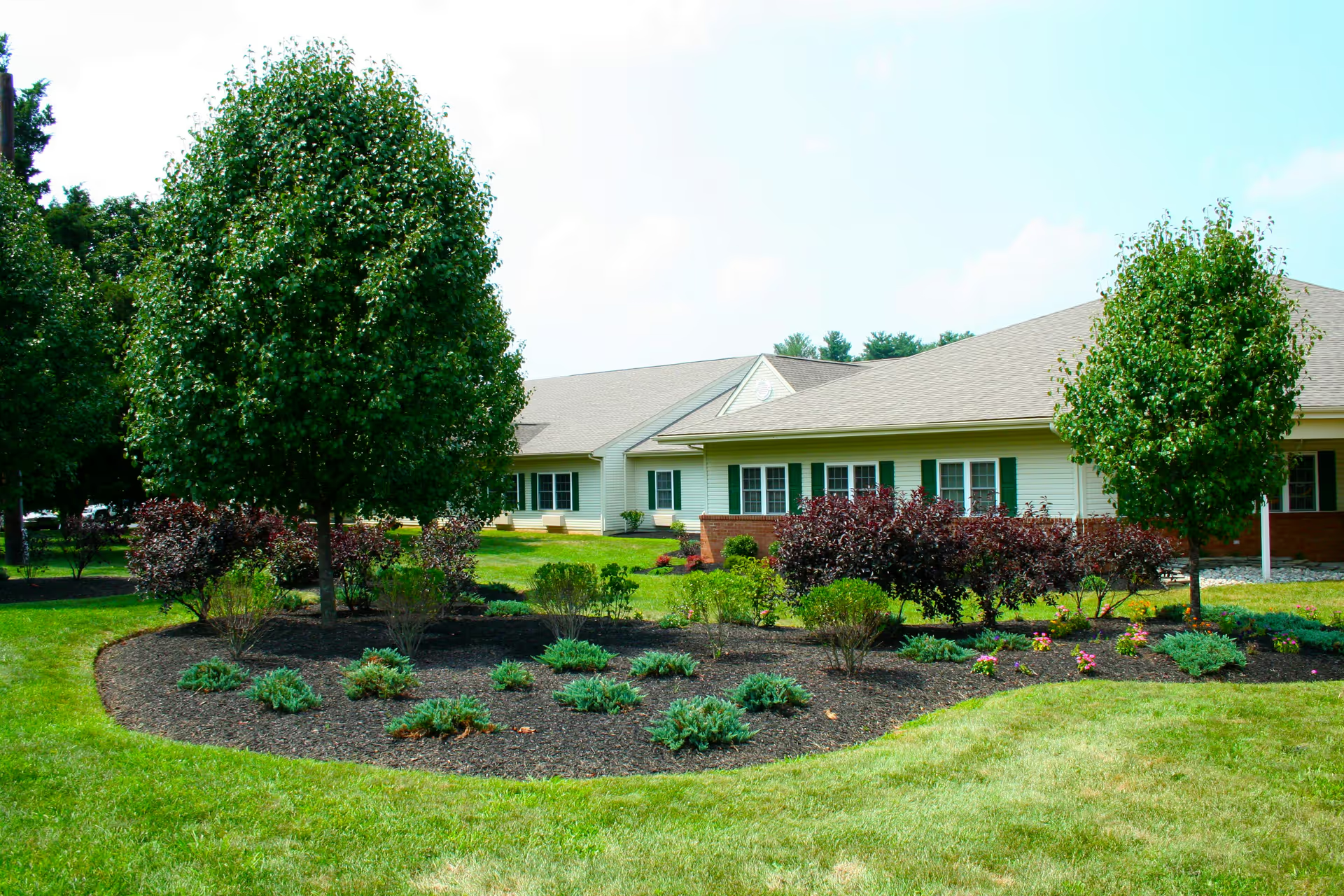
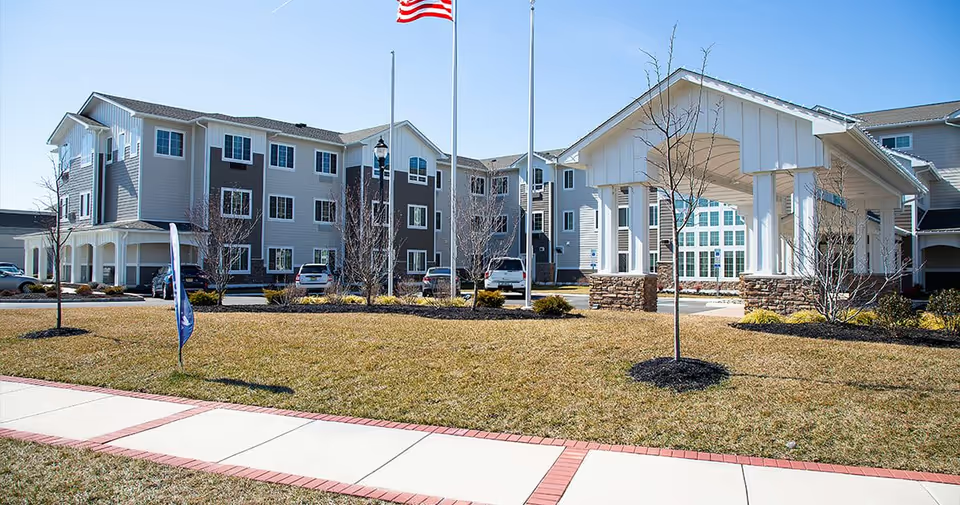
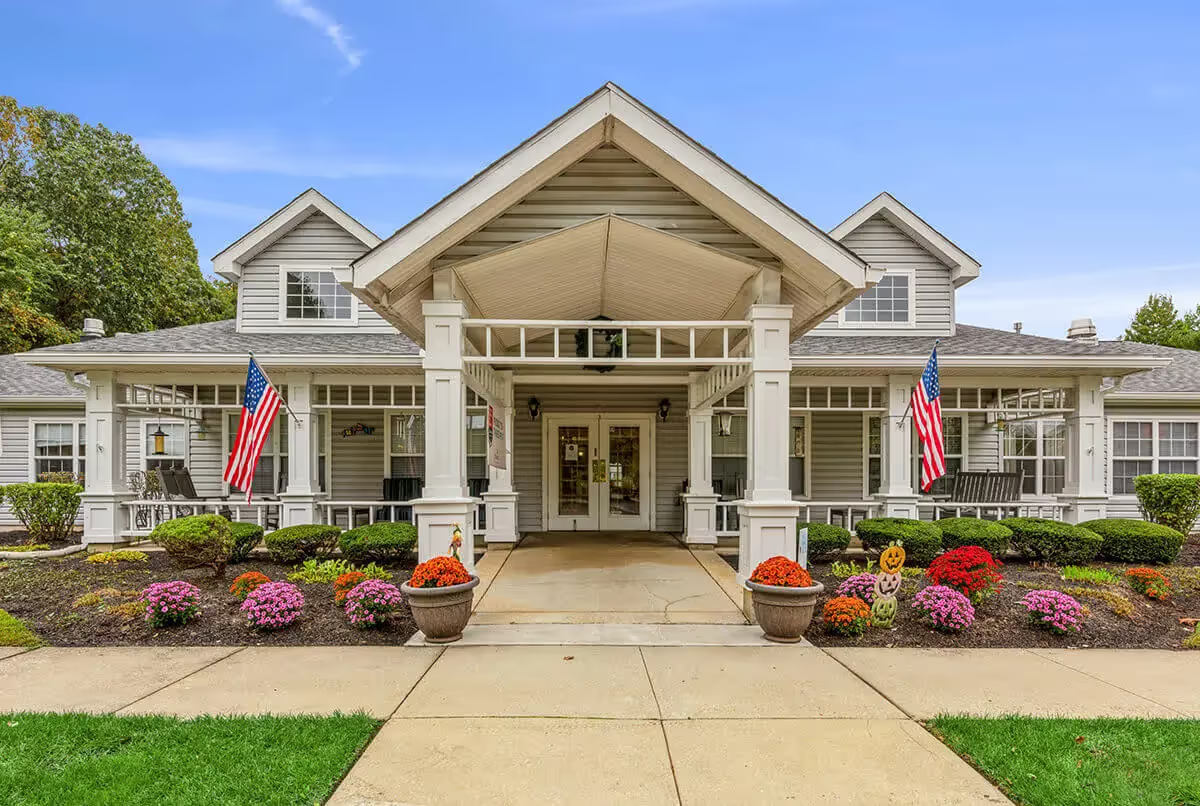
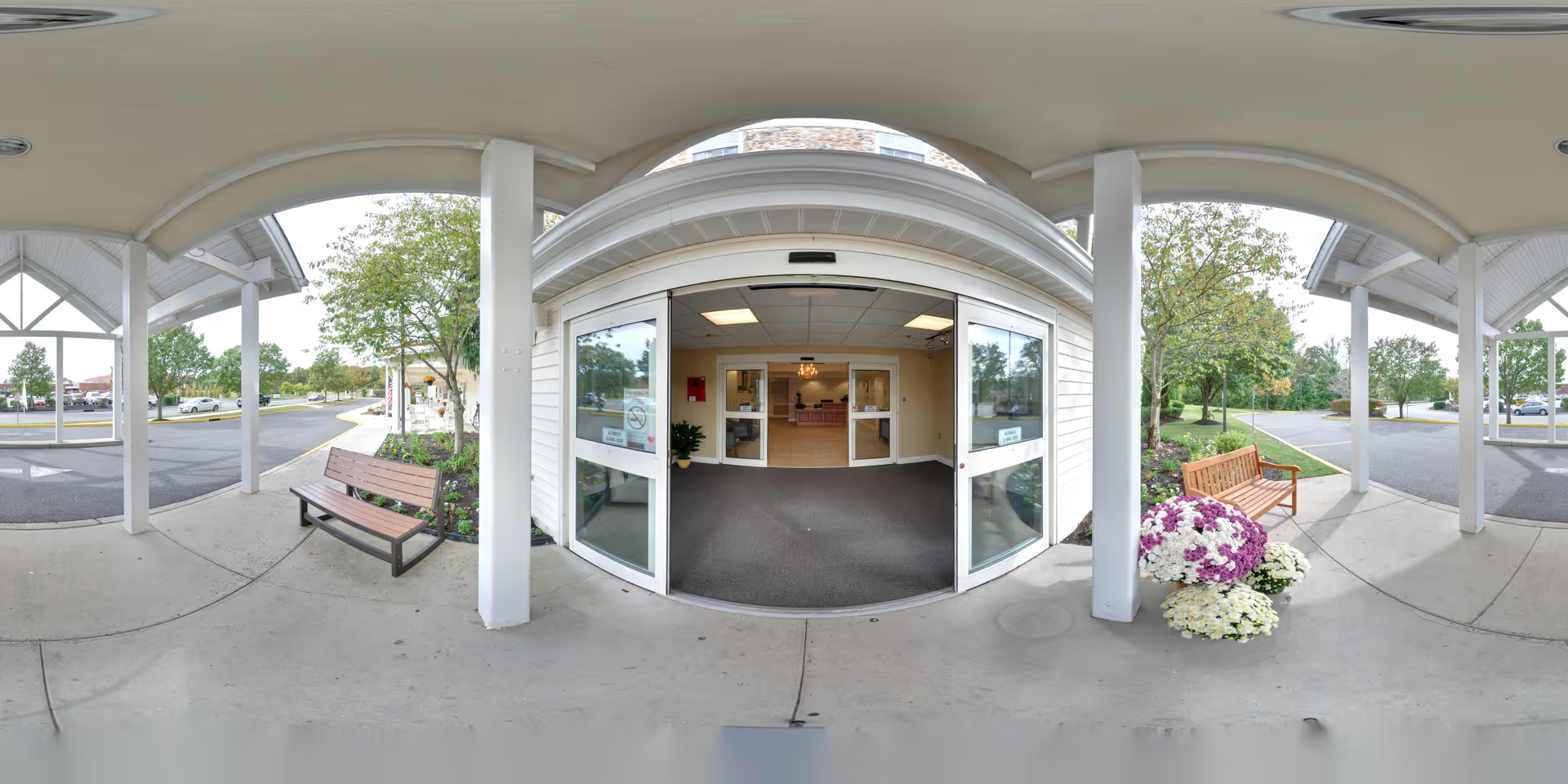
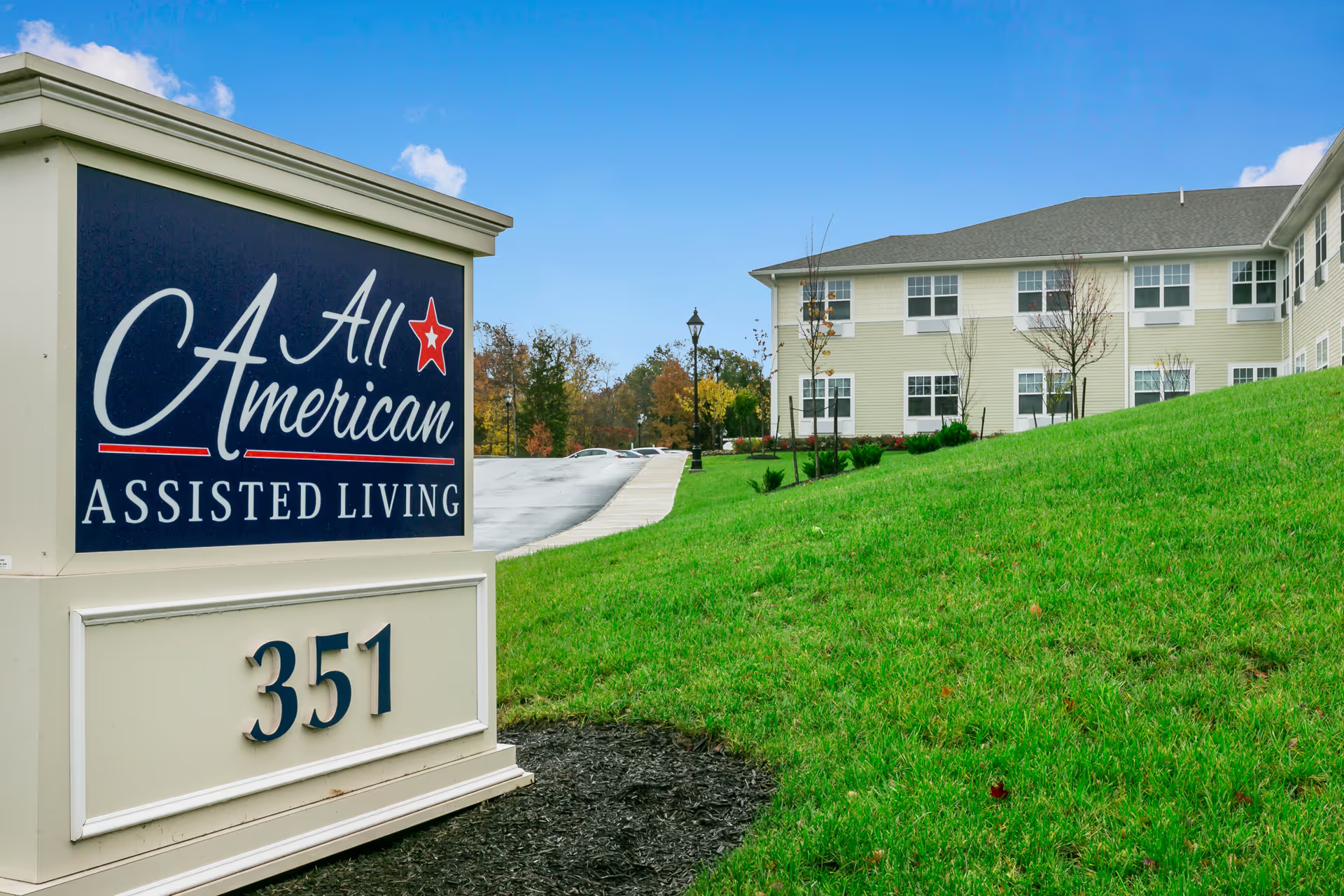
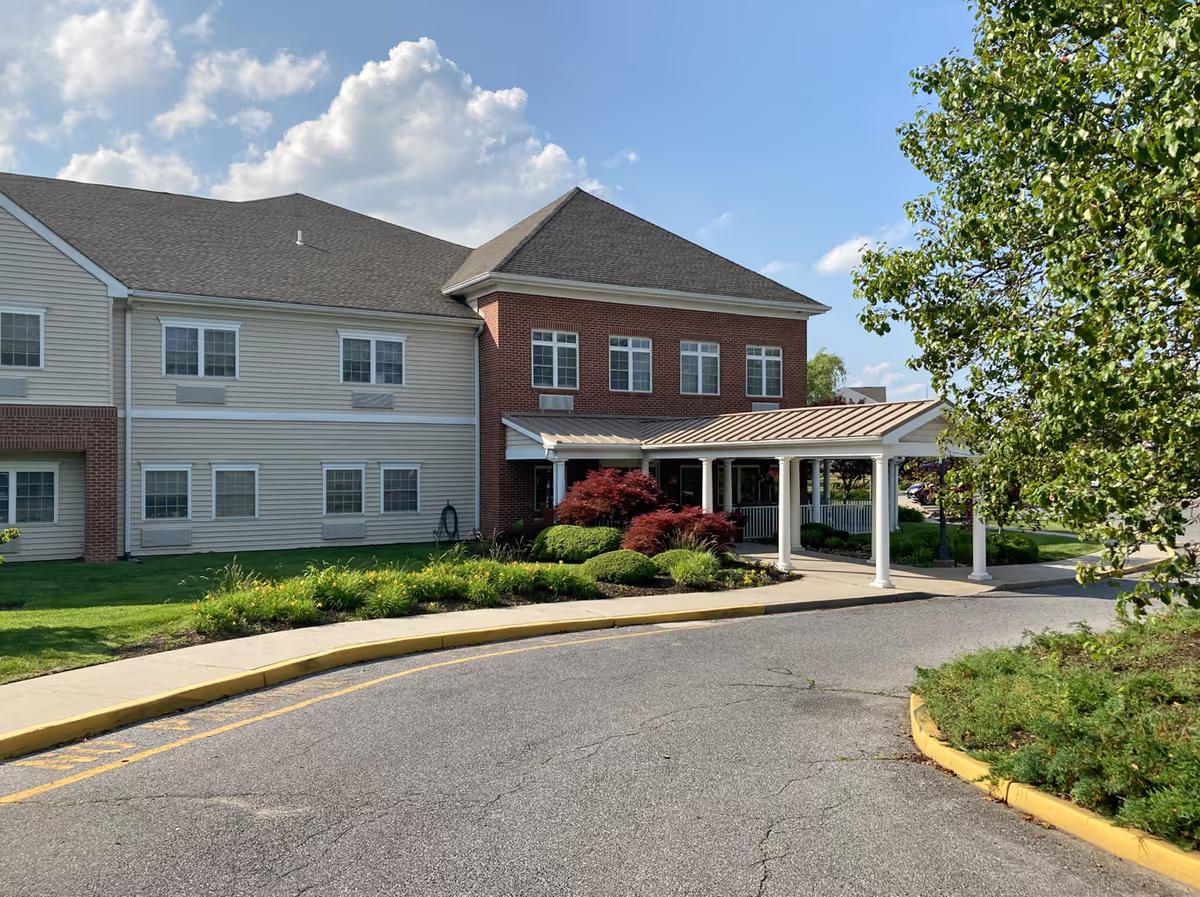
Overall impression Spring Oak at Vineland elicits broadly positive comments about staff, community life, and the physical environment, but also recurring operational concerns that prospective families should clarify during a tour. Many families describe compassionate, attentive caregivers and administrators who are responsive and helpful. The campus is frequently characterized as clean, bright, and well kept, with updated apartment-style rooms, an interior courtyard, one-floor accessibility, and pleasant dining spaces that contribute to a homelike atmosphere.
Care and staff A consistent strength is the quality of front-line care: reviewers repeatedly highlight staff members who provide respectful, dignified treatment, strong emotional support, and active engagement with residents—particularly in the designated memory-care unit where named caregivers were praised. There are also positive notes about hospice support and family-focused care coordination. However, reviewers also raised operational concerns: staffing levels and coverage are perceived as inconsistent at times, which can affect responsiveness to resident needs. Related themes include gaps in supervision protocols (leading to unsupervised exits in isolated cases) and inconsistencies in medication preparation and timing. Nighttime behavioral supports (for example, handling sundowning) are described as variable, and families should discuss staffing patterns and overnight supports when considering placement.
Dining and activities Dining is often described as customizable and accommodating, with a pleasant cafeteria and staff willing to adapt meals. At the same time, comments about uneven food quality appear across accounts, so prospective residents may want to sample meals and ask about menu rotation and dietary accommodations. Activities are a clear positive: the community offers crafts, holiday programming, group projects, day trips, and an active social calendar that many families find promotes independence and social engagement. That said, activity offerings and physical program space appear uneven—memory-care residents and some other areas are described as having fewer activities or limited craft space, which can reduce engagement opportunities for certain residents.
Facilities and maintenance The facility presents as bright, updated, and pleasant in many areas, with large windows, new-looking rooms, and attractive grounds. Yet there is variability in condition across the campus: while common areas and some units are well maintained, other reports describe maintenance shortfalls such as appliance and ceiling issues and localized sanitation or pest-control concerns. This contrast suggests non-uniform capital- and maintenance-investment; families should inspect specific units and ask about recent and planned repairs, pest-control protocols, and preventive-maintenance schedules.
Management and notable patterns Administrative staff receive frequent praise for being informative, polite, and responsive; several families singled out admissions and community-relations staff for excellent customer service. Conversely, there are also accounts of poor communication tone and problematic conflict-resolution (including hostile emails and unmet promises), which have eroded trust for some families. A recurring perception among a subset of reviewers is that operational or financial considerations can take precedence over individualized care needs. Given the mix of strong staff relationships and operational issues, prospective residents and families should verify written care plans, medication-management procedures, supervision policies (including elopement prevention and nighttime staffing), meal-sampling options, and maintenance records prior to committing.
Bottom line Spring Oak at Vineland demonstrates many characteristics families look for—compassionate caregivers, active programming, attractive living spaces, and engaged administrative staff—but also shows variability in operational consistency (staffing, supervision, medication handling, food quality, and maintenance). The facility may be an excellent fit where direct-care relationships and community programming are prioritized, provided families confirm how the facility addresses the operational concerns noted above. During a visit, ask specific, documented questions about overnight staffing and behavioral supports, medication protocols, maintenance history, pest-control measures, and guarantees around communication and dispute resolution.