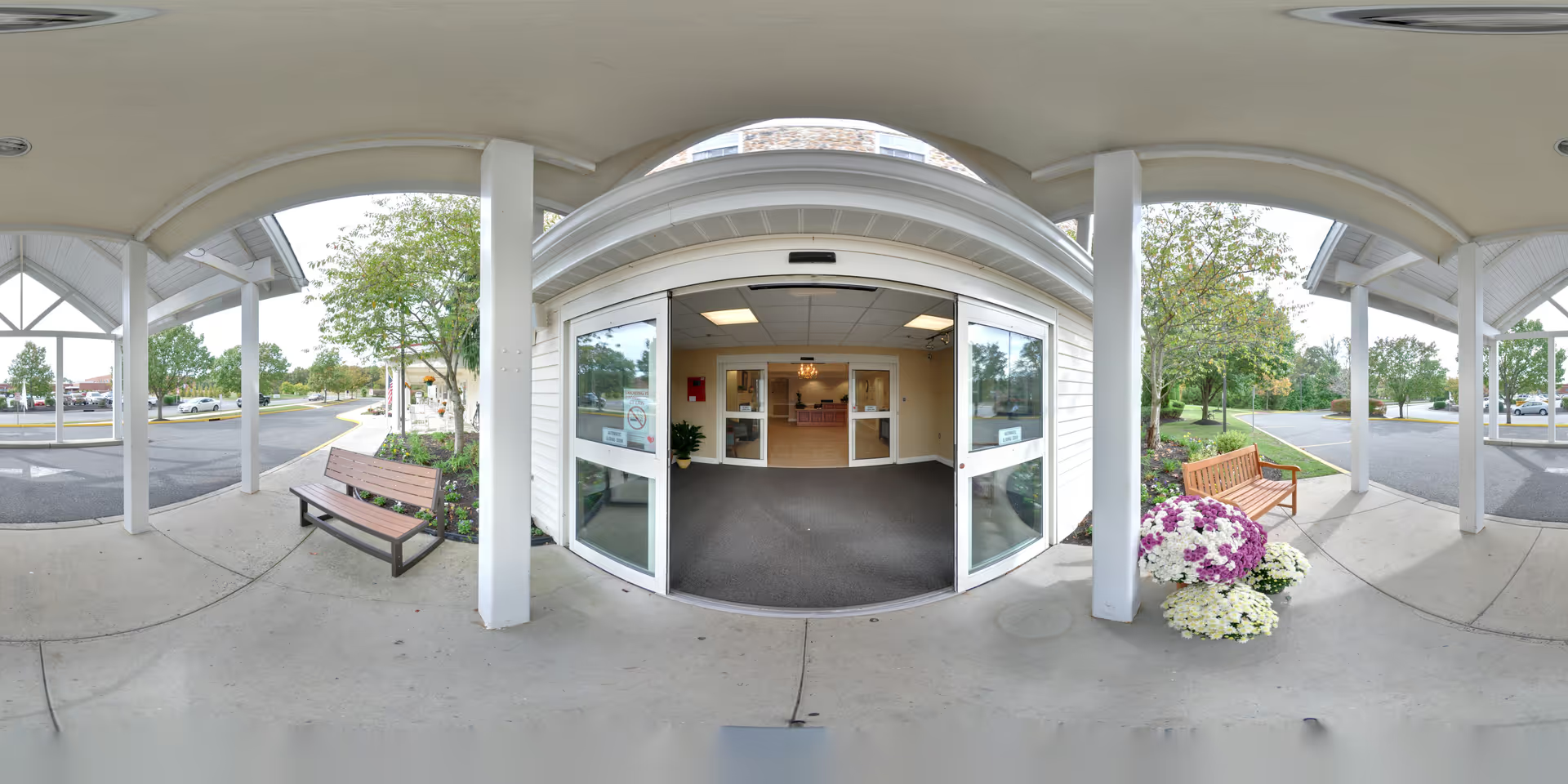
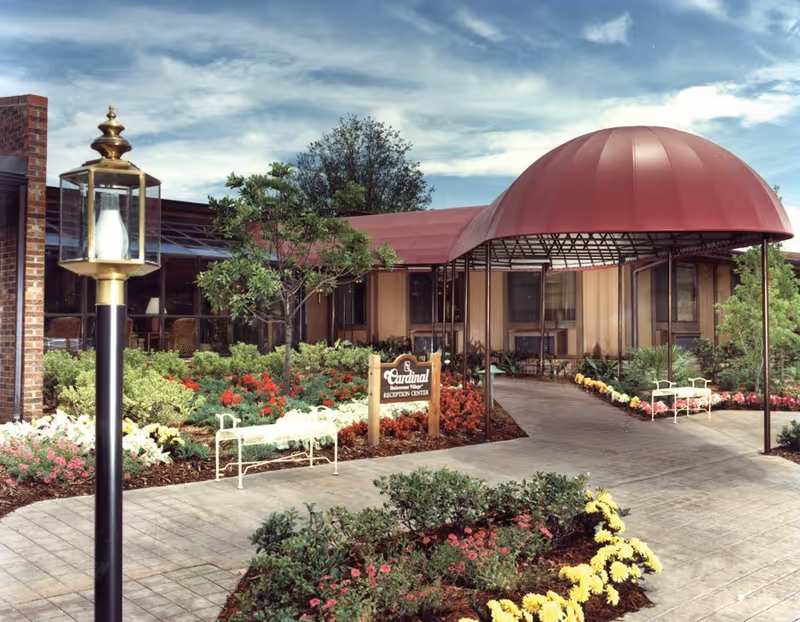
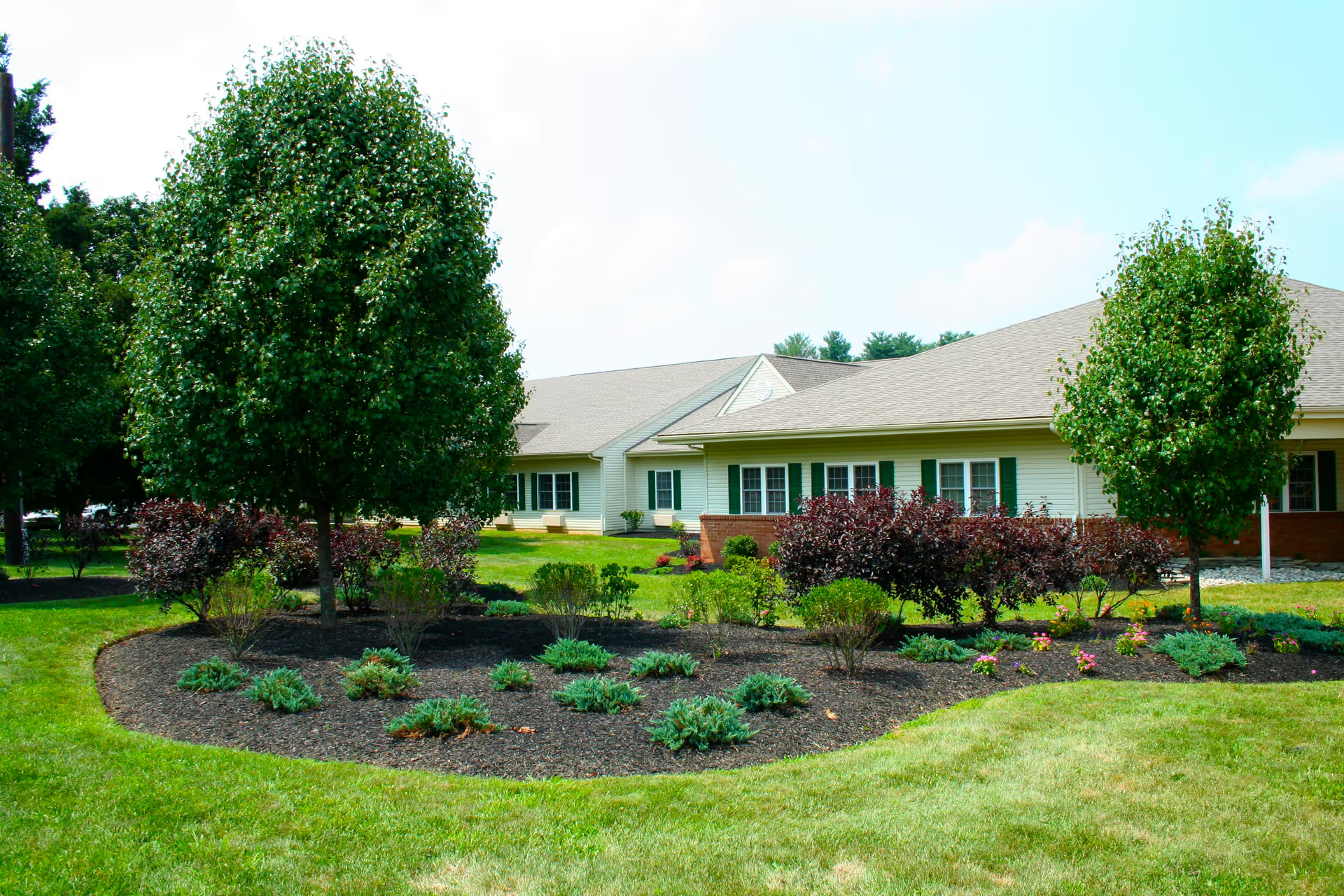
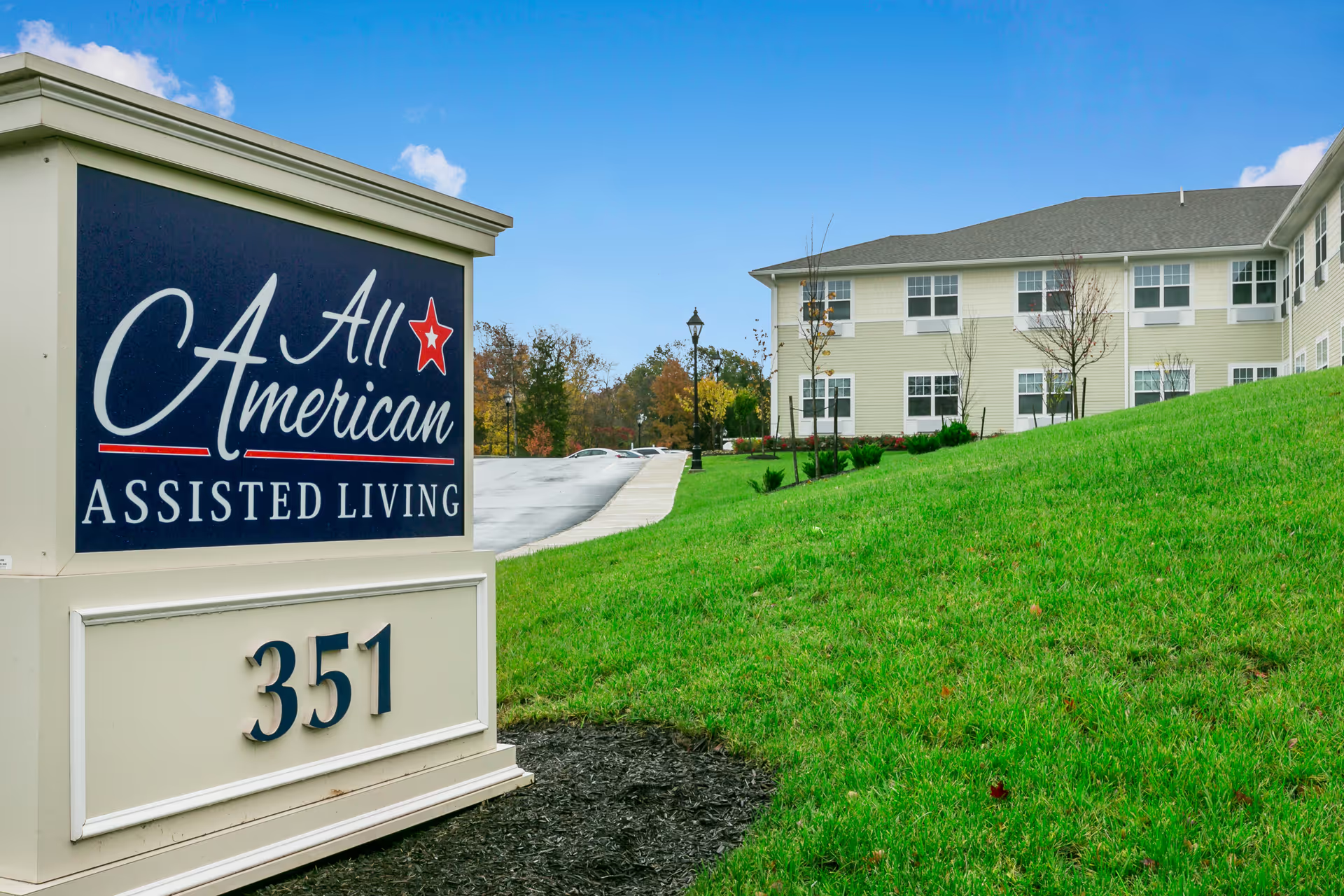
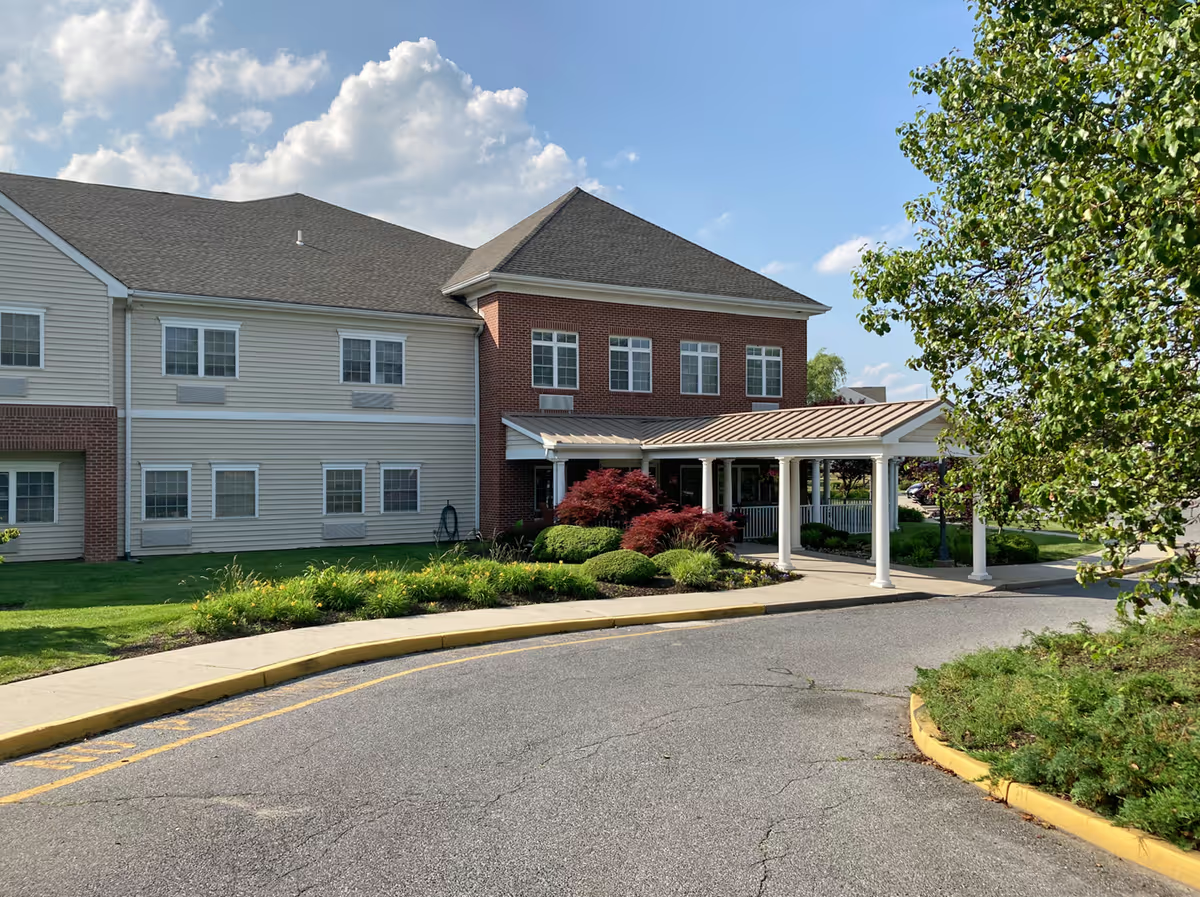
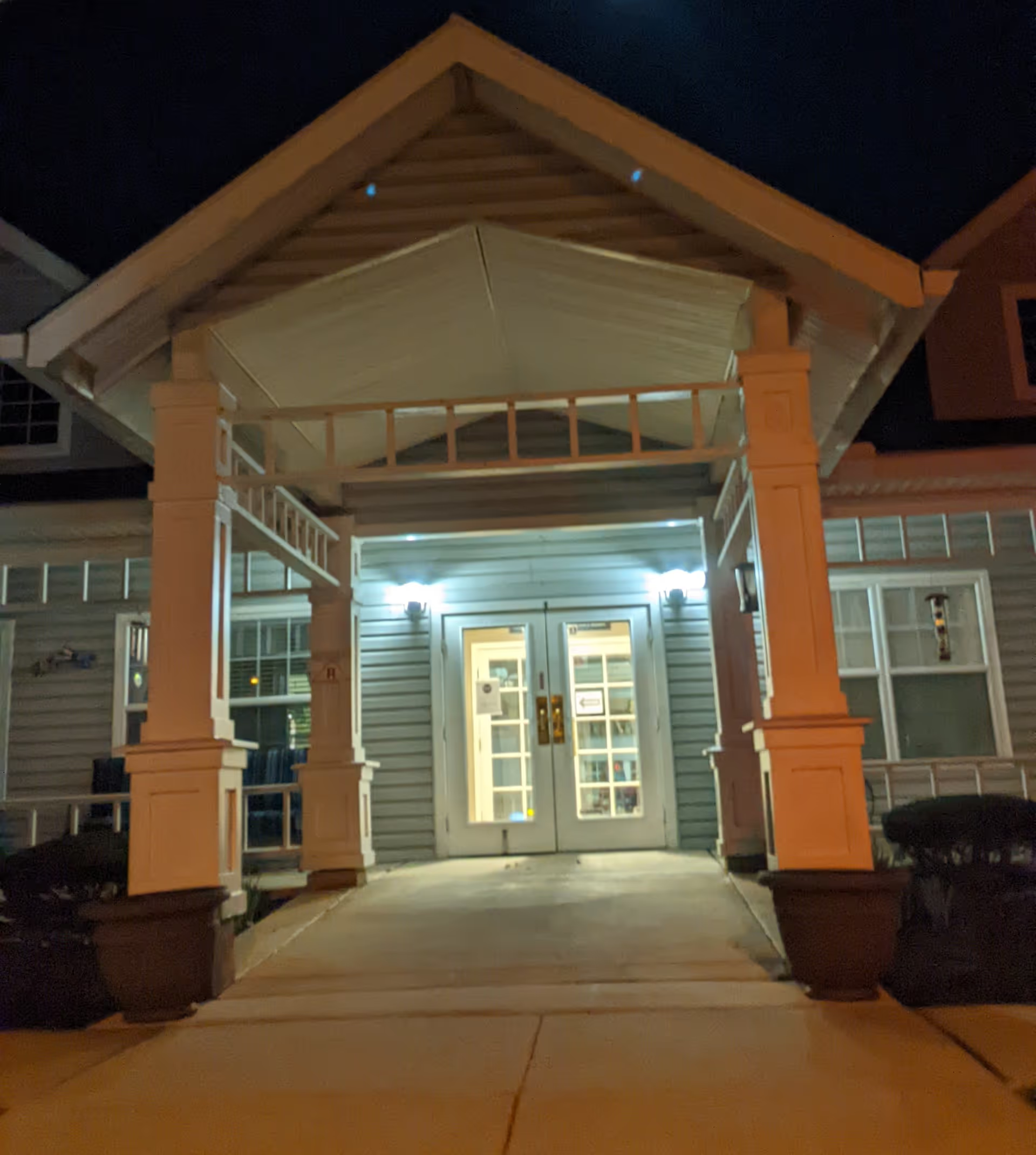
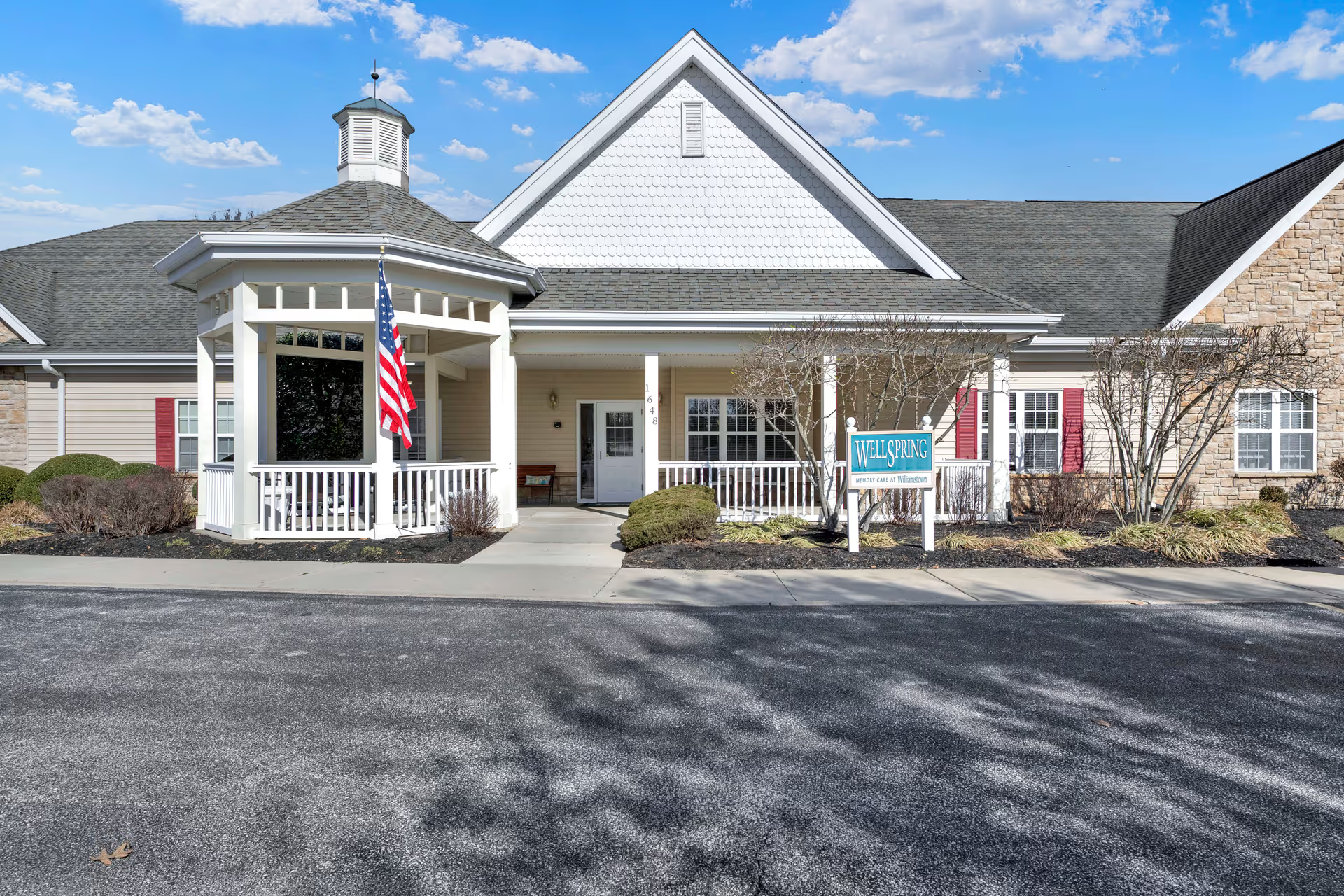
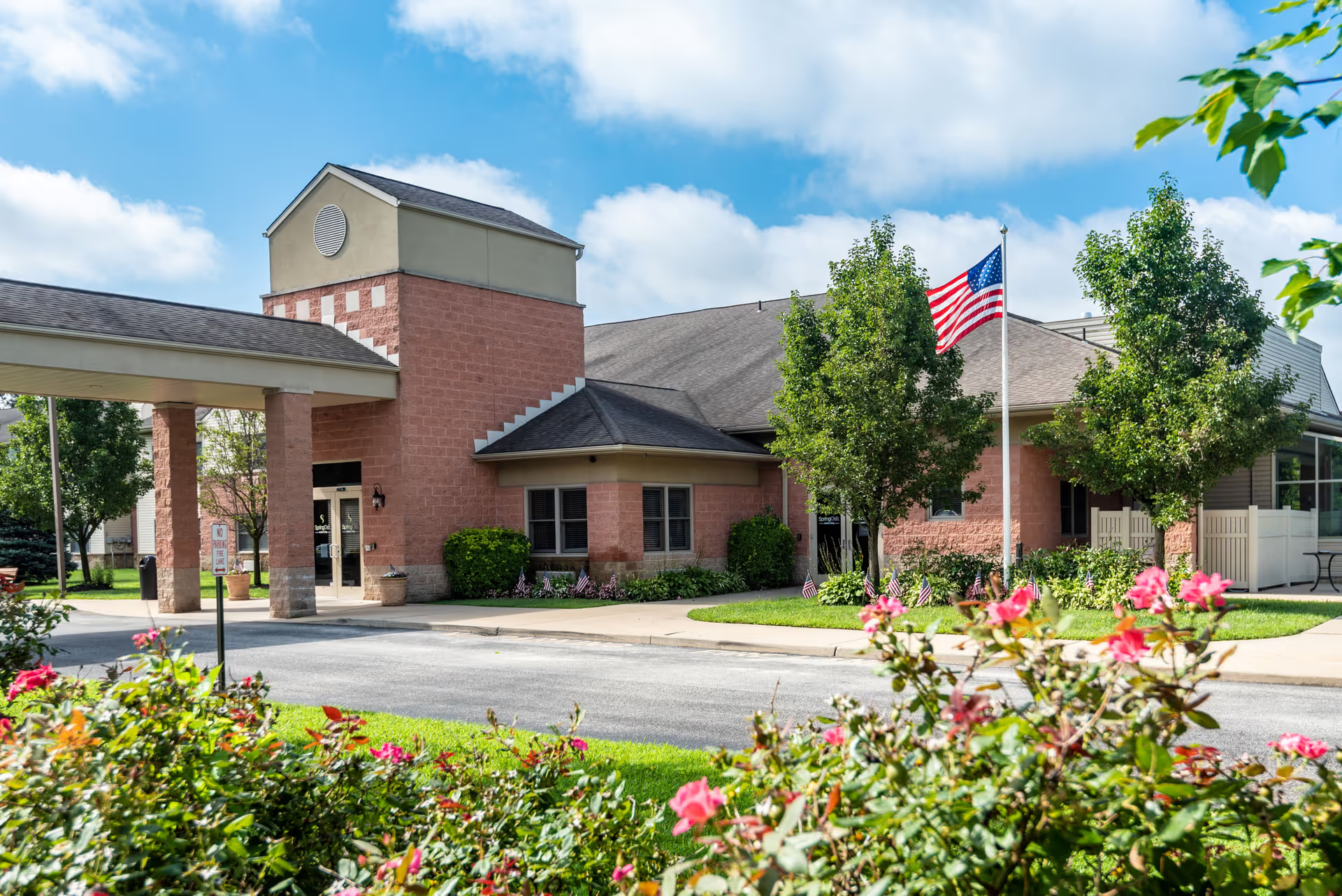
Overall impression Juniper Village at Washington Square is consistently described as a clean, modern, and well-appointed senior living community with a broad amenity set and an active social environment. Many reviews emphasize the facility’s contemporary design, range of communal spaces, and hotel-like presentation. Families commonly cite peace of mind, a welcoming atmosphere, and visible efforts to create a home-like environment across independent, assisted, and memory-care neighborhoods.
Care and staff A dominant theme across reviews is the quality of direct care: nursing staff, CNAs, and aides are repeatedly characterized as compassionate, attentive, and willing to go beyond routine duties. Memory-care staffing in particular receives positive mention for dedication and consistent engagement with residents. Reviewers also highlight effective family communication from staff during care transitions and at end of life, noting timely updates and empathetic interactions. At the same time, reviewers describe periodic staffing shortages and turnover—especially during the facility’s rollout or transitions—which can affect continuity of assignments and resident familiarity with staff. Several comments point to gaps in management communication about those staffing changes.
Dining and nutrition The dining program is presented as a key amenity: restaurant-style meals, room-delivery options, and a range of dining spaces are cited positively. Some reviewers note proactive service elements such as hydration reminders and individualized delivery. However, dining consistency is a recurrent operational concern. Observations include uneven food quality, reduced menu choices at times, and slow dining-room service. These issues appear as ongoing pain points even where the format and presentation of meals are appreciated.
Activities and social life The activity program is a strong asset. Reviewers describe energetic and creative programming (e.g., themed days, outings, games, exercise classes, happy hours) and accessible opportunities for both group participation and quieter independent pursuits. Memory-care programming is reported to include social engagement and field trips tailored to residents. Some limitations in activity availability were noted during infection-control periods, which curtailed group options for a time.
Facilities and amenities As a largely new or recently renovated community, the facility’s physical plant receives high marks: bright, modern interiors; spacious apartment layouts; and numerous amenity spaces such as a salon, theatre, and game rooms. Grounds and public areas are described as well maintained. Practical notes include apartment variations (some units lack ground-floor access) and the presence of full-size features in certain layouts, which may influence resident choice.
Management, operations, and service issues Leadership and many front-line managers are frequently praised for professionalism and visible engagement. Conversely, operational gaps emerge across a few dimensions: communication about staffing changes, occasional billing or accounting discrepancies, and transportation/shuttle reliability. Several reviewers also emphasize cost as a consideration—residency is described as expensive relative to services for some families. Importantly, the community is not positioned as a skilled-nursing facility; families needing higher-acuity or long-term skilled nursing should plan for that limitation.
Notable patterns and guidance for prospective families Taken together, the reviews describe a community with strong person-centered care, a vibrant activity calendar, and high-quality facilities that deliver a secure, social environment—particularly well suited for independent, assisted, and memory-care residents who value engagement and amenity richness. Prospective residents and families should balance those strengths against operational considerations: inquire specifically about current staffing levels and consistency, menu options and dining service procedures, transportation schedules, billing practices, and whether the community can meet higher-acuity clinical needs. A touring visit that includes a meal service observation, a conversation about staffing continuity, and clarification of pricing/billing terms will help determine fit given the facility’s generally favorable reputation but documented operational caveats.