Complete Care at Silver Lake presents a mixed picture across reviewers. Many accounts praise the facility for its compassionate direct-care staff — CNAs, nurses, and several named caregivers receive consistent commendation for individualized attention, emotional support, and dignity-preserving care. The therapy department (PT/OT) is frequently identified as a strength: families describe meaningful functional improvements and attentive therapists who facilitate successful rehabilitations. The facility’s activity program, including sizable activity areas and outdoor spaces, is another commonly cited positive; residents appear to have access to a variety of social and faith-based programming that supports engagement.
At the same time, reviewers describe significant operational inconsistencies. Staffing levels and responsiveness are uneven: delays in call-bell response, long waits for toileting/assistance, and episodes of slow clinical attention recur in the feedback. Sanitation and odor-control practices are described inconsistently across reports — some visitors find common areas and dining rooms clean and well-maintained, while others raise sanitation concerns in resident rooms and hallways. Safety-process gaps are also mentioned, particularly around transfers and mobility-assist procedures, and there are accounts that imply fall-prevention and transfer protocols may not be reliably followed.
Communication, billing, and management oversight emerge as recurring areas of concern. Families note weak communication from the nurses’ station and administrative staff, inconsistent callbacks, and a lack of timely notification about clinical events or imaging. Several reviewers call out opaque billing practices and undisclosed medication costs; questions about Medicare/rehab documentation and discrepancies in therapy discharge notes are also noted. Leadership impressions are mixed: some describe an involved, resident-focused administrator and specific staff who improve care coordination, while others report difficulty reaching management, perceived emphasis on billing, and inconsistent follow-through from administrative staff.
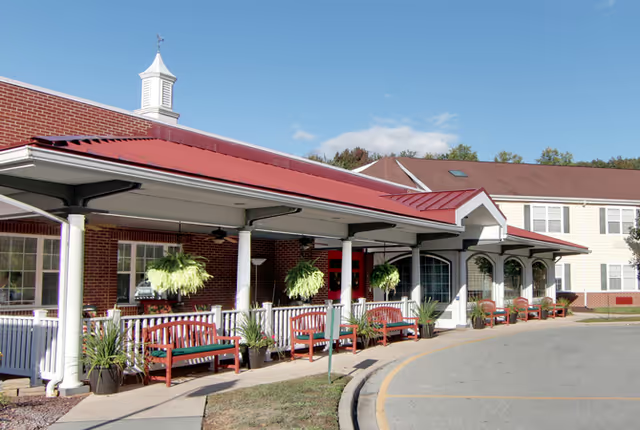
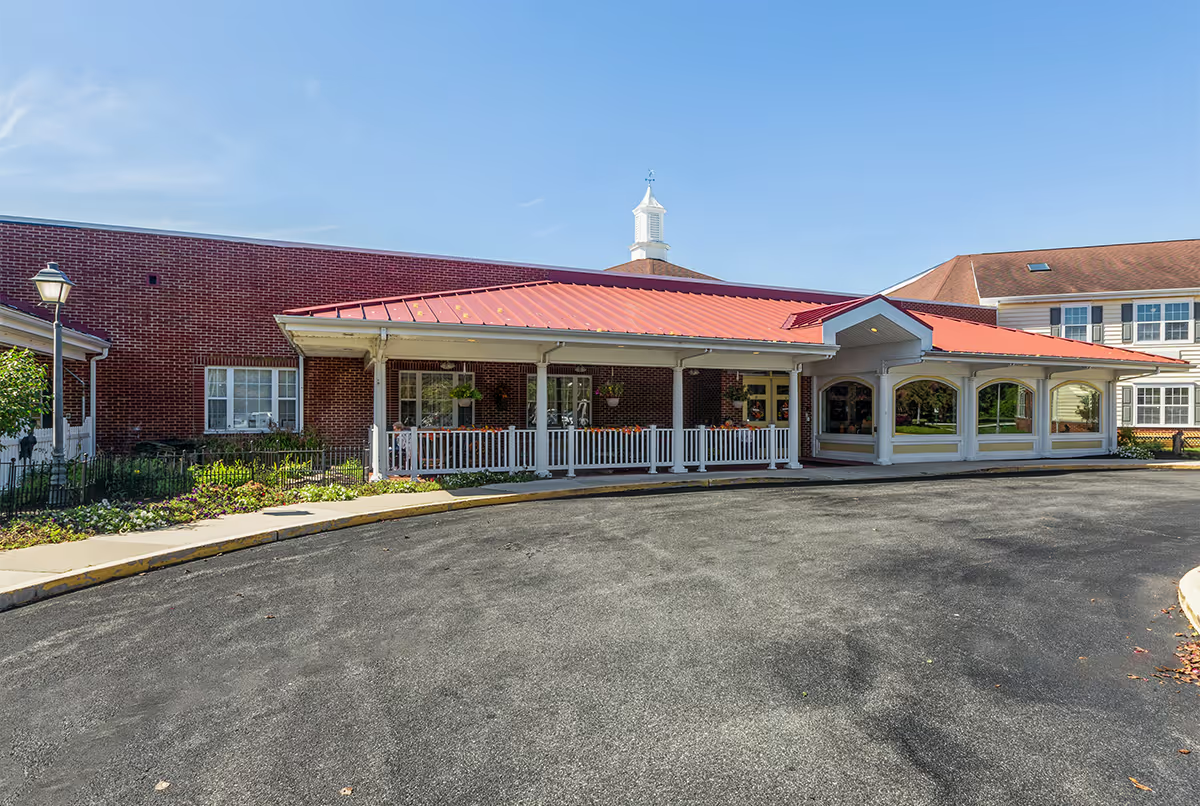
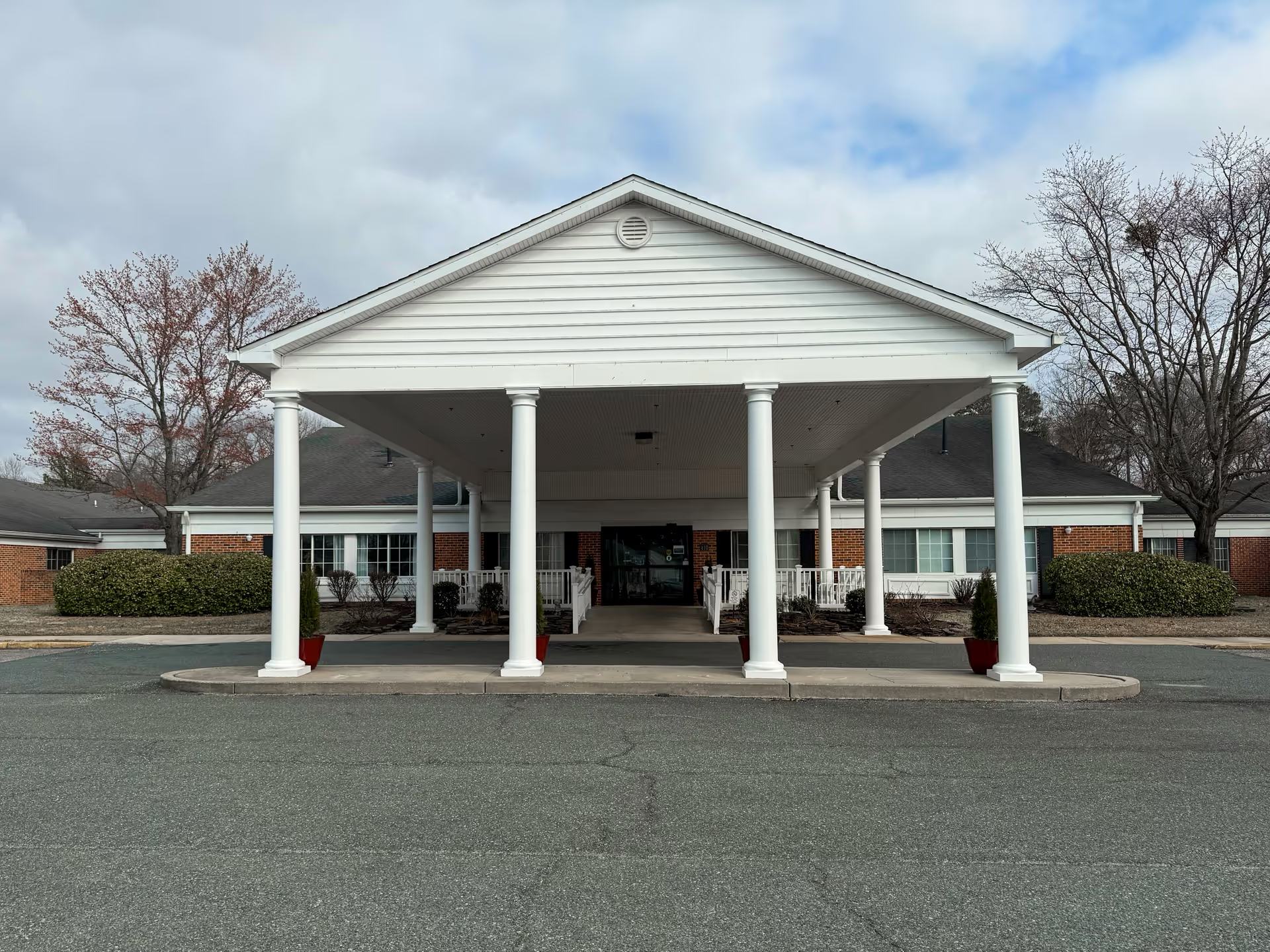
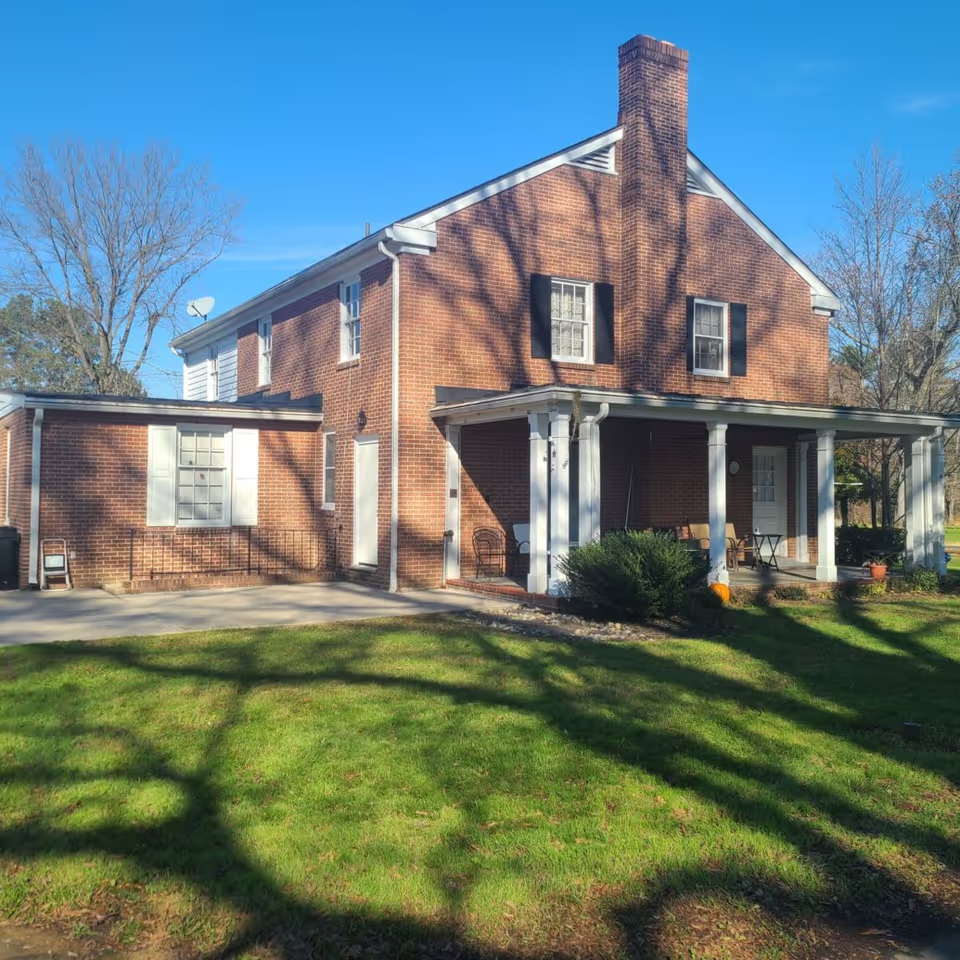
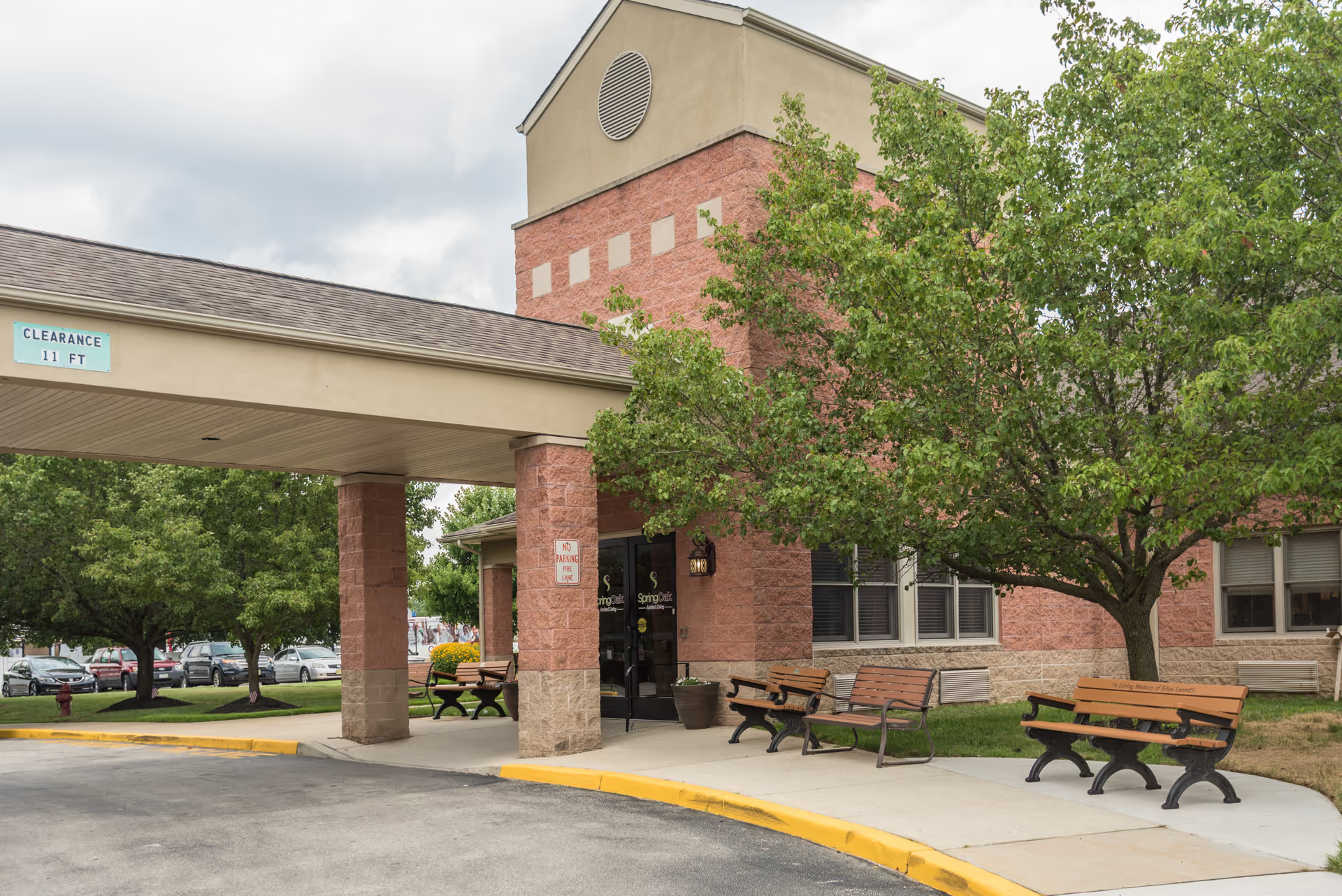
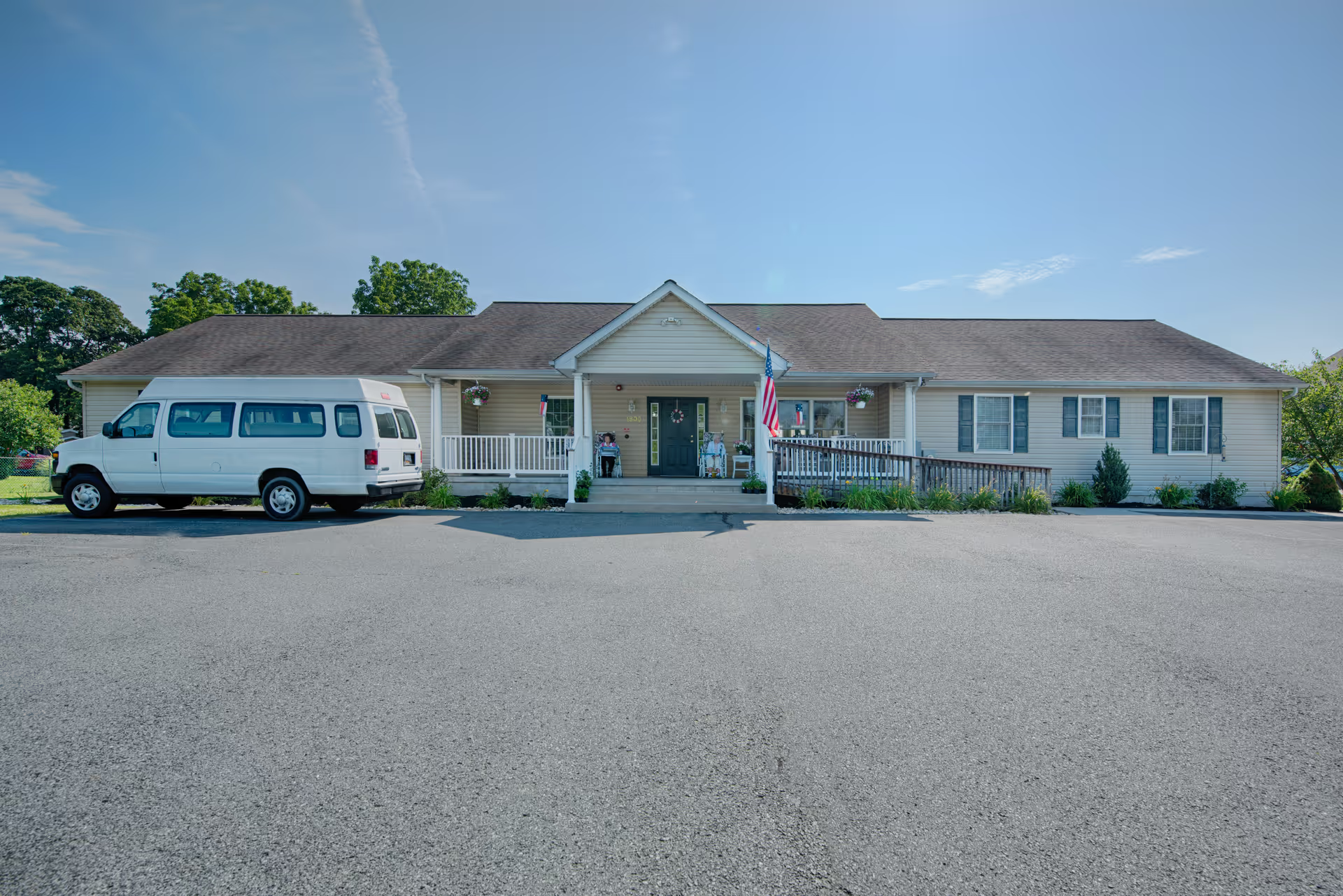
Dining and the physical environment show variability. Multiple reviewers praise the dietary staff and find the dining experience satisfactory, but others describe inconsistent meal quality. The building is characterized as older with small, hospital-like resident rooms and shared bathroom arrangements; common areas and landscaping are often well cared for, but room size and privacy limitations are an enduring facility characteristic. Visitor access practices and security checks also receive attention as an operational gap to clarify during any visit.
Notable patterns for prospective residents and families: many individuals experienced high-quality, compassionate hands-on care and effective therapy that improved function and well-being. Conversely, a pattern of inconsistent operational practices — staffing, sanitation, communication, documentation, and billing transparency — suggests the facility’s experience can vary substantially by unit, shift, and specific staff on duty. When evaluating Complete Care at Silver Lake, families should prioritize an in-person tour at different times of day, ask for current staffing levels and ratios, review sample therapy documentation and discharge plans, request a clear written explanation of billing and medication charges, and clarify management escalation procedures for clinical and safety concerns.