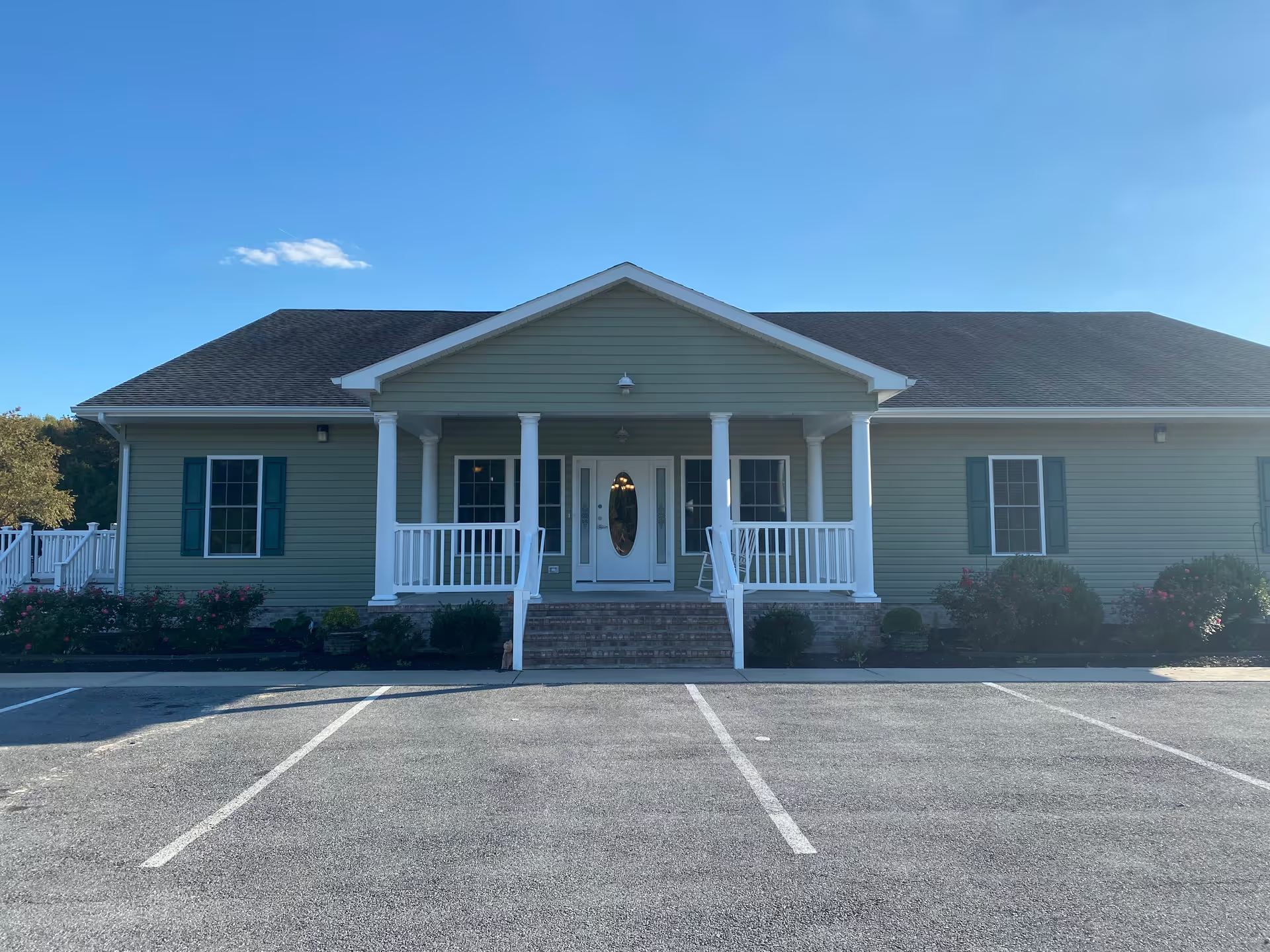
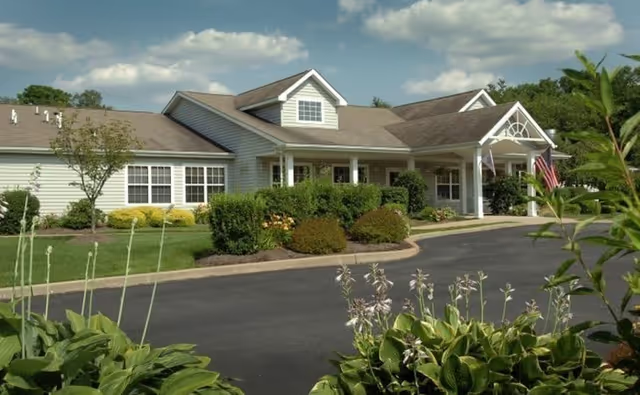
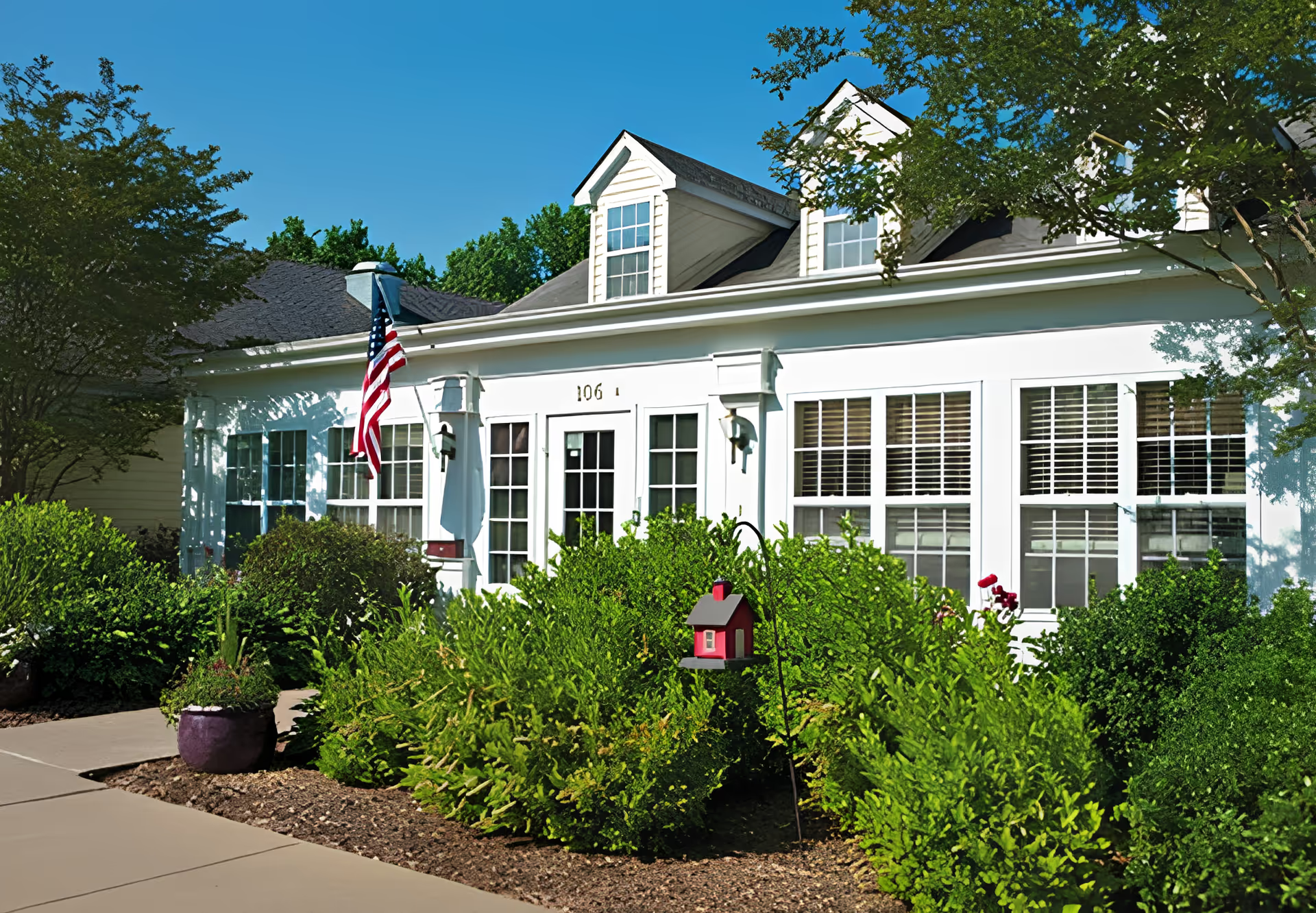
Overall impression: Reviews present a facility with many strengths in staffing culture and rehabilitation services alongside recurring operational weaknesses. Staff compassion, strong OT/PT therapy, dementia programming, and a welcoming admission process are frequent positives; families commonly describe a friendly front desk, engaging activities, and clean, pleasant common areas. The building’s single-story design, secure location, and a sense of a family-style environment are also cited as advantages for prospective residents.
Care quality and clinical issues: Clinical care is described unevenly. Numerous accounts praise attentive, compassionate nursing and caregiving, and therapy services are frequently singled out as excellent. However, several reviewers described serious lapses in clinical procedure and wound/tube care that required higher-level care. The pattern suggests strengths in rehabilitative and day-to-day supportive care but potential gaps in adherence to more complex clinical protocols and follow-up. Prospective families should ask specifically about wound-care pathways, feeding-tube procedures, and clinical oversight during tours.
Staffing and responsiveness: Many reviews emphasize helpful, polite, and dedicated staff who foster socialization and resident comfort. At the same time, others note variable responsiveness — including delays attending to call bells, inconsistent bedside manners, and occasional conduct/harassment issues with management response described as unsatisfactory. There is also evidence that changes in administration have affected staffing and morale; some accounts indicate improvement under new leadership while others express ongoing concerns about managerial engagement.
Dining and daily living: Experiences with meals are mixed. Some families describe pleasant meals and comforting food; others point to inconsistent quality (for example, cold items) and instances where residents lacked mealtime assistance. Activity offerings receive generally positive remarks — crafts, outings, and social programs help resident engagement — but long-term residents may find activity variety uneven. Vending-machine and vendor billing issues, including duplicate charges or items not delivered, indicate weaknesses in vendor oversight and resident-property controls.
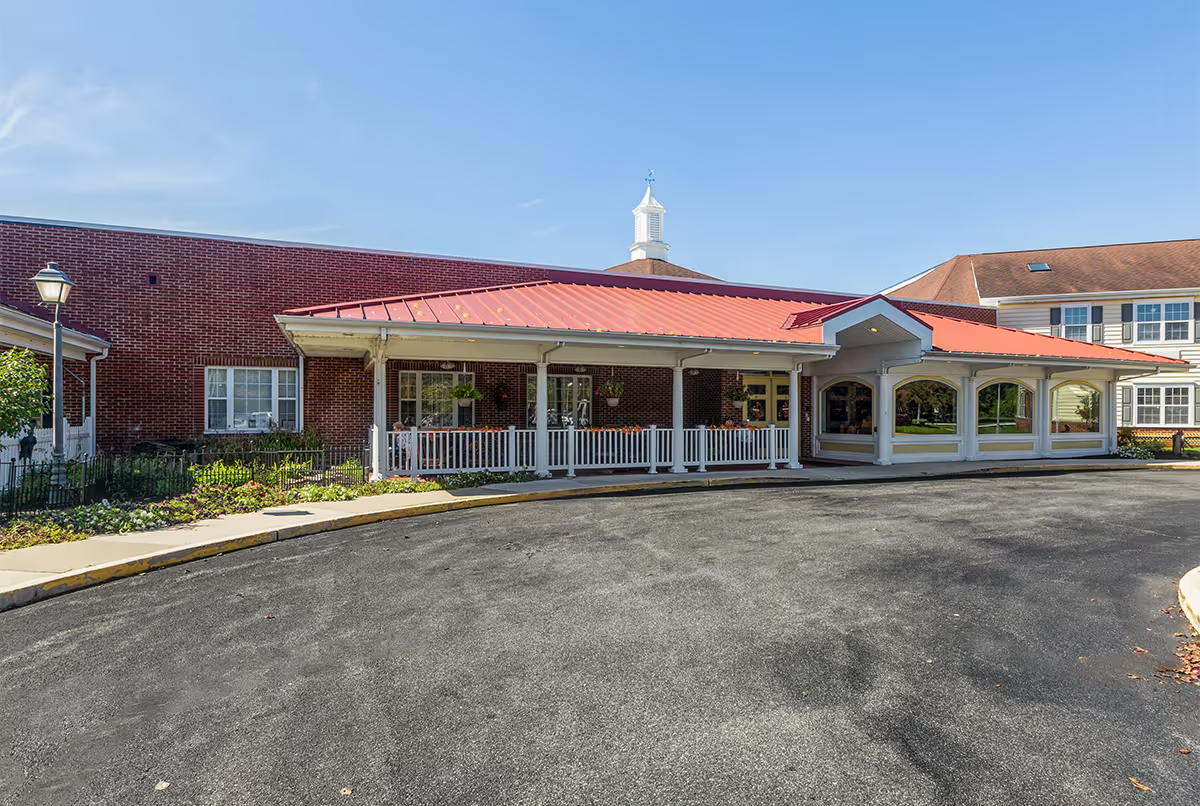
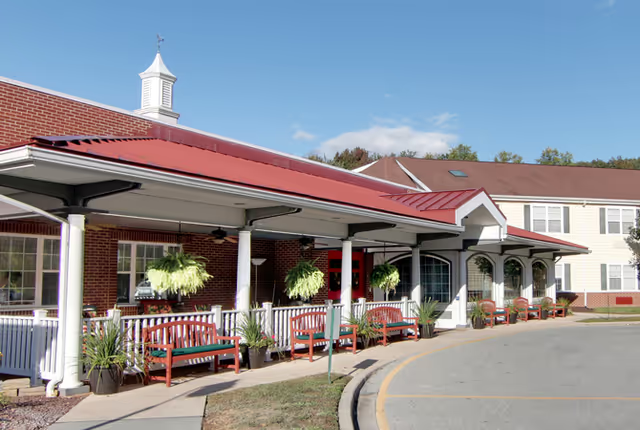
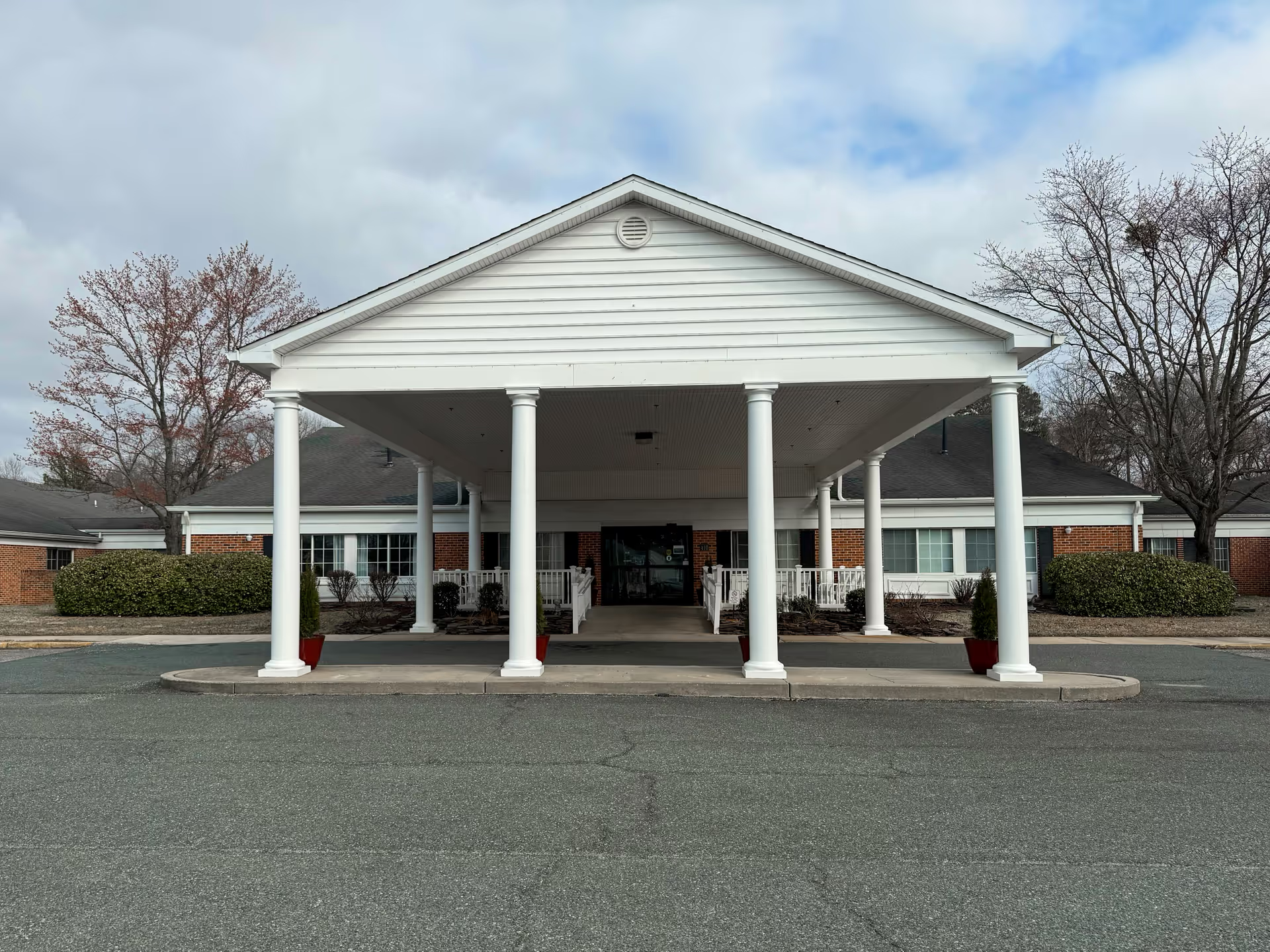
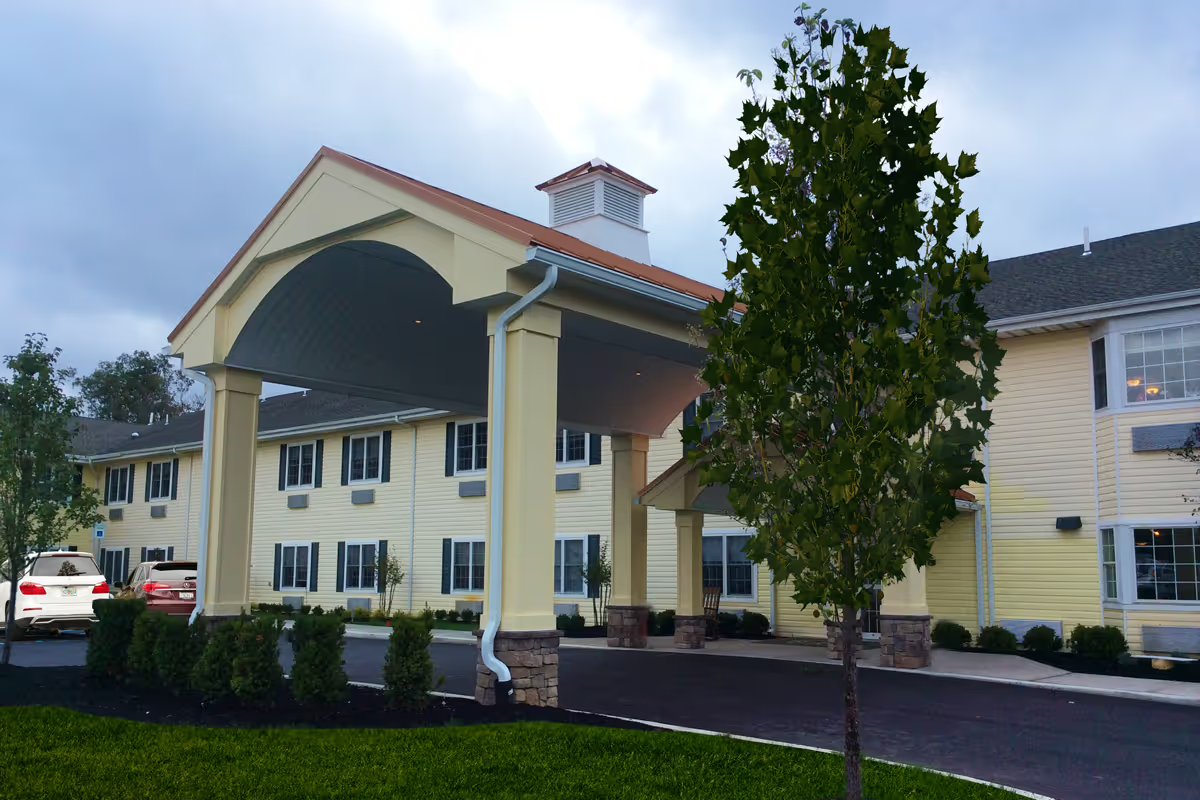
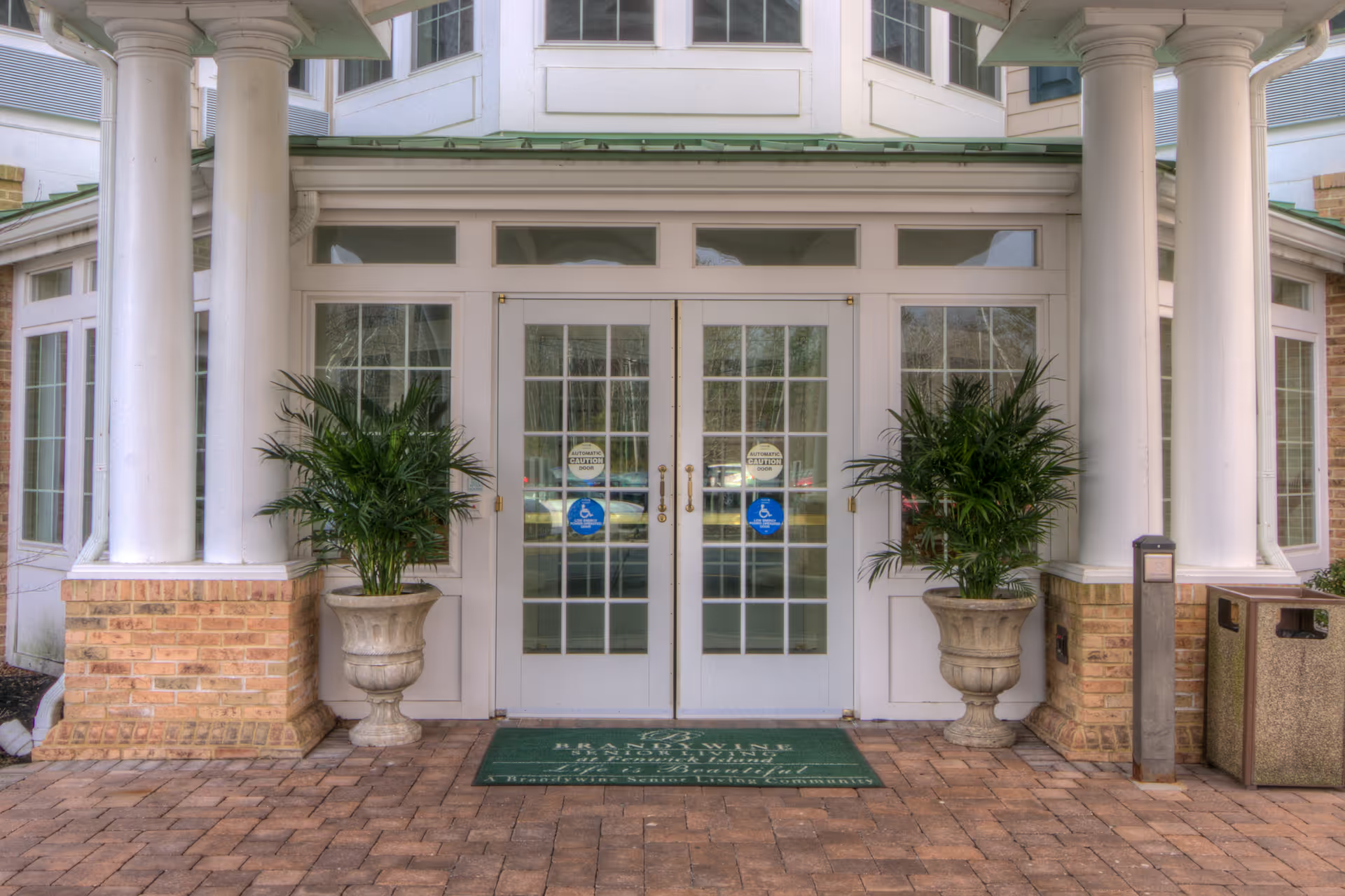
Facilities and maintenance: Common areas are often described as clean and well-maintained, with a welcoming aroma and neat interior. Conversely, the building shows signs of aging: outdated fixtures, window and wall concerns, tight room footprints, and some exterior sidewalk maintenance needs. These infrastructure items contribute to perceptions of limited private space and affect assessments of value for cost.
Management, value, and notable patterns: There is a clear pattern of high interpersonal commitment from many staff members paired with inconsistent operational reliability. Reviewers expressed value-for-cost concerns, citing higher fees that do not always align with the level of clinical reliability or room-level housekeeping. Isolated but serious incidents involving clinical-care failures and financial/property handling have been described; while these are not uniformly reported, they are significant enough that families should investigate them directly.
Practical guidance: For prospective residents and families — arrange an in-person tour that includes conversations with nursing leadership and therapy staff; request written policies on wound and feeding-tube care, incontinence management, and staffing ratios; review recent inspection reports and complaint histories; ask about housekeeping schedules and vendor/billing controls; and seek references from current families, particularly those with long-term residents or dementia care needs. This facility offers many relational and rehabilitative strengths, but careful due diligence is warranted to confirm clinical consistency and operational reliability.