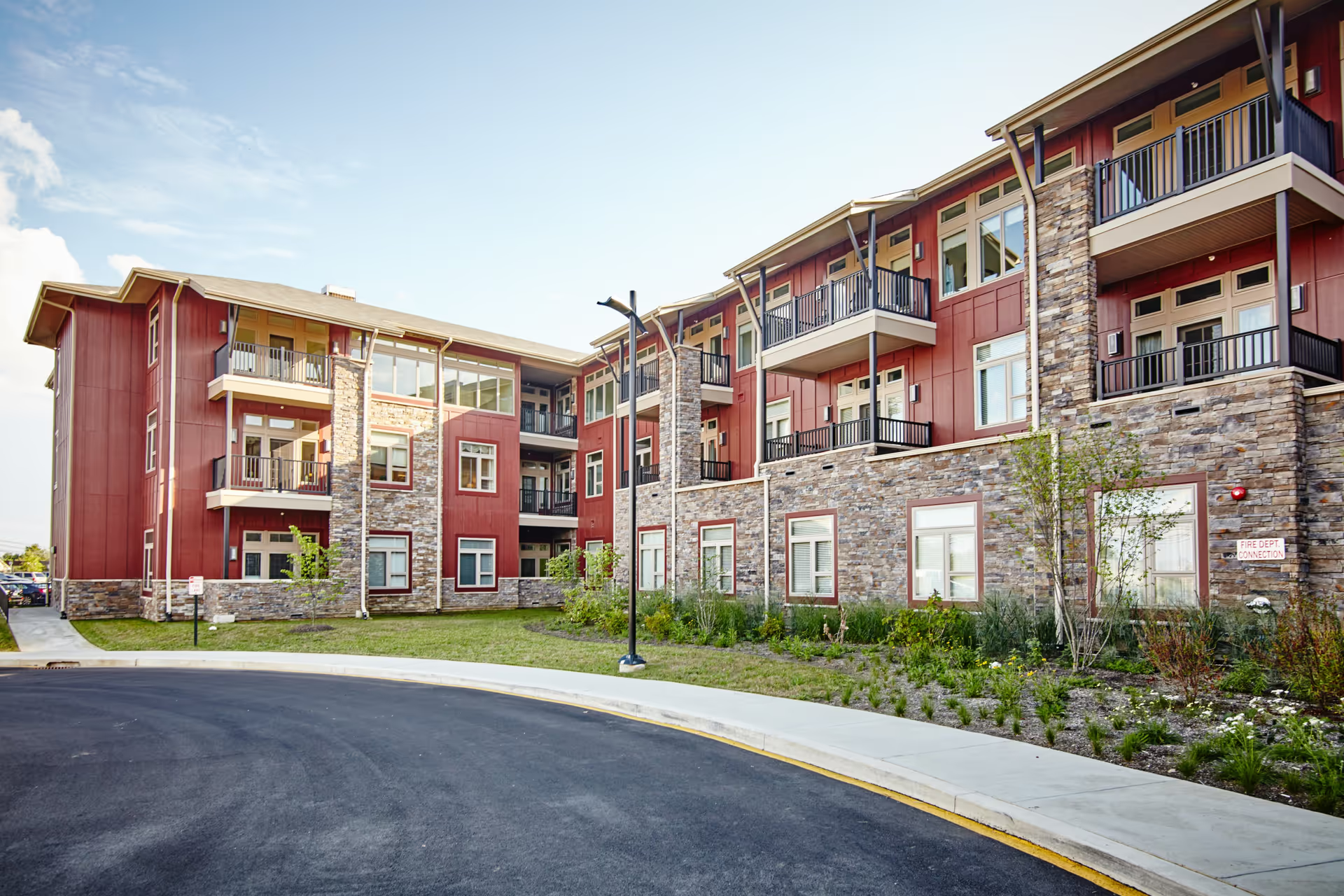
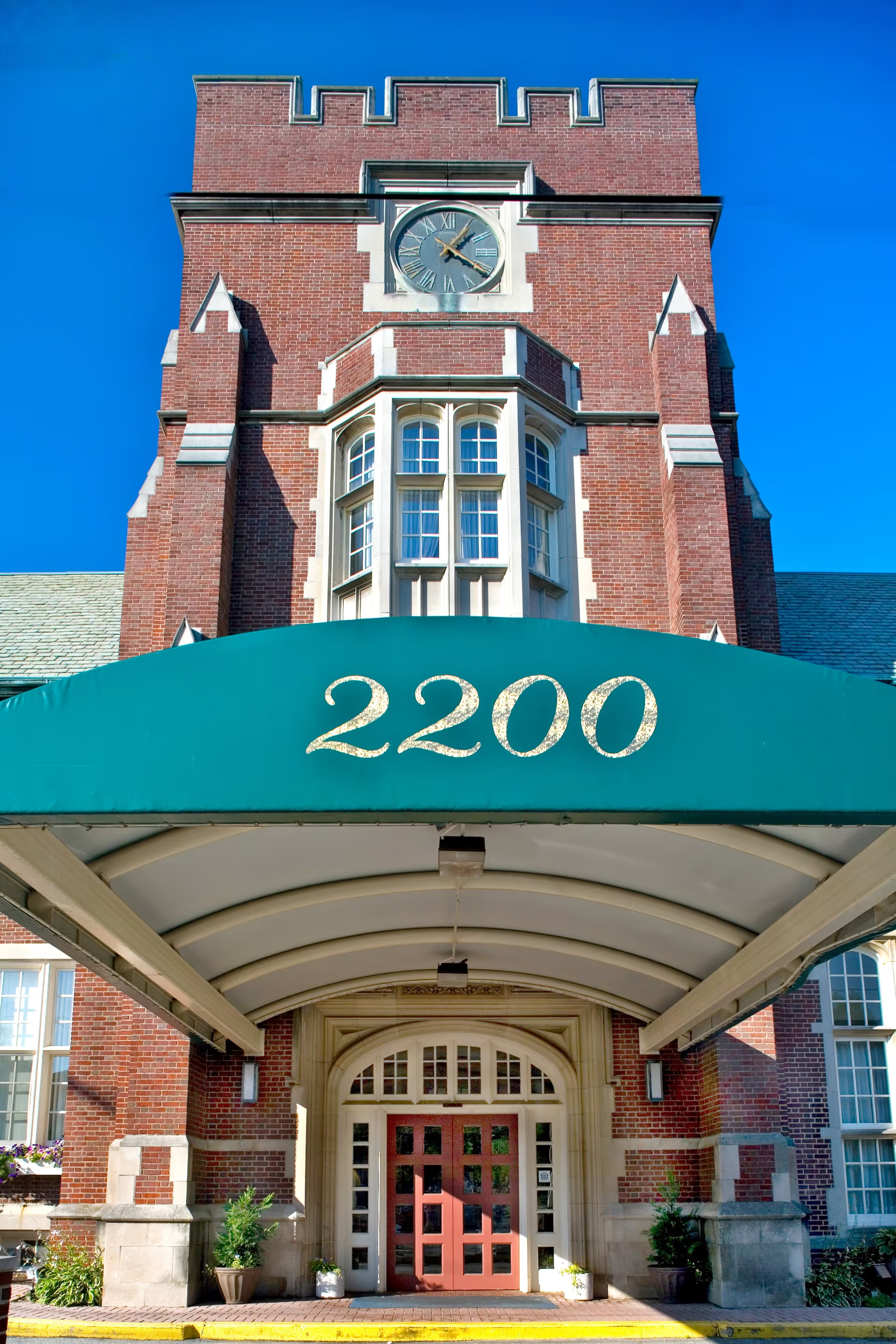
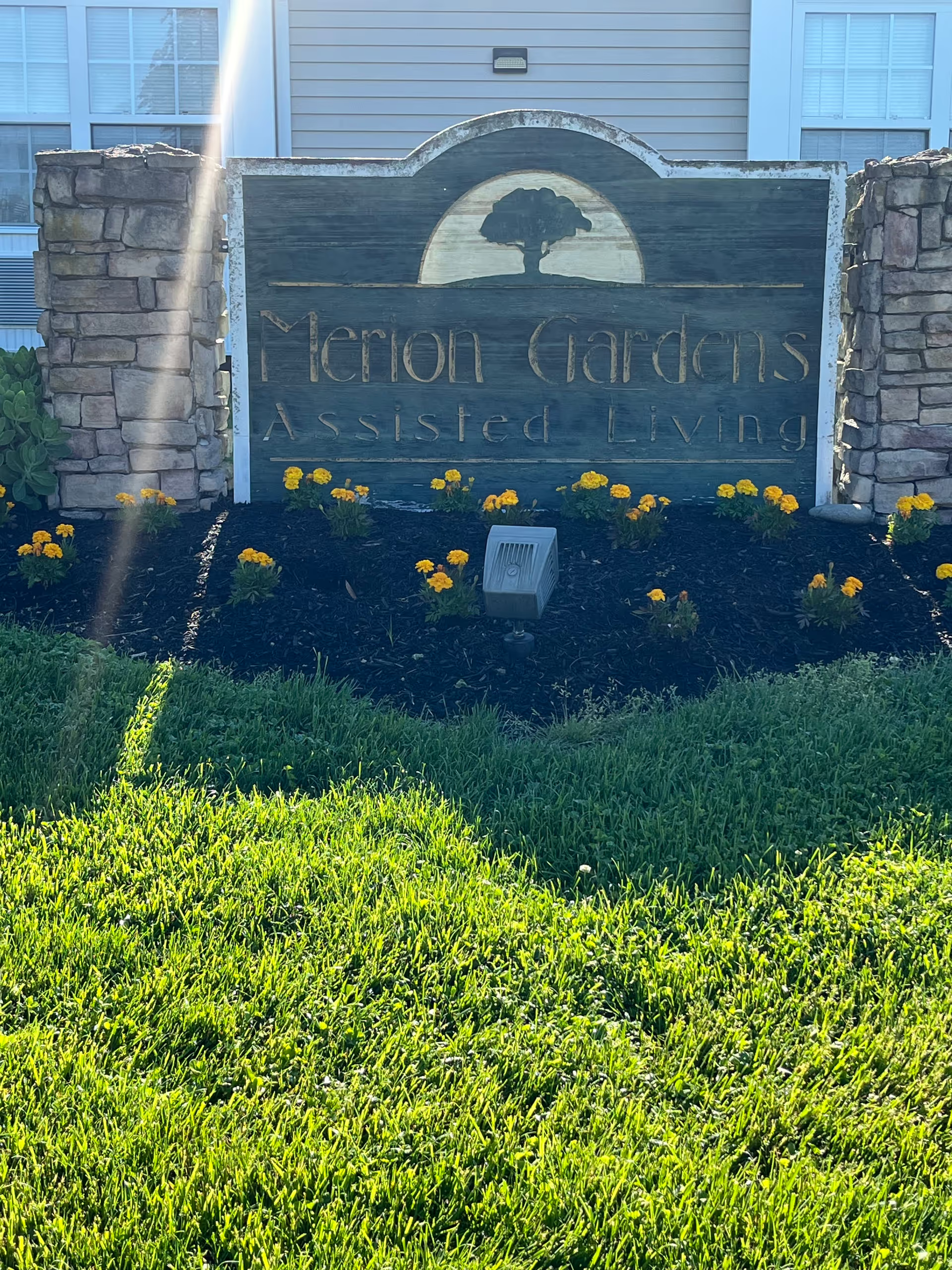
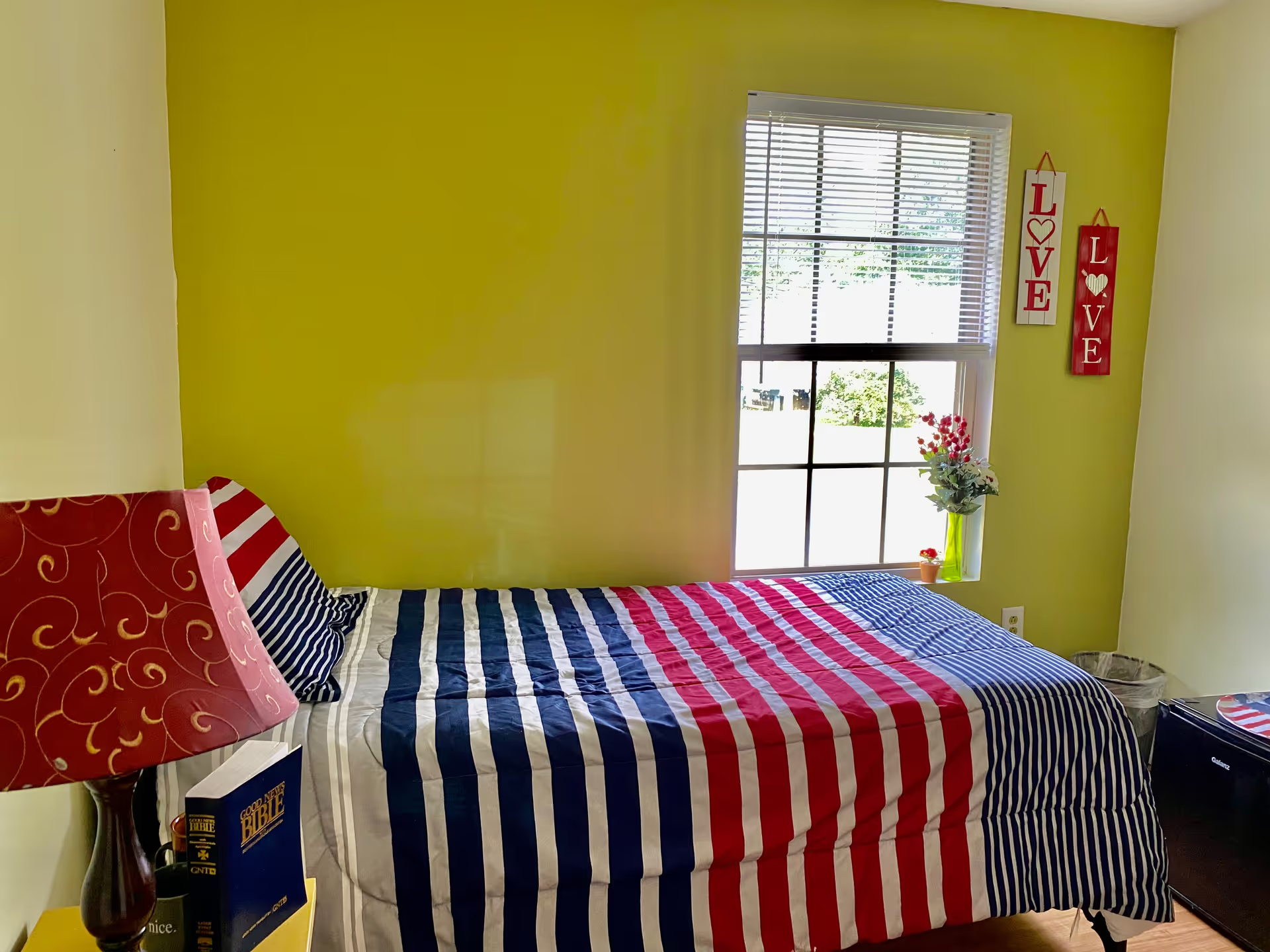
Overall impression is mixed: reviewers describe a community with genuinely caring and attentive frontline staff and a pleasant atmosphere, while also identifying several operational weaknesses that affect day-to-day resident experience. Positive comments focus on the demeanor and effort of nursing and caregiving staff, and on a smooth, welcoming admissions/tour process and organized on-site events. These strengths suggest the facility can provide warm interpersonal care when staffing and systems are functioning well.
Care quality and staff: Many comments praise individual caregivers and nurses for being compassionate and going beyond basic duties to meet resident needs. At the same time, there are recurring concerns that staffing levels and staff deployment are inconsistent; higher resident-to-aide ratios and operational disorganization appear to limit how reliably staff can respond to routine needs. These dynamics create a pattern where staff conduct and dedication are seen as strengths, but system-level constraints reduce consistency of care. Reviewers also noted occasions of delayed responsiveness from leadership when problems were raised, indicating gaps in administrative follow-up.
Dining and nutrition: Reviewers indicated inconsistent meal service in both timing and quality, with specific concerns about slow service, cold meals, and episodes that could contribute to unintentional weight loss. These items point to weaknesses in meal-service continuity and nutritional monitoring rather than isolated culinary preference differences. Inventory and supply-management gaps—including running out of basic items—further compound dining and personal-care experiences.
Activities and admissions: The facility receives positive feedback for its admissions process and community engagement. Tours were described as well organized and welcoming, and events appear to be structured and managed effectively. These aspects reflect strengths in resident orientation and social programming.
Facilities and maintenance: Comments indicate maintenance and environmental-control issues, including remediation activities that generated noise and disruption and at least one water-related event that affected operations. Such occurrences suggest opportunities for improved emergency response, remediation planning, and communication during facility repairs. Laundry and personal-item handling were noted as unreliable in some instances, highlighting a need for stronger operational controls in support services.
Management and notable patterns: A consistent pattern across feedback is a contrast between compassionate frontline staff and weaknesses in systems and management that impair consistent delivery of services. Key operational themes are staffing consistency, inventory management, meal-service reliability, laundry/process controls, and timeliness of administrative responsiveness. Prospective residents and families should consider asking about current staffing ratios, contingency plans for maintenance events, procedures for nutritional monitoring, laundry protocols, and how leadership documents and resolves family concerns.