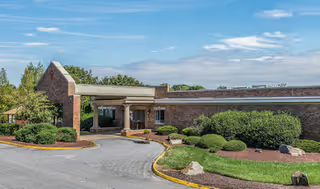
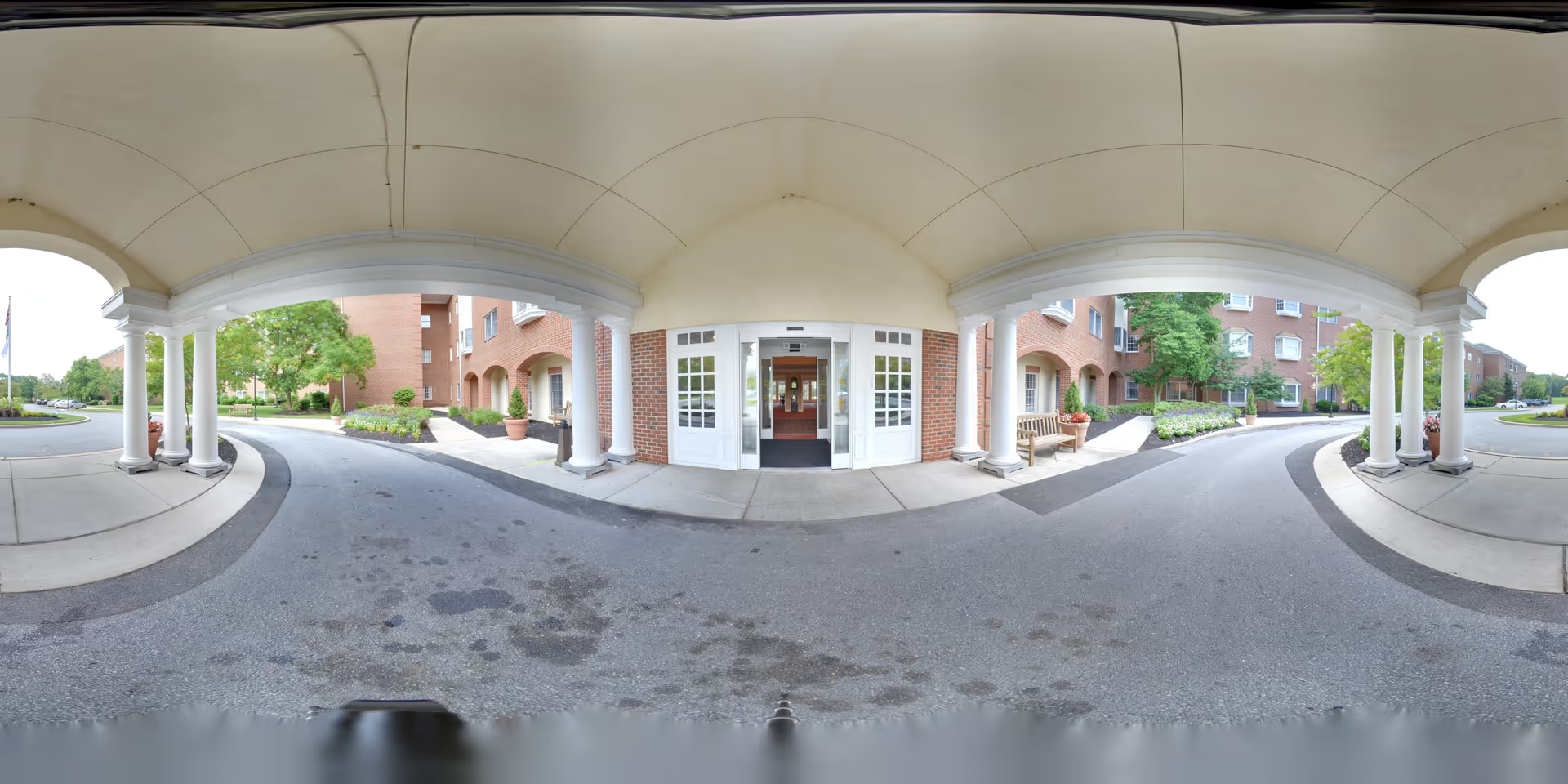
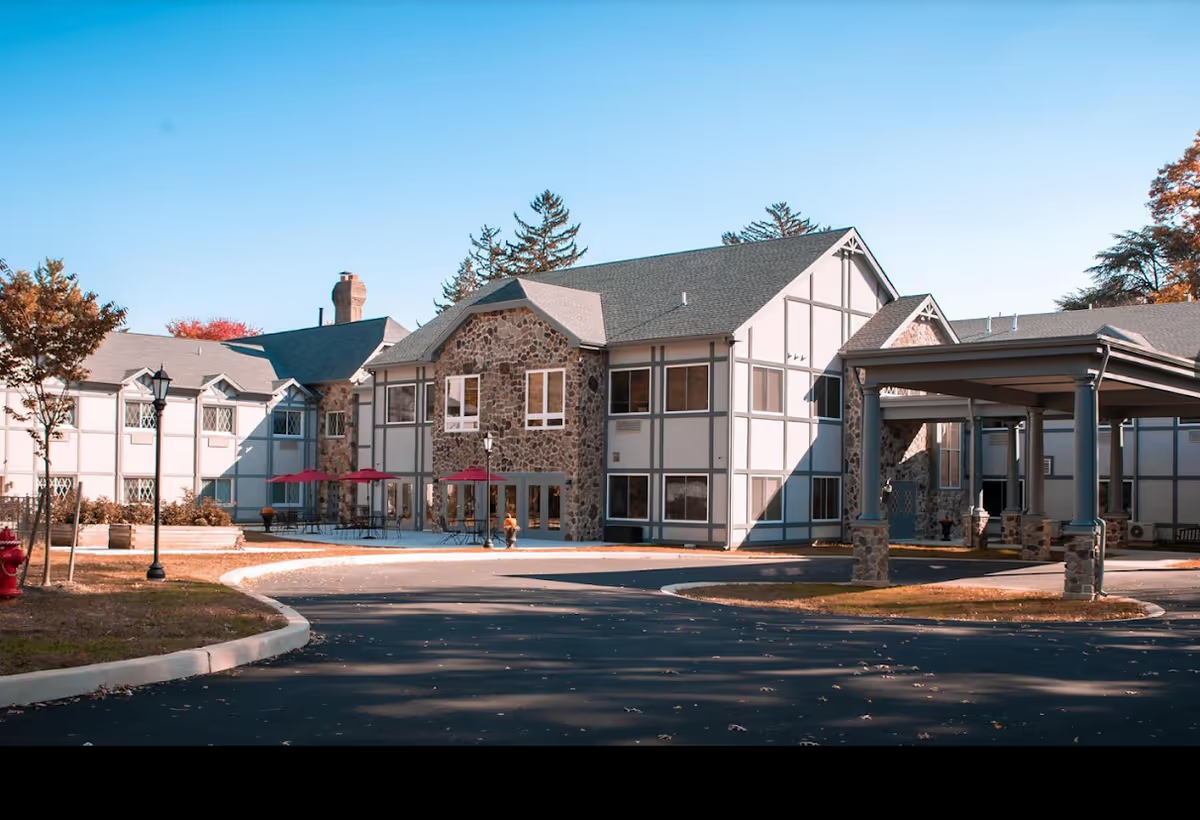
The Lorelton presents as a traditionally styled, repurposed-school community with many recurring strengths: a bright, airy facility with large windows and communal spaces, a tidy and home-like atmosphere, and a strong social program. Reviewers consistently praise the staff across departments — care aides, nurses, dining, housekeeping and maintenance — noting warm, individualized attention, quick responses for routine needs, and a family-like culture. Dining is frequently described as a standout feature with varied, tasty options and special meals; rehabilitation and on-site therapy services are also available and receive positive mentions. The memory-care unit is highlighted as secure and well-staffed in many accounts, and residents often benefit from a robust activities calendar that includes crafts, exercise classes, movies, live entertainment and day trips.
Clinical and direct-care quality is generally characterized as compassionate and attentive, with many families noting positive end-of-life care and successful rehabilitation outcomes. However, a pattern of operational weaknesses emerges alongside those strengths. Multiple accounts indicate inconsistent staffing levels that can affect hands-on assistance and response times. Relatedly, there are concerns about medication-handling practices and isolated lapses in clinical protocol; these are important to investigate during a tour. Maintenance responsiveness is usually noted as good, but some reviewers describe delays or incomplete follow-through on promised repairs, and the building's age contributes to recurring infrastructure needs (leaky windows, ongoing renovations, and dated systems).
Facility amenities and layout are frequently praised: light-filled apartments, long halls that facilitate indoor walking, an enclosed courtyard and tended gardens, and a variety of unit types including some with full kitchens and in-unit laundry. At the same time, outdoor space is limited and there is little covered outdoor seating, which some families find restrictive. Cleanliness is commonly cited as a positive, yet there are also specific sanitation and odor-control concerns referenced for wet areas and personal-care situations; there are isolated allegations of serious personal-care and sanitation shortcomings that prospective families should probe further. A small number of comments raise pest-control concerns.
Management and administrative experience is mixed: many reviewers compliment directors and frontline management for being responsive, helpful with tours and admissions, and attentive to pricing and care plans. Conversely, several families describe opaque billing practices, unexpected fee increases for customized care packages, and occasional communication lapses between clinical staff and families. Affordability and payment-source limitations (notably limited Medicaid availability for memory care) are also described as constraints for some families.
Overall, The Lorelton appears well suited for older adults who prioritize dining, social engagement, and a bright, community-oriented environment in a historic setting, and who can accommodate private-pay costs. Recommended areas to explore on a visit include current staffing ratios and coverage patterns, medication-management policies and incident reporting, maintenance response timelines, pest-control measures, specifics of fee structure and escalation, and options for outdoor or covered exterior spaces. Verifying these operational details will help families reconcile the facility's strong cultural and programmatic attributes with the operational shortcomings noted by some reviewers.