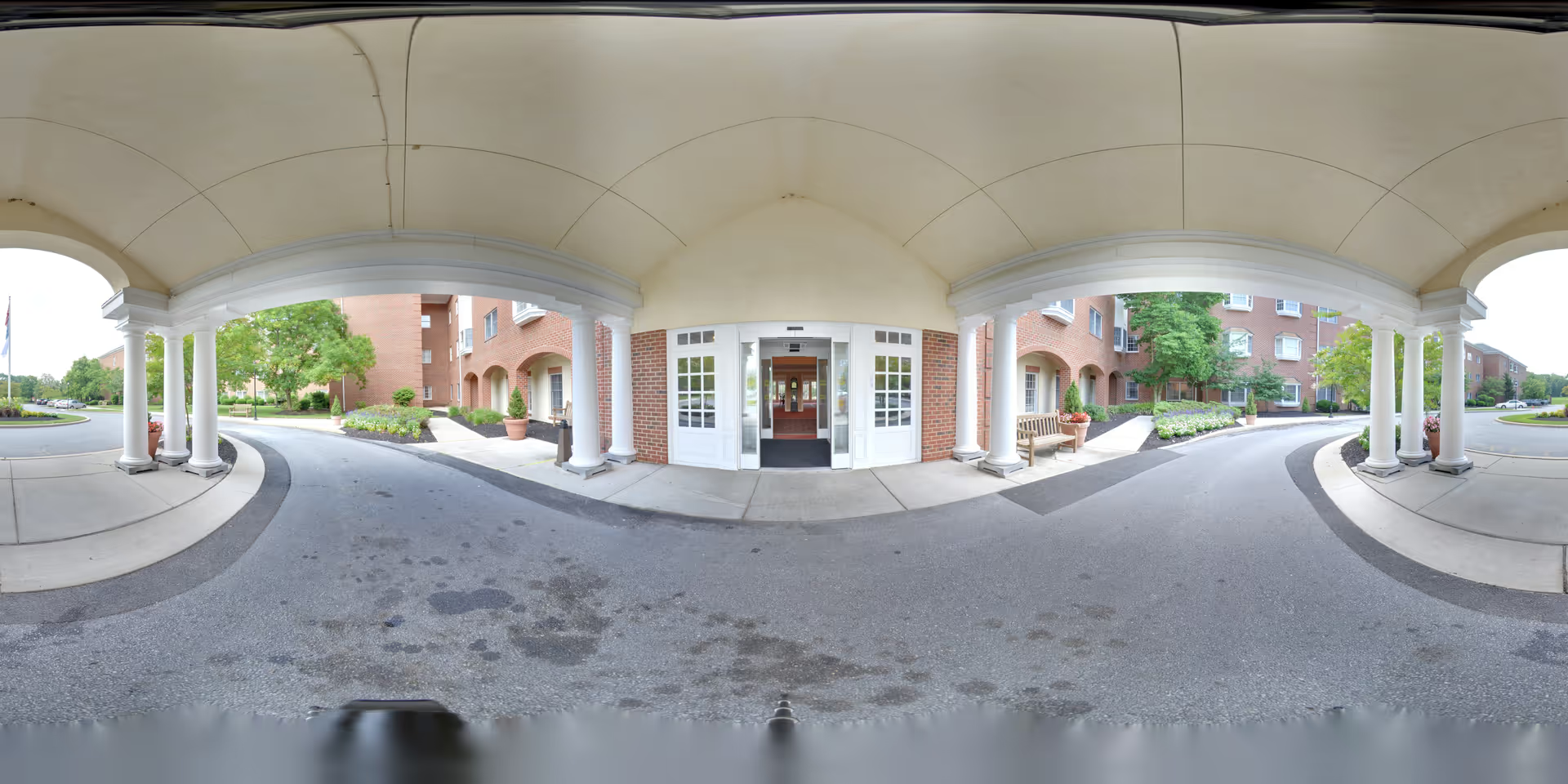
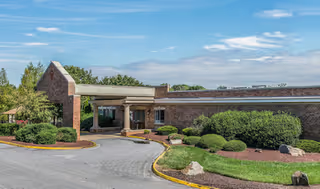
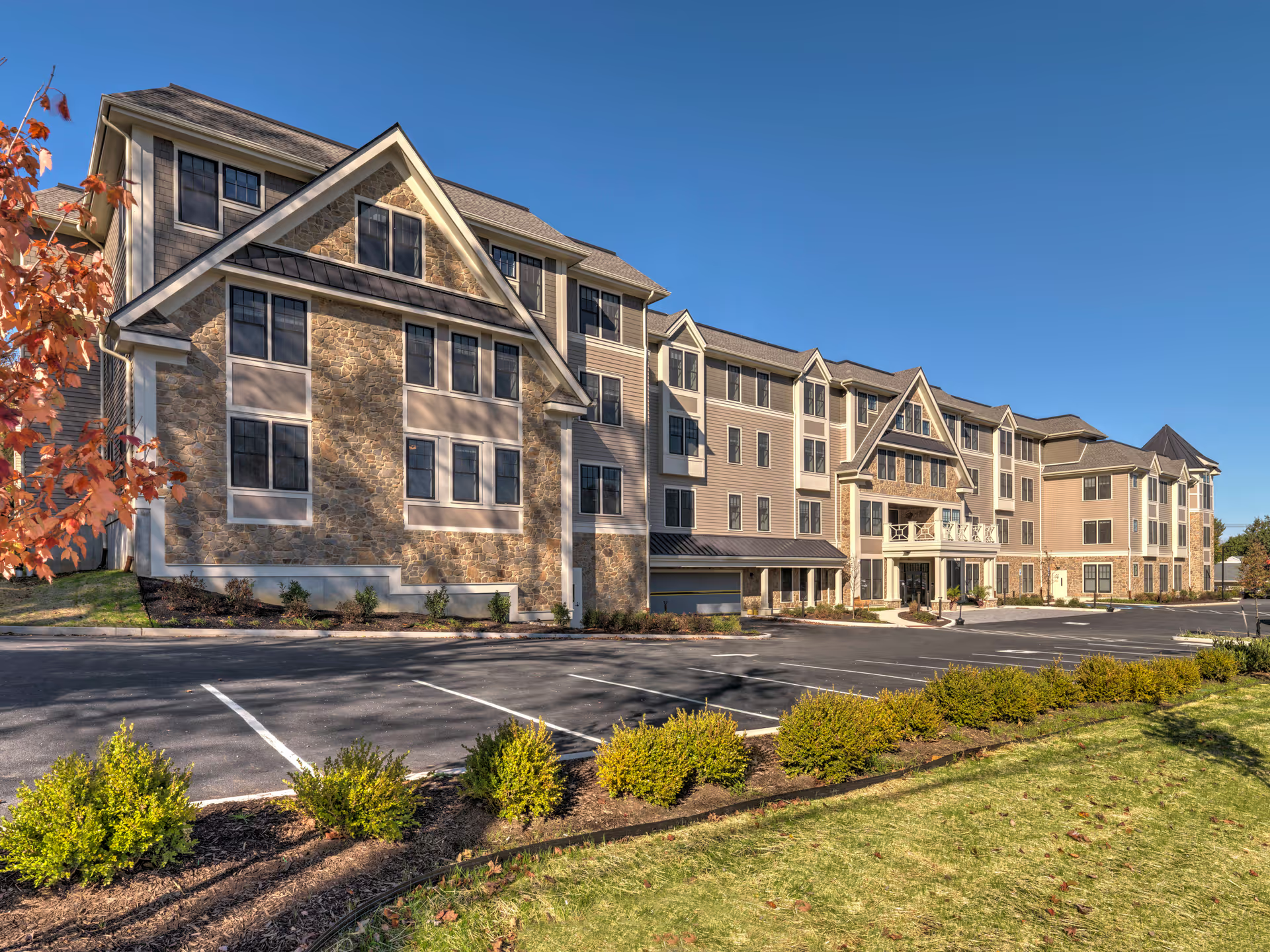
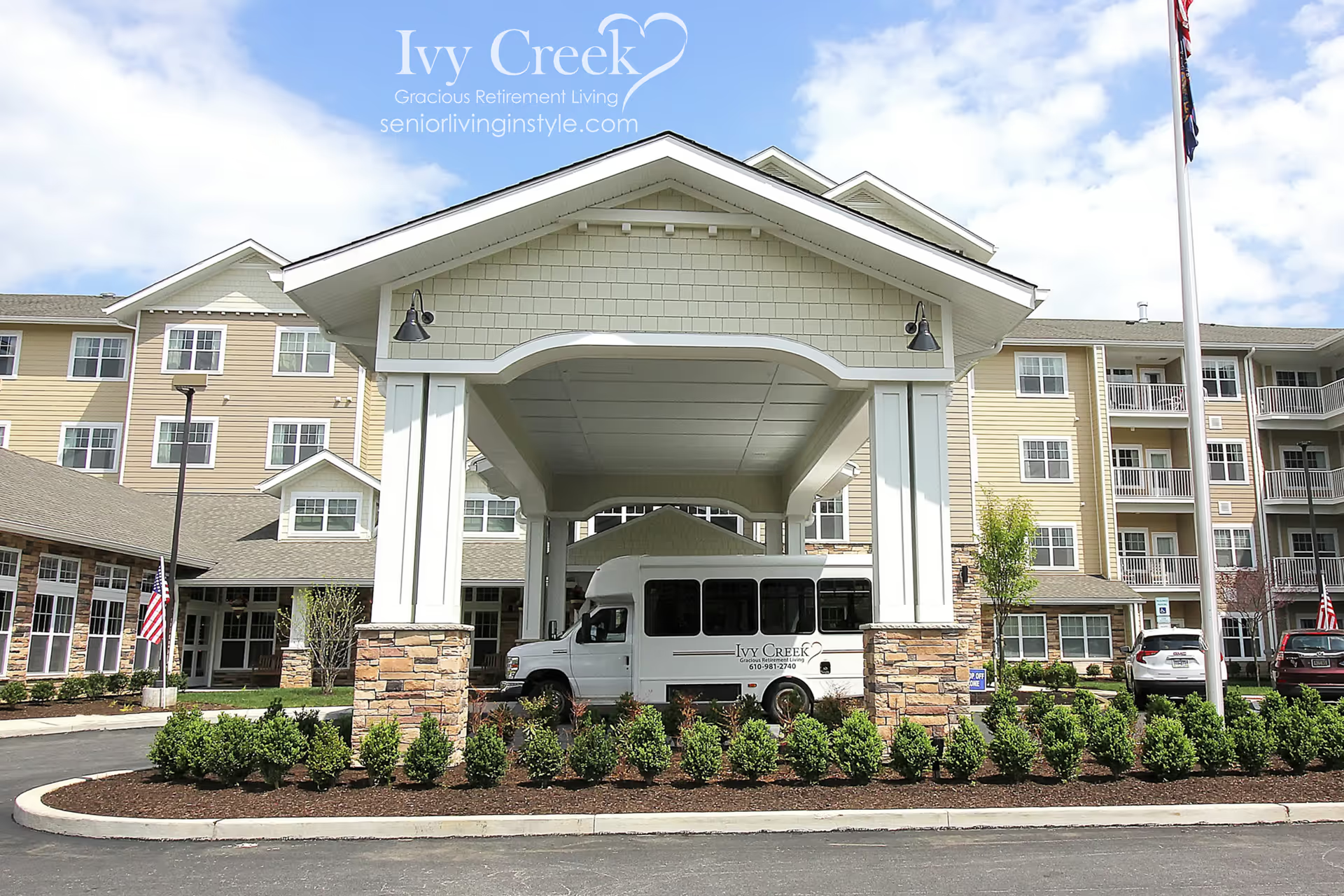
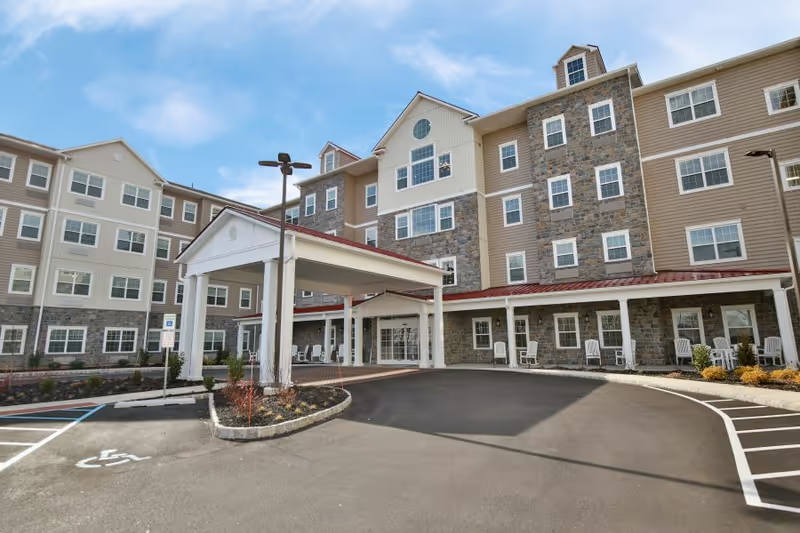
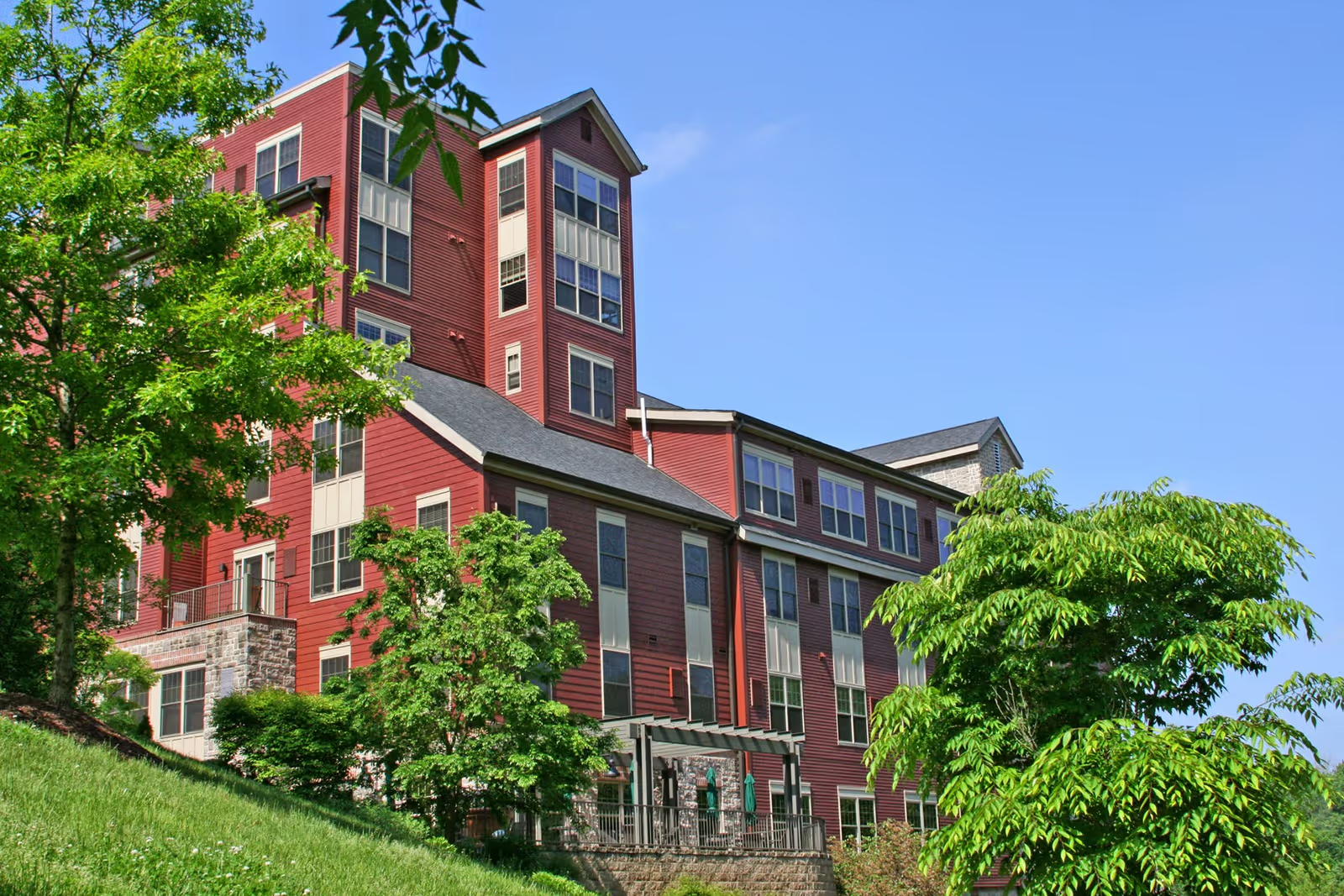
Ivy Gables Senior Living is described predominantly as a small, well-appointed community with a warm, home-like atmosphere. Reviewers commonly highlight the facility’s attractive, recently renovated interior and well-kept grounds, which contribute to a tranquil, wooded setting. The community’s size and layout are often framed as strengths—private rooms, comfortable common areas, intimate seating nooks, and a pleasant garden area support social interaction and a residential feel.
Care quality and staff are central strengths in many accounts. Families frequently describe caregiving staff as compassionate, attentive, and responsive; admissions and tour staff receive repeated praise for professionalism and patience. Several reviewers cite personalized matching and onboarding, proactive safety practices, and comprehensive medication and care programs that deliver peace of mind. At the same time, there is a contrasting set of concerns about management consistency: some families praise effective leadership and strong COVID-era practices, while others raise issues about executive-level professionalism, scheduling unreliability, and staff turnover. Those managerial concerns appear to affect perceptions of stability and trust for prospective residents and families.
Dining and nutrition receive mixed feedback. Many residents and families report enjoyable, home-cooked meals with accommodating dining staff and the ability to customize options. Others describe inconsistent food quality, requests for larger portions or more fruits and vegetables, and variability in flavor. These comments suggest the kitchen generally provides satisfactory service but that menu planning and portioning may be uneven depending on timing or individual expectations.
Activities and social programming are commonly cited as positive contributors to resident engagement: exercise, cognitive games, concerts, and a regular activities calendar provide social opportunities. The activities director is frequently noted as an asset. However, the small community size also limits available space and can lead to a more limited range or repetition of offerings compared with larger facilities; some families perceived fewer activity choices or less diversity over time.
Facility-level issues include contract and billing transparency, which several reviewers characterize as problematic—unexpected ancillary fees, a prescription pickup fee, and perceptions of pricing changes or bait-and-switch practices. Prospective residents should seek clear, written explanations of fees and contract terms. Additional operational concerns that emerged include communication lapses (for example, inconsistent follow-up after information was provided and cancelled assessments), occasional scheduling unreliability, and pest-control concerns reported in isolated accounts. Memory-care offerings are described inconsistently: there are references to a dedicated memory-care wing with a good layout, but other reviewers indicate that the hybrid memory program is inadequate or that full memory services are not available. This suggests the suitability of memory care at Ivy Gables may depend on individual needs and timing.
Overall, Ivy Gables presents as a small, caring community with strong interpersonal staff-resident relationships, attractive facilities, and meaningful programming for many residents. Key areas for prospective residents and families to investigate further are management stability and professional oversight, explicit contract and fee disclosures, the facility’s pest-control record, and the precise scope and capacity of memory-care services. A detailed tour, conversations with current residents and families, and direct questions about staffing patterns, meal planning, and incident-response protocols will help clarify whether the community’s strengths align with an individual’s expectations and care needs.