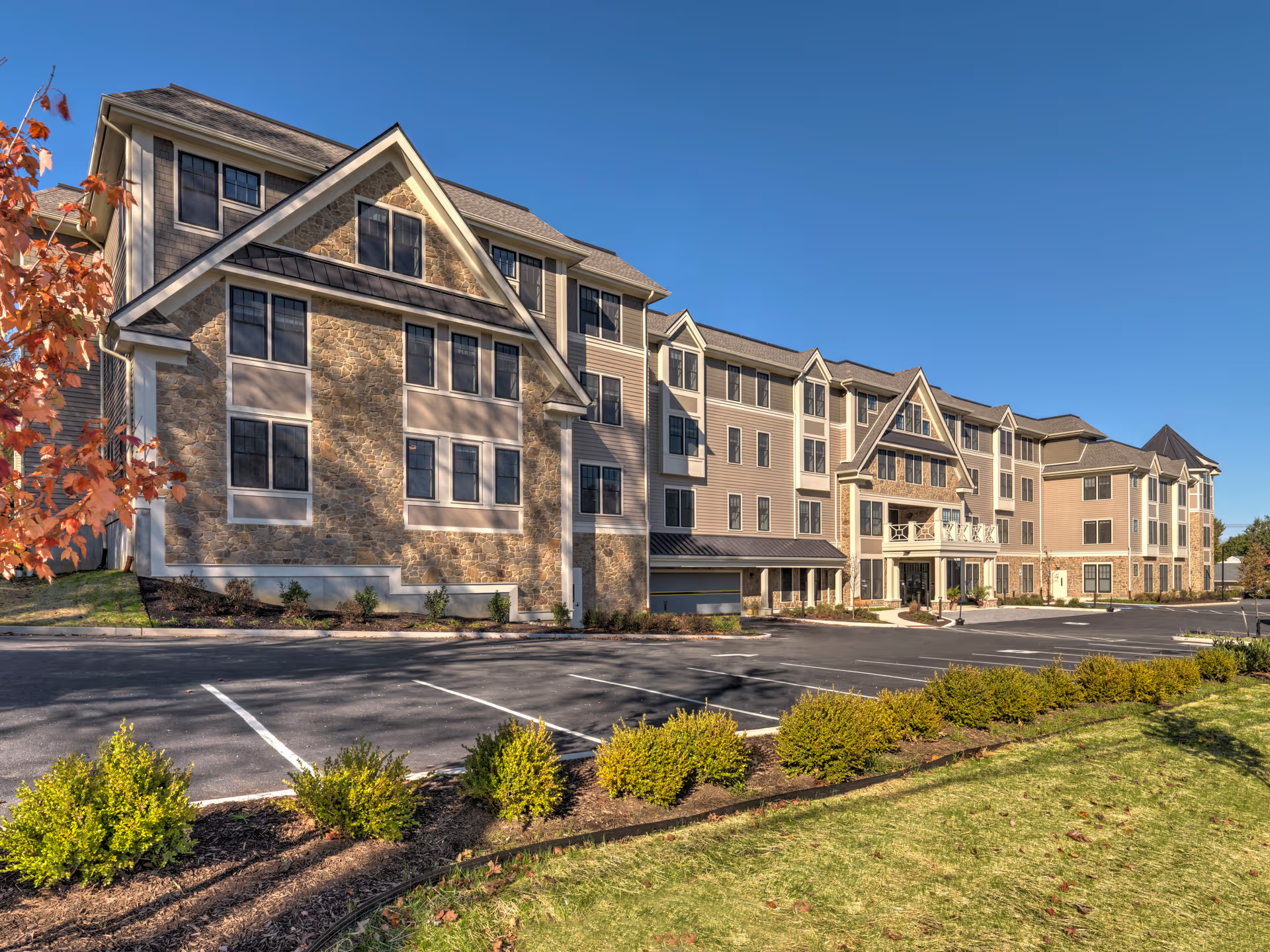
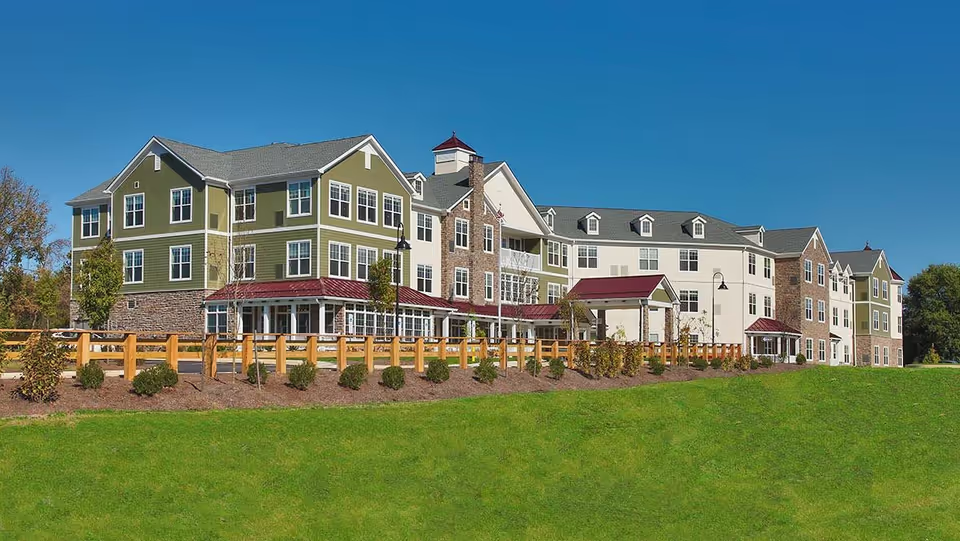
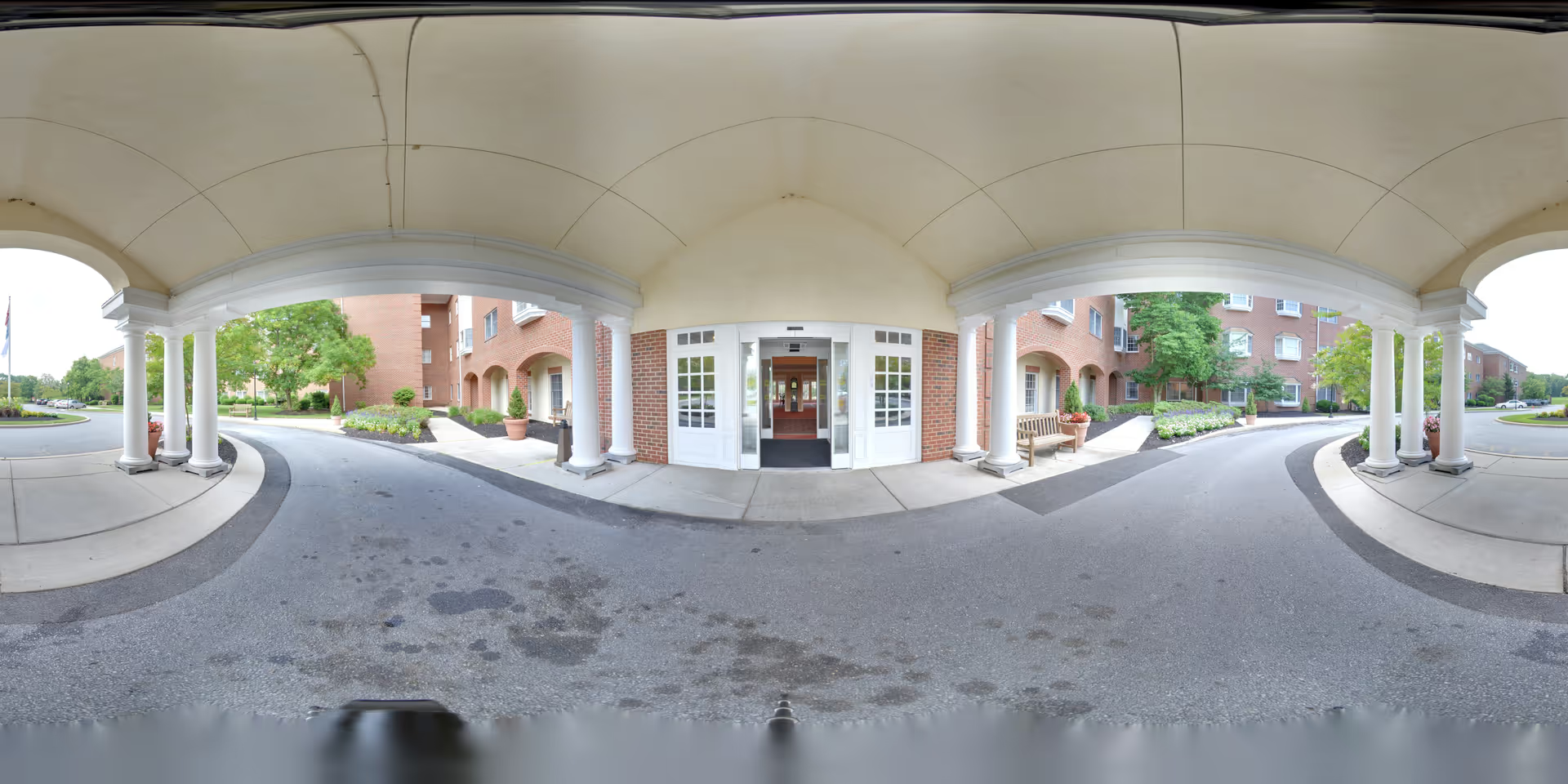
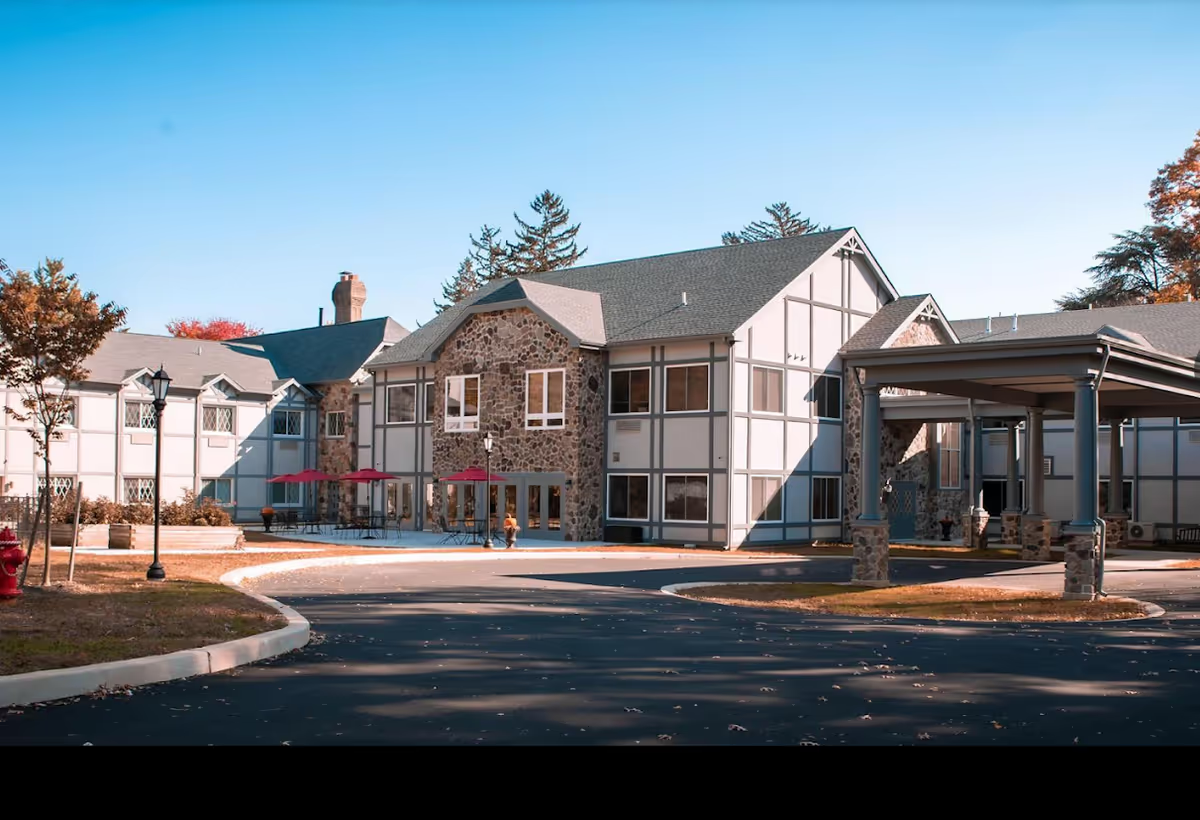
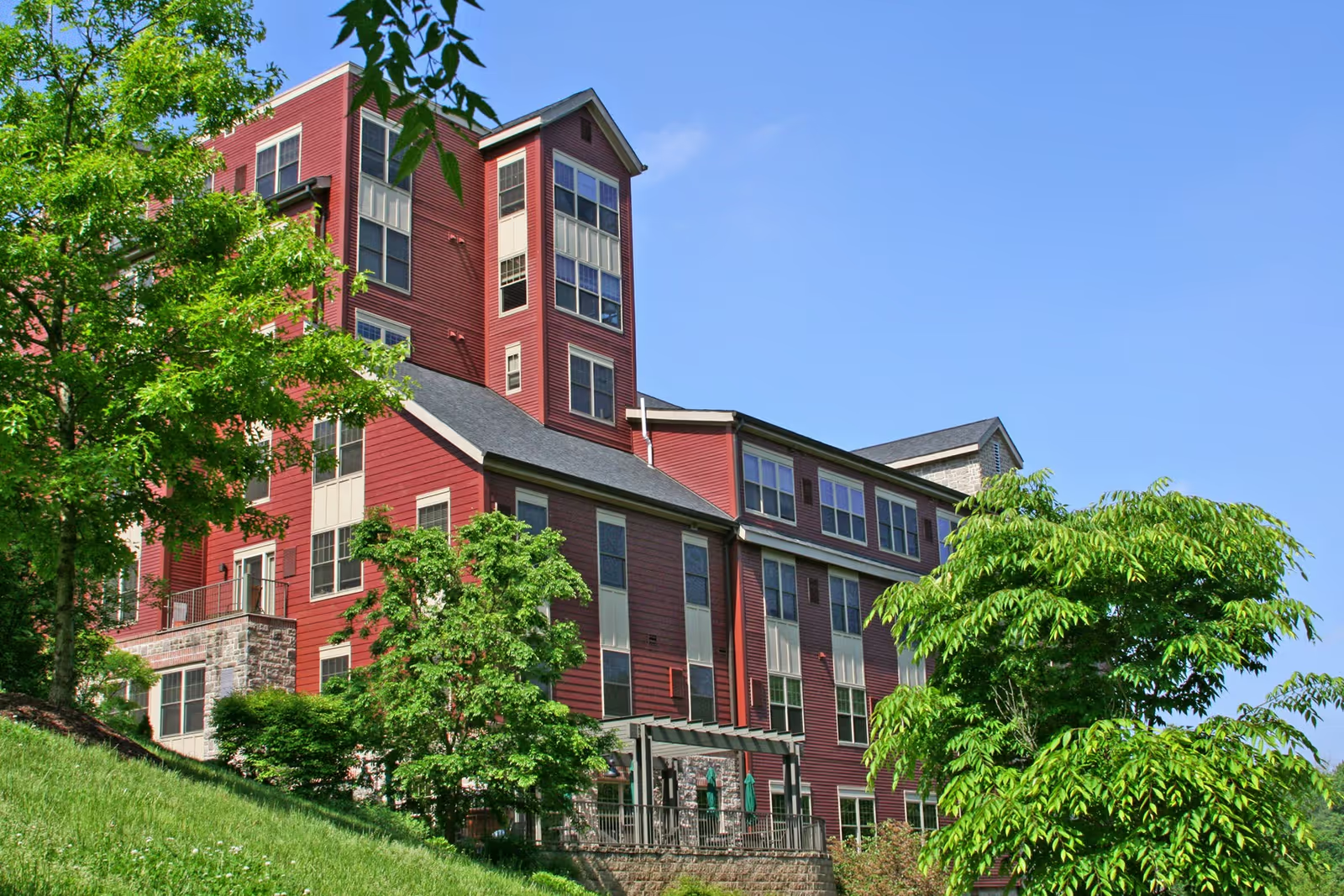
Merrill Gardens at Glen Mills presents as a newly built, high-amenity senior community with many strengths in hospitality, physical environment, and social opportunities. Families consistently praise the facility’s modern finishes, variety of communal spaces (including a retro diner, theater, pub, salon, library, and multiple activity rooms), underground parking, and convenient location. Move-ins are frequently described as smooth, and maintenance/guest services are commonly characterized as responsive. The community offers on-site therapy and medical access, which several families identified as valuable for post-acute recovery and ongoing care.
Staff and daily culture are major positives for many residents: reviewers frequently describe caring, friendly employees who know residents by name, active front-desk engagement, and staff who create a welcoming, family-like atmosphere. When staffing is consistent, families report improved quality of life, good family communication, and engaging programming. Admissions and community-relations staff were also often praised for helpful, informative tours and an efficient onboarding experience.
At the same time, a clear and recurring operational theme is variability in clinical care and operational reliability. Multiple accounts indicate problems with medication administration, missed or delayed doses, and gaps in assistance for activities of daily living such as bathing, dressing, and escorting to meals. Occasional use of agency or substitute staff on night shifts has been linked to incidents and family concern. These issues suggest that clinical oversight and staffing stability are areas to verify closely during any decision process.
Dining and hospitality also show mixed signals. Many families applaud the quality, variety, and presentation of meals and the abundance of dining venues; however, there are repeated notes about service interruptions, supply shortages, cold buffet items, and inconsistent adherence to special-diet requirements. Prospective residents should clarify how the community handles special-diet needs, meal-service continuity, and meal-plan caps or extra fees.
Activities and amenities are extensive on paper and often well used when staffing and census support programming. The facility’s many spaces enable diverse offerings, from happy hours and bingo to crafts and theater. That said, activity breadth and transportation services have at times been limited—particularly early in occupancy or during pandemic-related restrictions—so the day-to-day program may vary from the advertised schedule until the resident population grows and staffing stabilizes.
Management and administrative themes are mixed. Several families experienced proactive, communicative leadership; others encountered billing mistakes, unexpected fees or rent increases, and delays in managerial responsiveness. Those patterns point to the importance of reviewing contract language on fees and increases, confirming billing processes, and asking how leadership handles grievances and clinical escalations.
Practical site considerations include a generally upscale, clean environment alongside some accessibility limitations. The campus layout can be spread out for residents who use walkers, and certain design choices (surface types, noise from nearby roads or rooftop areas) may affect mobility or comfort. Parking availability has been mentioned as constrained at times, and tech support for resident devices and contingency plans for power outages are areas to confirm.
Overall, Merrill Gardens at Glen Mills offers a high-quality physical environment, strong hospitality, and robust amenities, with many families expressing satisfaction and improved quality of life for their loved ones. Prospective residents and families should balance those strengths against documented variability in clinical staffing, medication administration, dining consistency, and administrative practices. Recommended steps before committing include: direct questions about staffing ratios and agency use, review of medication and ADL support policies, confirmation of dining-diet accommodations and fee schedules in writing, a walk-through focusing on mobility routes, and requests for references from current families in similar care levels.