Arden Courts Wilmington presents as a small, dementia-focused memory-care community with a number of well-regarded structural and programmatic strengths alongside recurring operational weaknesses. Families commonly praise the facility’s dementia-informed design — themed household layouts, rooms set up for ease of dressing and bathroom access, and secure outdoor walking areas — and many note that the setting supports resident independence while providing a safe, non‑institutional atmosphere. The community’s size and layout frequently enable close staff–resident relationships, and several families describe meaningful improvements in mood, reduced sundowning, and decreased reliance on psychotropic medications after placement.
Staff and direct care are the facility’s most frequently highlighted positives and liabilities. Numerous reviewers singled out compassionate, dedicated aides, an engaged activities team, and supportive nursing and therapy staff; specific staff members and the admissions team received repeated praise for individualized attention and rapid placement. At the same time, accounts describe uneven clinical competence across nursing and aide teams and staffing shortfalls that can affect day-to-day care, especially on weekends. There are documented instances of inadequate clinical follow‑up and wound/infection management concerns; those reports have contributed to significant family anxiety in isolated but serious cases. Additionally, concerns about staff conduct and supervision have been raised, including at least one allegation of a serious physical incident, which some families cited as a reason for heightened scrutiny.
The activity program is a clear strength: reviewers consistently report a wide variety of on‑site and off‑site programming (art, games, museum and restaurant outings, supervised trips), strong socialization opportunities, and family-friendly events. These offerings are often connected to visible improvements in resident engagement and well‑being. Dining receives mostly positive comments for variety, accommodation of special diets, and nutritional balance, though a minority of families reported variable portioning and personal preference issues.
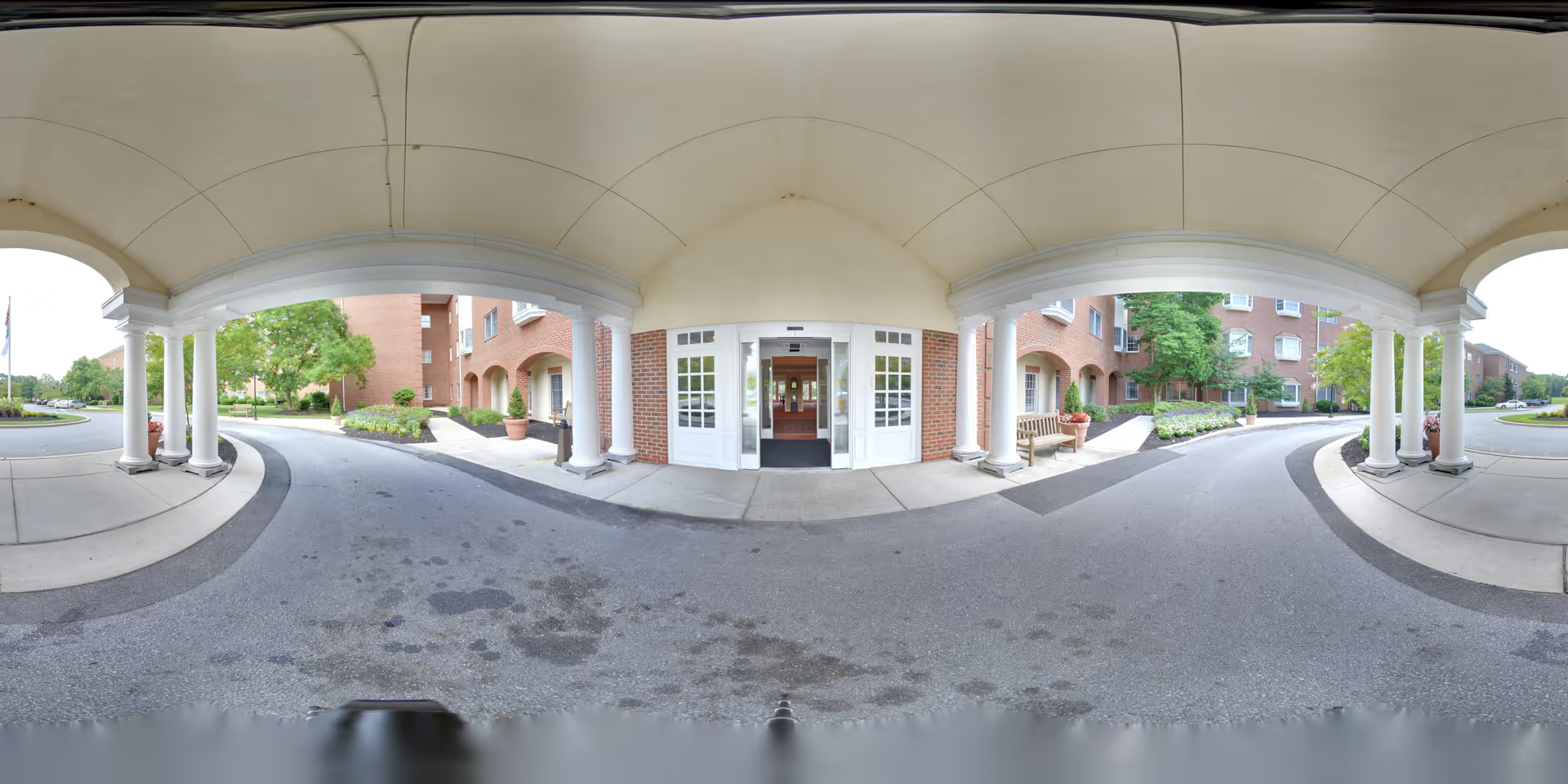
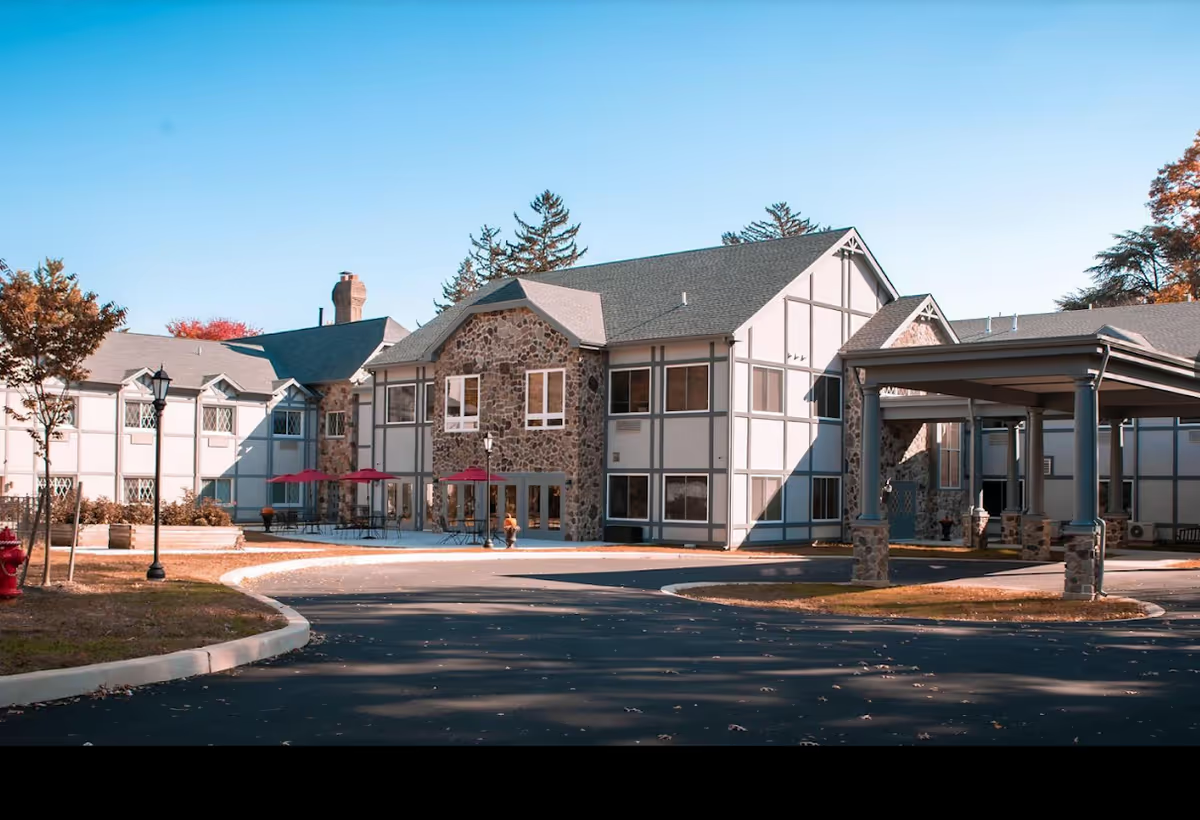
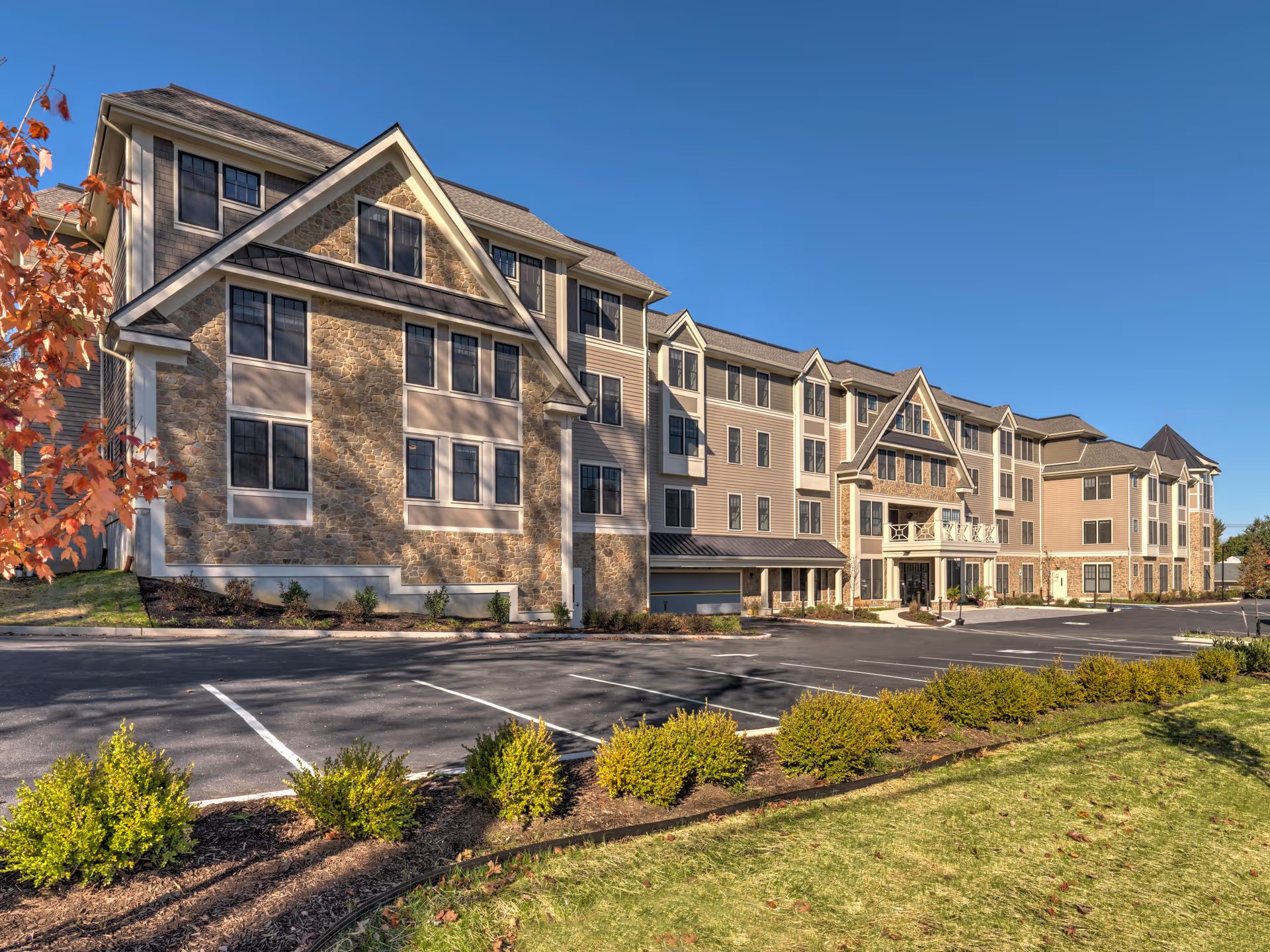
Facility condition and amenities are mixed. Common areas, gardens, and secure outdoor spaces are repeatedly described as bright, well‑maintained, and homey; these areas support supervised outdoor activity and family visits. In contrast, private rooms are frequently characterized as small, with dated furnishings and limited in‑room amenities — an important consideration given the private‑pay pricing structure. The community’s pricing model is described as all‑inclusive and convenient by some families, but the high cost and lack of Medicaid acceptance limit accessibility.
Management and administrative operations show polarization. Under certain leadership, families report seamless transitions from hospitals, helpful communication, and responsive follow‑up; several families credited a specific executive director and admissions staff with making placement and care coordination nearly effortless. Conversely, others reported leadership turnover, declines in service quality after administrative changes, inconsistent follow‑up on concerns, billing/referral delays tied to administrative inefficiencies, and occasional misrepresentation during recruitment. These patterns suggest that care consistency and family experience are sensitive to leadership stability and staffing levels.
Taken together, Arden Courts Wilmington appears to offer many of the hallmarks of effective memory care — purposeful design, active programming, and devoted caregivers — but with operational vulnerabilities that have produced highly divergent family experiences. Prospective residents and families will likely benefit from focused inquiries about current leadership continuity, staffing ratios (including weekend coverage), clinical oversight practices (wound/infection monitoring and incident reporting), and financial/administrative processes before making a placement decision. Regular, documented communication expectations and on‑site observation of care routines can help families assess whether the current operational environment aligns with their expectations for safety and consistency.