Overall impression Plush Mills Senior Living is consistently described as a community with a warm, social atmosphere and a staff base that many families and residents find caring and attentive. Reviewers commonly highlight the facility’s social programming, on-site medical and therapy services, and a range of amenities that support an active lifestyle. Apartments and common areas are often praised for modern finishes and hotel-like touches, and several long-term residents report satisfaction with continuity of care and social integration.
Care and staff Caregiving staff receive frequent praise for compassion, responsiveness, and individualized attention; aides, med‑techs and nurses are described as knowing residents by name and going beyond routine duties. The community offers on-site clinical supports (physician, dentist, therapists, social worker) and proactive safety measures such as motion sensors and daily checks. At the same time, there are recurring operational concerns: staffing shortages are cited as affecting dining service and direct care workload, which some families say has led to rushed aides and slower responses to resident needs. A number of reviewers also described frustration with how management handled specific family concerns, indicating gaps in escalation and upper-management responsiveness in certain situations.
Dining and nutrition Dining is a mixed picture. Many reviewers praise the quality of food—fine-dining–style presentations, vegetarian options, flexible meal delivery to apartments, and accommodating staff. However, there are repeated notes about inconsistent meal service: dining delays, order errors, occasional over‑seasoned dishes, and periods when dining staffing was insufficient (for example, reduced or paused home-cooked options such as Sunday dinner). Prospective residents should verify current dining staffing levels, meal-service protocols, and how dietary restrictions are handled.
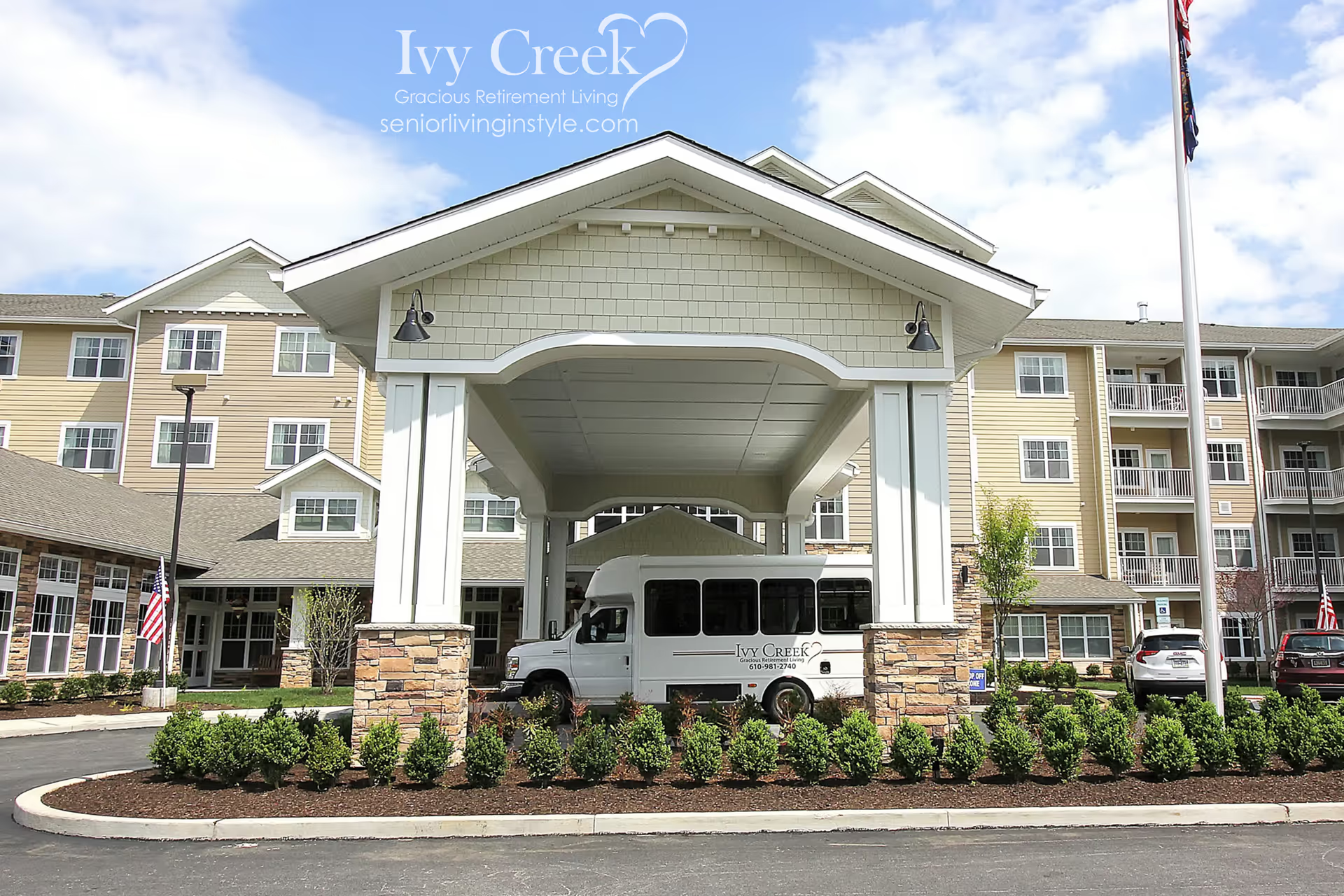
Activities and community life The community scores highly for activities and social engagement. Programming includes arts, exercise classes, live performances, movie nights, and trips via a community bus, with multiple common areas (bar, dining room, theater, game rooms) that foster interaction. Reviewers emphasize a strong sense of community—regular performances, seasonal shows, and social hubs that support friendships and companion opportunities.
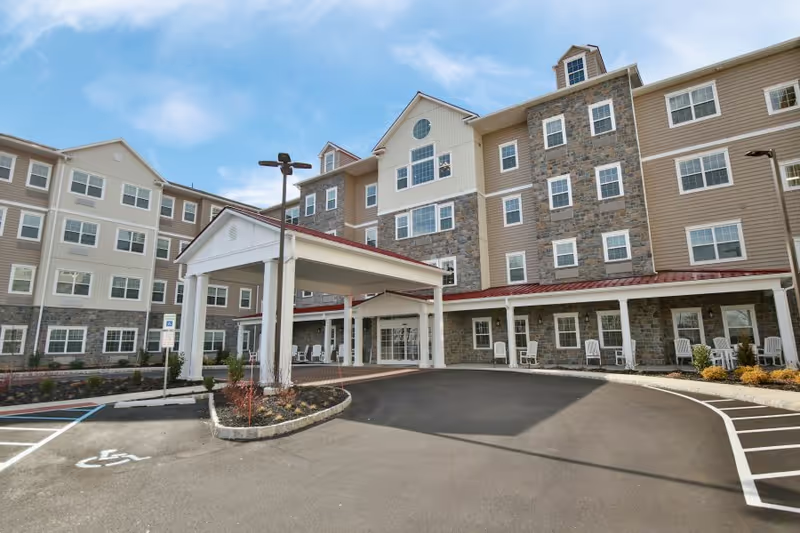
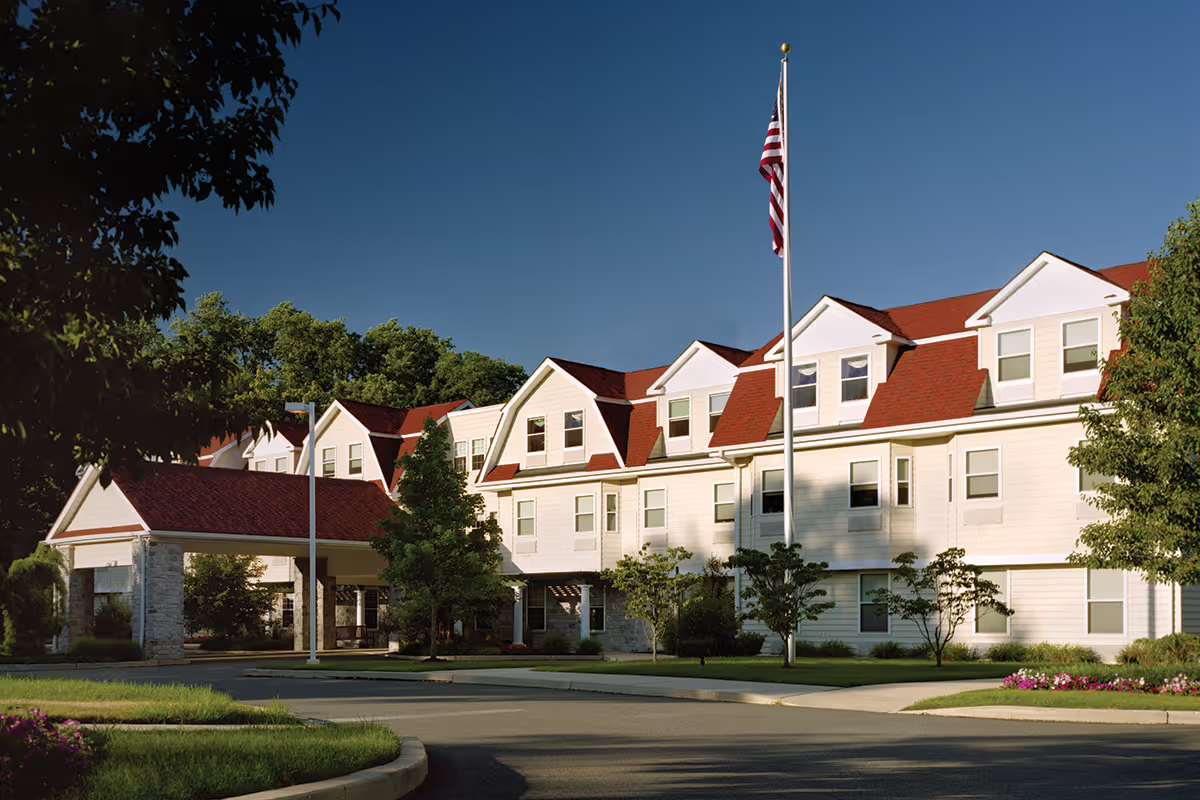
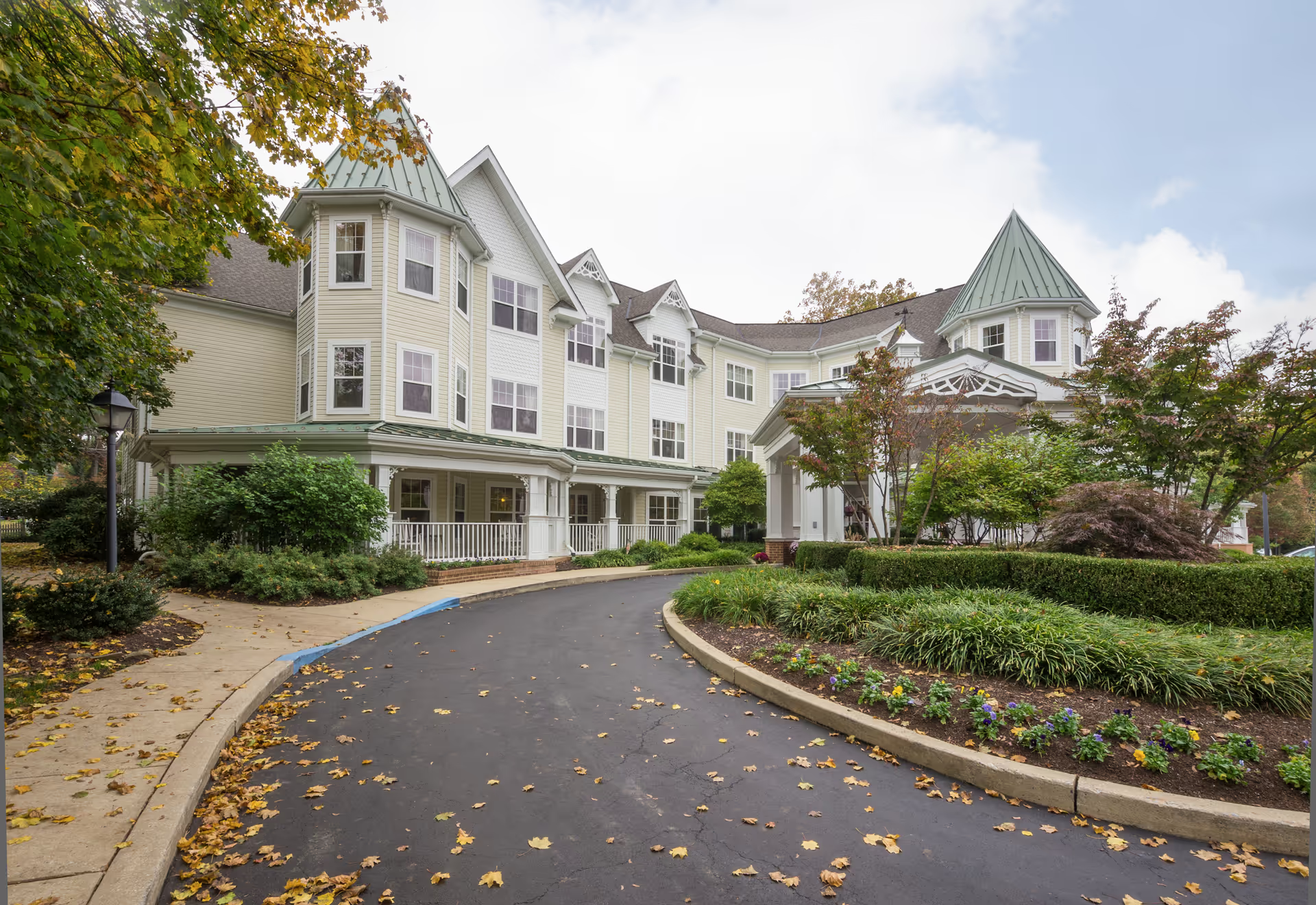
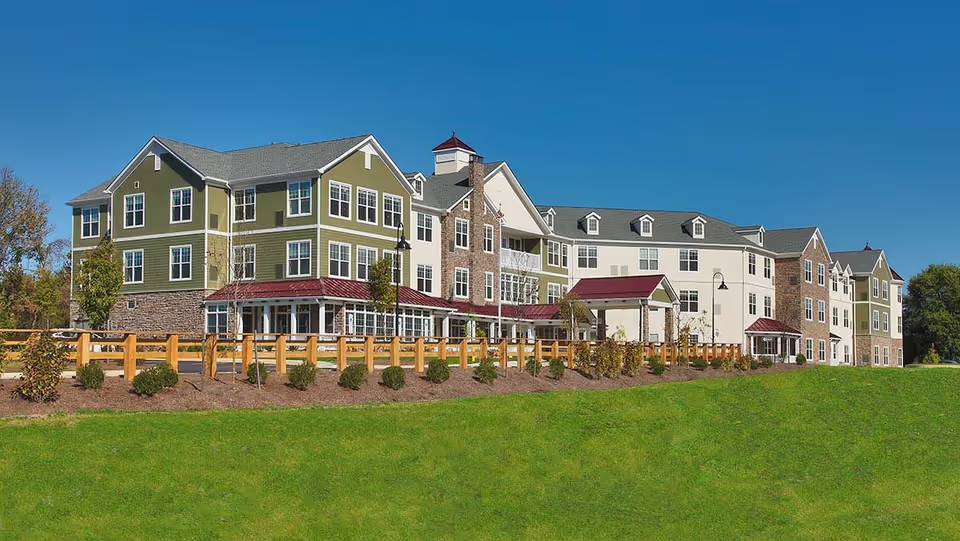
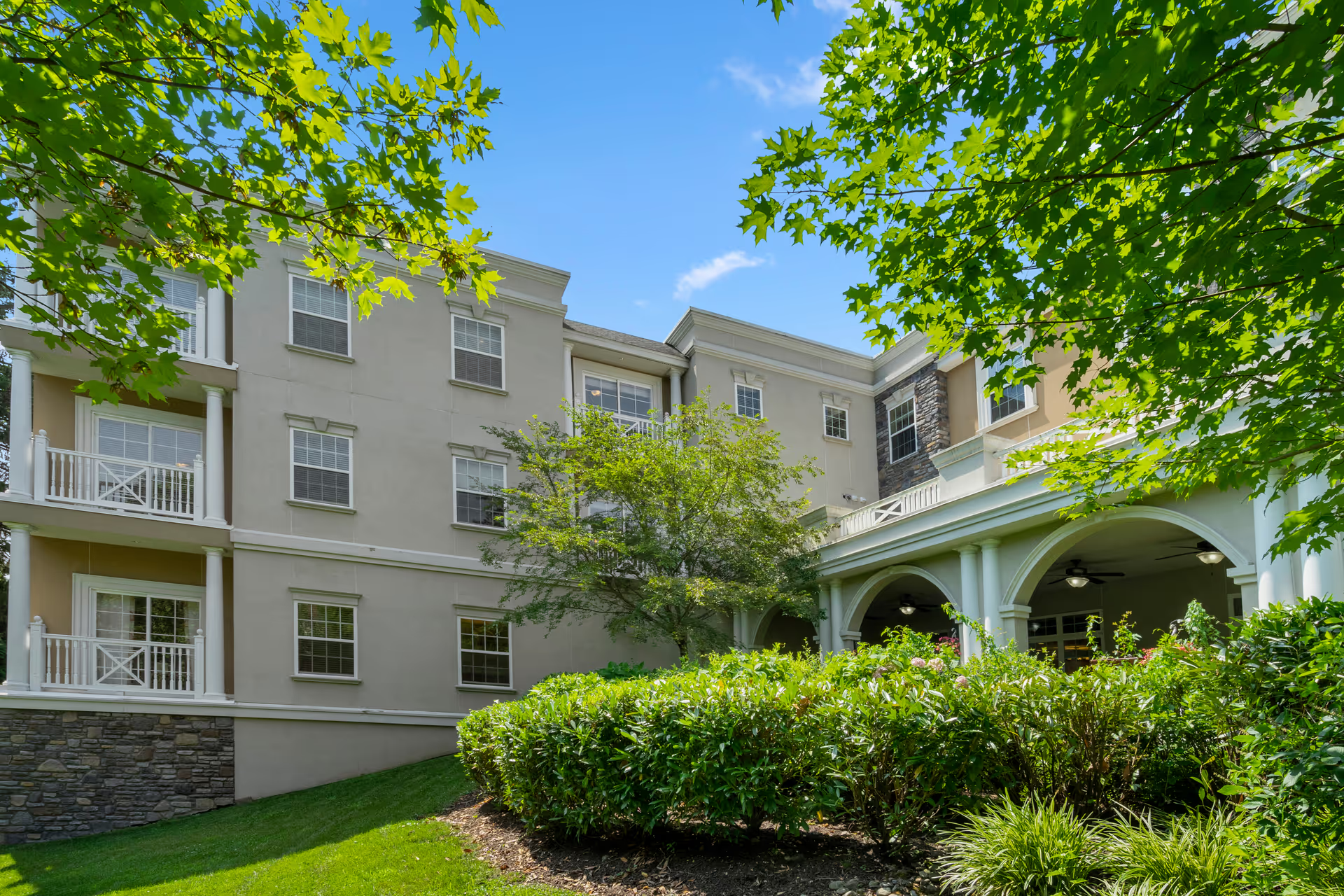
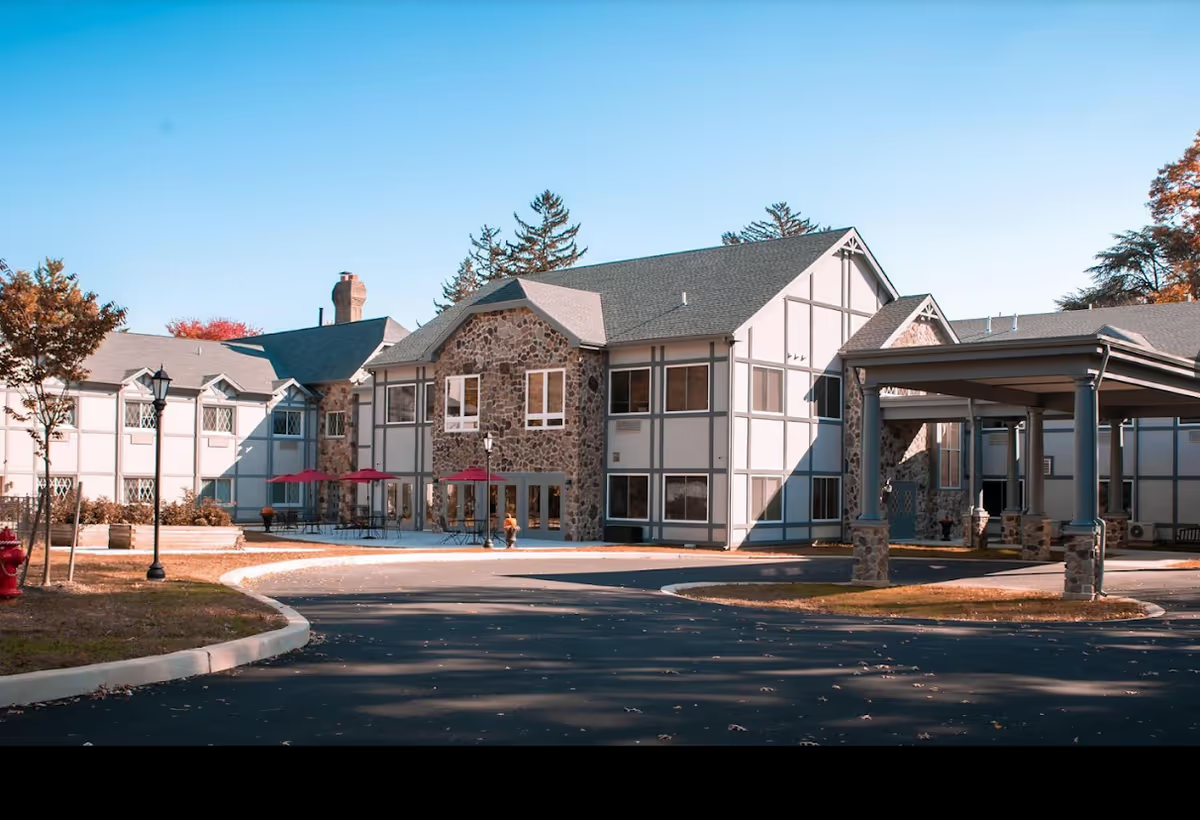
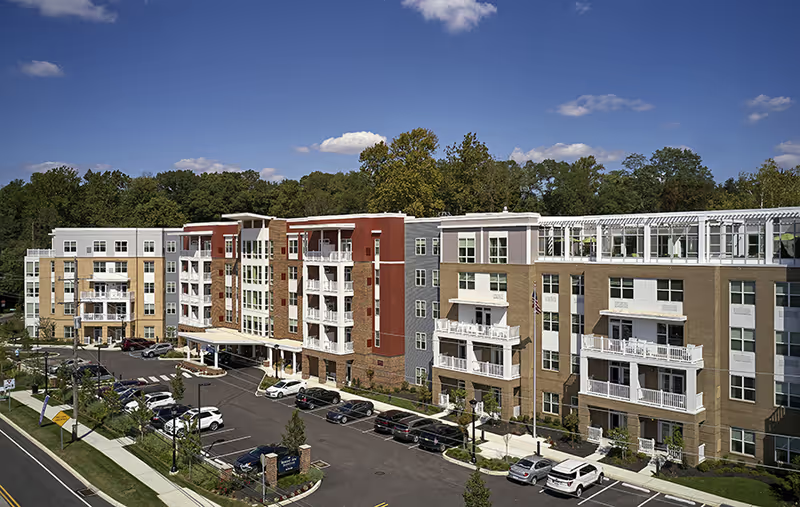
Facilities and amenities Physical facilities are generally described as clean and well-maintained, with contemporary finishes in many areas, a landscaped setting and minimal roadway noise. Amenities cited include a theater, game rooms (pool tables, shuffleboard), salon, large gym/physical therapy space, patios and attractive common areas. That said, comments indicate unevenness across the property: some wings appear newer and better appointed, while other parts show aging appliances or darker assisted‑living corridors. Technology conveniences (for example, seamless Wi‑Fi auto‑connect) are noted as an area for improvement.
Management, contracts and notable patterns Cost is a prominent consideration: reviewers repeatedly describe the community as expensive, with high monthly fees and in some cases upfront entrance charges; prospective residents should review fee structures carefully. Several families reported dissatisfaction with administrative policies (for example, limited flexibility around move‑out timing) and variable transparency in communication—especially during periods of clinical concern or infection‑control events. While outbreak protocols and vaccination clinics received positive mentions, communication about such events was described as more limited by some families. Taken together, this pattern suggests generally strong frontline caregiving and programming but uneven administrative consistency.
Guidance for prospective residents Visitors should tour the community at multiple times (meal service, activities, evening), ask for current staffing ratios for dining and assisted-living areas, review contract terms regarding move‑out and fees, confirm how dietary needs are accommodated, and test technology/connectivity in the unit. Ask management for examples of how family concerns are escalated and for recent performance indicators (staffing stability, incident response, dining satisfaction) to form a balanced view of current operations.