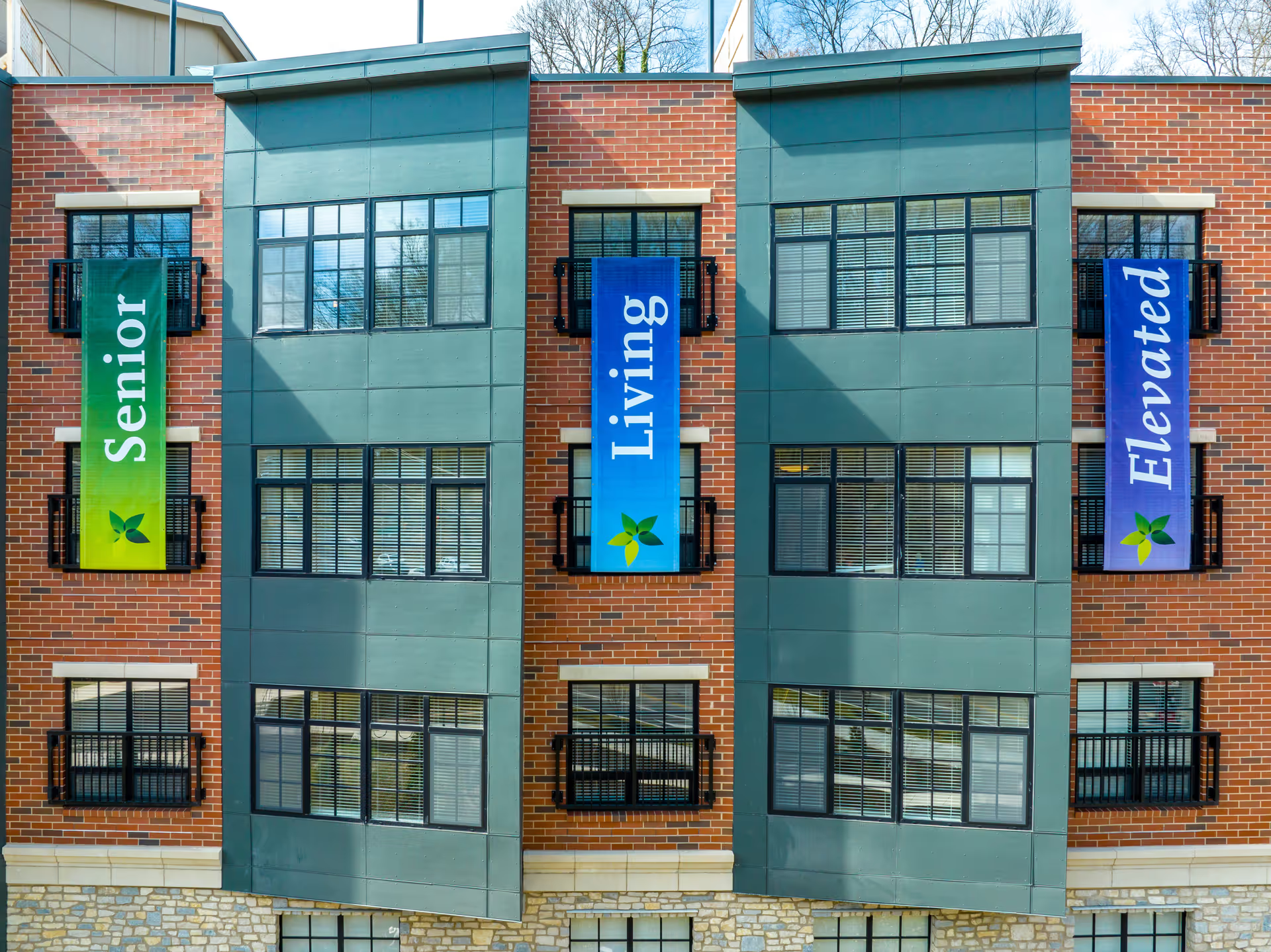
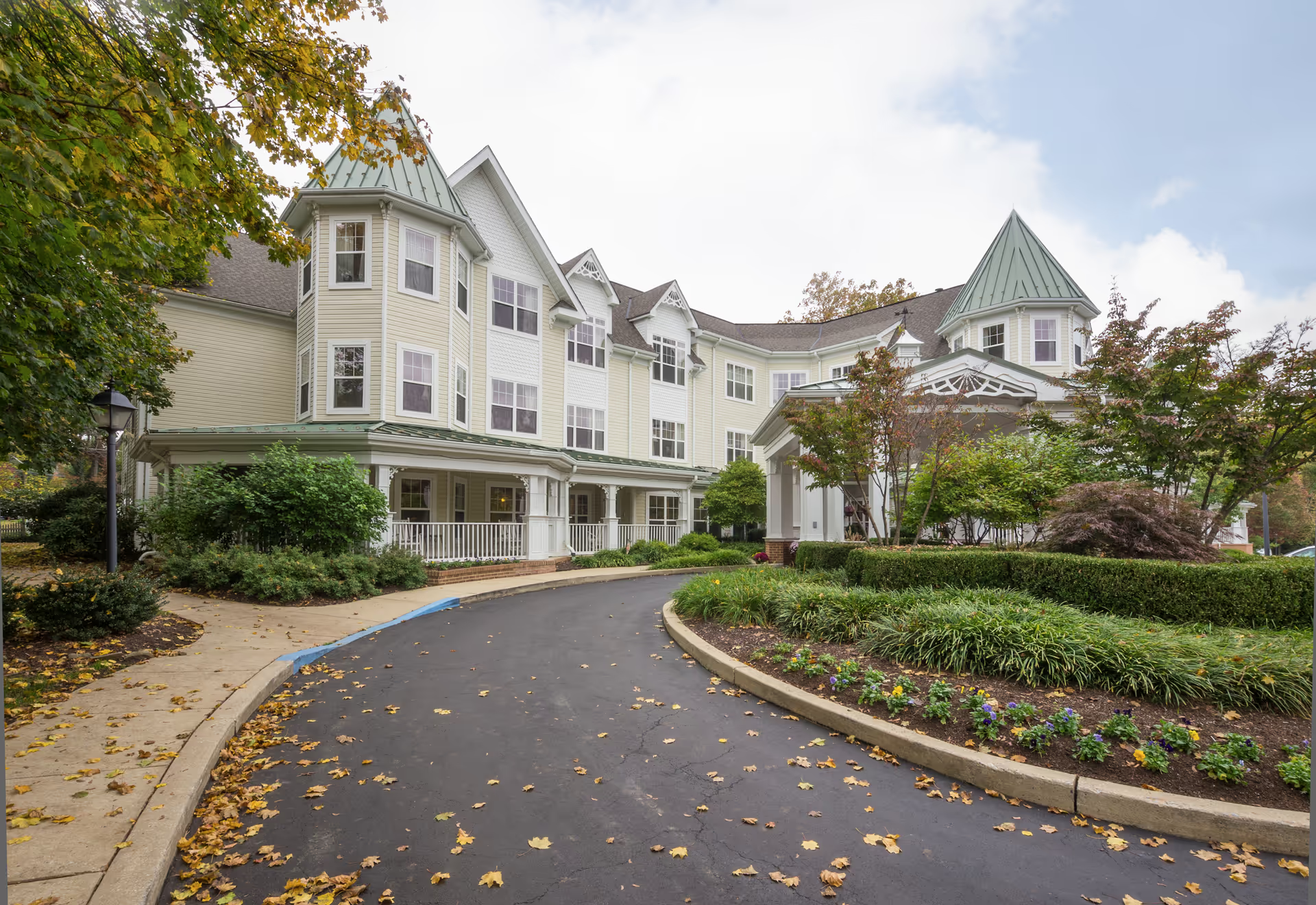
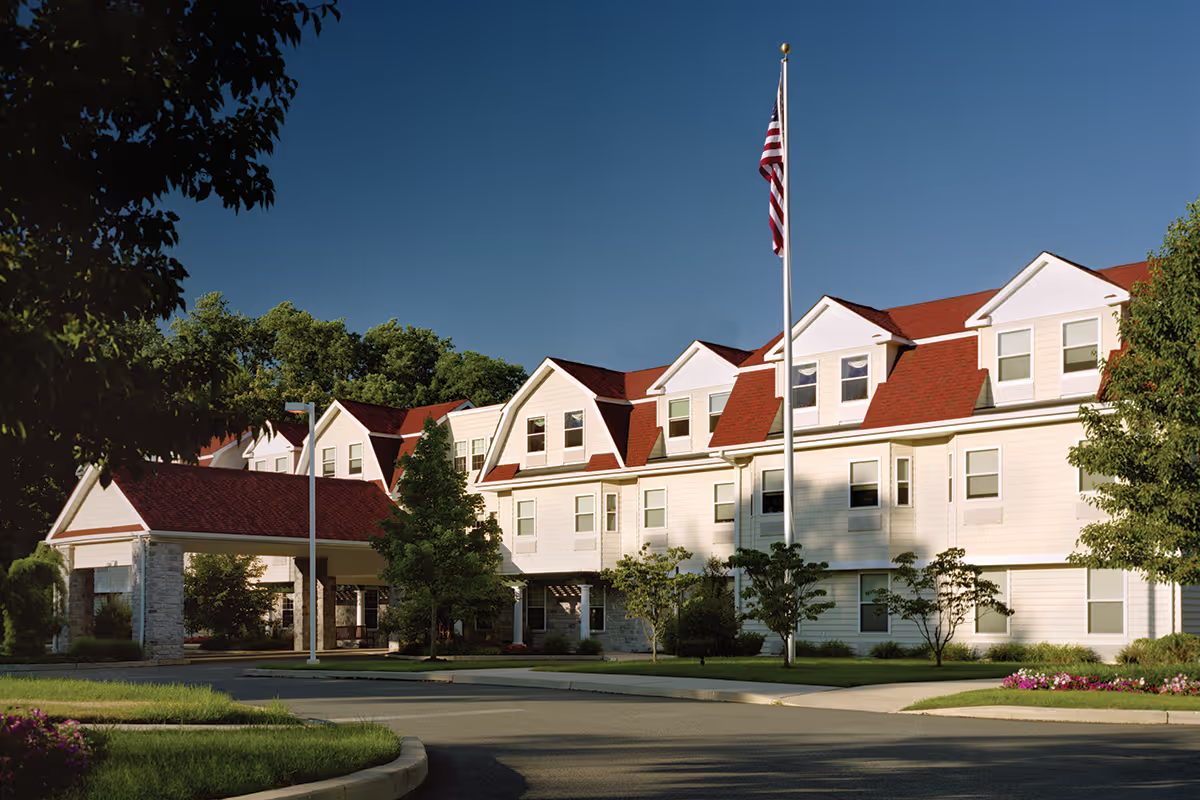
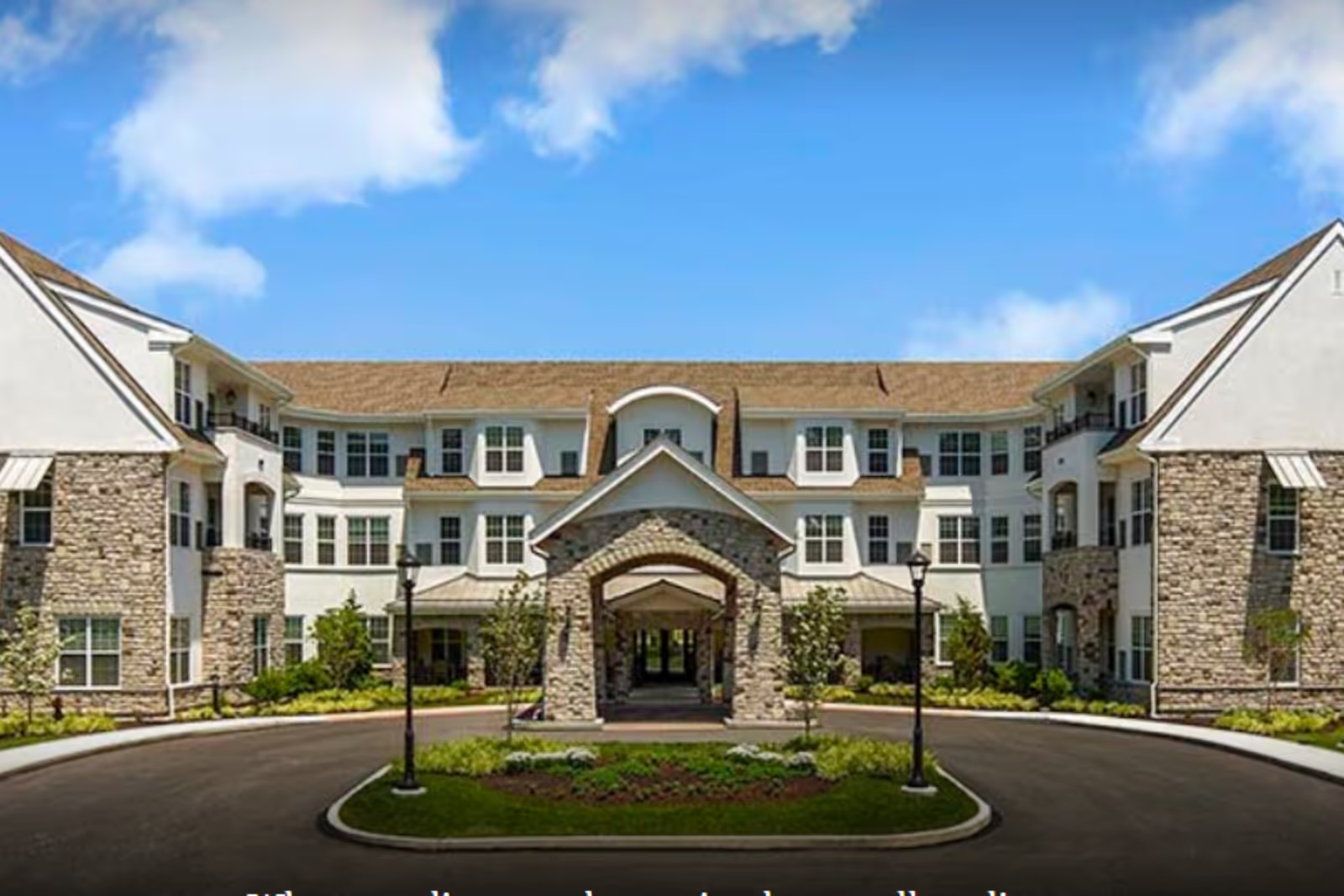
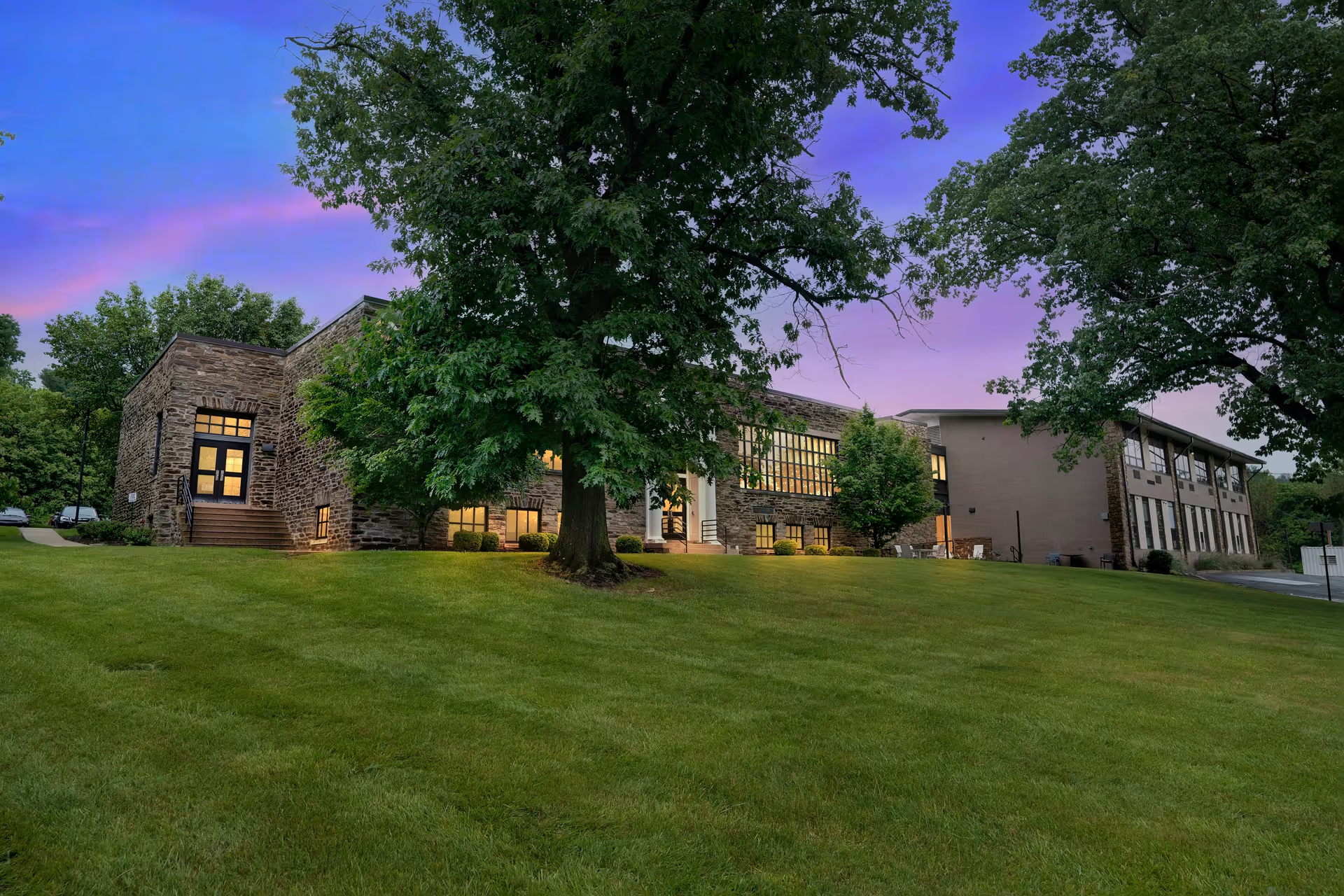
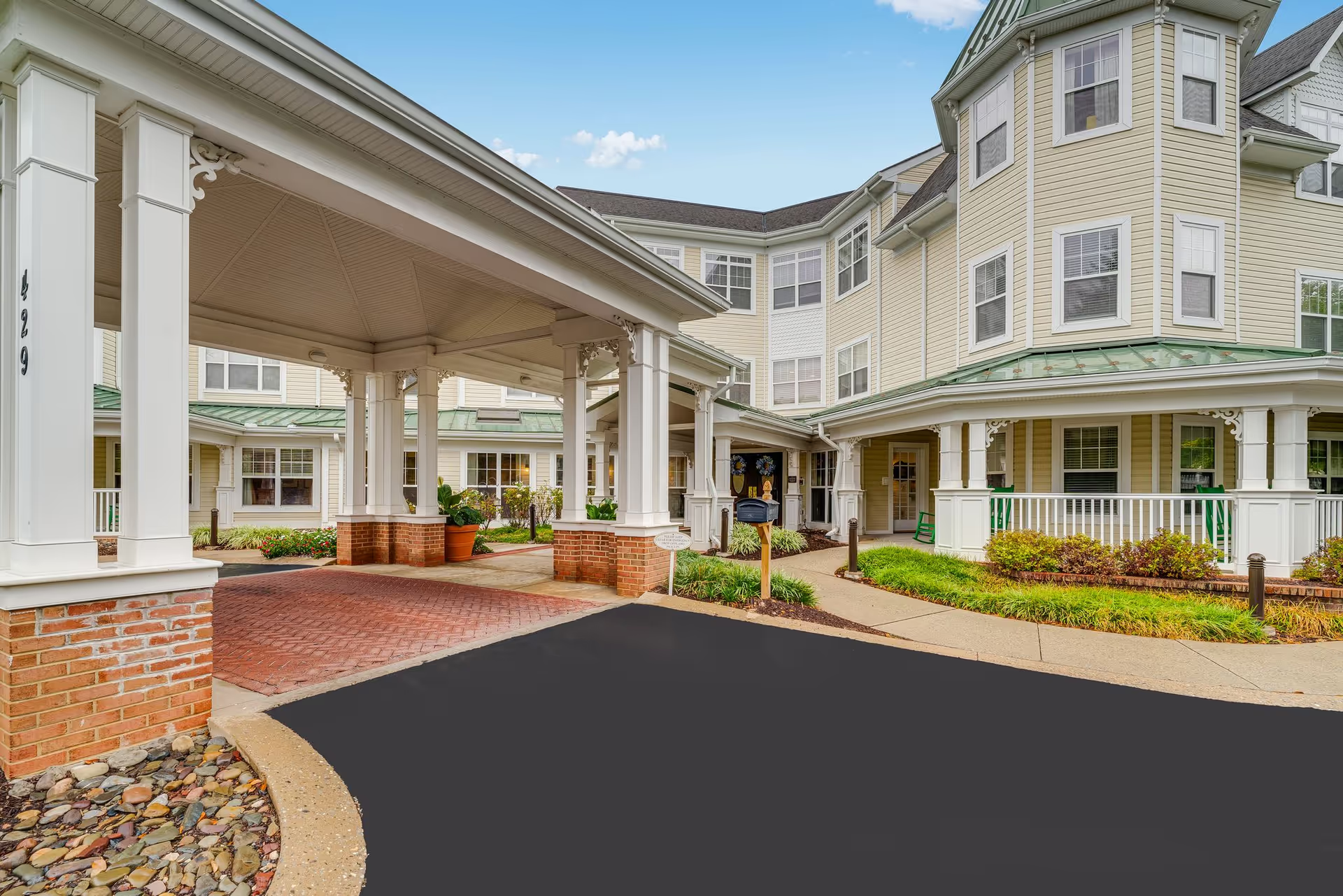
Symphony Square elicits strongly mixed but consistent themes across reviews. Many families and residents praise the staff—described frequently as compassionate, attentive and willing to personalize care—and single out specific leaders and memory-care clinicians for hands-on involvement. The community presents as an upscale, hotel-like building with clean, well-maintained common areas, chef-prepared meals, on-site therapy services, and a broad activities program that includes art therapy, outings, music events and special entertainment. The campus offers a range of apartment sizes, assistive services, ASL-capable staff for deaf or hard-of-hearing residents, and visible infection-control practices, all of which contribute to a sense of safety and quality for many households.
At the same time, a recurring set of operational weaknesses emerges. Staffing levels and turnover are cited often, and reviewers describe gaps in training and in clinical supervision that translate into inconsistent care practices—particularly in activities delivery, assistance with activities of daily living (ADLs), and incontinence-related care. Several accounts express concern about uneven performance across shifts and units: while some staff and leaders are praised for excellent responsiveness and communication, other shifts or teams are perceived as less attentive. Family communication is also variable—many families appreciate regular photo and email updates, yet others report breakdowns in administrative-to-family and administration-to-line-staff communications.
Memory-care experiences are polarized. The unit is credited in multiple reviews for small size, favorable staff-to-resident ratios and creative, engaged leadership; those factors are linked to meaningful resident engagement and reduced isolation. Conversely, other reviewers identify design and safety shortcomings in the memory-care layout (for example, spatial features that can increase resident distress) and express concerns about training and supervision specific to dementia care. Those tensions suggest that memory-care quality may depend heavily on staffing stability and which leaders and caregivers are present on a given shift.
Dining and activities are frequently cited as strengths—chef-prepared, restaurant-style meals, made-to-order options, and a rich calendar of therapies and outings appeal to many families. However, a subset of reviewers describes budget-driven inconsistencies in food quality and occasions when posted activities are not executed as scheduled, leaving residents less engaged. Facility amenities and maintenance receive positive mentions overall, though limited outdoor green space and the building’s upscale, hotel-like atmosphere lead some families to view it as less 'homey.'
Finally, management and organizational issues appear as a cross-cutting pattern. Positive accounts describe accessible administrators and proactive wellness leadership; less favorable accounts note administrative turnover, periodic layoffs, and perceived lapses in oversight. There are isolated but serious allegations concerning supervision and responsiveness; while these are not the dominant narrative, they are significant to prospective residents and families and warrant direct inquiry during tours and meetings.
For prospective families: Symphony Square offers many of the amenities and program strengths expected of an upscale senior community—particularly strong activity programming, dining, therapy services and standout individual caregivers or leaders. Evaluate staffing consistency, memory-care design, and family-communication processes during your decision: ask about staff turnover rates, training protocols, typical staff-to-resident ratios by shift, supervision and incident-response procedures, and how the community ensures posted activities and ADL assistance are reliably delivered. These operational details will help clarify whether the community’s strong elements align with your loved one’s needs on a day-to-day basis.