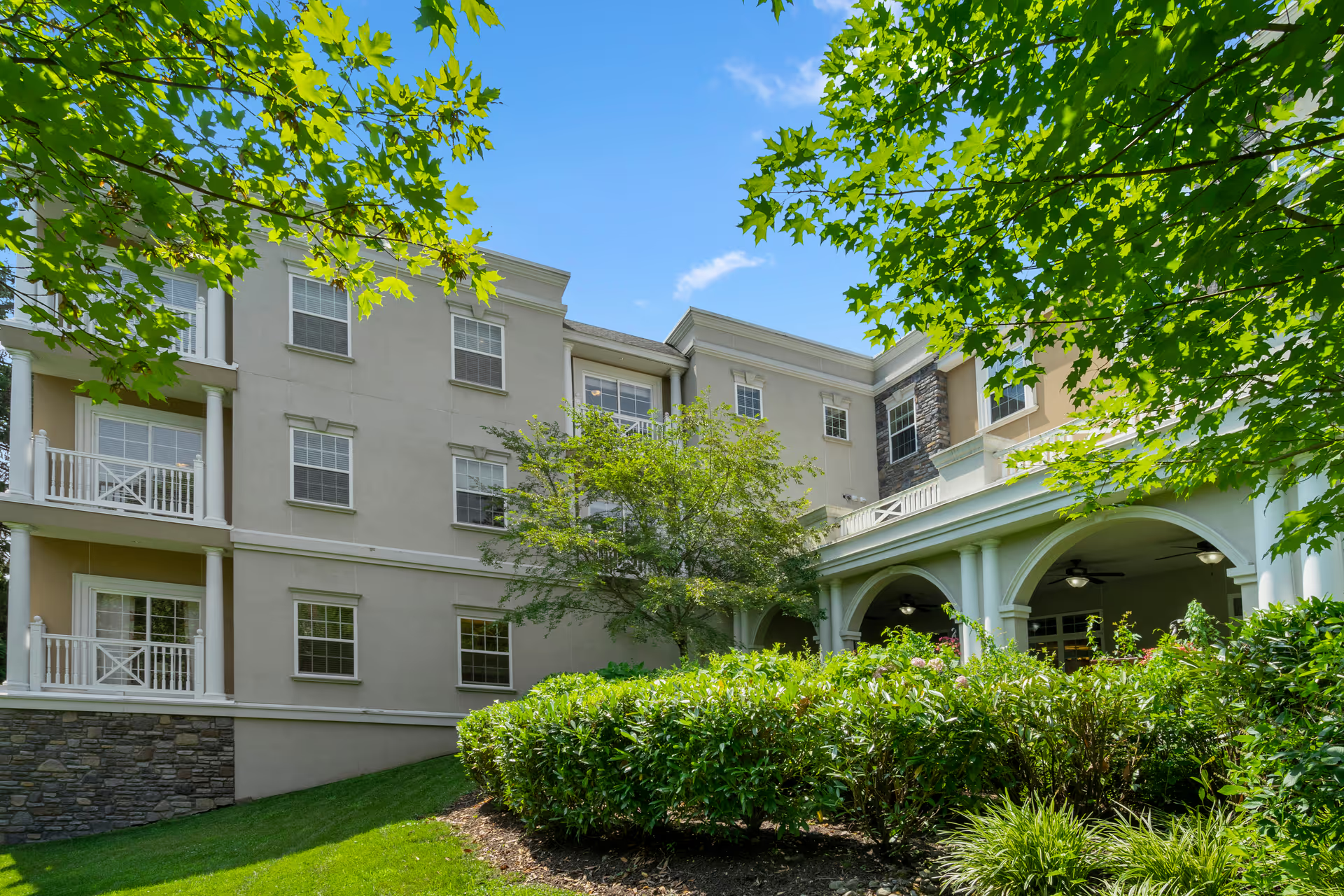
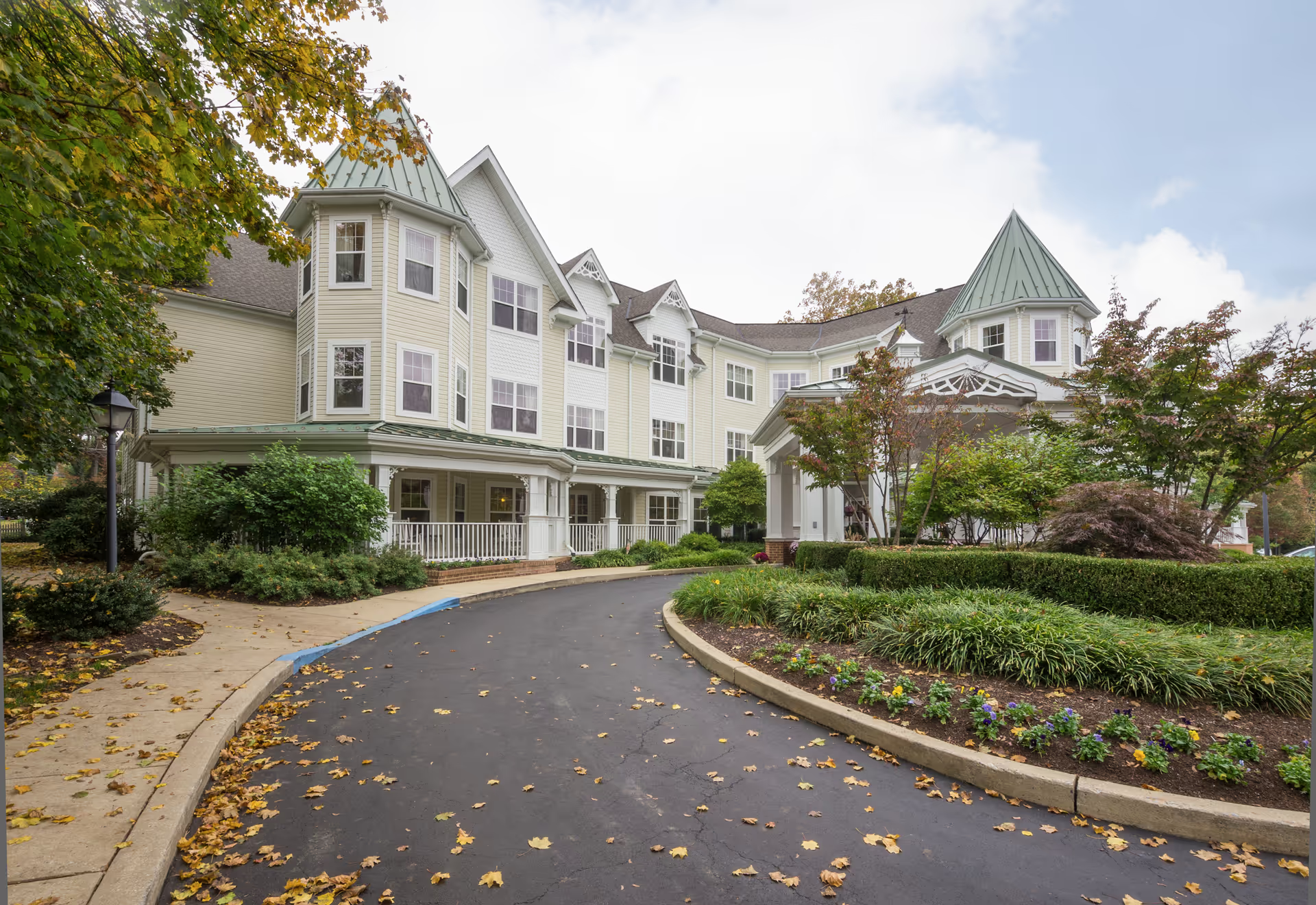
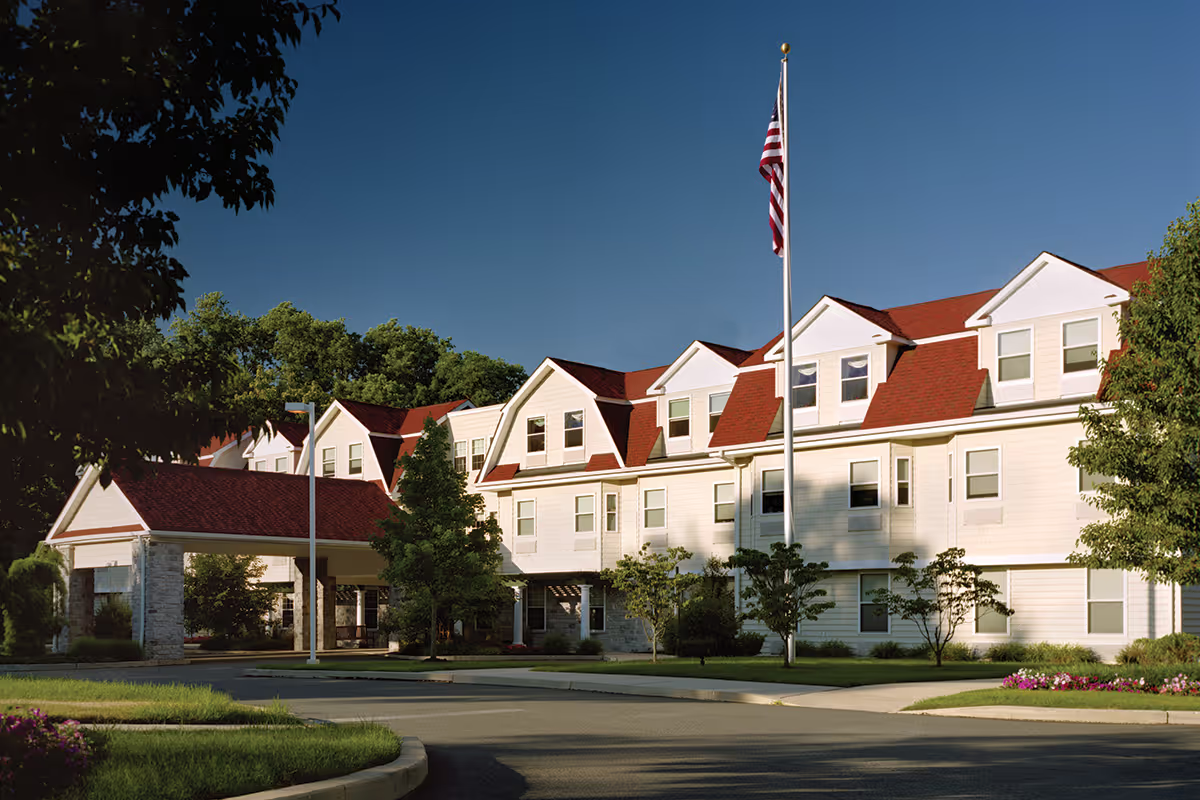
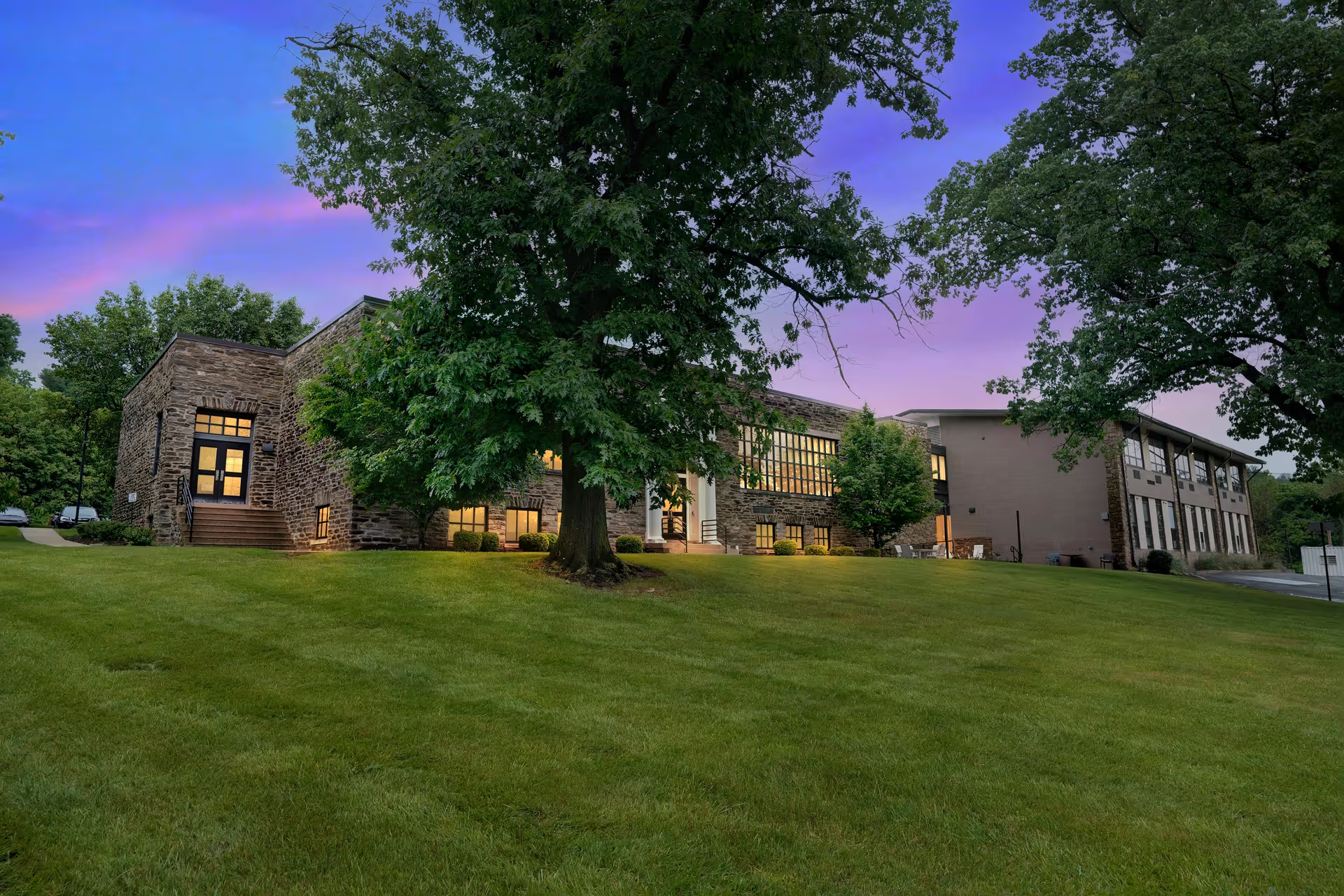
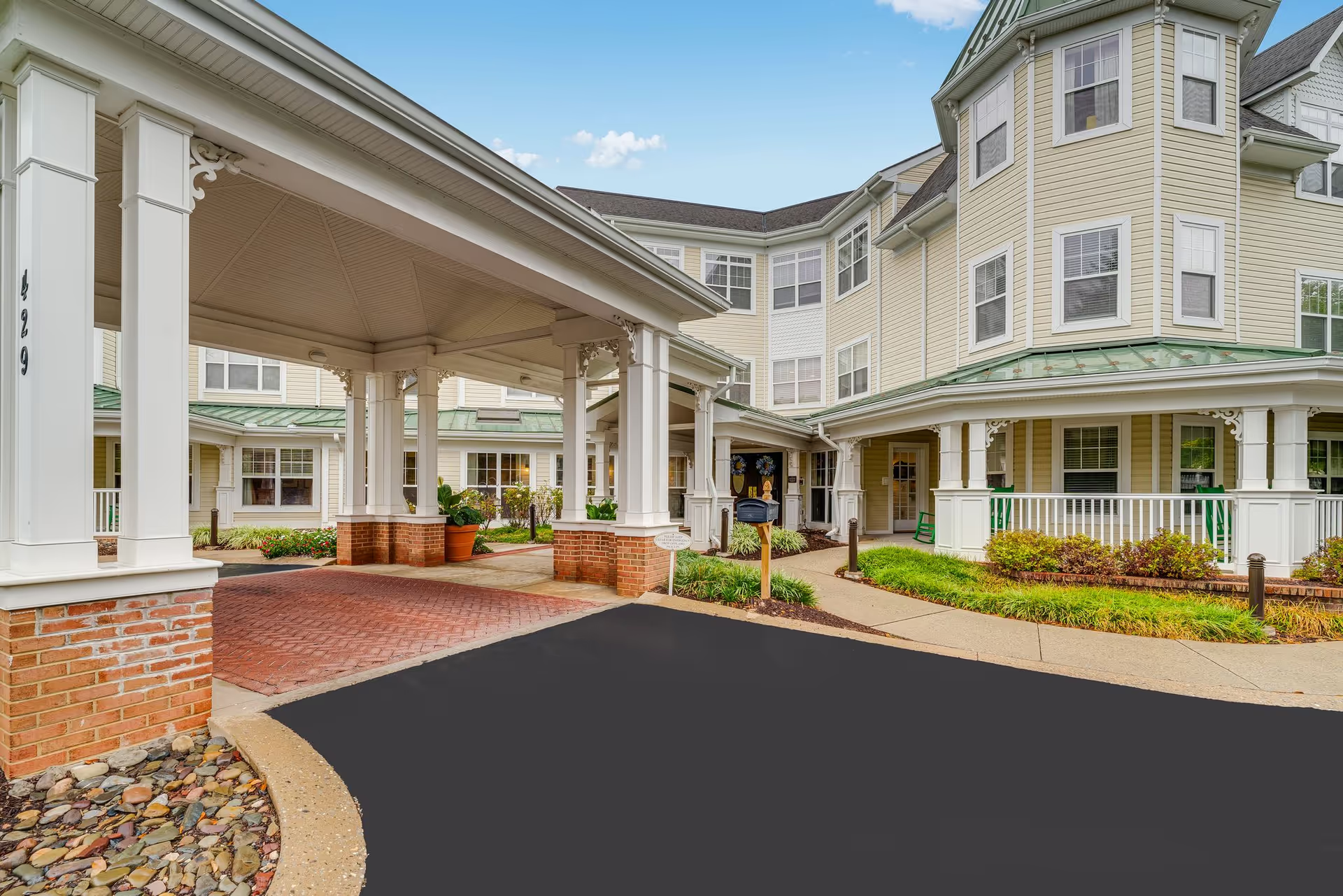
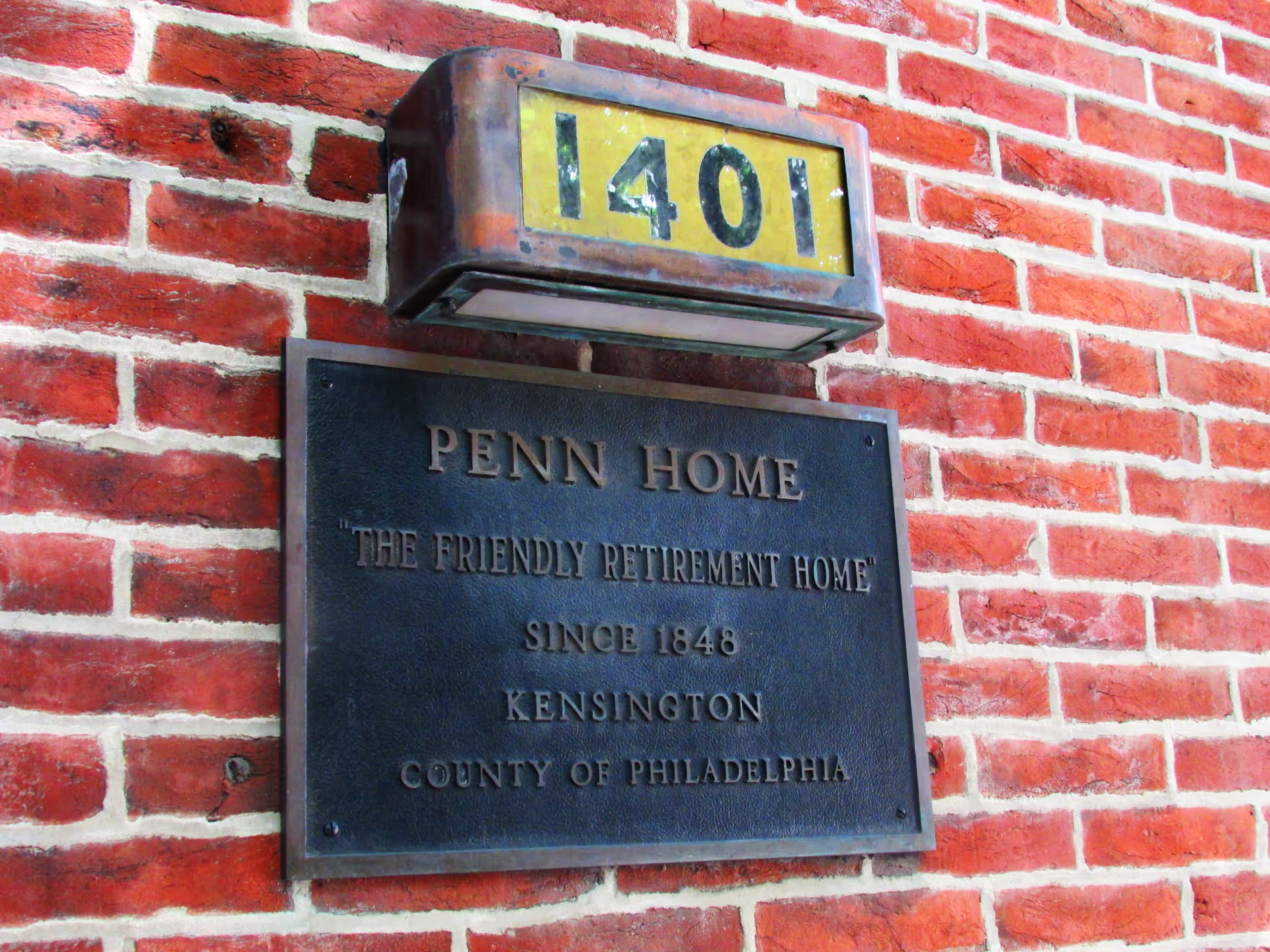
The Hearth at Drexel presents as a small, residential senior living option housed in a historic mansion with well-kept landscaping and a distinct home-like atmosphere. Many families and residents praise the facility’s setting, cleanliness, attractive common spaces, on-site salon, and individualized apartment features (including in-room laundry). The community’s central location near Center City and its smaller scale are repeatedly cited as advantages for people seeking a quieter, domestic environment rather than an institutional setting.
Care quality is described in mixed but specific terms. Numerous accounts highlight compassionate, attentive caregivers, long-tenured staff, good teamwork among nursing/therapy/maintenance/dining teams, and effective end-of-life and hospice support within apartments. Therapy staff and 24/7 nursing availability receive positive mention. Counterbalancing those strengths are recurrent operational concerns: inconsistent staffing levels and delayed backfilling, variability in staff engagement and resident contact, and gaps in medication-management documentation. Several families described incomplete or paper-based care records and variability in how individualized care plans are implemented, which has led to medication and care coordination problems in some cases.
Staff and management impressions are similarly mixed. A substantial portion of feedback emphasizes thoughtful, responsive administrators and individual advocates within the team who communicate well and support families. Conversely, other accounts point to variable leadership visibility, accessibility, and communication—particularly around coordination with third‑party providers and during nonroutine clinical events. High turnover among some caregiver roles, and occasional delays filling vacancies, were identified as operational stressors that affect continuity of care.
Activities and dining are distinct areas of contrast. When the activities program is active and well-staffed, residents benefit from intellectually stimulating offerings (lectures, art classes, games such as Jeopardy and cards), holiday programs, and small-group social opportunities; the small size of the community supports familiar surroundings. However, reviewers noted inconsistency in programming—including periods of limited activity engagement and variability tied to staffing or leadership of the activities function. Dining receives many strong endorsements for quality and presentation, with several reviewers describing standout meals and a pleasant dining environment. At the same time, some families requested greater menu variety, more diabetic/sugar‑free options, and more consistent meal-service accommodations for visitors.
Facility and logistics observations include appreciation for the historic design, tasteful furnishings, fireplaces and patios, and well-maintained landscaping; some interior areas (notably certain upstairs sections) show wear. Unit mix is weighted toward studios and one-bedrooms, with limited availability of larger two-bedroom units. A few reviewers noted low overall occupancy at times, which can influence community dynamics.
Notable patterns: reviewers’ experiences range from highly favorable to critical, producing a polarized impression. Positive patterns center on individualized, compassionate care when staffing and leadership are stable; negative patterns cluster around staffing instability, documentation and medication-management gaps, inconsistent activity programming, and communication shortfalls with families and external providers.
For prospective residents and families: arrange an extended visit that includes mealtime and an activities session, meet the nurse and activities director, ask about current staffing ratios and turnover, request demonstration of electronic care‑plan and medication‑documentation processes, and confirm how third‑party provider coordination is handled. These focused questions will help clarify whether the community’s strong points are present consistently for an individual resident’s needs and whether operational shortcomings have been addressed.