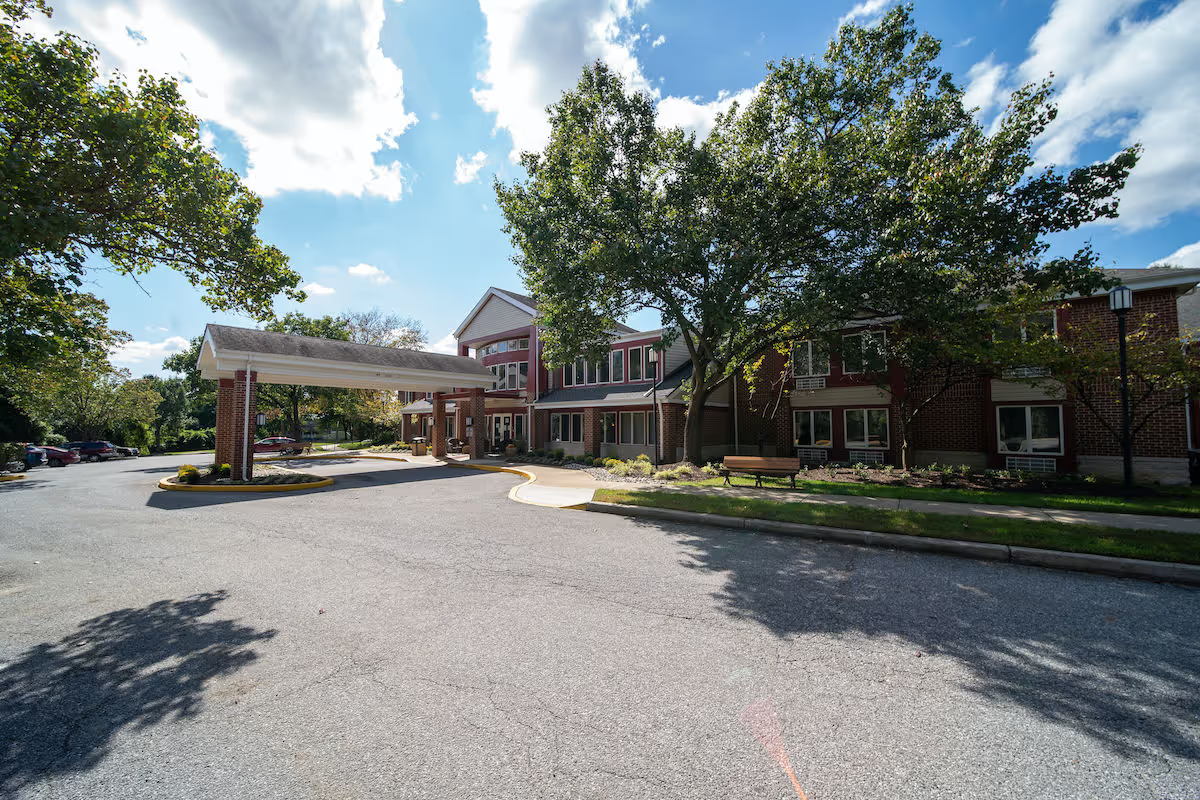
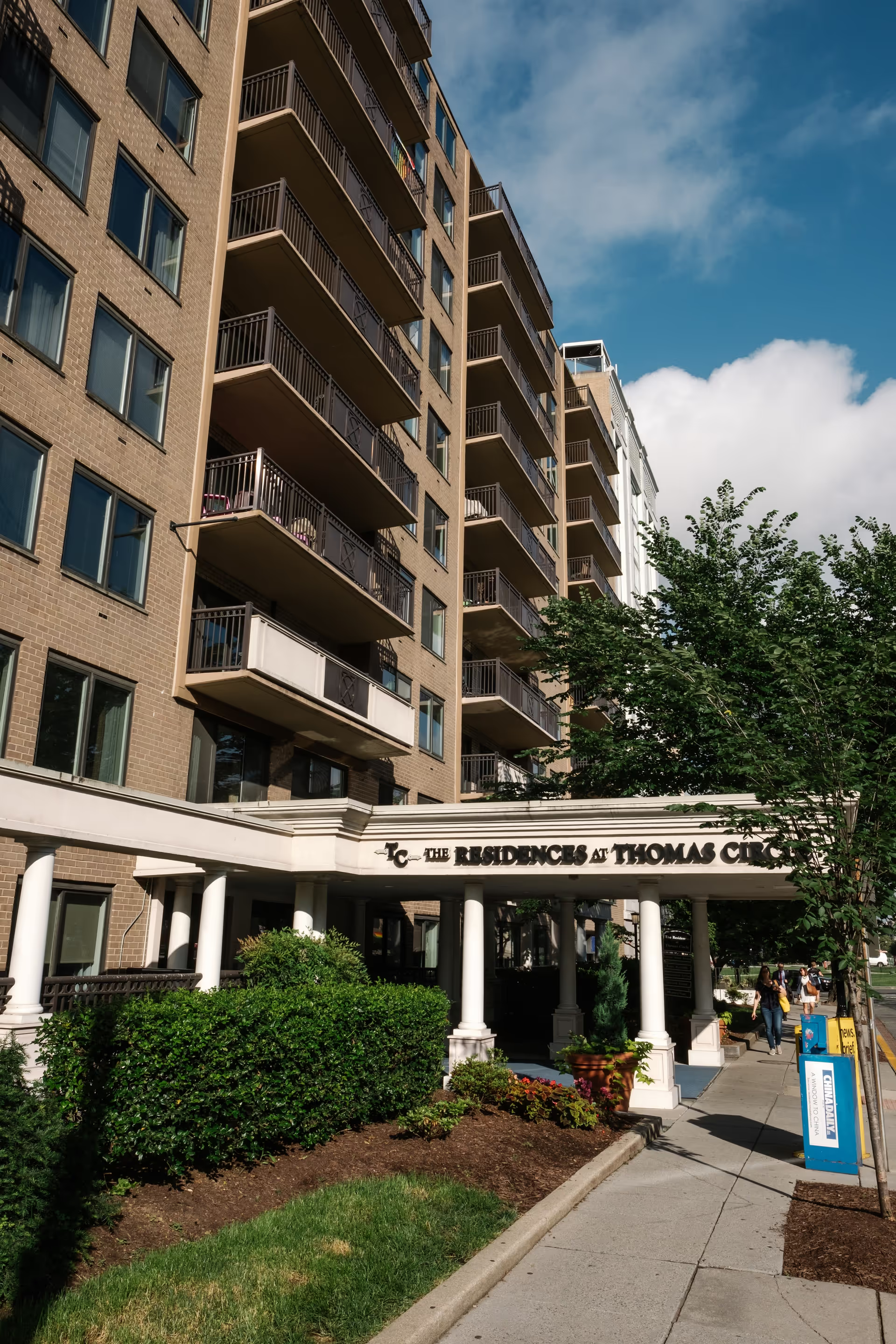
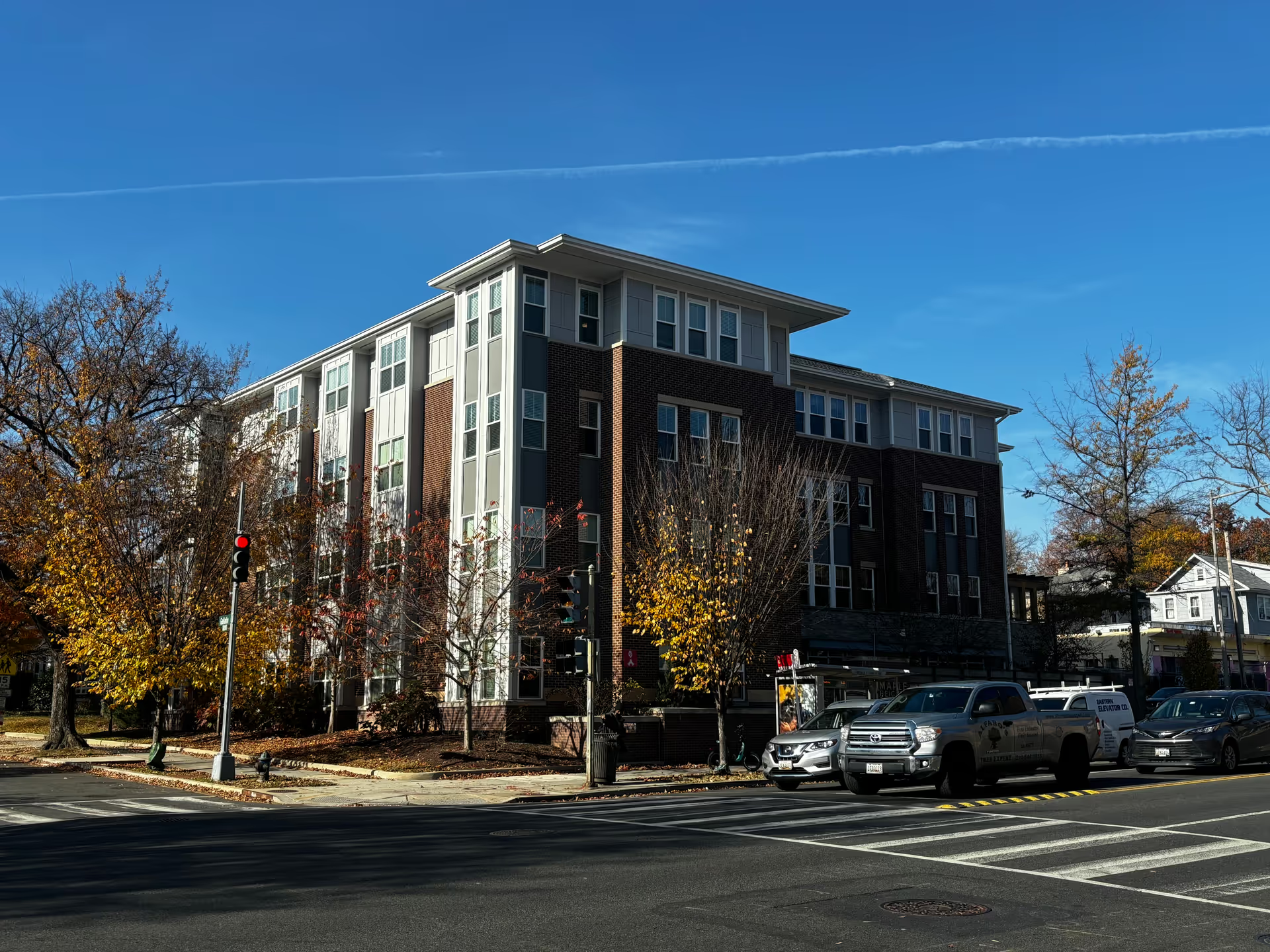
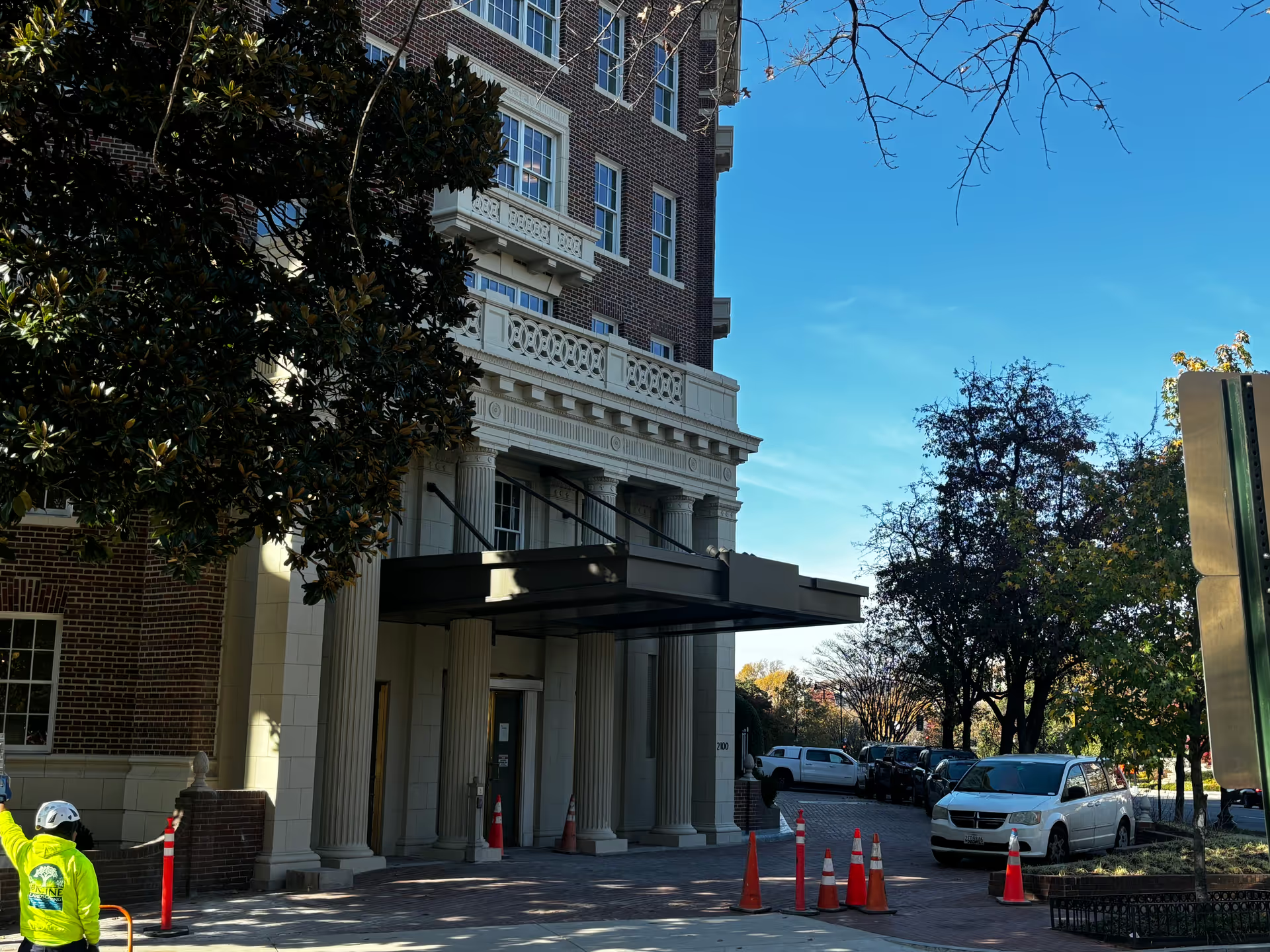
Reviewer feedback presents a mixed picture with a substantial number of operational concerns alongside repeated examples of individual staff members providing compassionate care. Positive commentary centers on direct-care employees and some members of the administrative team who provide reliable personal assistance, regular bathing, respectful transition support, and clear communication for certain families. These strengths appear meaningful to families who had positive experiences, and reviewers specifically praised caregivers who demonstrated empathy and presence.
Clinical care patterns raise notable concerns. Reviewers frequently described inconsistent medication administration (late or missed doses) and therapies that some families perceived as misaligned with physician directives. Several accounts indicate delayed clinical responses for common conditions and frustration with how clinical issues were escalated and communicated to outside providers. There are also reports of incontinence-care delays and other sanitation-related issues that affected perceptions of day-to-day clinical hygiene and comfort.
Staffing and management emerged as a recurring theme. Many reviewers described chronic understaffing and high workload, which they linked to delays in routine care, slower response to call buttons, and variable staff attitudes. At the same time, families noted a subset of staff and administrators who were attentive and supportive. Operationally, reviewers identified gaps in supervision and accountability, concerns about a management approach that pressures long-term designation or delays discharge, and specific allegations of theft and business-office privacy breaches that would warrant careful investigation.
Dining, activities, and social environment were also areas of concern. Multiple accounts cited inconsistent meal temperature and quality, limited food options, and poor communication about meal service. Activity programming was described as minimal or improperly resourced in many descriptions, with residents spending extended periods with limited engagement. Environmental factors such as dim lighting in corridors, isolated rooms with limited stimulation, and intermittent breakdowns of heating/ice/water equipment contributed to a perception of an under-resourced living environment.
Facility maintenance and safety issues were reported alongside slow repair responses and shortages of basic supplies (bed gowns, pads). Reviewers raised privacy and safety oversight issues, including reports that made families uncomfortable and suggestions that staffing patterns sometimes left safety and privacy inadequately monitored. Several families also connected staffing and operational weaknesses to a diminished ability to manage infection-control isolation periods in a way that supported residents’ well-being.
Taken together, the pattern suggests a facility with pockets of strong, compassionate caregiving that are undermined by systemic operational weaknesses: understaffing, inconsistent clinical and medication processes, sanitation and laundry-control gaps, and management practices perceived as prioritizing administrative goals over timely, individualized discharge or care decisions. Prospective families should consider on-site visits focused on current staffing levels, medication administration protocols, laundry and property controls, activity schedules, maintenance response times, and how the facility documents and communicates clinical incidents. Asking for recent inspection reports, staffing ratios for the unit of interest, and references from current families may help clarify whether strengths described by some reviewers are consistent at the time of placement.