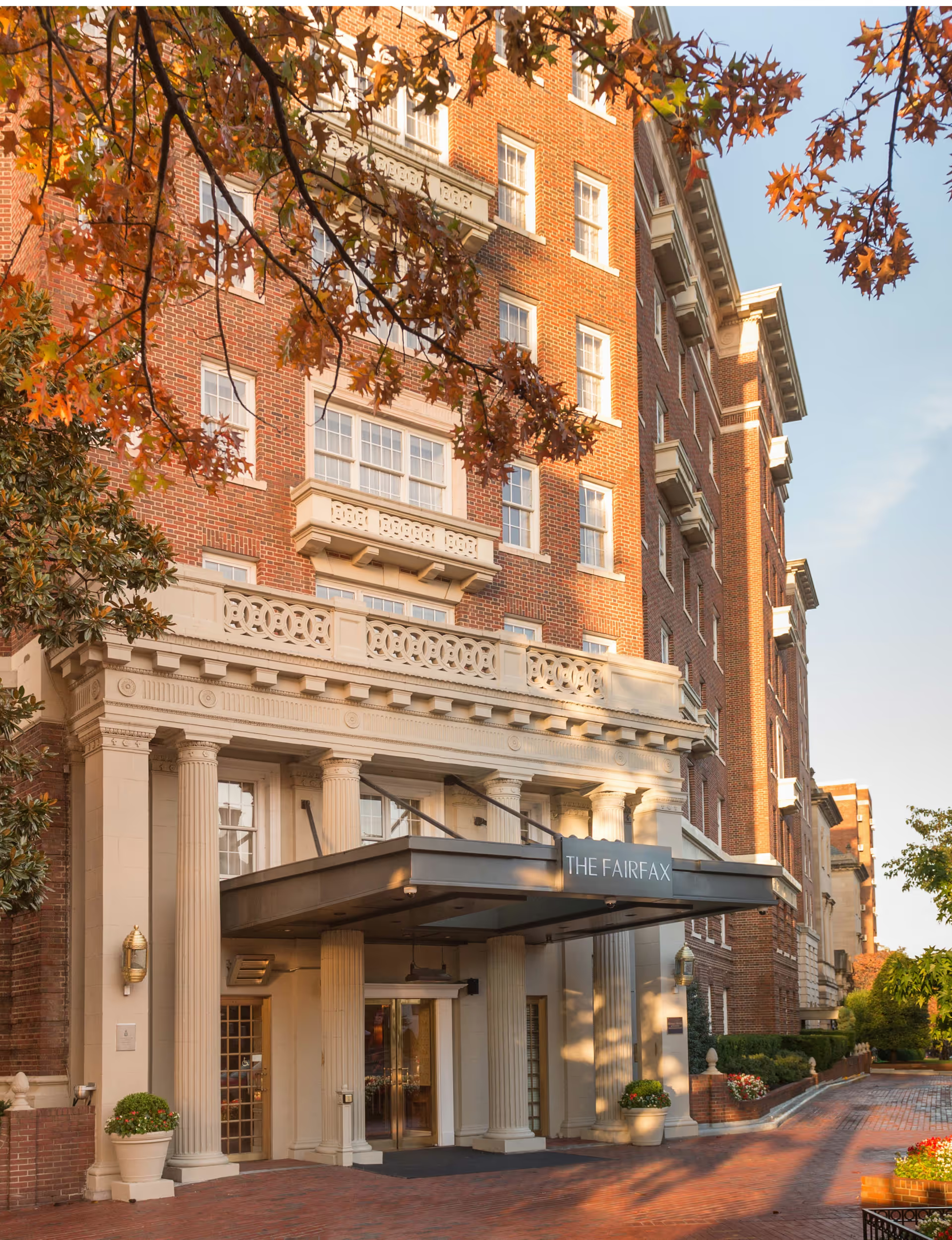
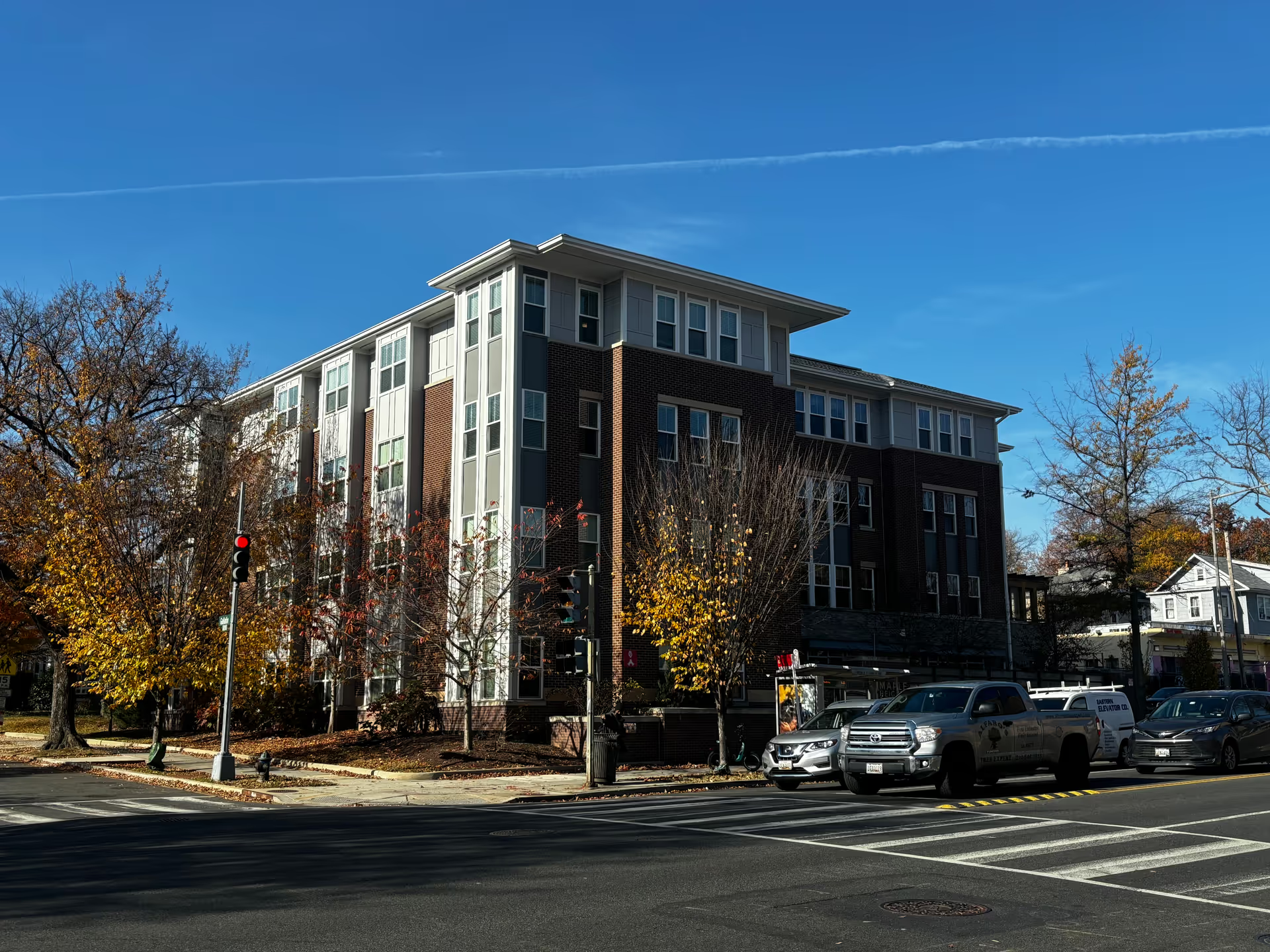
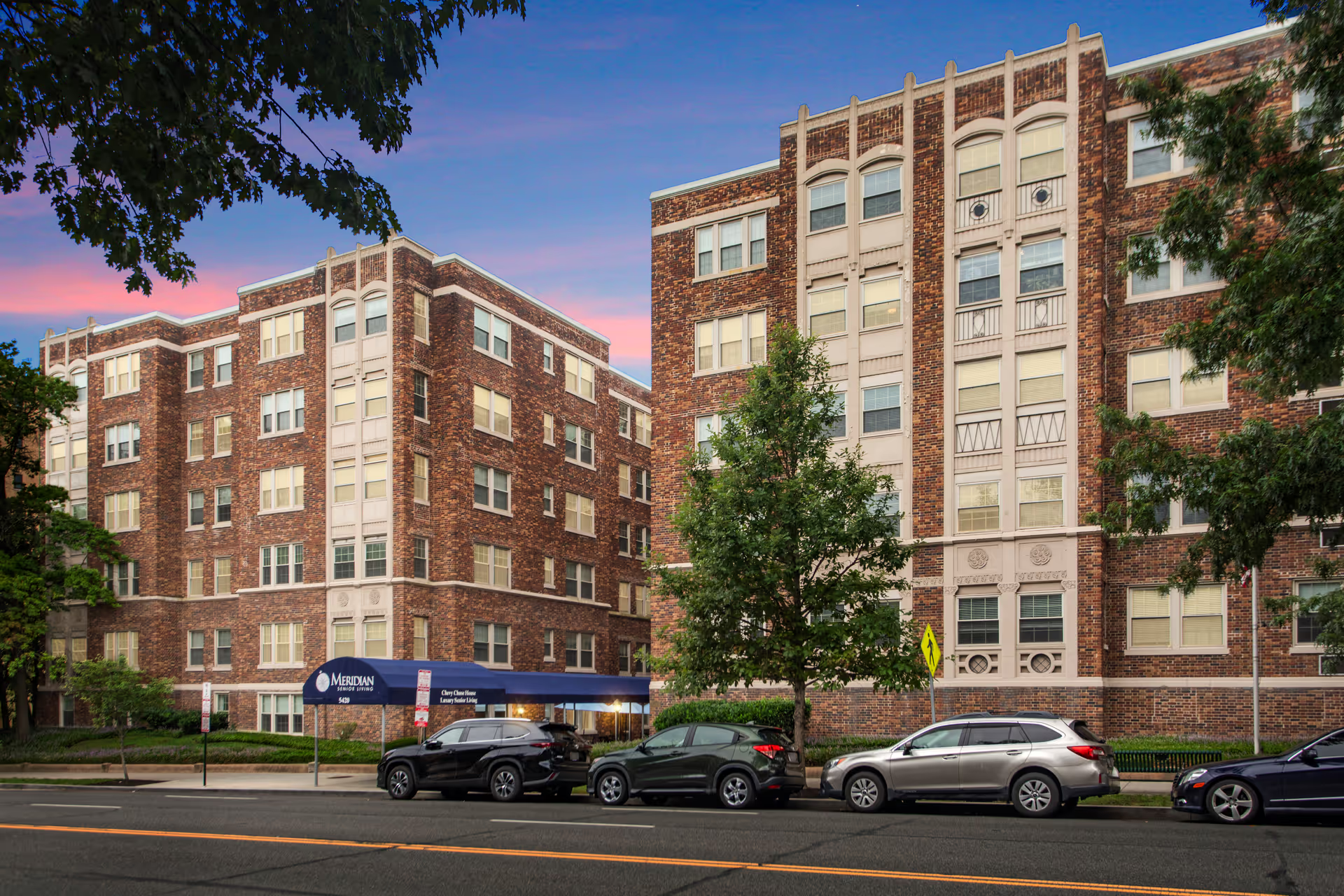
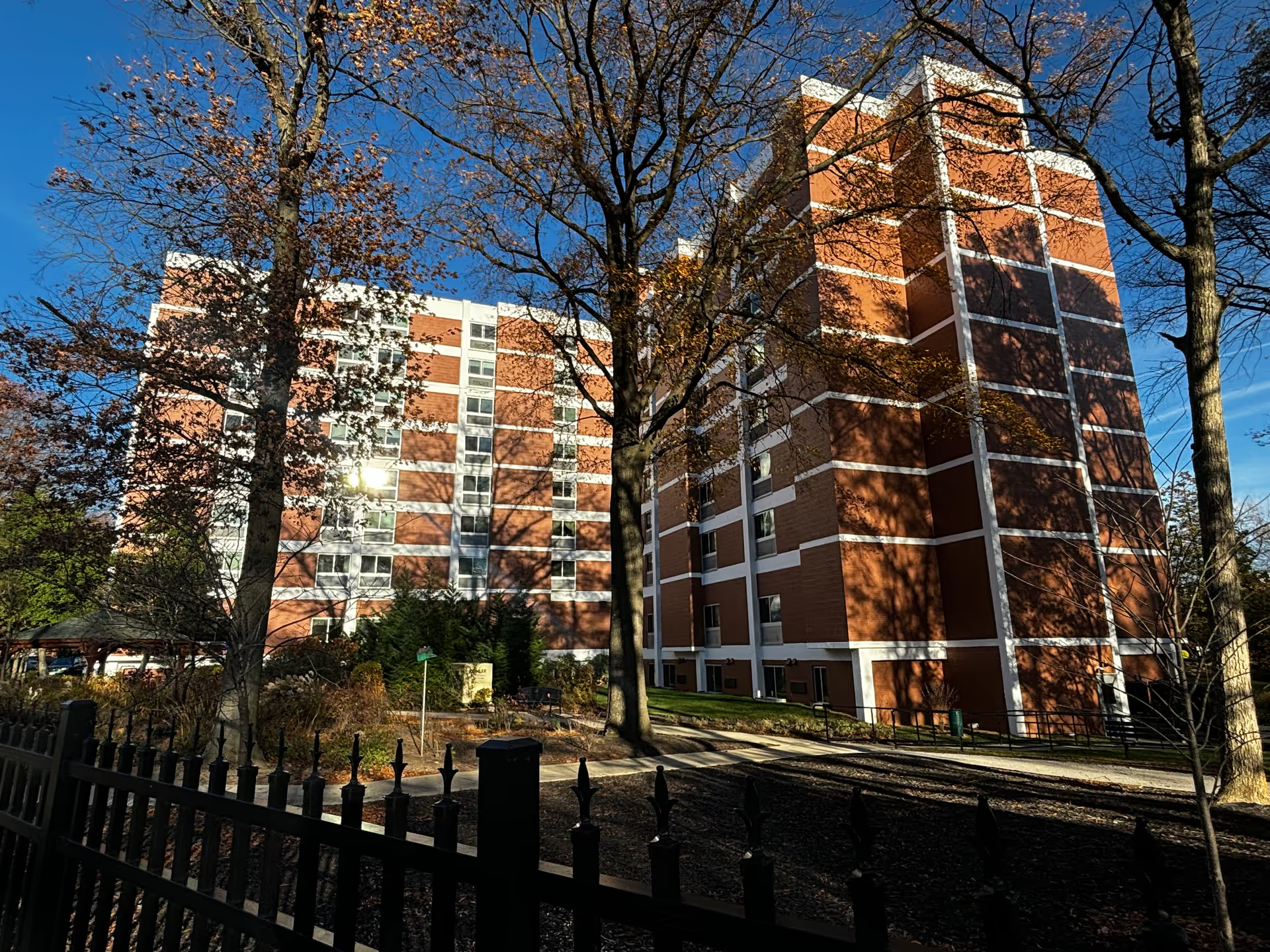
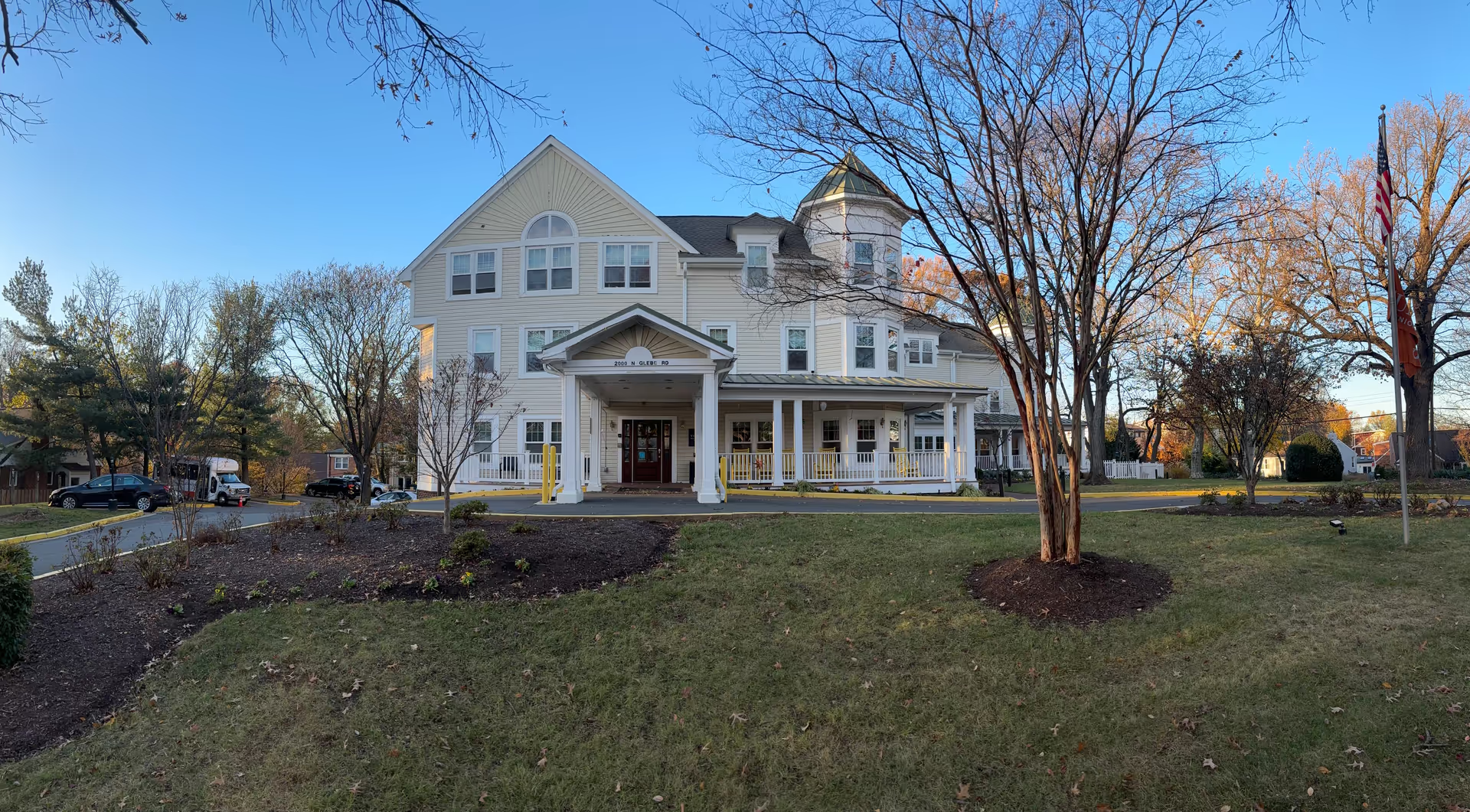
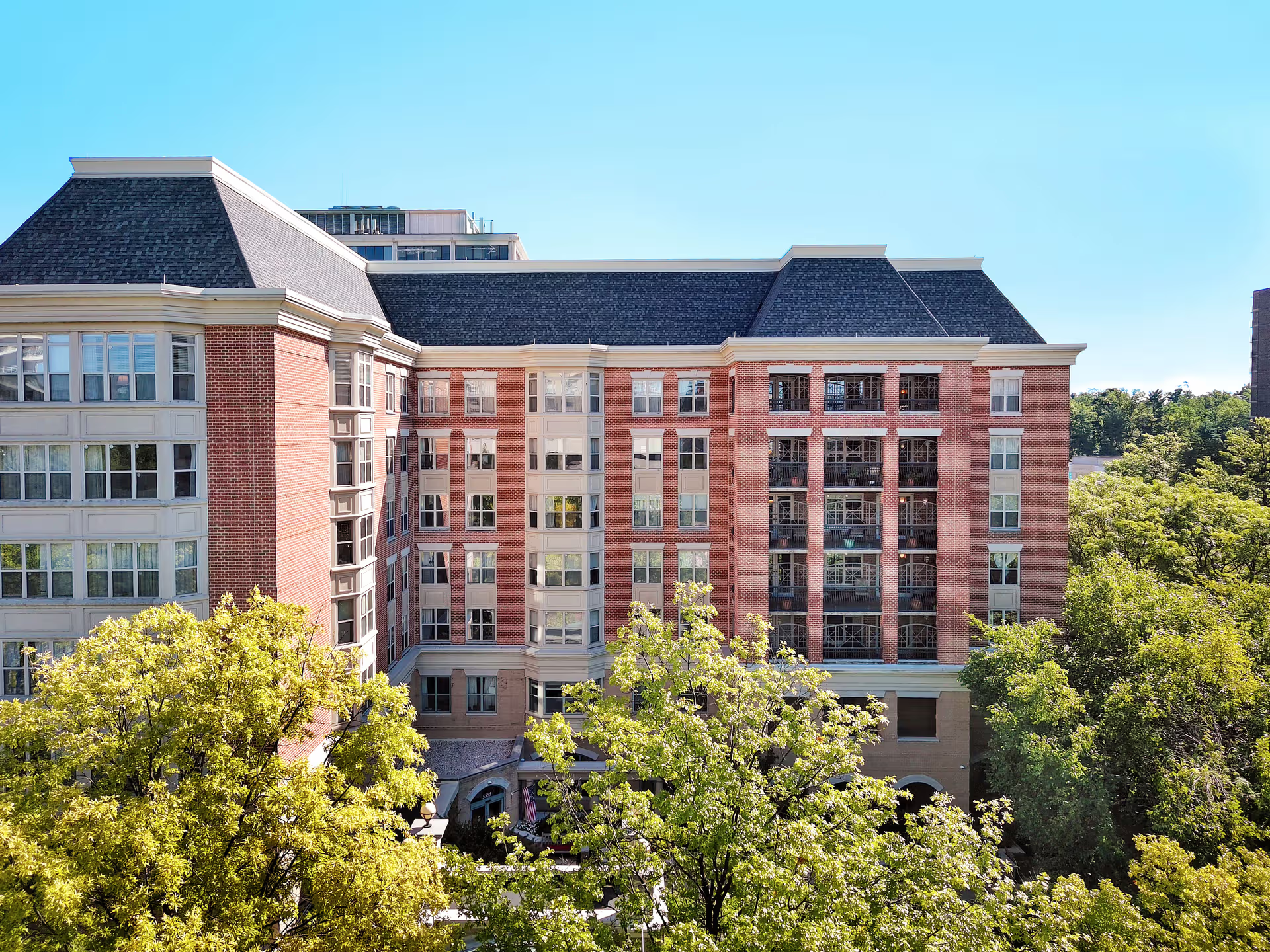
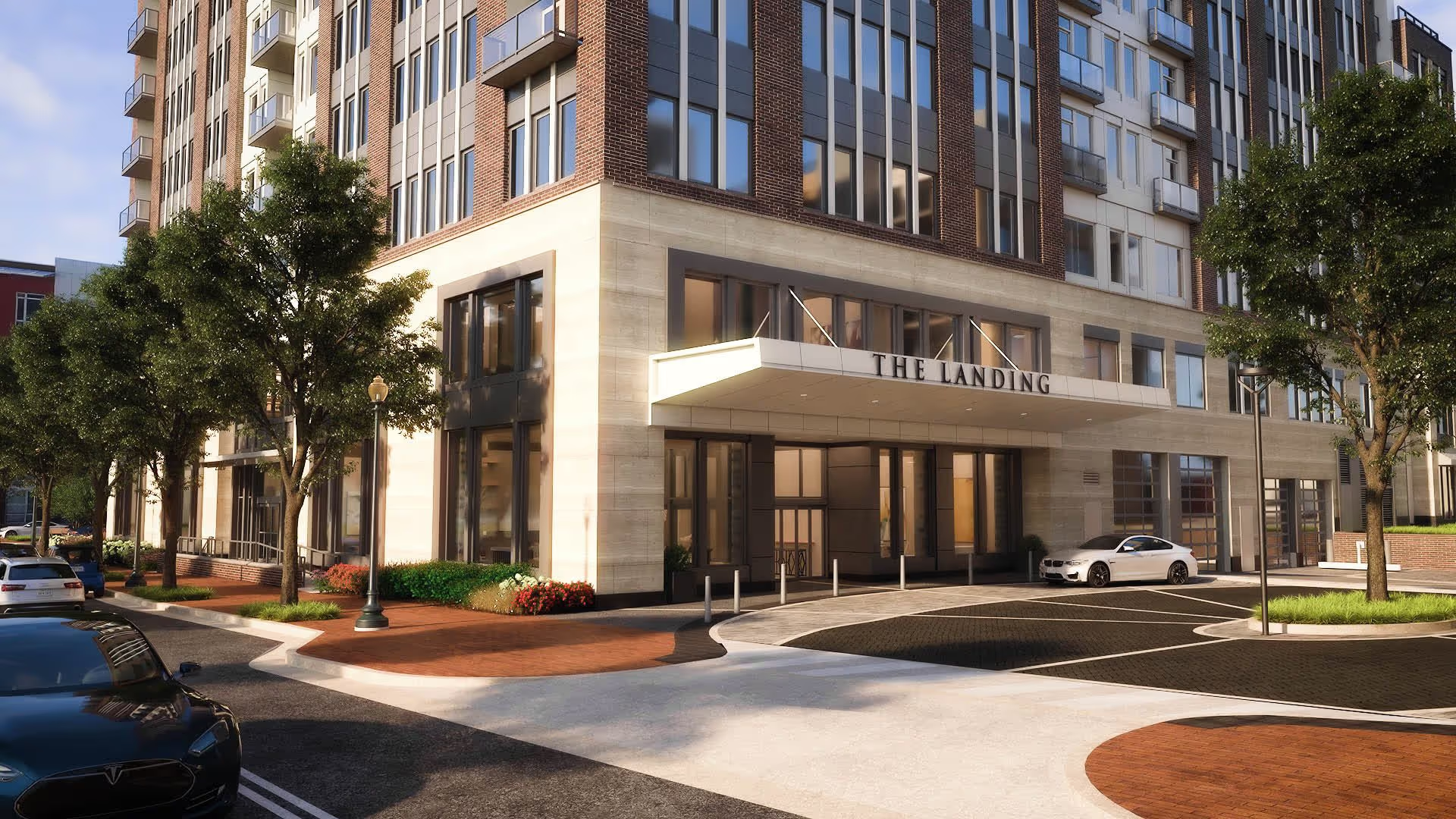
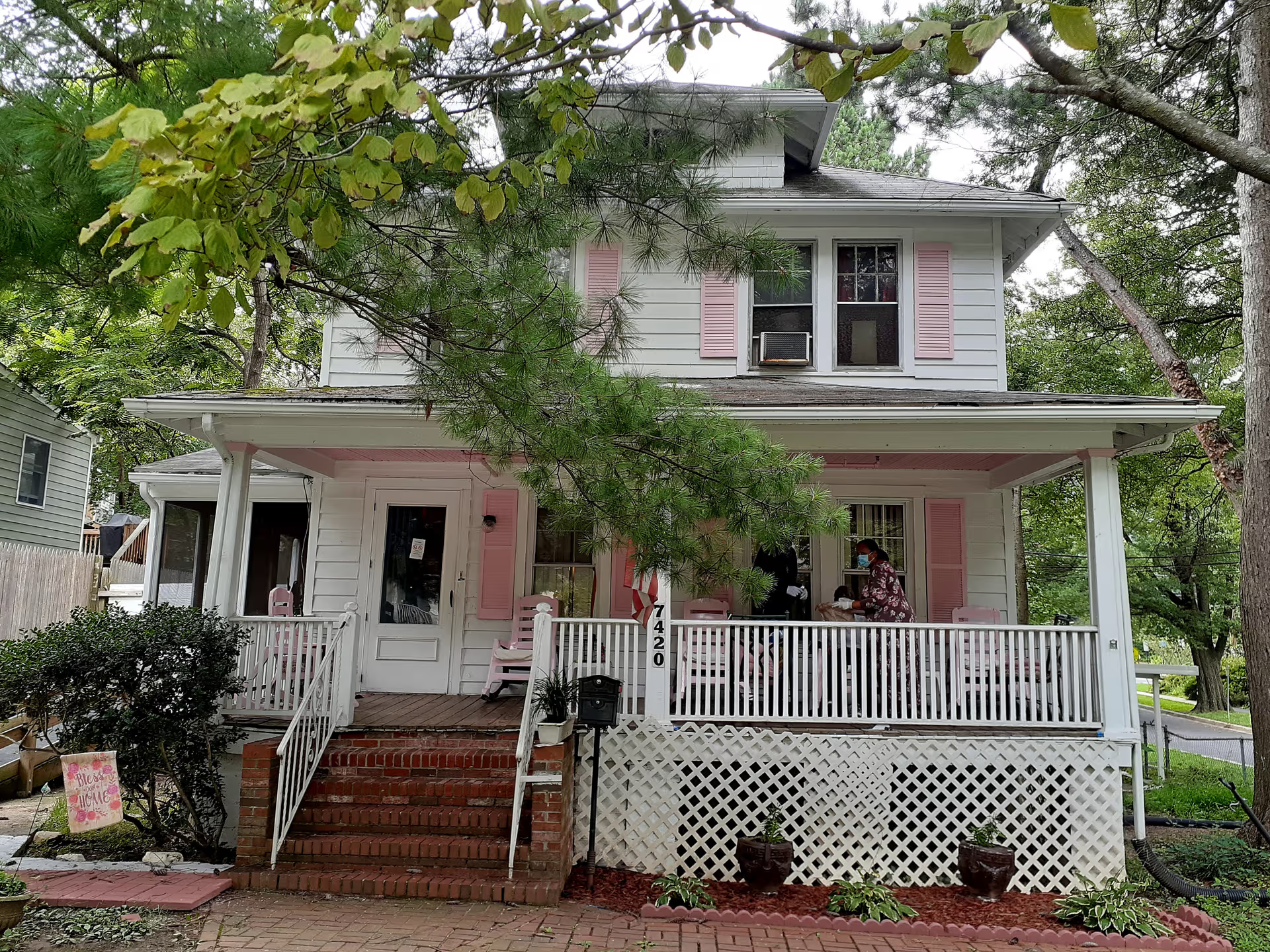
Thomas House elicits a broadly mixed but generally positive impression with several consistent strengths. Reviewers emphasize strong, compassionate frontline staff and a deep-service model for independent living: well-appointed apartments (many with balconies), an urban location close to shops and cultural venues, an active calendar of classes and outings, and an array of amenities including a rooftop pool, movie theater, salon, bistro, fitness center and on-site PT/rehab. The community also offers rental flexibility for independent living and hands-on move-in support, which many families found helpful.
Clinical resources are a notable asset for many residents. Multiple accounts describe an on-site medical presence, 24-hour nursing coverage, and ready access to therapists and rehabilitation services that support post-acute recovery and ongoing mobility work. Memory-care and skilled-nursing neighborhoods receive positive mentions when the multidisciplinary team is present and engaged. At the same time, there is variability in clinical experience: some reviewers describe very high-quality, individualized care, while others report concerns about responsiveness, medication management, and coordination between departments.
Dining and social programming are frequently cited as strengths—chef-prepared meals, themed dinners, nightly movies, and robust educational and fitness offerings contribute to a lively social environment. However, meal quality is not uniformly described: several comments praise the cuisine highly, while others describe declining or inconsistent food service under current management. Social life is active and stimulating for many residents, though a subset of reviewers noted cliquish social dynamics and limited staff intervention in interpersonal tensions.
Operational and facility issues surface repeatedly. Common practical concerns include parking constraints, limited outdoor green space given the urban setting, and aging physical-plant elements such as HVAC and other maintenance items. Accessibility limitations are present in some assisted-living apartments (e.g., sink or doorway accessibility), which could affect residents with mobility needs. Staffing levels and training are cited as uneven in certain care areas, producing delays in assistance and variability in day-to-day oversight. There are also isolated sanitation and incontinence-care concerns described by families, which reviewers framed as issues with consistency of housekeeping or care responsiveness.
Organizationally, reviewers portray a mixed picture of leadership. Several reviews praise engaged, accessible leaders and exemplary department directors who set a strong tone for staff; other accounts highlight turnover, communication inconsistencies, and at least one allegation of financial/billing impropriety that prospective families should note and, if concerned, investigate further. Cost is consistently described as high relative to the market, though many families felt the services and central location justified the price.
Taken together, Thomas House appears to be a strong option for older adults who value an active urban lifestyle, onsite medical and rehab resources, and a full amenity set—especially for independent living and recovery-oriented stays. Prospective residents and families should plan visits that include detailed conversations about staffing ratios and training for the specific care level they require, wheelchair and bathroom accessibility in the unit type under consideration, current dining practices, parking logistics, and any billing/contract details they want clarified. Those considering assisted living or skilled nursing should seek current, unit-specific information about clinical staffing, incident response, and sanitation practices to ensure the community aligns with their care expectations.