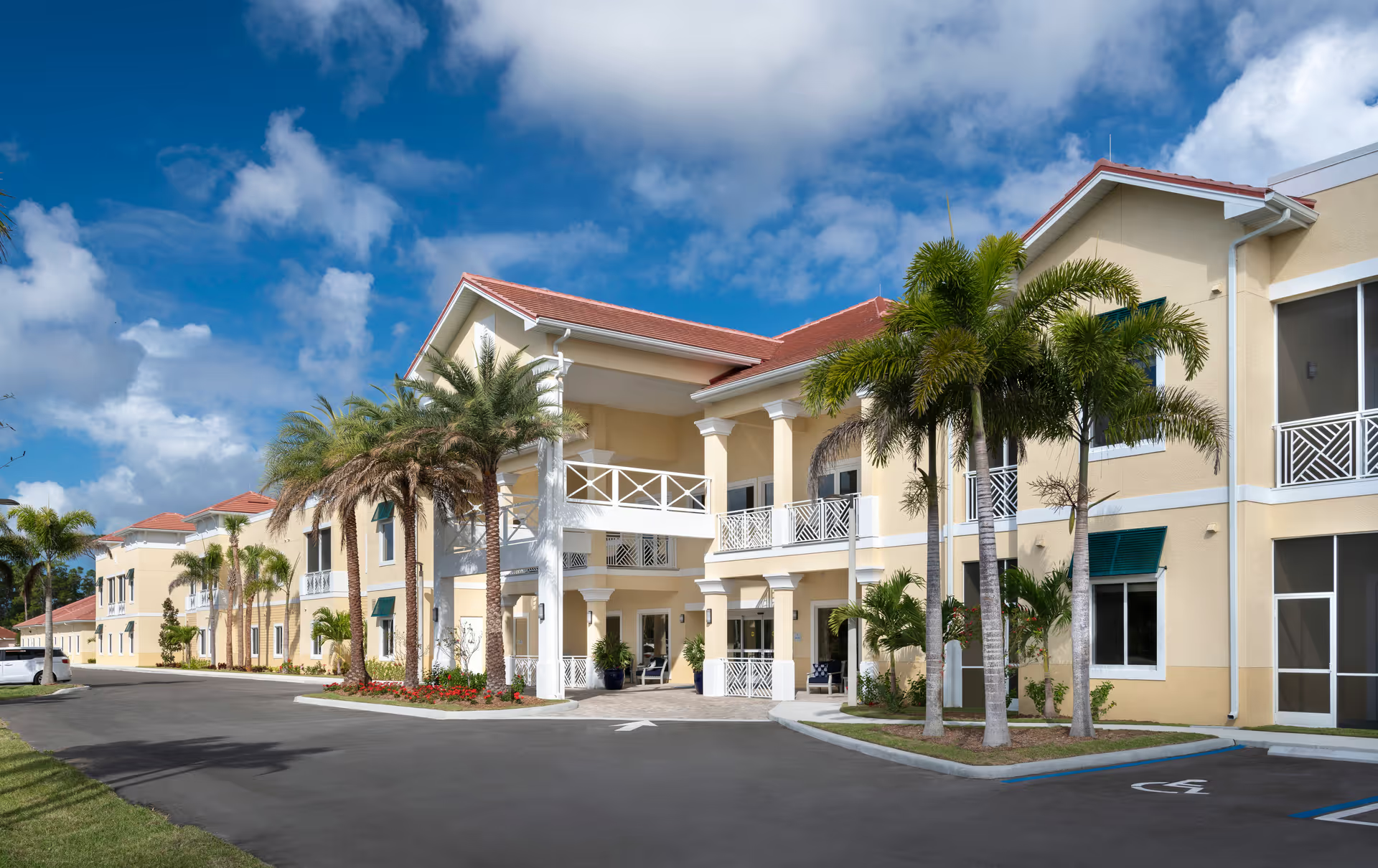
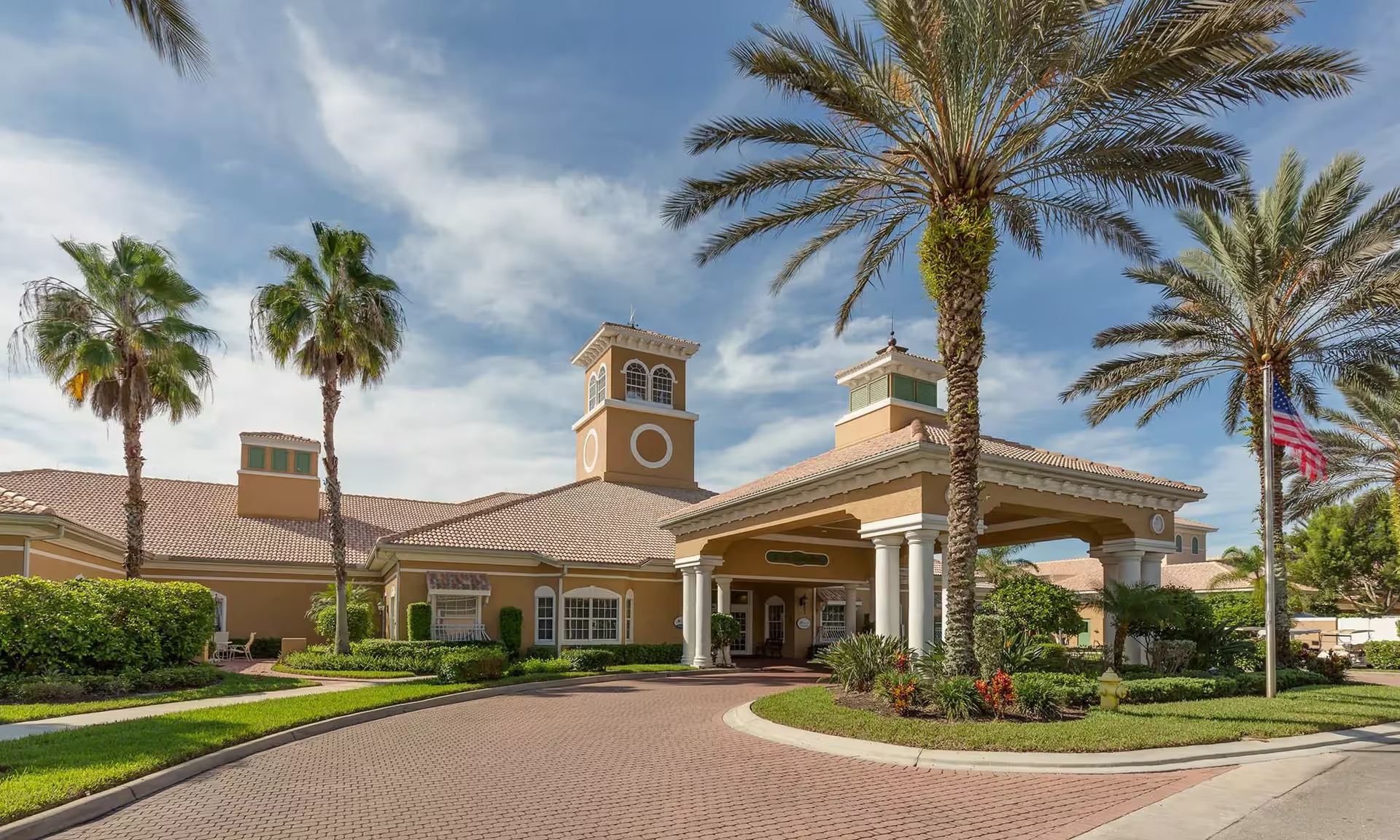
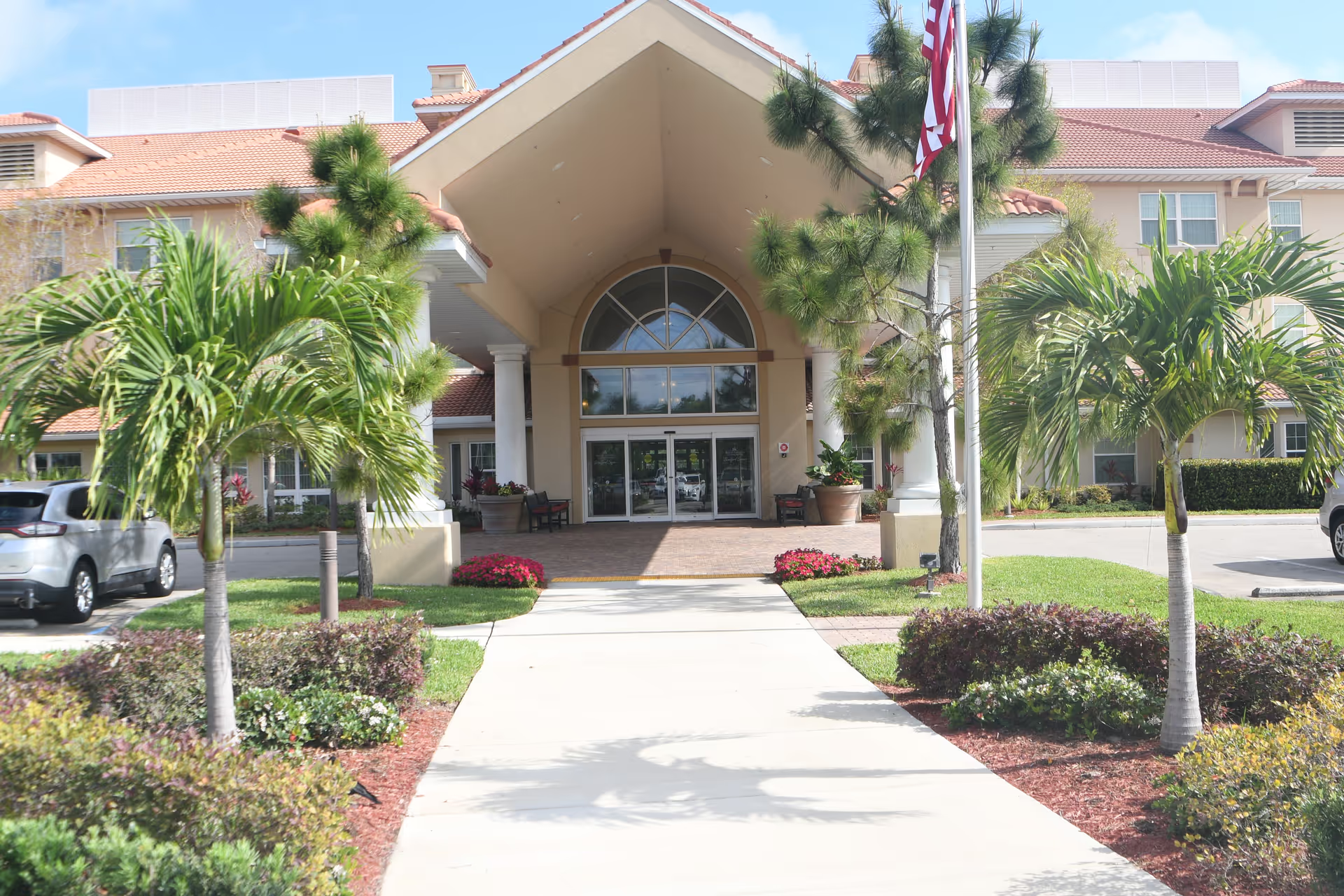
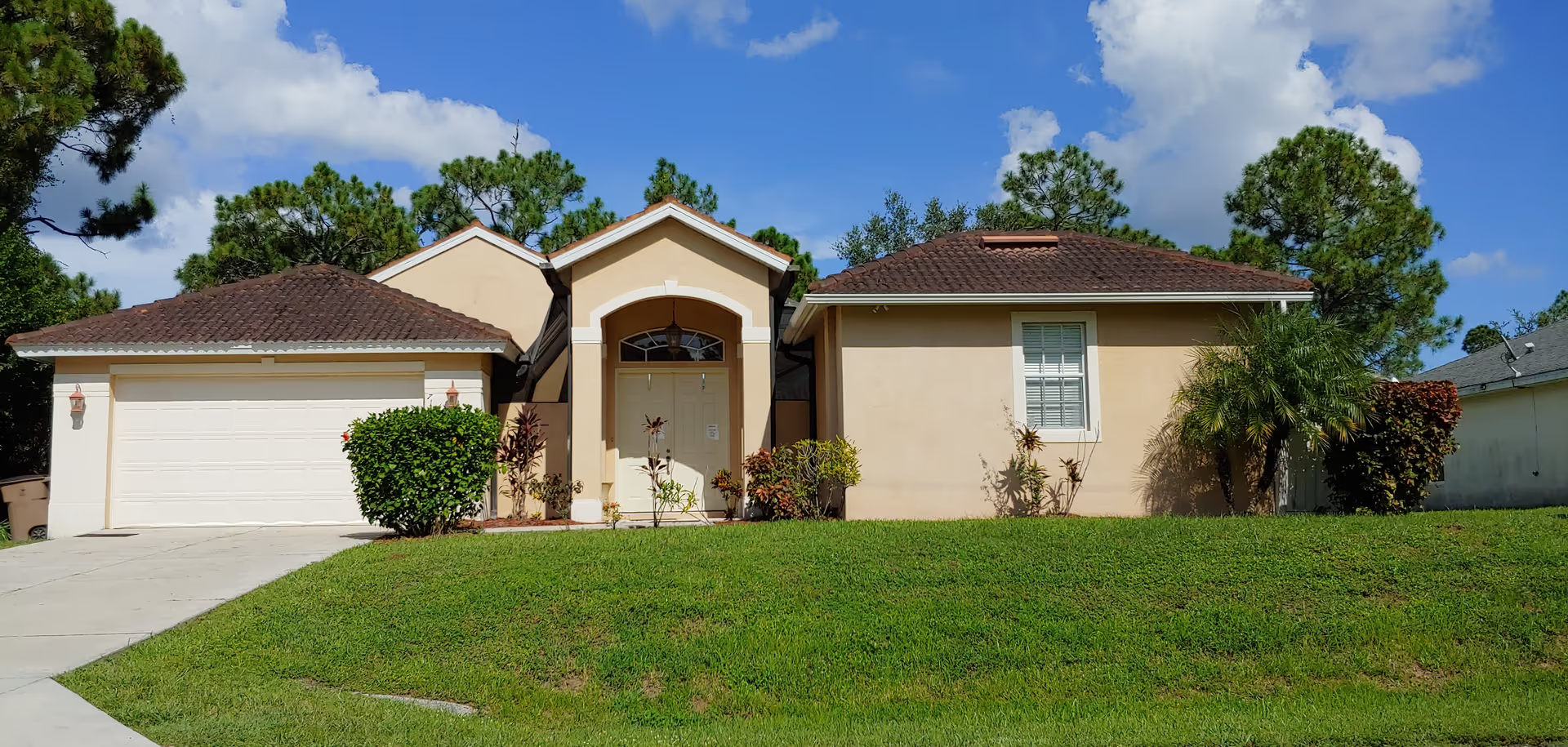
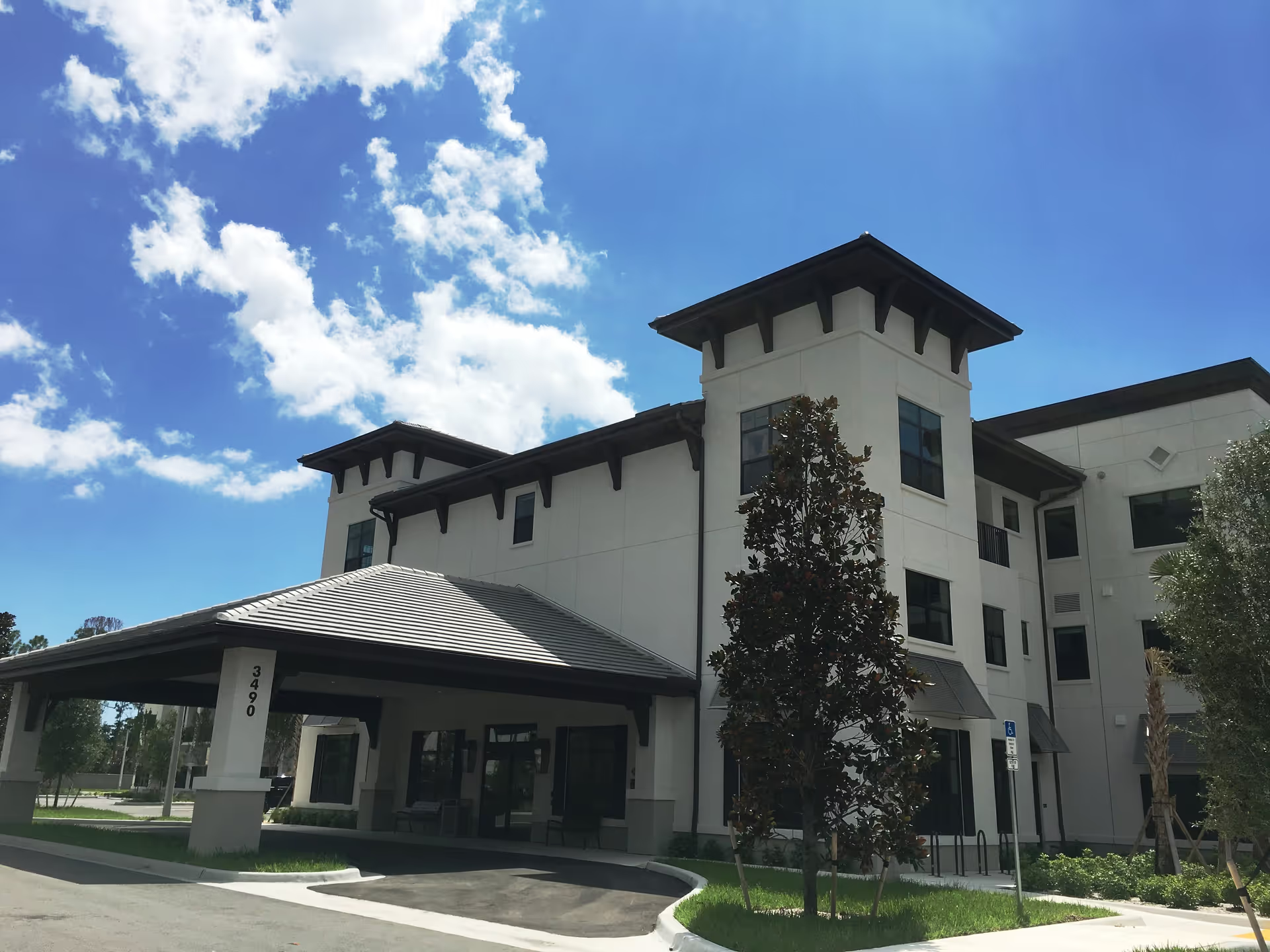
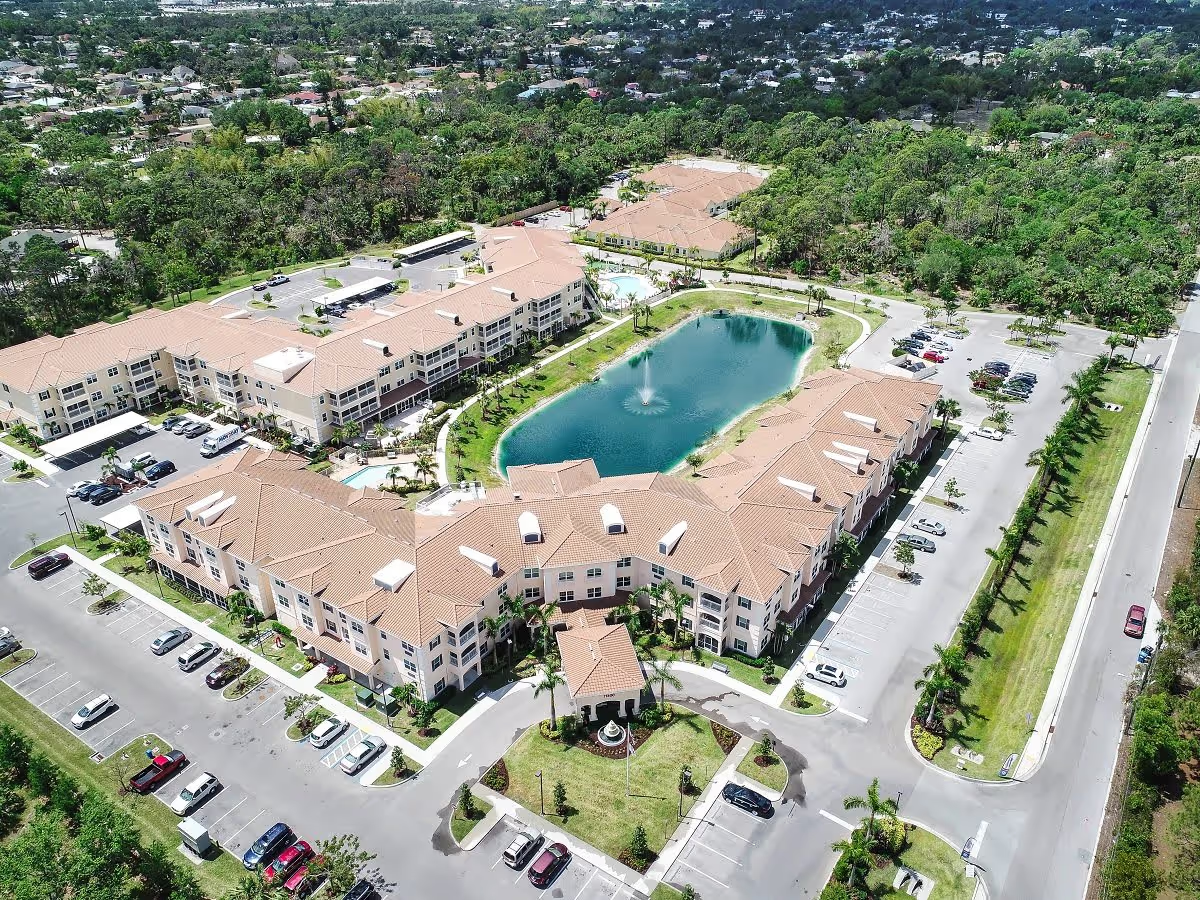
Del Webb Naples (Del Webb at Ave Maria) presents as a large, active‑adult community with a strong emphasis on resort‑style living. The development consistently receives praise for well‑designed homes, high‑quality interior finishes, and attractive, well‑maintained landscaping. Common facilities are extensive: multiple clubhouses, pools, a fitness complex, golf amenities, and a breadth of clubs and programming that support an engaged social life. The setting — preserved natural areas, water features, golf vistas and sunset views — is a consistent draw for residents seeking a peaceful, low‑traffic atmosphere with a small‑town feel.
Staffing, sales and on‑site management are prominent strengths. Many residents describe the sales, construction and field‑management teams as professional, communicative and responsive; warranty issues and finishing touches are often handled promptly according to these accounts. The HOA and community management are also frequently characterized as organized and attentive, contributing to the perception of a well‑run community and a strong sense of neighborliness.
Dining and activities are generally viewed positively: several reviewers praise on‑site restaurants, bars and clubhouse service, as well as the variety of clubs, water‑based recreation and golf programming. That said, there are recurring operational concerns around amenity design and delivery. Some residents find dining options and poolside service limited relative to expectations, and a specific dining venue was perceived as smaller or differently configured than anticipated. Specialty hobby spaces such as kilns, woodworking or expanded crafts areas are limited or not included in current expansion plans, which constrains makers‑type programming for interested residents.
Construction and project management present a mixed picture. While many buyers report rapid build times, clean move‑ins and strong workmanship, other accounts describe inconsistent construction quality and quality‑control issues attributable to variable subcontracting and labor practices. Project timing has also been affected by supply‑chain disruptions and there are documented delays in some planned amenity upgrades (for example, course renovations). These points suggest variability in builder performance and in construction schedules that prospective purchasers should assess during their decision process.
Location is an explicit trade‑off. The community’s preserved, tranquil setting and lower cost relative to Naples are advantages, but the site is relatively remote from retail, medical services, pharmacies and visitor lodging. Residents value the golf‑cart accessibility to local points like the town center and grocery, yet families should evaluate access to nearby clinical care and hospitality for guests. Finally, governance and amenity planning have been described as oriented toward operational efficiency at times, with some residents expressing a desire for more member input on amenity design and prioritization.
Overall, Del Webb Naples offers a strong active‑adult environment with robust social programming, attractive facilities and many service strengths. Prospective residents should weigh the benefits of the community’s lifestyle and value proposition against the operational limitations noted above — specifically construction consistency, amenity design trade‑offs, and distance to medical and retail services — and verify expectations for dining, hobby spaces and timeline commitments before purchase.