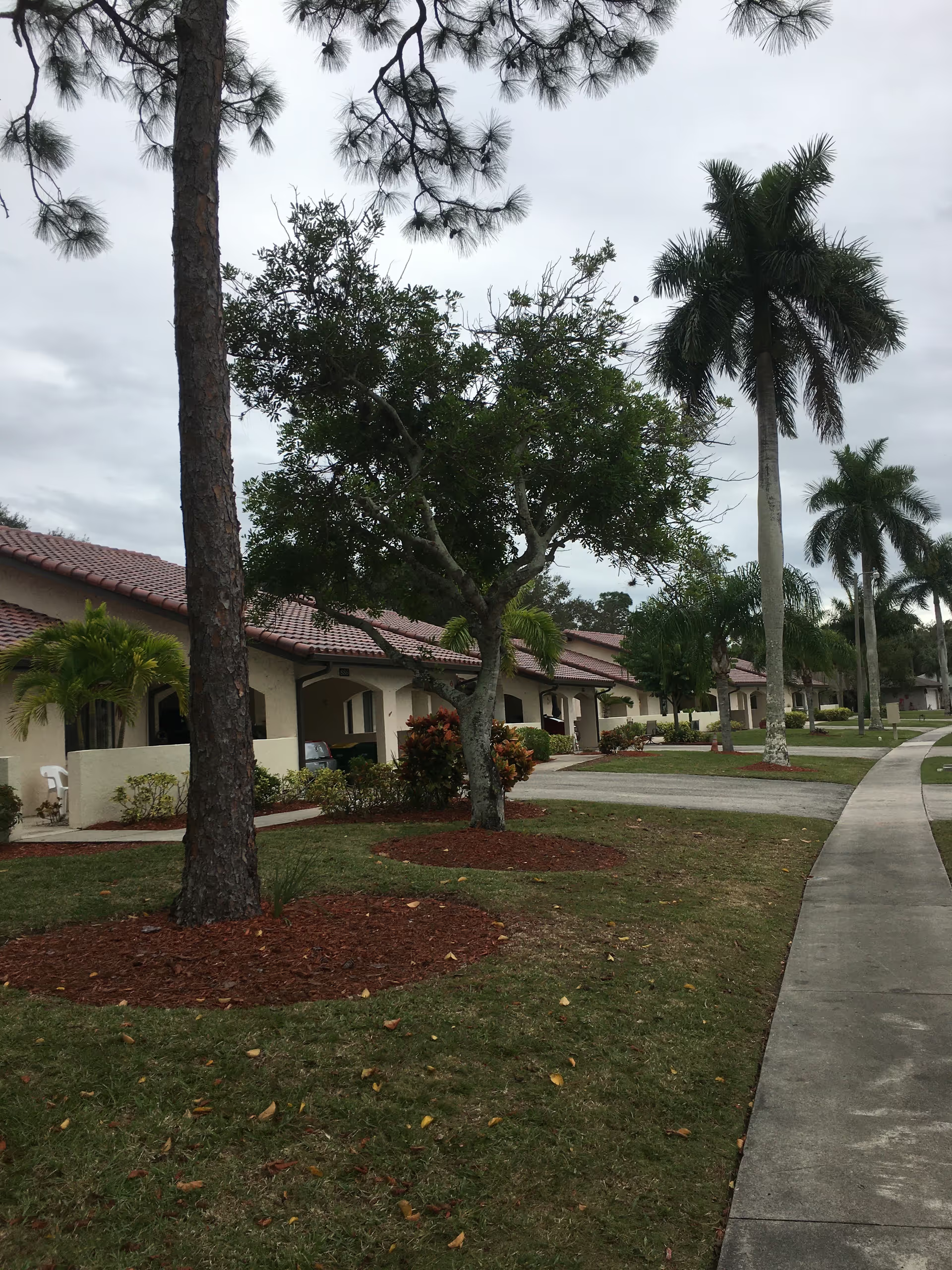
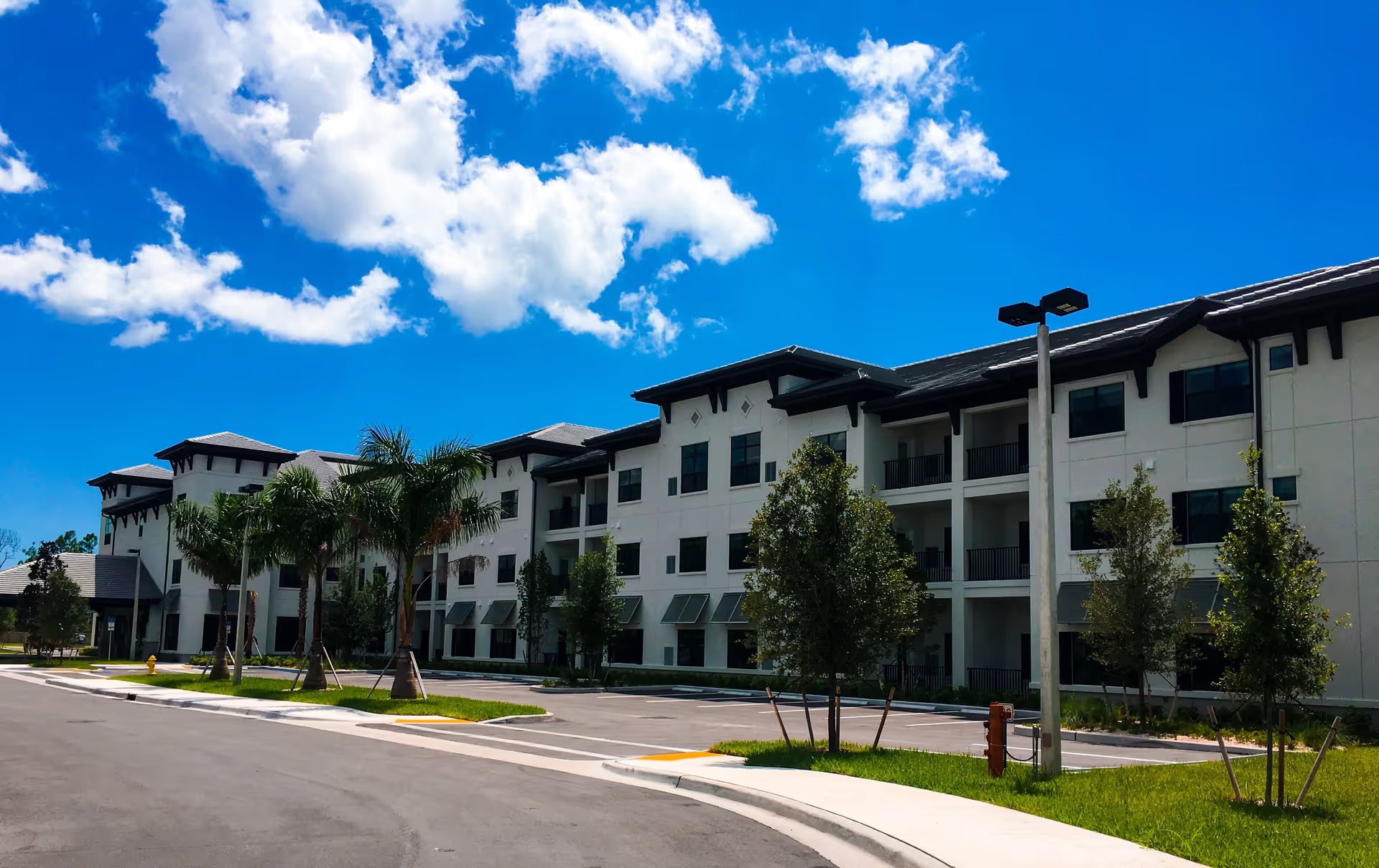
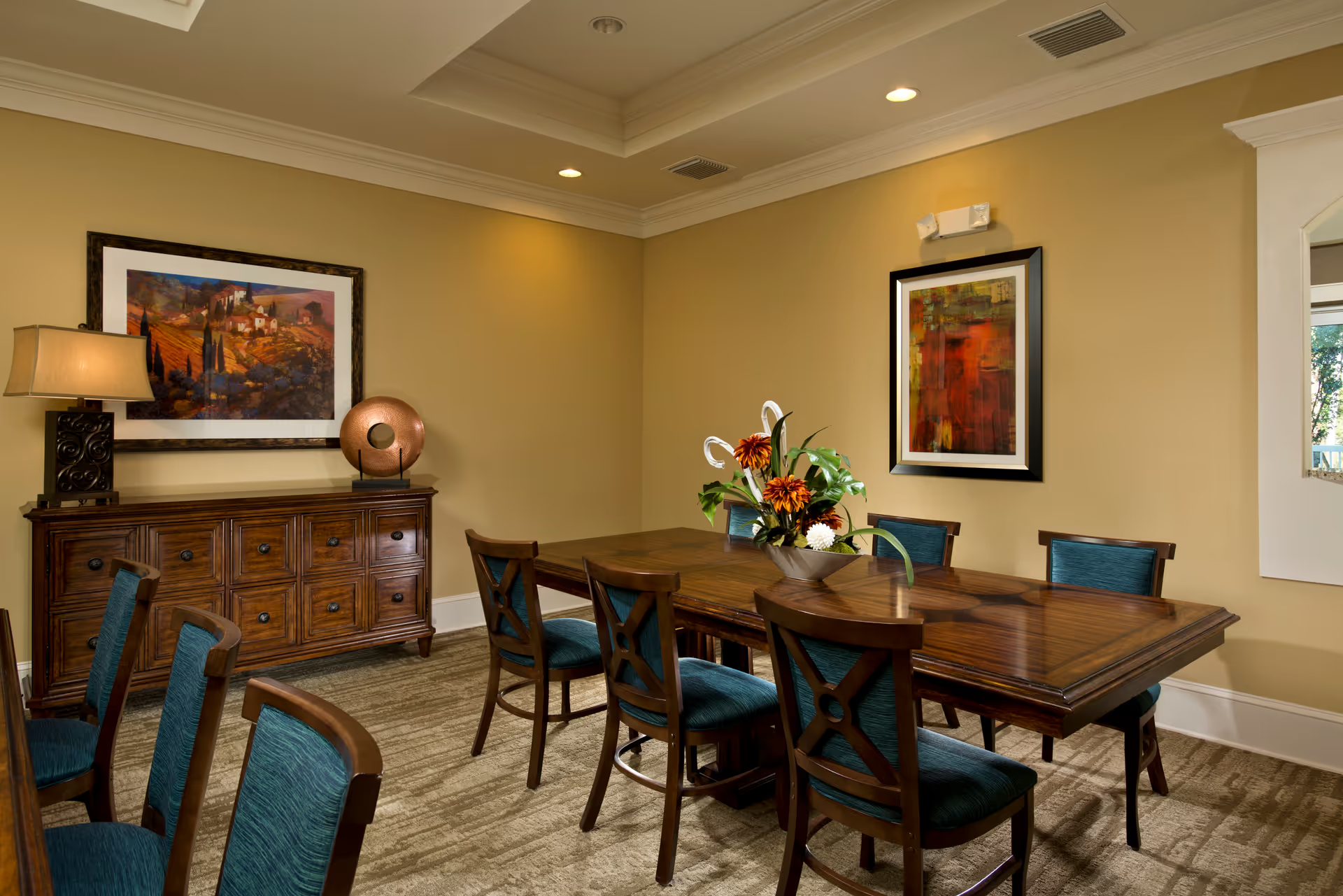
Overall impression: Pineapple House at Sapphire Lakes presents as a new, well‑appointed senior living community with many families praising its bright, clean environment, active programming, and visible leadership. The facility earns consistent positive comments for its social calendar — including frequent live music, outings, and creative memory‑care activities — and for amenities such as on‑site rehabilitation, grooming services, transportation, and attractive dining rooms. A sizable portion of reviewers emphasized compassionate, respectful interactions from nurses, CNAs, receptionists, and activity staff, and several reports describe smooth transitions between assisted living and memory care when coordination went well.
Care quality and clinical concerns: Clinical experiences described are mixed. Numerous accounts highlight attentive nursing, medication management, and effective specialty services (PT/OT, wound care, podiatry), and some families cited thoughtful hospice and end‑of‑life support. However, there are multiple comments indicating delays in clinical responsiveness, repeated emergency‑room transfers, and the perception that acute escalation could be slower than expected. These accounts suggest an operational pattern in which routine clinical care is often adequate but emergency or rapidly changing medical situations may reveal gaps in escalation protocols or staffing that families should probe further.
Staffing and operations: Staffing is a prominent theme with two contrasting strands. Many reviewers describe staff as caring, knowledgeable, and engaged — citing individual staff members and leadership as strengths. At the same time, others report variability in staff performance, orientation, and continuity, and several reviews indicate turnover and inconsistent training. Memory‑care experiences were described as inconsistent relative to assisted living; some families praised imaginative memory programming, while others perceived the memory‑care unit as understaffed or less capable. Operational weaknesses also appear in housekeeping and laundry workflows in some accounts, producing inconsistent outcomes across residents.
Dining and daily life: Dining and programming are frequent strengths: many reviewers applaud well‑presented meals, accommodations for special diets, themed dinners, and abundant snacks. Conversely, there are consistent concerns about dining execution and accessibility — examples include menu item shortages, salty preparations, and inadequate adaptations for limited dexterity (for example, meals not pre‑cut). Activities and social opportunities are generally highlighted as a strong point, with many families describing active, varied calendars that support socialization and engagement.
Management and communication: Leadership visibility and communication are called out positively by multiple families; reviewers noted responsive administrators, helpful reception staff, and prompt resolution of many concerns. At the same time, other reviews describe lapses in administrative responsiveness, unreturned calls, fee surprises, and friction between local management and corporate oversight. A small number of allegations about conduct and management behavior were raised; these are individual claims and families may wish to discuss governance, complaint handling, and staffing oversight during a tour.
Notable patterns and practical considerations: The overall pattern is polarized — a large portion of families express high satisfaction with the environment, programming, and many staff members, while a separate set of families experienced operational failures around acute clinical escalation, housekeeping continuity, dining accessibility, and administrative follow‑through. Prospective residents and families should verify current staffing ratios (especially in memory care), ask about emergency escalation policies and recent clinical incidents, review laundry and housekeeping protocols, confirm how meals are modified for limited dexterity, and request a clear, written explanation of fees and any ancillary charges. Doing so will help align expectations with the variable experiences described in reviews.