Overall impression: Reviews present a facility with many operational strengths alongside several recurring operational weaknesses. Families and residents consistently praise the caregiving culture, memory-care leadership, and many aspects of daily life; however, a set of administrative, clinical-operations, and maintenance issues appear intermittently and can materially affect individual experiences.
Care and clinical quality: Numerous accounts highlight strong nursing leadership, capable medical coordination, and effective hospice integration. Memory-care leadership and certain long-standing clinical staff receive repeated commendation for dementia expertise, individualized care planning, and calm end-of-life support. At the same time, a subset of accounts describe serious clinical incidents that exposed gaps in incident response, documentation transfer during hospitalizations, and timely family notification. These reports suggest unevenness in how the facility handles emergent clinical events and communicates clinical status, rather than a uniformly consistent process.
Staff and staffing patterns: Caregivers, activities staff, and several named employees are frequently described as compassionate, personal, and attentive; many families cite long-tenured team members who contribute to continuity of care. Conversely, reviewers also point to variability in staff training, occasional slow responses to requests, and perceived shortages or mismatches in skill level for residents with higher-acuity needs. This combination creates distinct experiences: residents under consistent, experienced staff tend to have very positive outcomes; where turnover or lower staffing coincides with higher needs, families report more concerns.
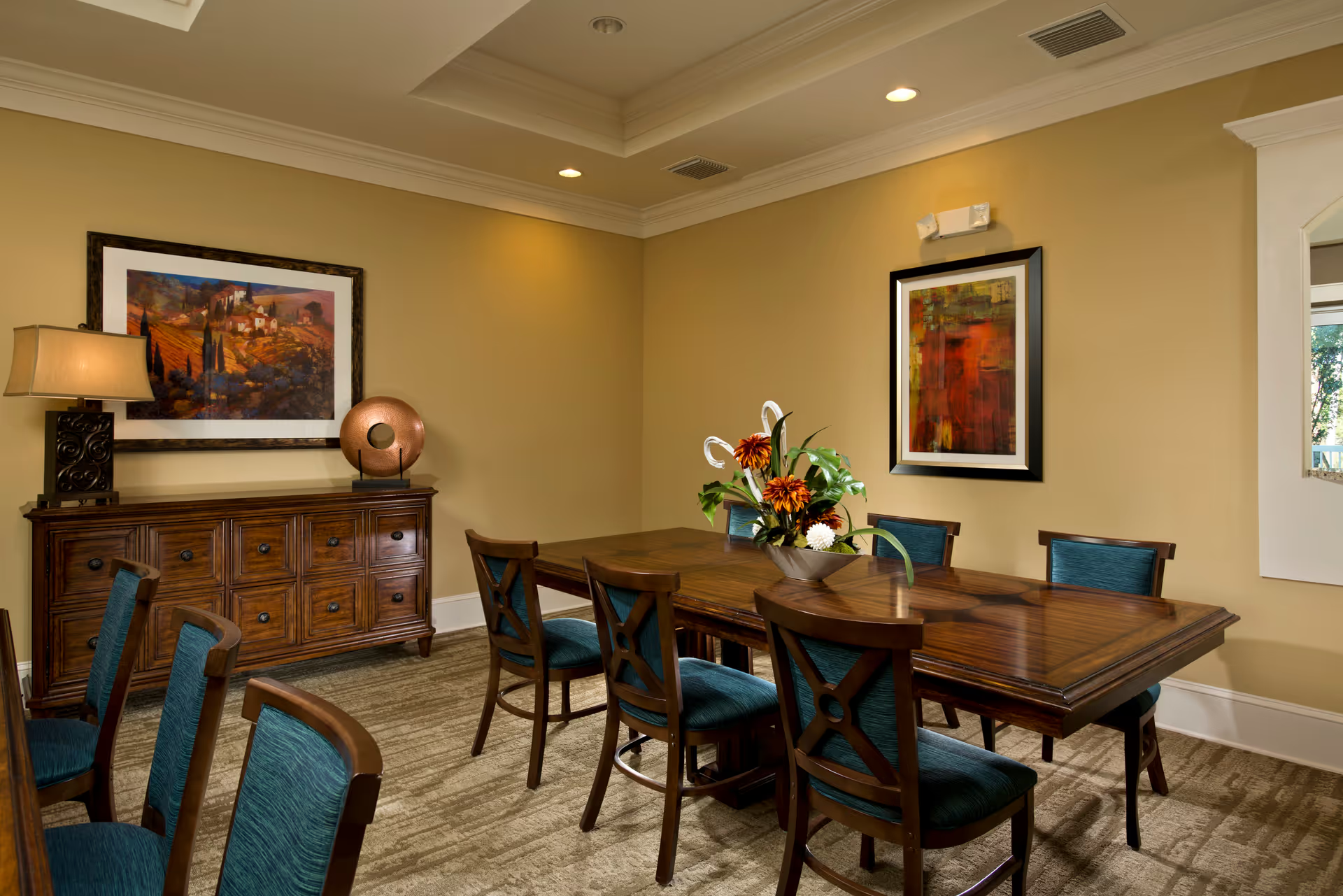
Dining and nutrition: Dining is a prominent strength in many accounts—chef-led menus, attention to preferences and dietary needs, and high-quality presentations are often cited. Nevertheless, other reviewers describe declines or inconsistencies in food quality and portioning tied to personnel changes. Meal-service continuity and adaptability (e.g., accommodating visual impairment or special plating) are noted as areas that can vary by shift or unit.
Activities and social life: The community offers a broad activities slate—live music, exercise classes, outings, movies, and theme events—and many residents are described as engaged and socially active. Some feedback indicates that activity engagement is uneven: certain residents appear bored or unable to participate in some offerings, and program adaptation for differing cognitive or mobility levels is not consistently achieved.
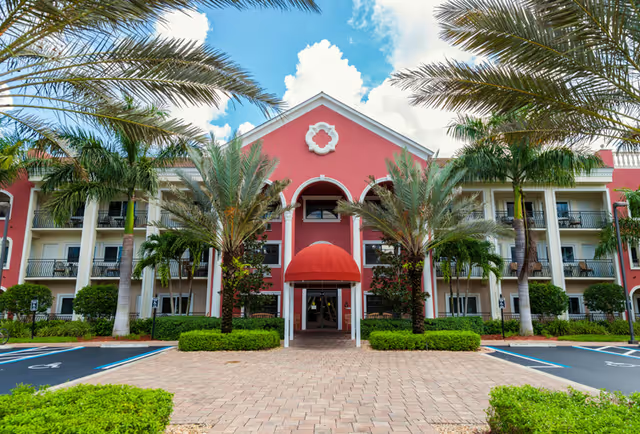
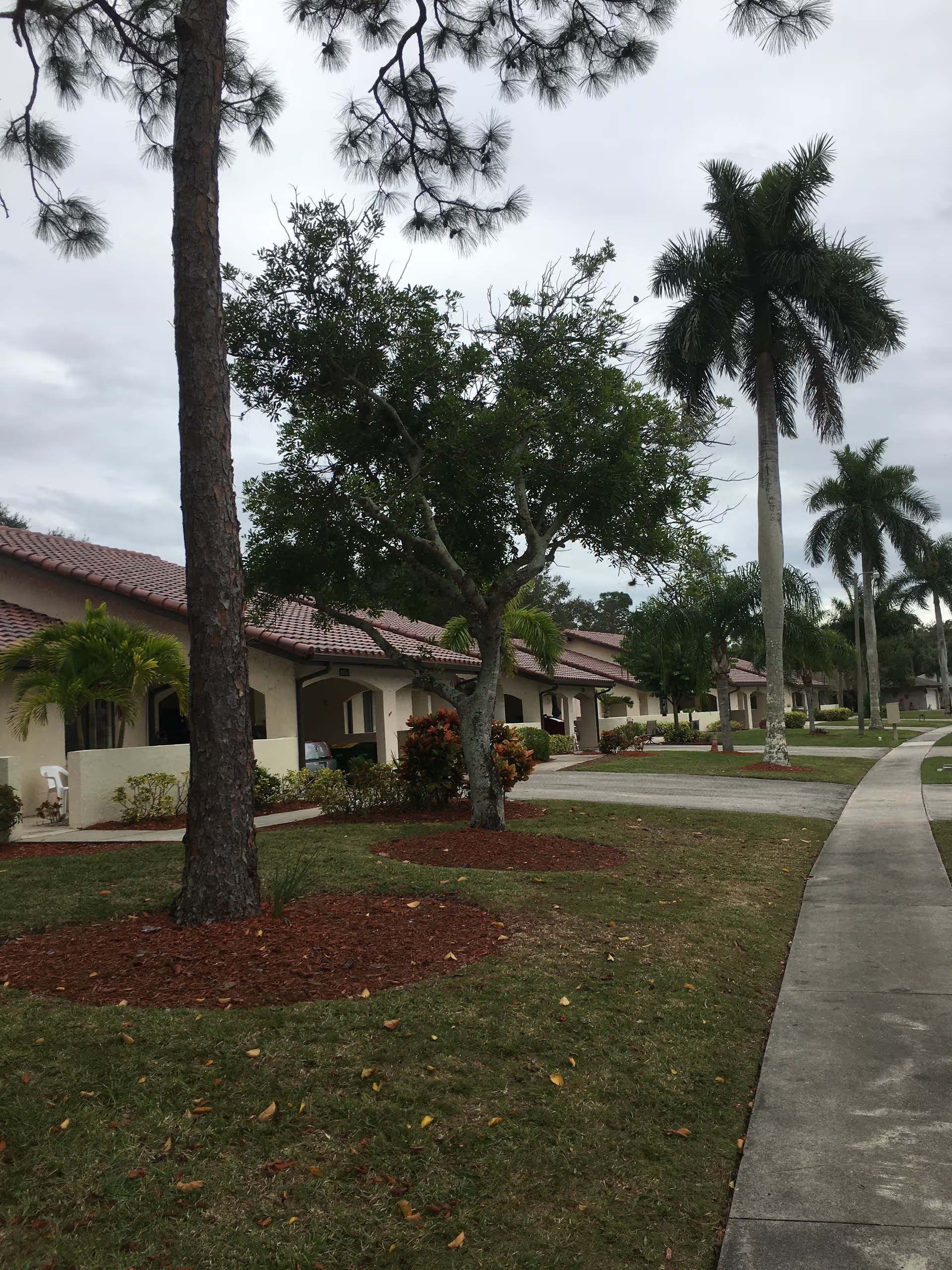
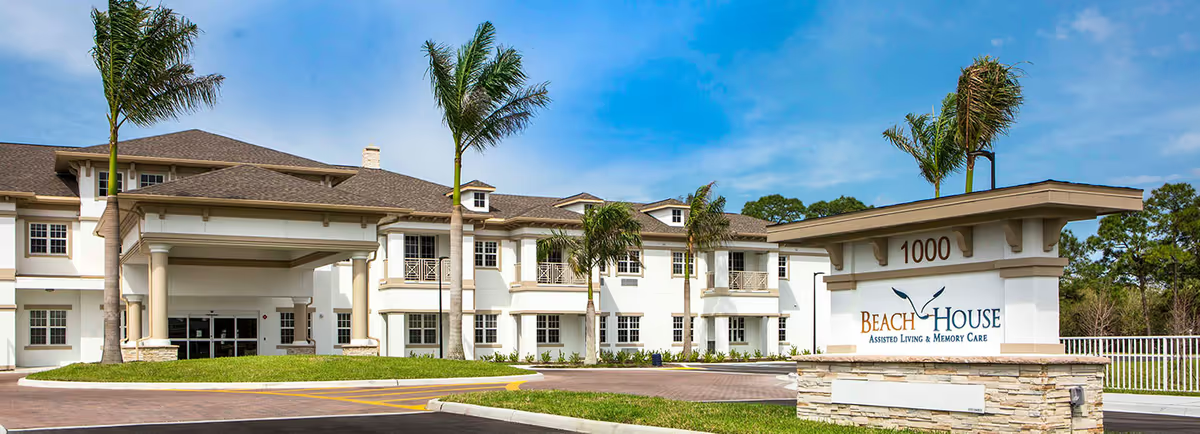
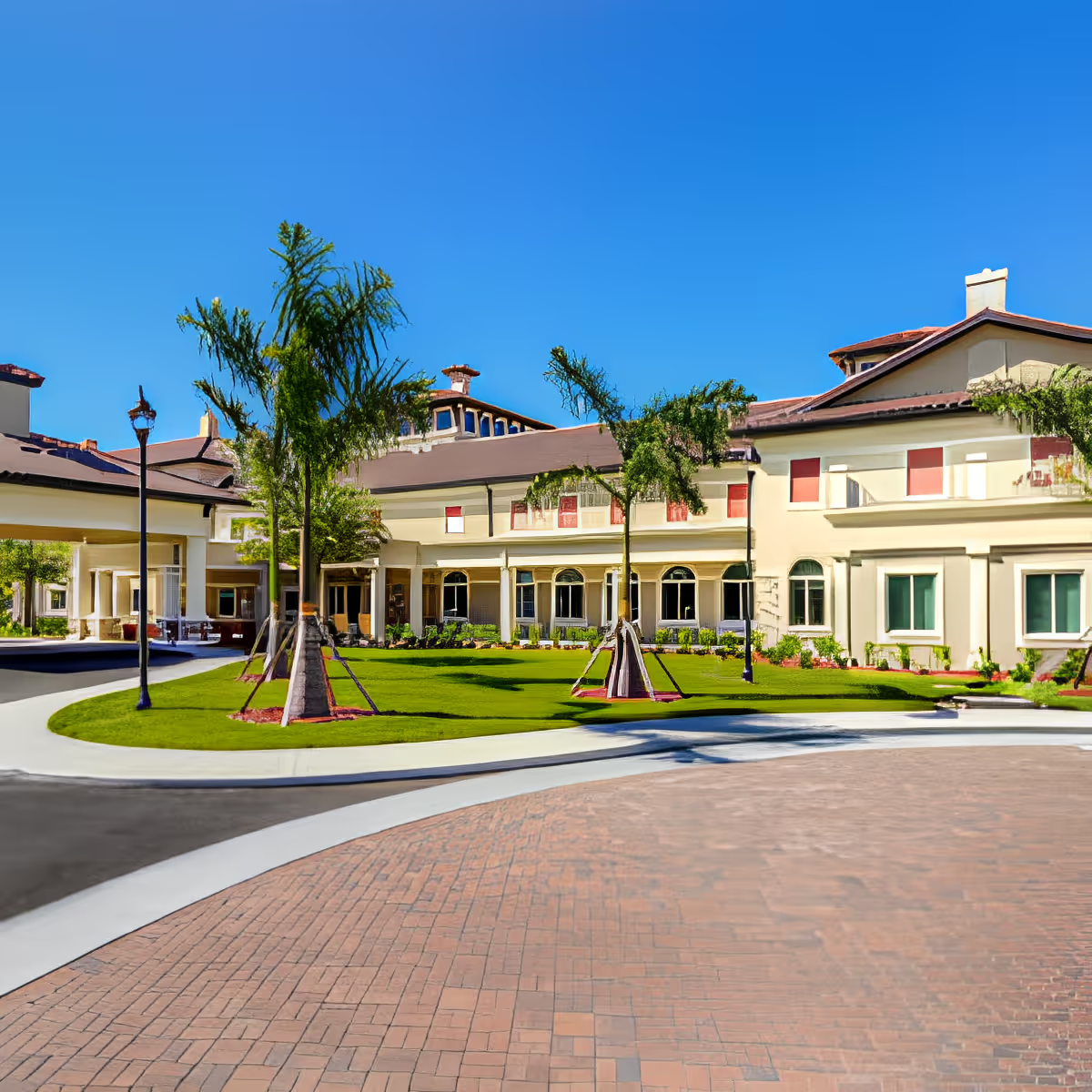
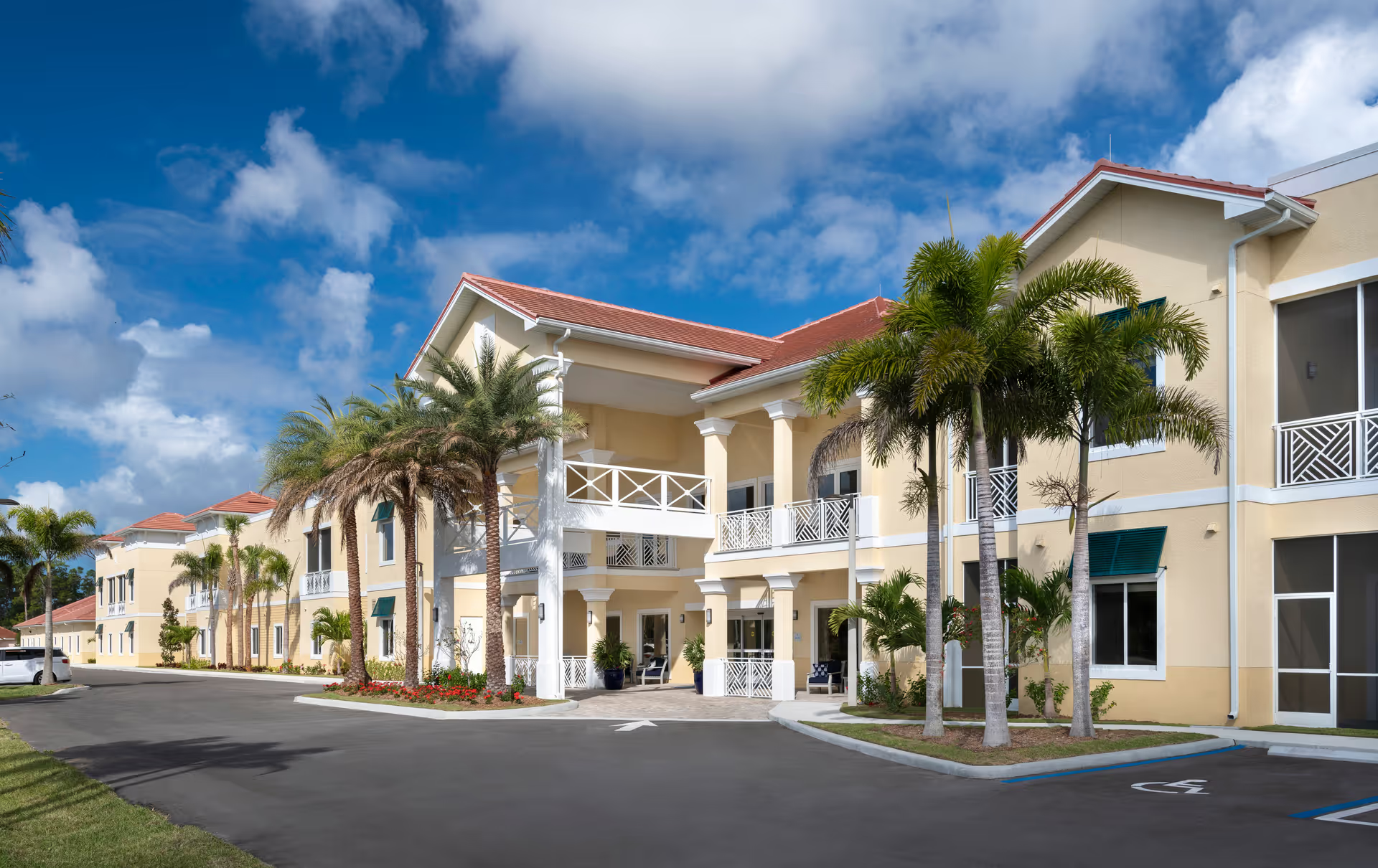
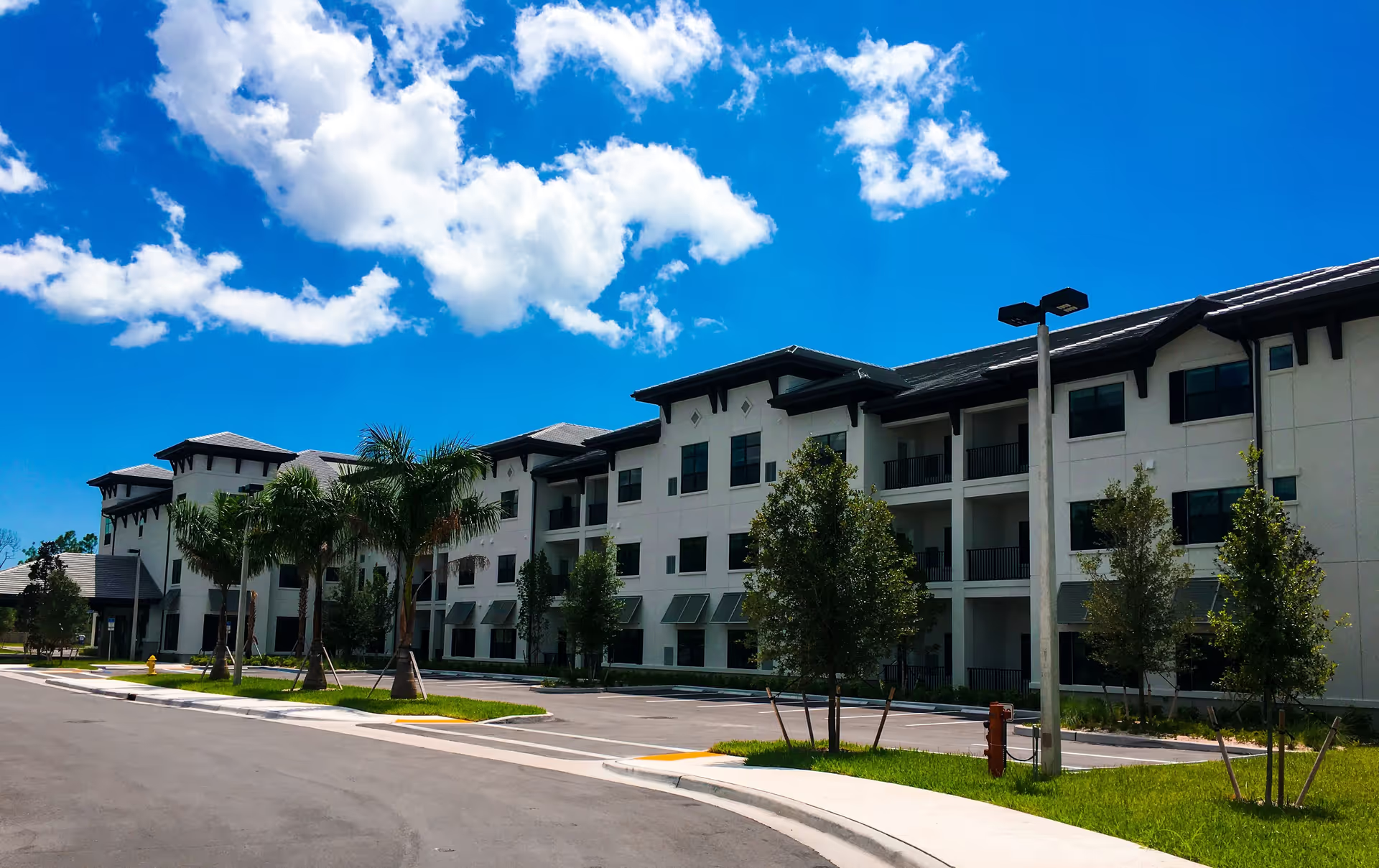
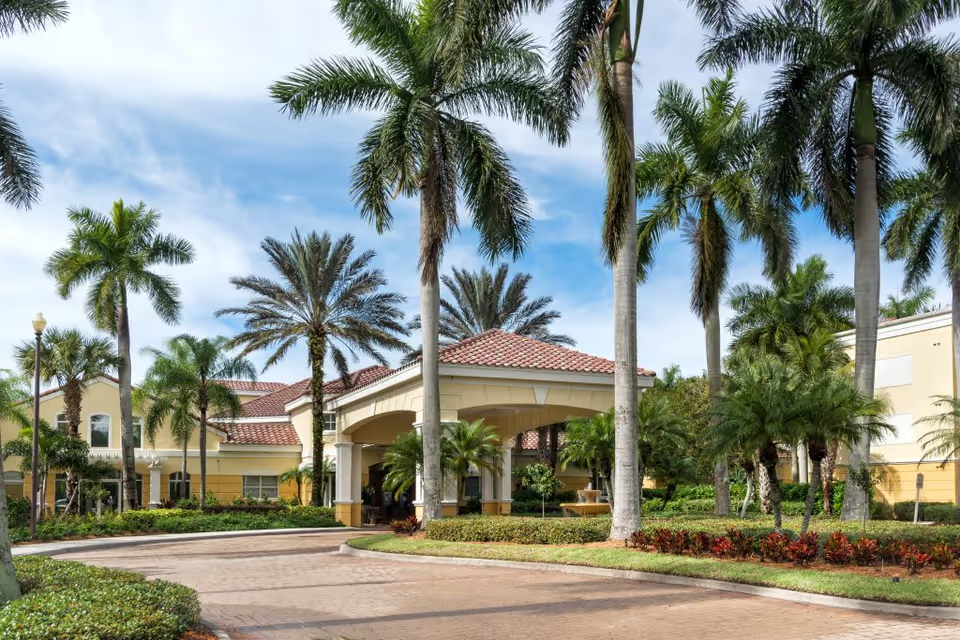
Facilities and environment: The building layout—single-level radial wings and apartment-style units—receives positive comments for navigability and a non-institutional feel. Common areas are often described as bright and well-maintained. At the same time, reviewers note maintenance and environmental issues such as exterior mold and pest-control concerns in courtyard areas, intermittent ventilation or stuffiness in rooms, and the appearance of older sections. Parking and building age are occasional practical drawbacks.
Management, billing, and operations: Administrative strengths include responsive marketing and business-office staff who are singled out by name for helpfulness during tours and transitions. However, persistent operational weaknesses appear in billing, refund processing, online-payment systems, and the clarity of administrative communication. Management turnover and potential ownership transitions are sources of uncertainty for some families and may exacerbate inconsistencies in policy and service delivery.
Notable patterns and considerations for families: The strongest and most consistent positive themes are the caring staff, knowledgeable memory-care leadership, robust activity programming, and high-quality dining under certain leadership. The primary patterns of concern are uneven clinical-incident management and communication, variable staffing/training for higher-acuity residents, maintenance and pest-control issues in some outdoor/communal areas, and administrative or billing process unreliability. Prospective residents and families should prioritize an on-site review of clinical incident processes, medication-administration protocols, recent staffing stability, dining consistency, and how the community documents and communicates during hospital transfers or urgent events. When possible, meet and document expectations with specific staff members (nursing director, business office contact, activity lead) to better align care needs and administrative processes with the facility’s demonstrated strengths.