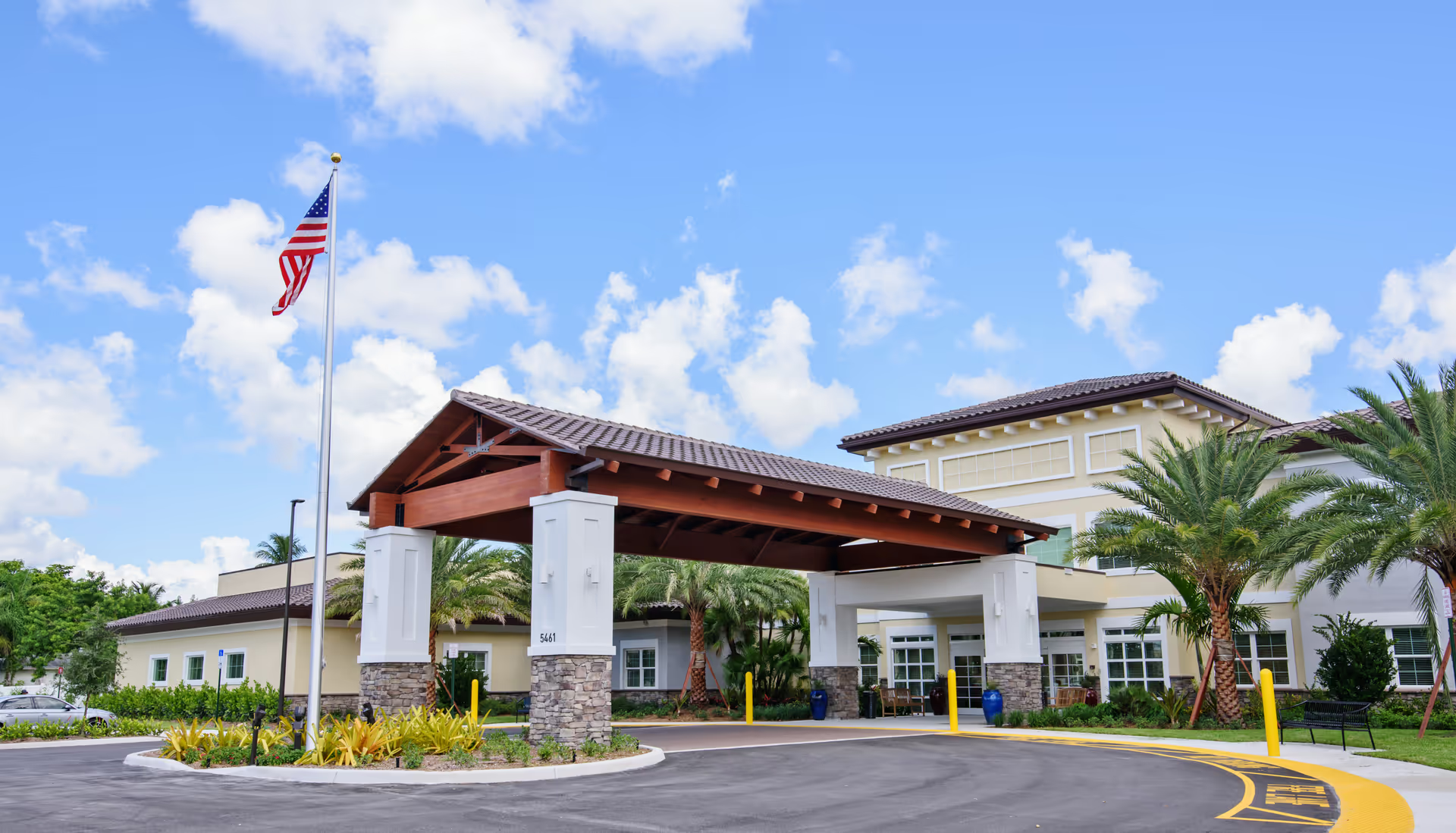
Toby & Leon Cooperman Sinai Residences Boca Raton presents as a high-end, amenity-rich senior living campus with many strengths but some operational inconsistencies. The property is consistently described as upscale and well cared for: landscaped grounds, modern apartments, accessible pools and fitness spaces, and an extensive menu of on-site services such as a day spa, salon, barber, clubs, lectures and studio spaces. Residents and families frequently praise the active social calendar, purposeful programming, and an engaged resident community that contributes to a lively atmosphere.
Clinical and care services elicit mixed feedback. Numerous accounts highlight skilled rehabilitation services, dedicated nurses and aides, and individualized therapy (PT/OT) that many families found effective and reassuring. At the same time, recurring themes point to inconsistent responsiveness from the nursing station, communication gaps with families, and operational lapses around medication and physician-order management. These patterns have led some families to feel pressure to arrange private aides to supplement on-site care. There are also specific concerns about clinical monitoring during isolation events and the need for clearer escalation and family-notification protocols.
Staffing and management perceptions vary across reviews. Several descriptions emphasize compassionate leadership, empowered teams, and long-tenured staff who deliver personalized attention. Conversely, other accounts cite high staff turnover, uneven front-line professionalism (including gate/entry staff), and slow administrative follow-through. These discrepancies suggest variability between different units, shifts, or management periods rather than a uniform experience across the campus.
Dining and hospitality are generally seen as strengths: menu variety (including kosher options), generous portions, and attentive dining staff receive positive mention. However, there is also commentary about inconsistent food appeal in some instances, the need for reservations for dining, and extra fees for certain services or menu options. Prospective residents should clarify meal-plan details and any ancillary charges during touring.
The physical plant is attractive and functionally accessible, yet recent renovation choices generated concern among some residents and families who felt certain finishes and carpet designs reduced the facility’s prior sense of luxury. Memory-care and secured-area controls were also flagged as areas for improvement; reviewers described incidents that indicate uneven implementation of access controls and supervision in those spaces.
In summary, Sinai Residences offers many of the features expected of a luxury senior living community—robust amenities, strong rehabilitation services, and an engaged social environment—paired with a well-maintained campus. Prospective residents and families should weigh these strengths against patterns of inconsistent clinical responsiveness, staff turnover, potential extra-care costs, and variability in administrative follow-through. Visiting multiple times, meeting clinical leadership, and clarifying policies on staffing continuity, medication management, dining fees, and memory-care security are recommended steps for families considering the community.