Overall impression: Reviews are predominantly positive, emphasizing a small, home-like setting with staff who deliver attentive, compassionate care. Families frequently describe the facility as clean and welcoming, and many note a reassuring, family-style culture that contributes to residents' emotional well-being. The consistent themes across positive comments are individualized attention, effective hospice coordination, and proactive communication with families.
Care and staff: Care quality is repeatedly described as compassionate and thorough. Reviewers highlight staff members and owners who are engaged, patient, and treat residents with respect; several comments frame staff as part of an extended family. At the same time, a minority of comments raise concerns about variability in staff professionalism and suggest that conduct and responsiveness may not be uniformly consistent. Prospective families should confirm staff training, turnover, and language capabilities during a visit.
Dining and activities: Dining services receive strong marks for balanced, dietician-prepared meals that reviewers found appetizing and health-focused. The community also emphasizes social programming — seasonal decorations, birthday and event celebrations, and activities intended to promote engagement and mood. However, there is an indication that activity participation may be uneven for some residents; prospective families may wish to ask how programming is individualized and how staff ensure consistent engagement for less mobile or more withdrawn residents.
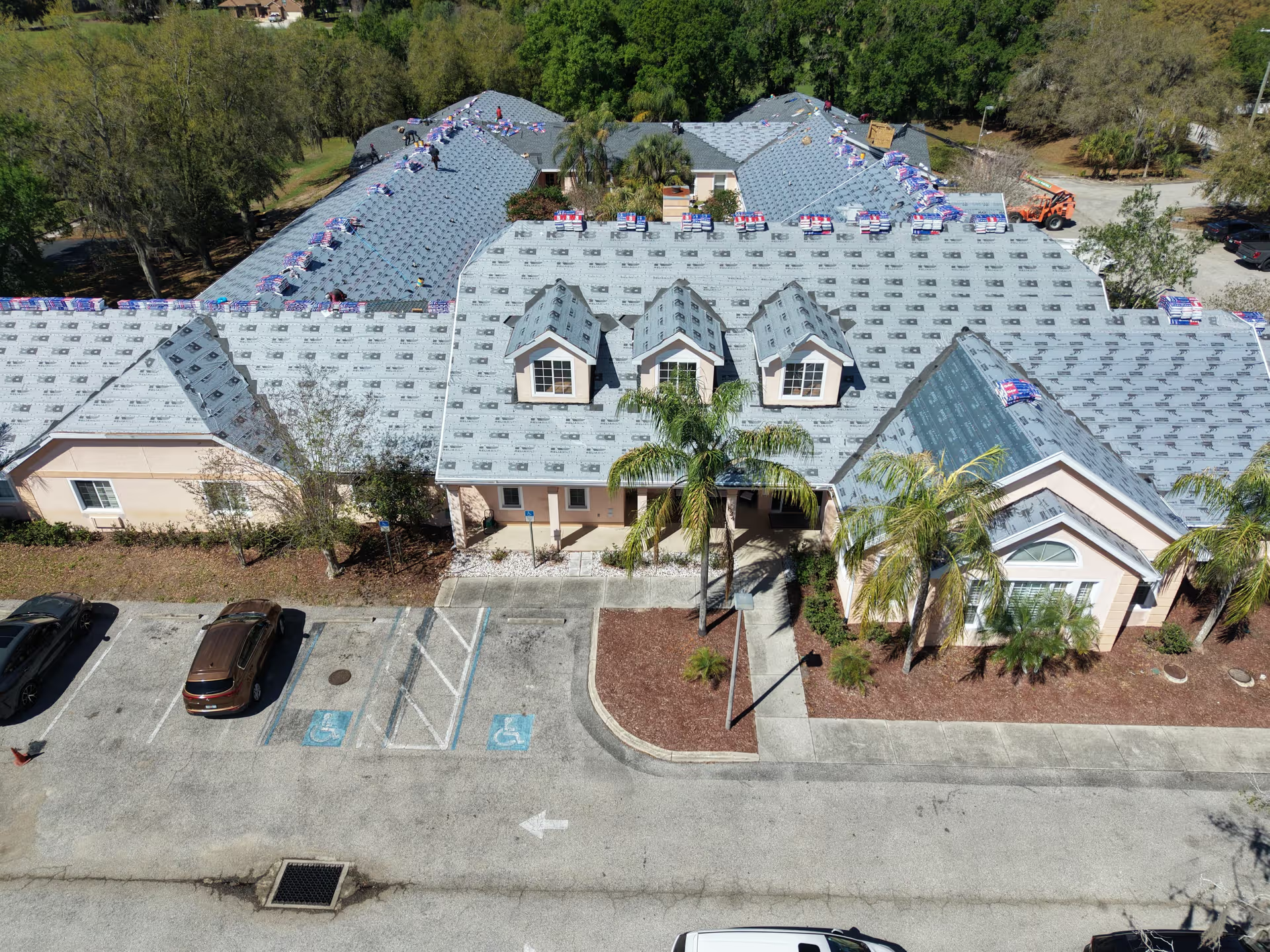
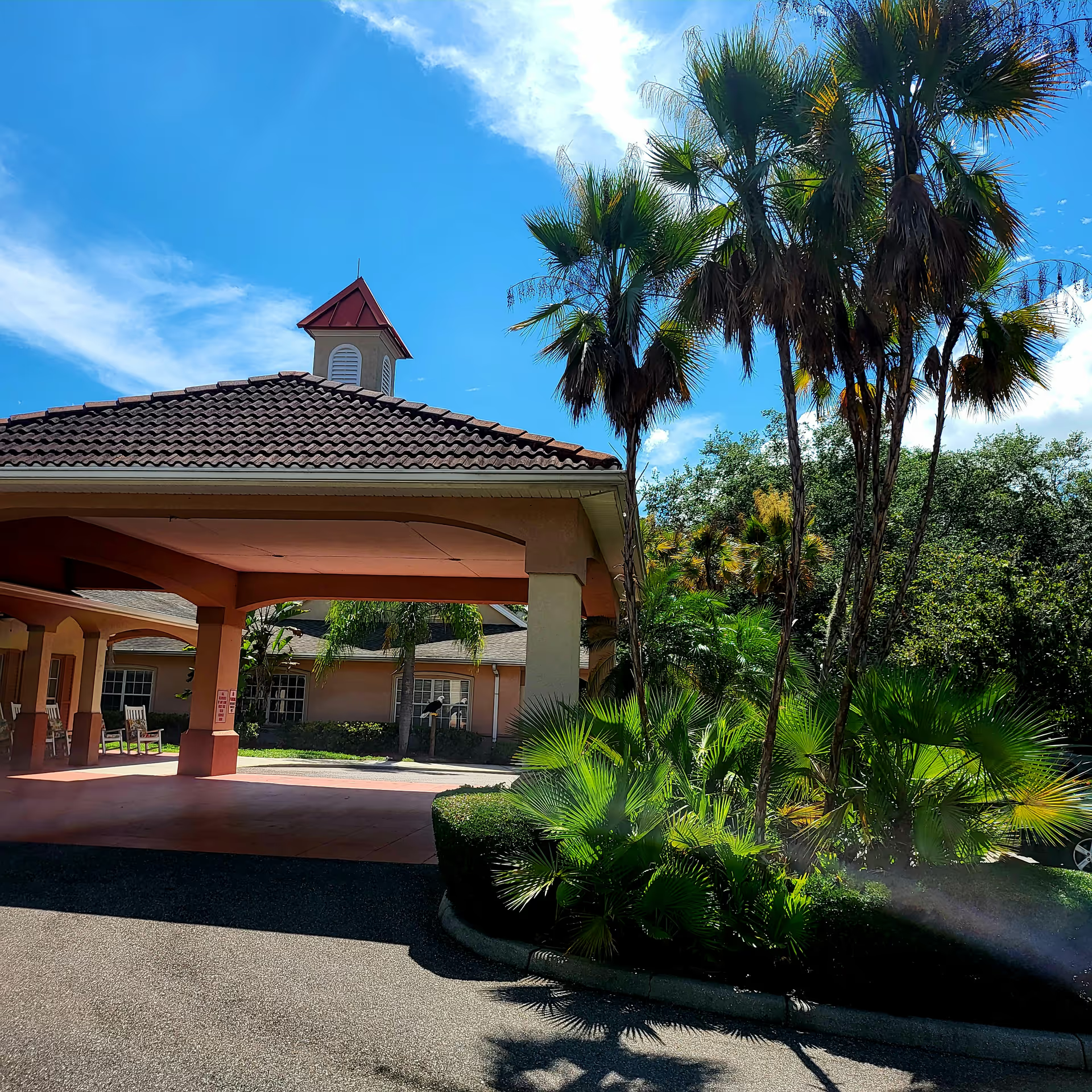
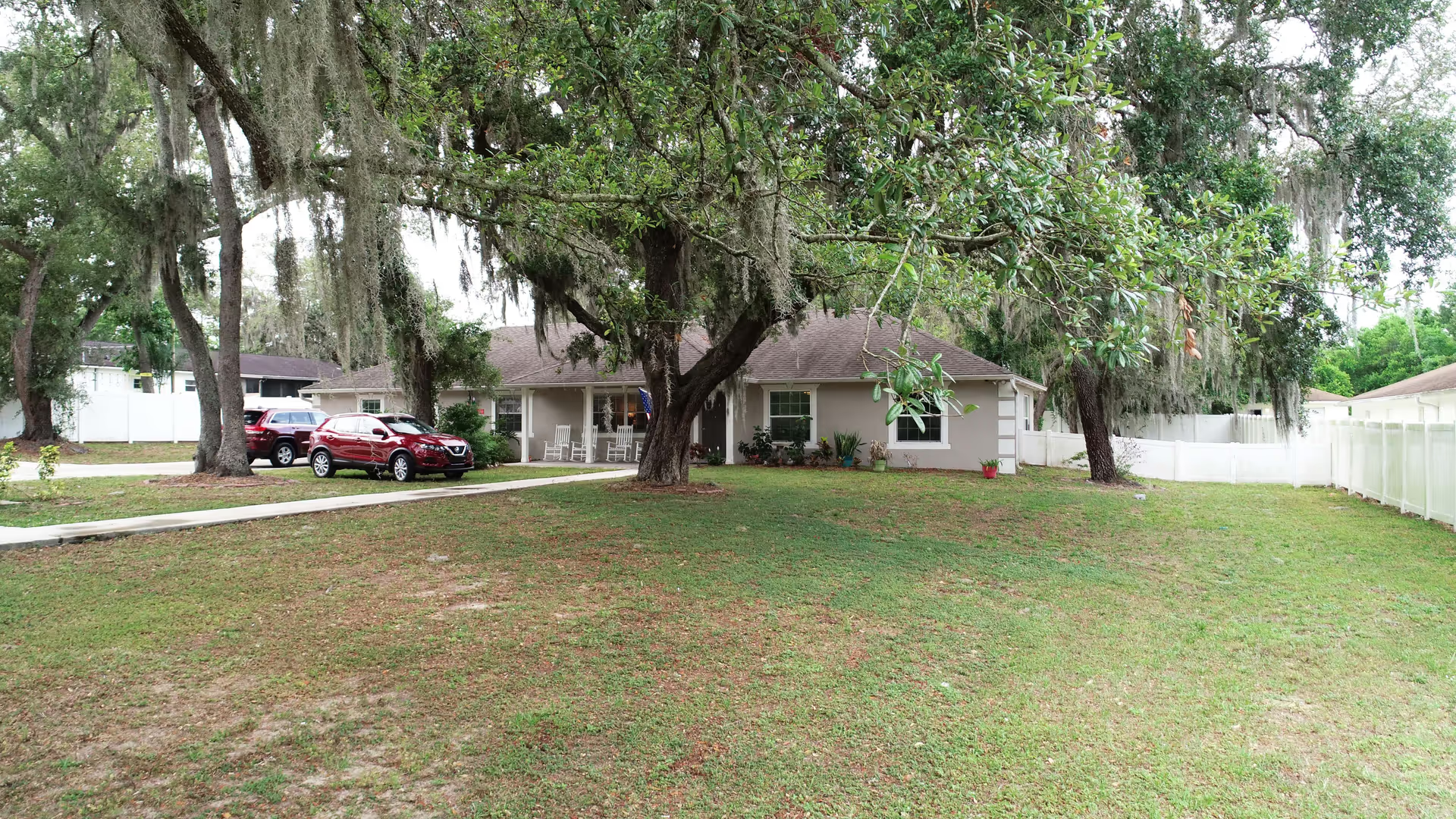
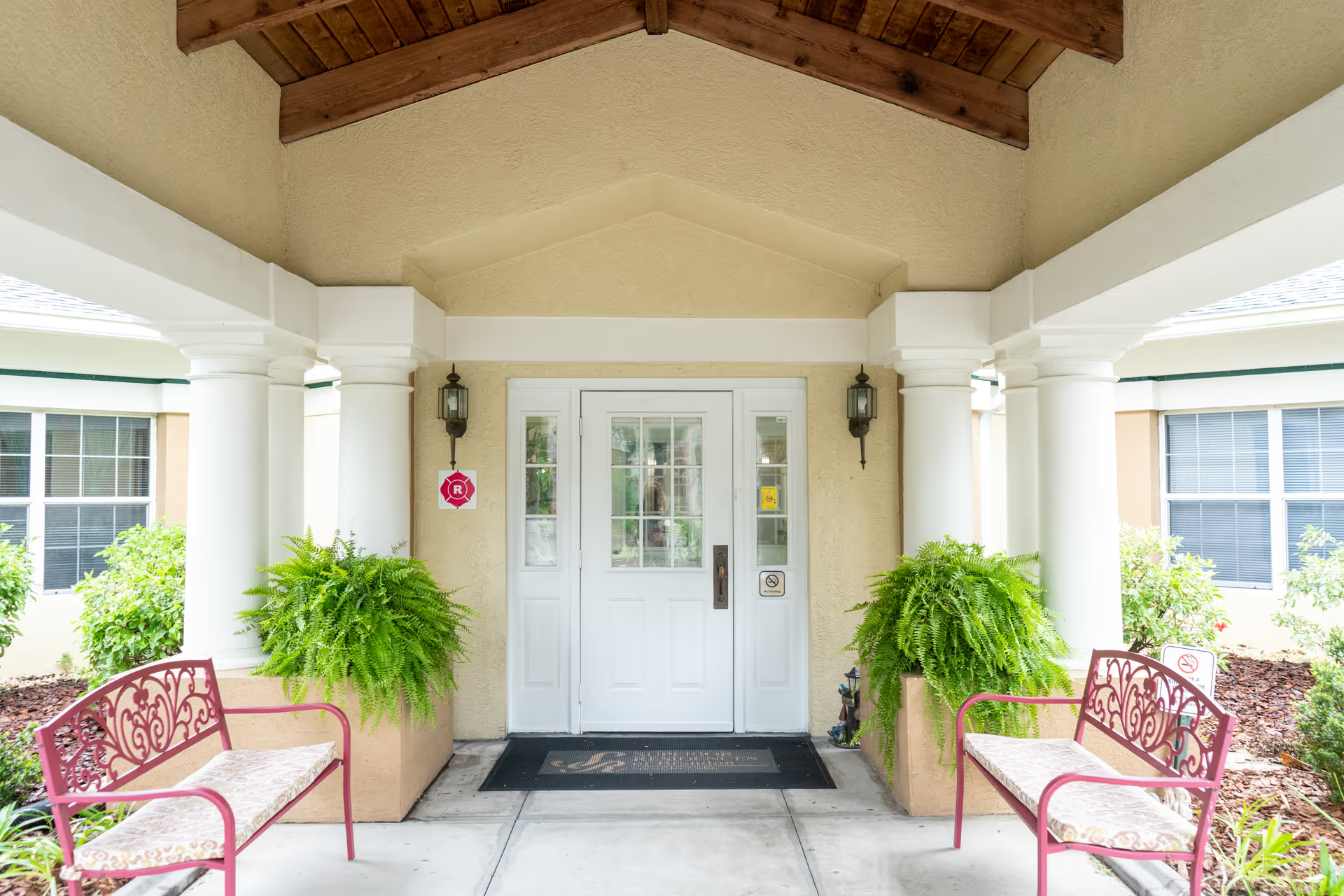
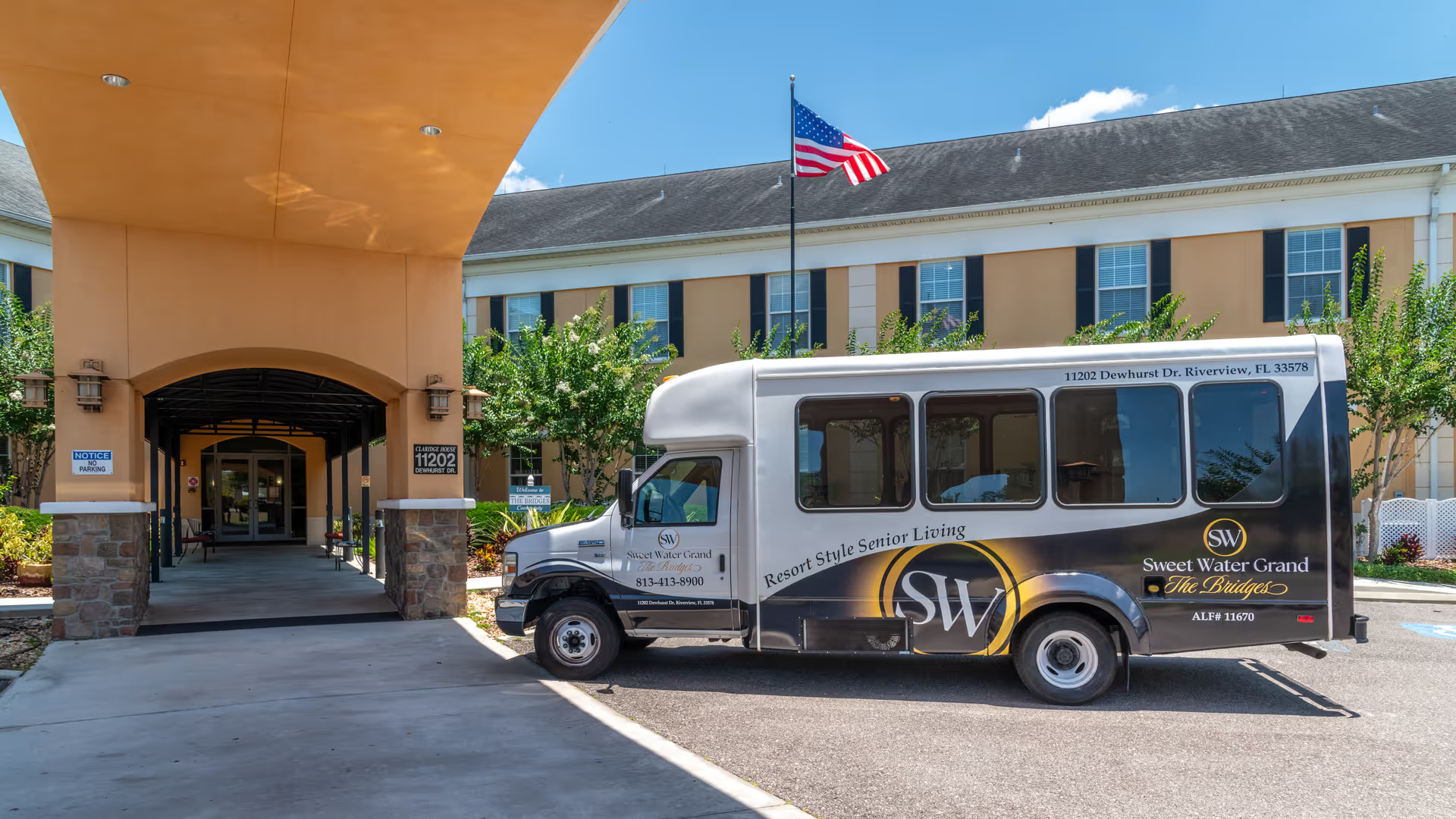
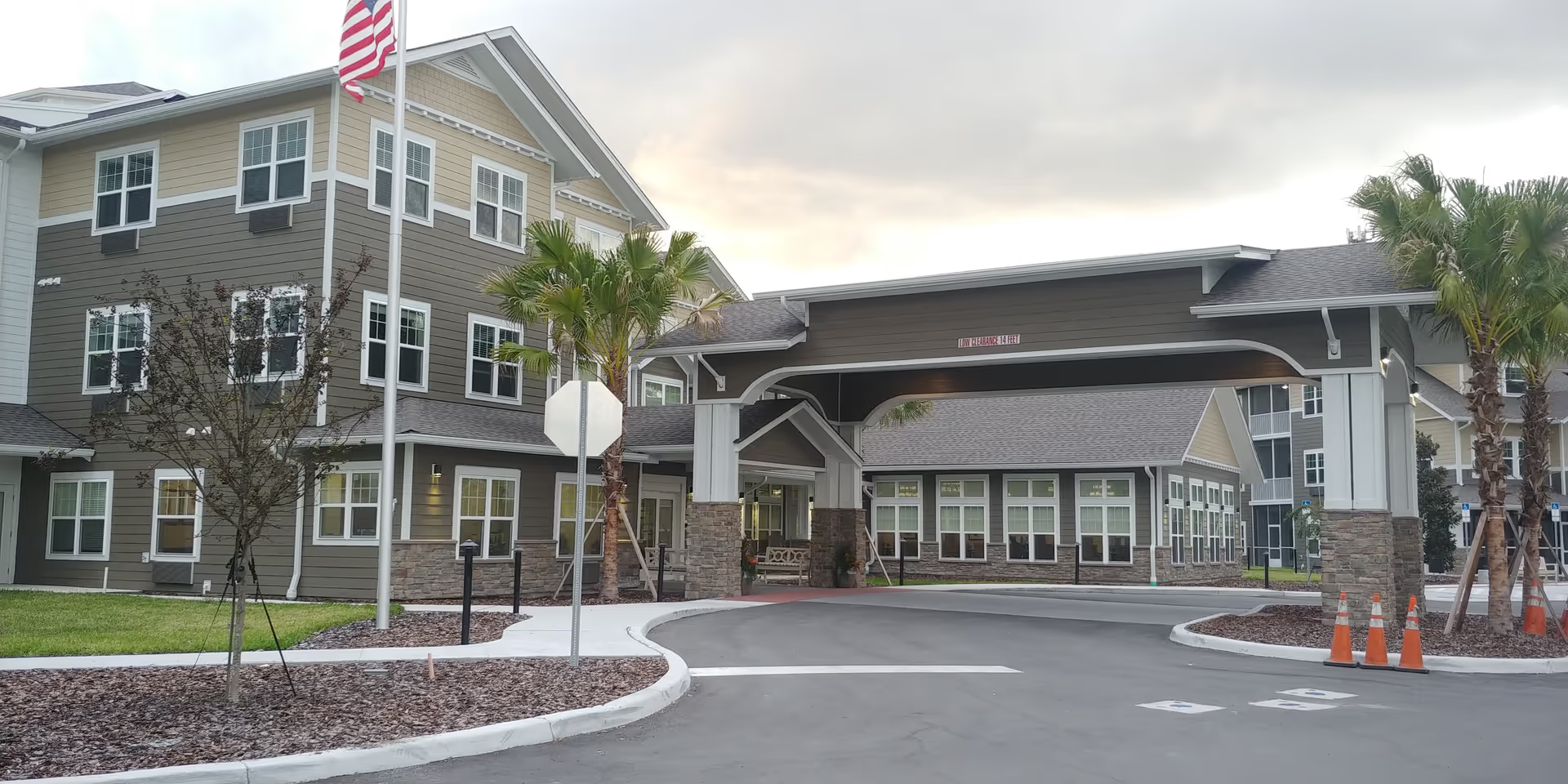
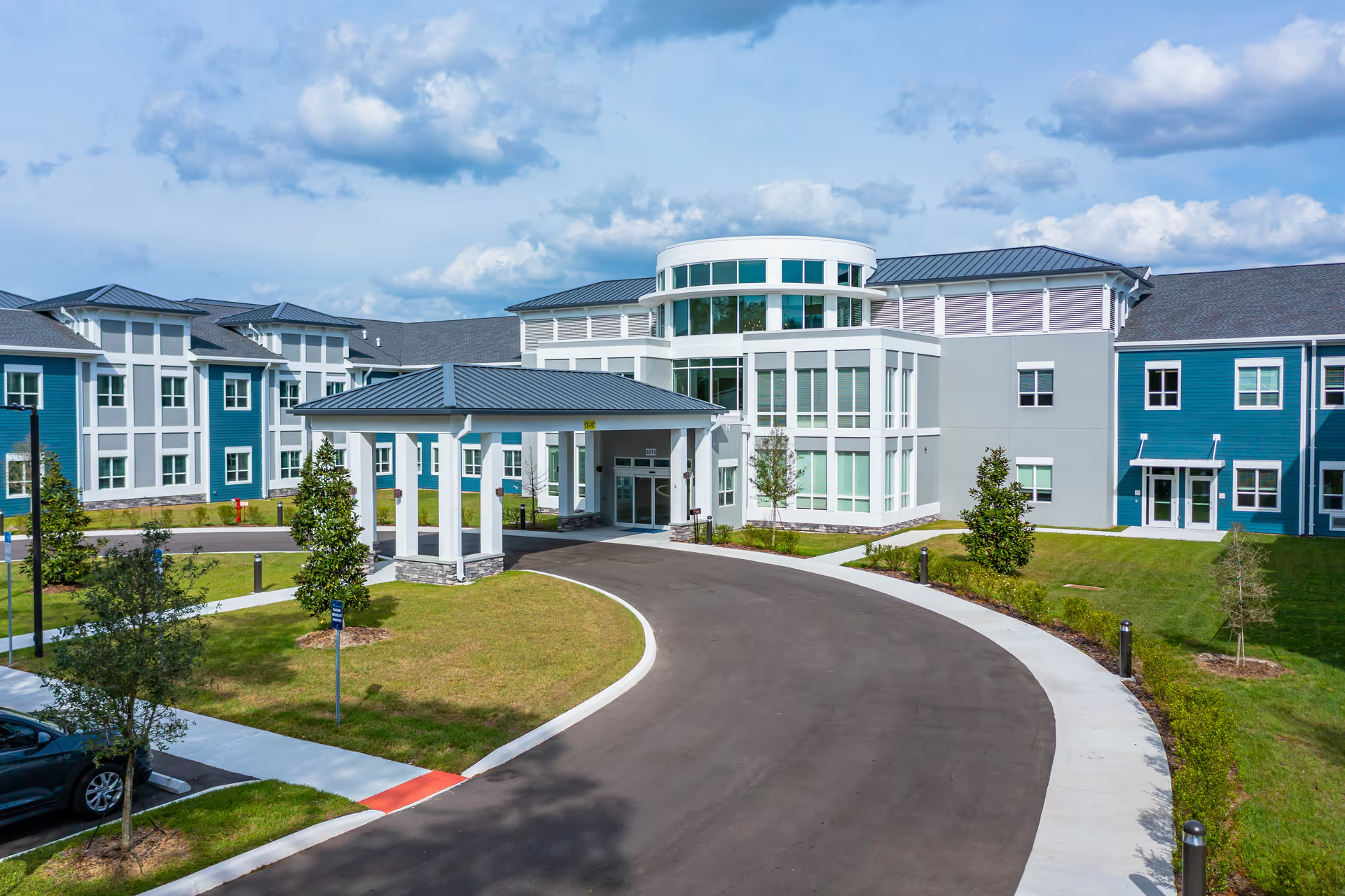
Facilities and maintenance: Interior cleanliness and tasteful, home-like décor are frequent positives; reviewers describe the interior as well-decorated and spotless. Concerns are more likely to appear around exterior upkeep and occasional housekeeping/supply lapses. These operational issues are not the dominant theme but are meaningful to note: ask about maintenance schedules, supply management, and outdoor-area care when touring the property.
Management and communication: Many reviewers praise proactive updates from ownership and good coordination with outside providers such as hospice, as well as help arranging appointments. This suggests a management style that is family-oriented and involved. To address the less frequent but notable criticisms — particularly language-access limitations and episodic professionalism/supply issues — families should clarify language support, staff supervision practices, and housekeeping protocols during pre-admission discussions.
Notable patterns and recommendations: The dominant pattern is strong, personalized caregiving within a small, well-kept home environment, supported by structured meals and community events. Isolated concerns point to operational areas that could benefit from formalized processes: language-access services, consistent exterior maintenance, reliable housekeeping and supplies, and standardized staff-professionalism training. Visiting in person, observing mealtime and activity periods, and asking targeted questions about staffing, language support, and maintenance will help families validate the fit for their needs.