Sweet Water Grand — The Bridges presents a largely positive residential environment in many reviews: reviewers commonly praise compassionate caregiving, a warm community culture, well‑maintained facilities and attractive grounds, robust programming, and responsive administrative communication. Housekeeping, on‑site therapies, and a variety of dining‑room formats are frequently cited as strengths. Memory‑care programming is described as engaged and attentive in numerous accounts, and long‑tenured staff and active owner/leadership involvement are recurring positives for families seeking continuity of care.
Care and staffing: Clinical and caregiving staff receive a great deal of positive feedback for attentiveness and compassion, with multiple accounts of staff going beyond basic expectations and of long‑term employees providing continuity. At the same time, a pattern of staffing instability appears in other accounts: reports indicate higher turnover among frontline and executive staff, periodic shortages of CNAs and dining personnel, and uneven policy enforcement. Reviewers described operational consequences that include slower responsiveness at times and variability in staff tone and conduct. There are also concerns framed around care‑plan adherence and end‑of‑life directives for some residents; prospective families should confirm current staffing ratios, care‑plan processes, and how individualized directives (including hospice or mobility restrictions) are implemented.
Dining and housekeeping: Dining is a mixed area. Many reviews praise strong food, restaurant‑style service, and a talented chef and kitchen team; other reviews describe a decline in food quality and reduced portions following staffing changes. Housekeeping is widely commended and the facility is often described as clean and tastefully decorated, but there are isolated sanitation concerns mentioned specifically in some memory‑care areas and resident rooms. Those concerns suggest the need to ask about current housekeeping protocols, oversight, and any recent corrective actions.
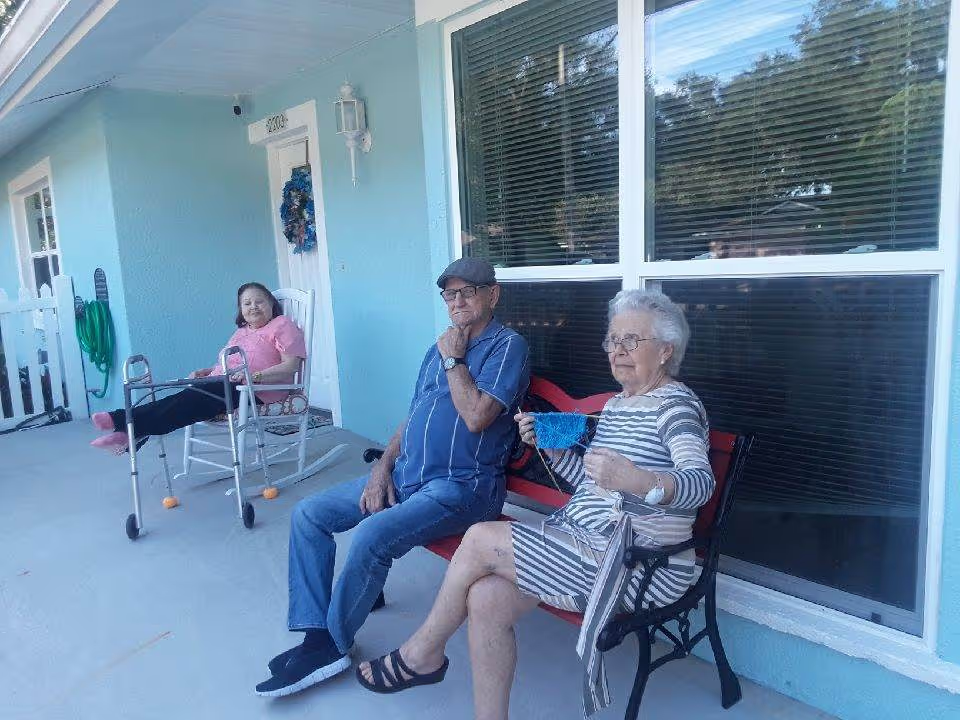
Activities and community life: Activity offerings are consistently noted as a strong point: varied, creative, and frequent programming (arts/crafts, fitness, music, outings, religious services and social events) contributes to social engagement and resident satisfaction. COVID‑era restrictions were cited as limiting communal activities at times, though reviewers also credit staff and leadership with adapting programs. Prospective residents should inquire about the present activity calendar and any lingering restrictions that could affect participation.
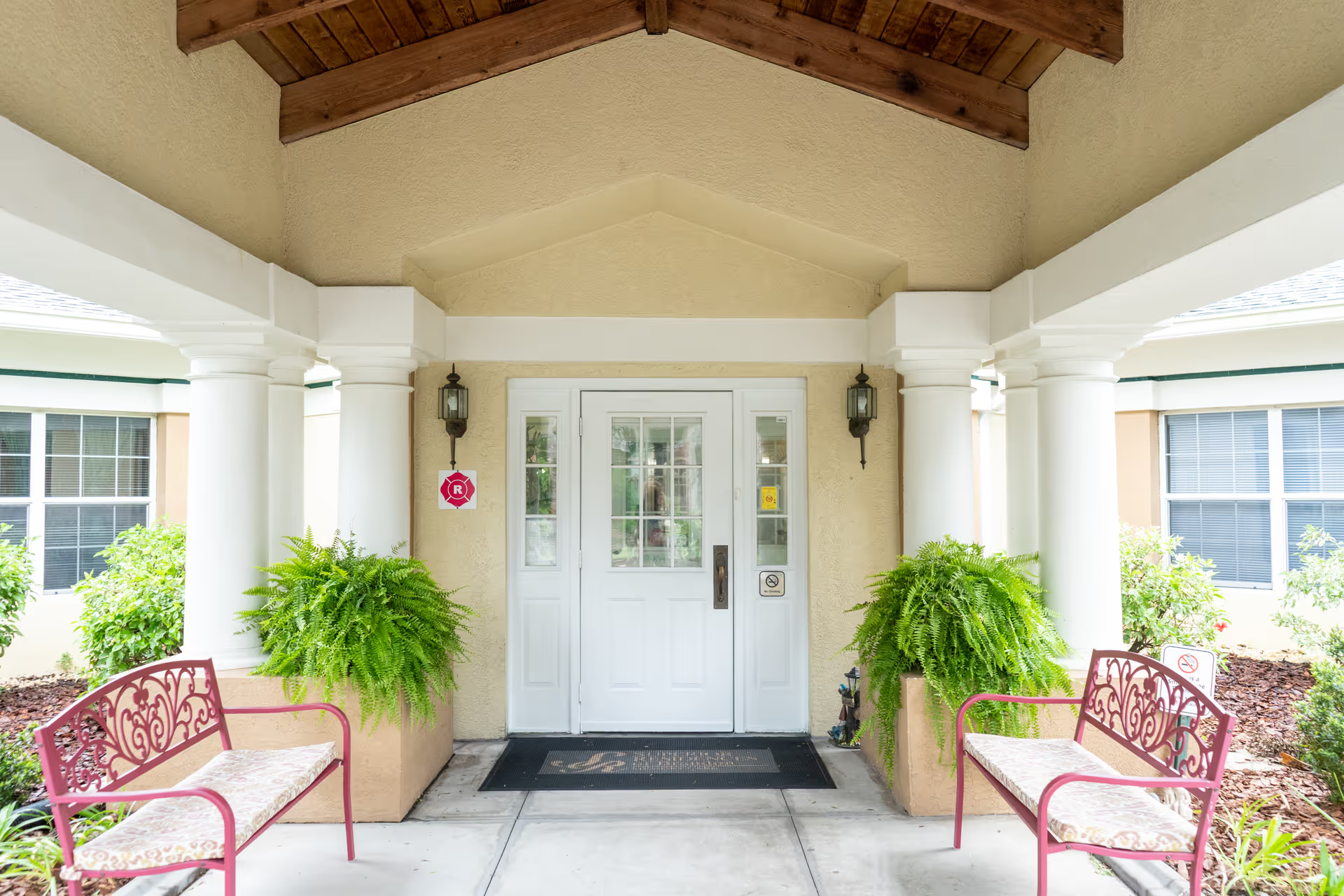
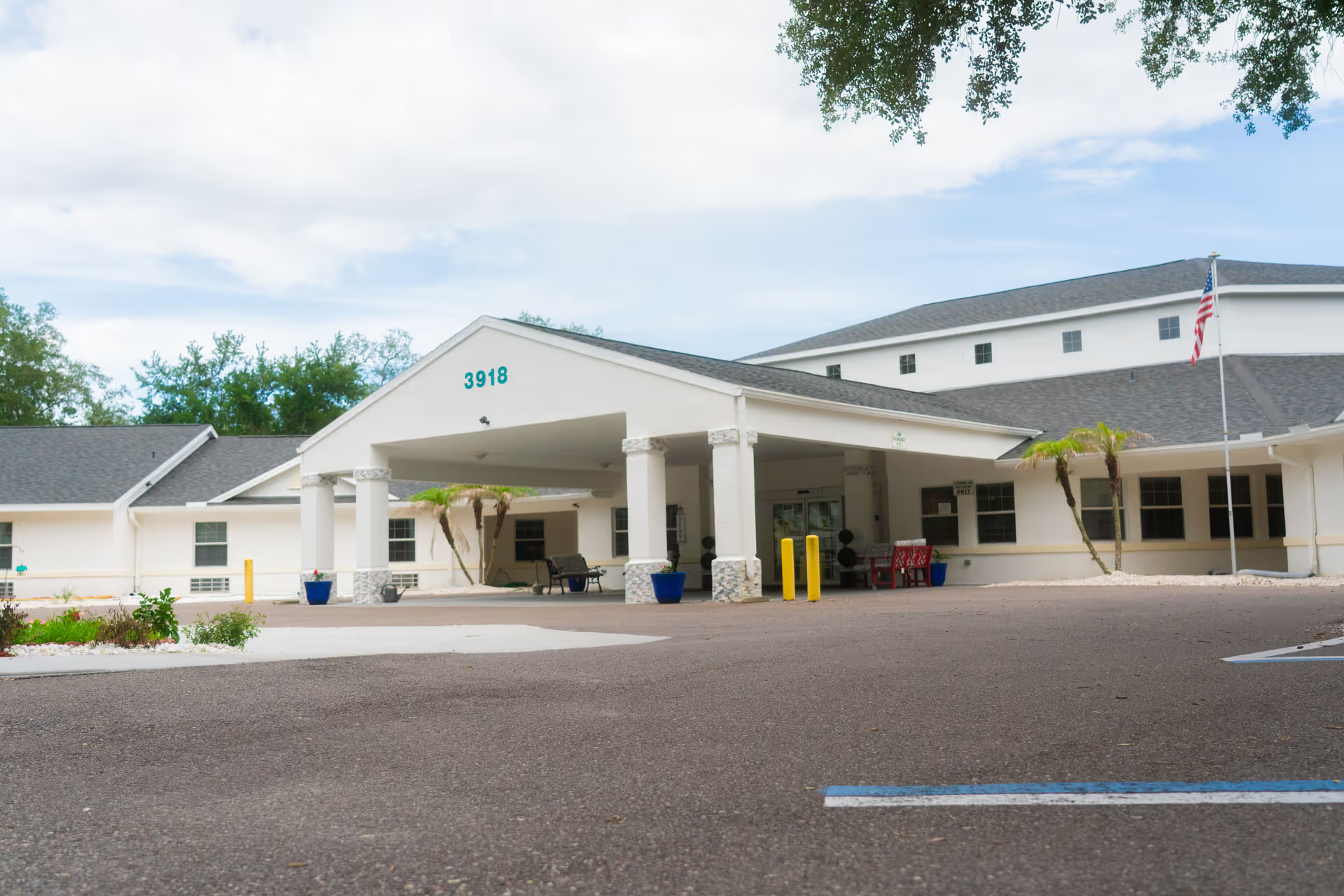
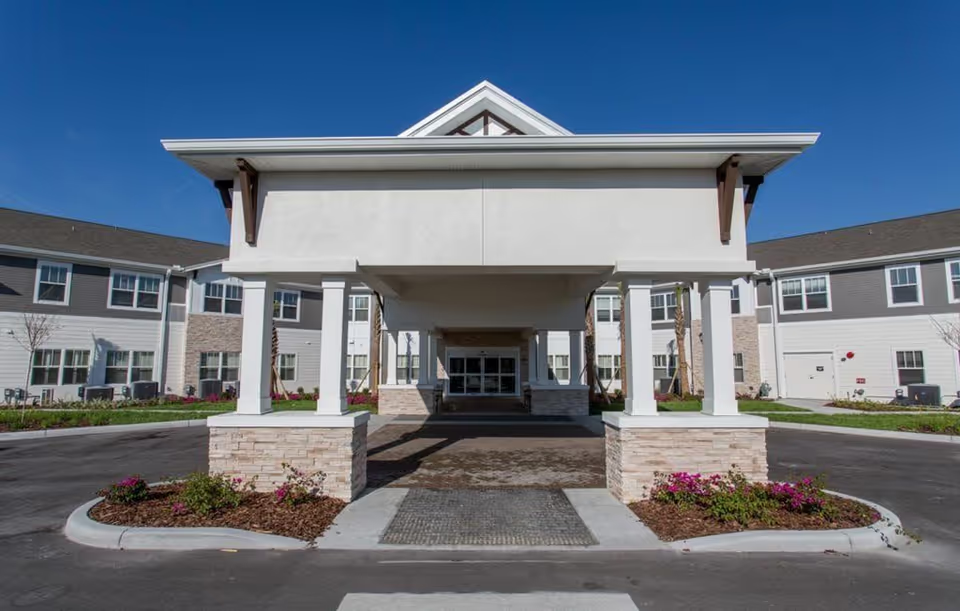
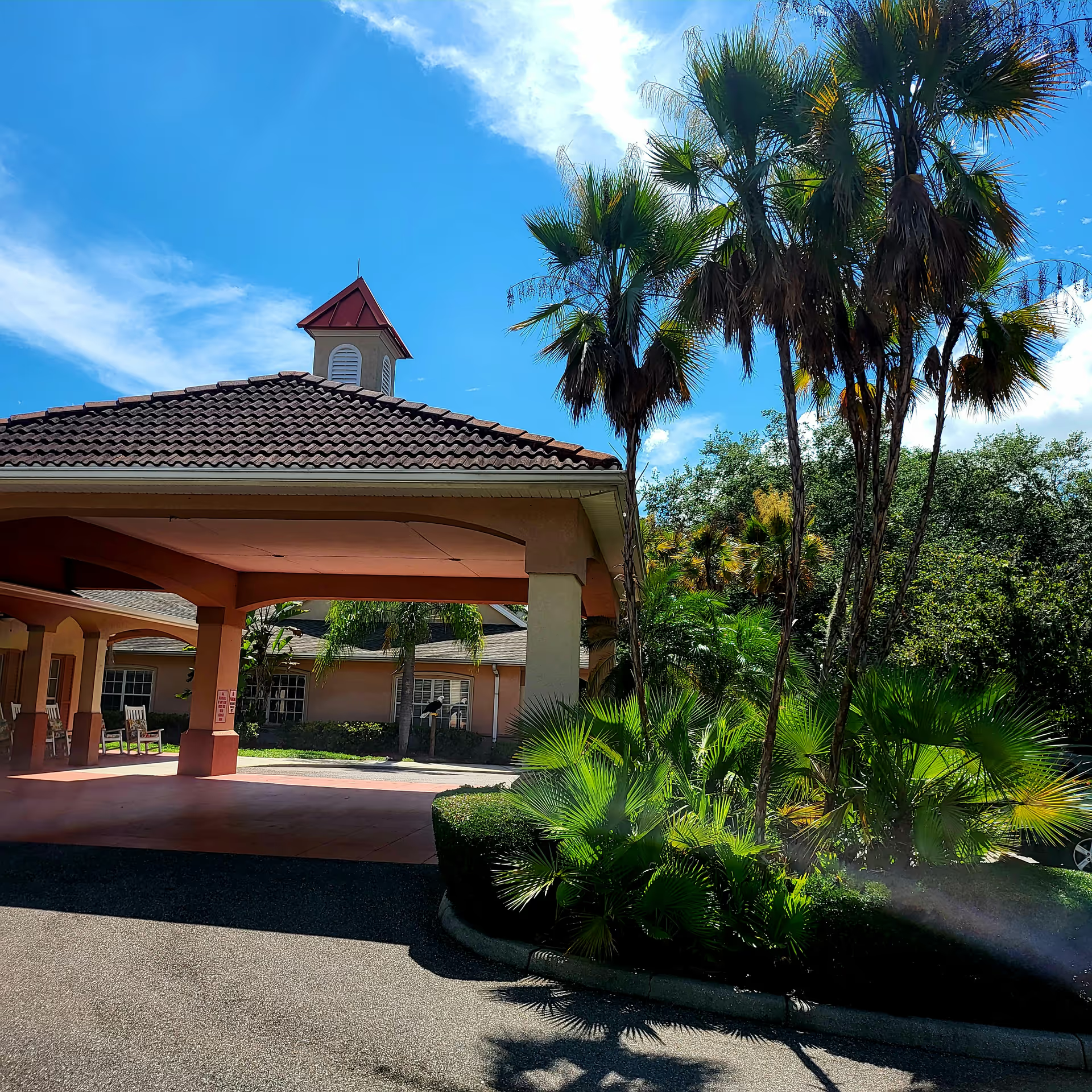
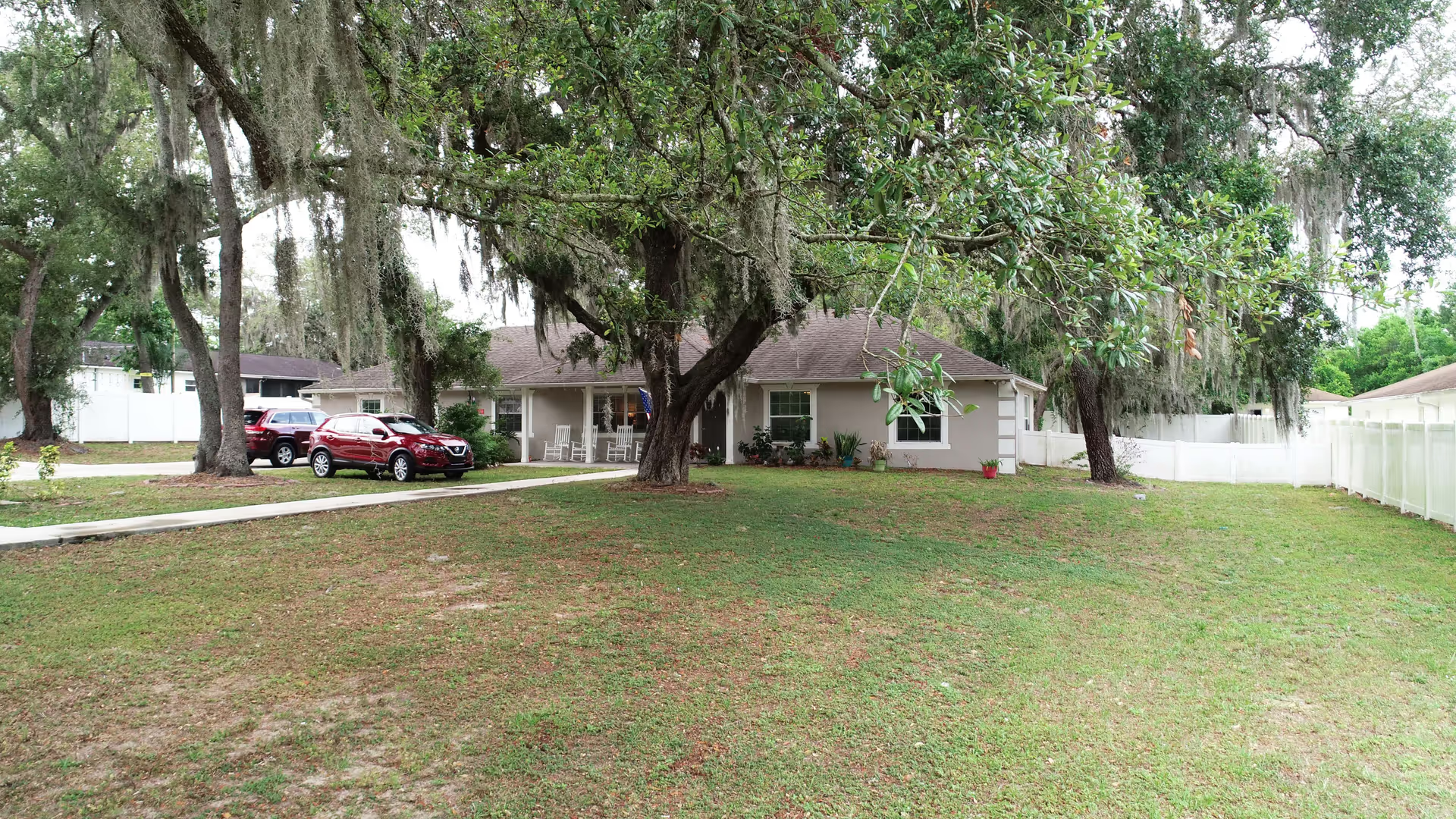
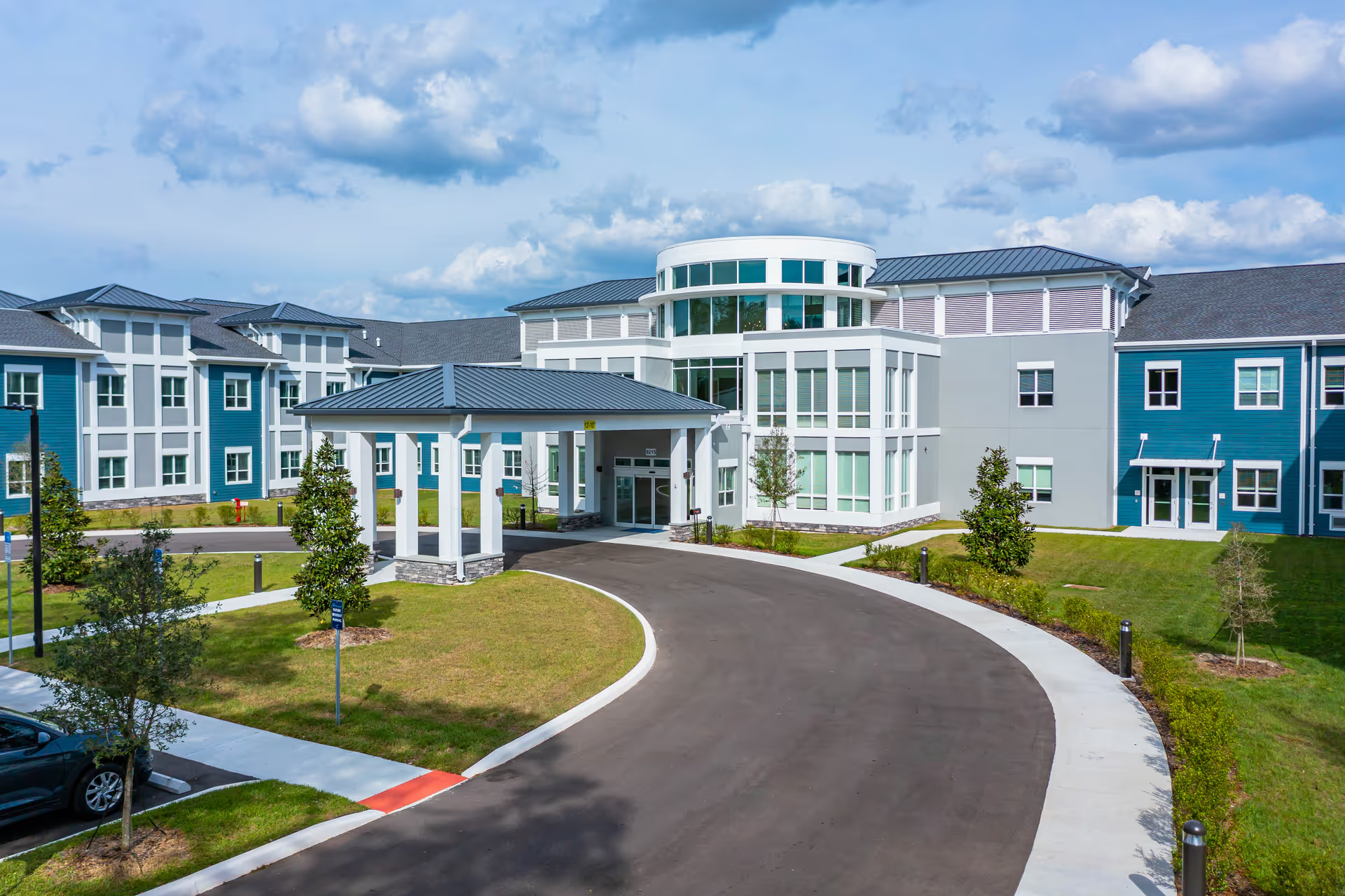
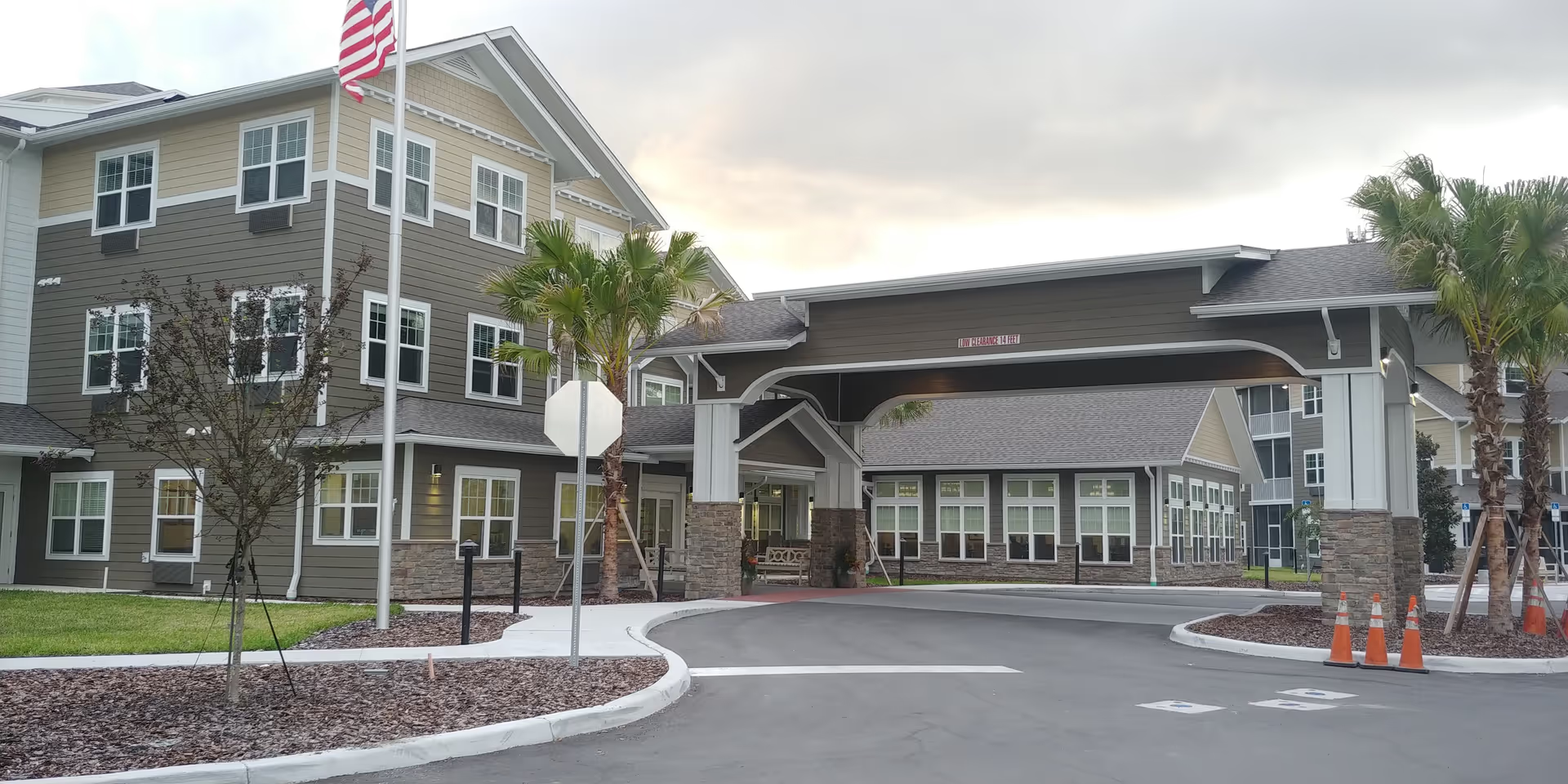
Facilities and location: The property is frequently described as comfortable, hotel‑like, and well appointed, with pleasant outdoor spaces (gardens, pond) and convenient access to nearby hospitals and highways. Apartment styles and closet/storage space are highlighted positively. Spa and wellness offerings and multiple dining rooms add to the campus amenities.
Management and notable patterns: Administrative responsiveness and individual leaders received strong praise in many accounts, including recognition of specific staff who facilitate transitions and family communication. However, several reviews note leadership turnover and concerns about operational continuity after recent ownership and management changes (including a transition to Sweet Water Grand). There are also concerns raised about transparency and review authenticity in a few instances; reviewers indicated they would like clearer leadership stability and openness about staffing and quality metrics. Taken together, the pattern is somewhat polarized: many long‑term residents and families report high satisfaction and consistent care, while other accounts point to a perceived decline associated with management and staffing changes.
Bottom line: The Bridges offers substantial strengths in atmosphere, programming, and many aspects of daily care, but prospective residents and families should perform a current, focused assessment before committing. Recommended questions include: current CNA and dining staffing ratios, status of kitchen leadership, recent sanitation audits (especially in memory care), examples of how individualized care and end‑of‑life directives are enforced, staff turnover rates, and recent resident/family satisfaction data. An in‑person tour that includes the memory‑care unit, a meal observation, and conversations with current families and clinical leadership will help determine whether the present operational profile matches expectations and needs.