Reviewers provide strongly mixed impressions of Washington Rehabilitation and Nursing Center, with a broad spread between highly positive experiences and very serious concerns. Positive comments highlight attentive CNAs and nursing staff, effective therapy and rehabilitation services that enabled successful discharges home, and a welcoming admissions team. Families also describe an engaging activities program (library, gardening, social events), usable outdoor space, and frequent use of video chat and other visitation supports that facilitated ongoing family contact.
At the same time, a substantive set of reviews describe operational failures that affect clinical care and resident comfort. Common clinical themes include medication-administration gaps, missed or delayed treatments, and inconsistent follow-through on therapy sessions or discharge equipment needs. Families also raised concerns about inconsistent incontinence-care and irregular bathing schedules, and described occasions when residents were left unattended for extended periods.
Staff behavior and workforce issues appear bifurcated: many reviews praise individual caregivers, therapists, and maintenance staff for warmth and responsiveness, while other reviews detail unprofessional conduct, rude interactions, and poor responsiveness from certain staff or supervisory personnel. High staff turnover, reports of low morale, and restrictive sick-leave practices were cited as likely contributors to inconsistency in day-to-day care.
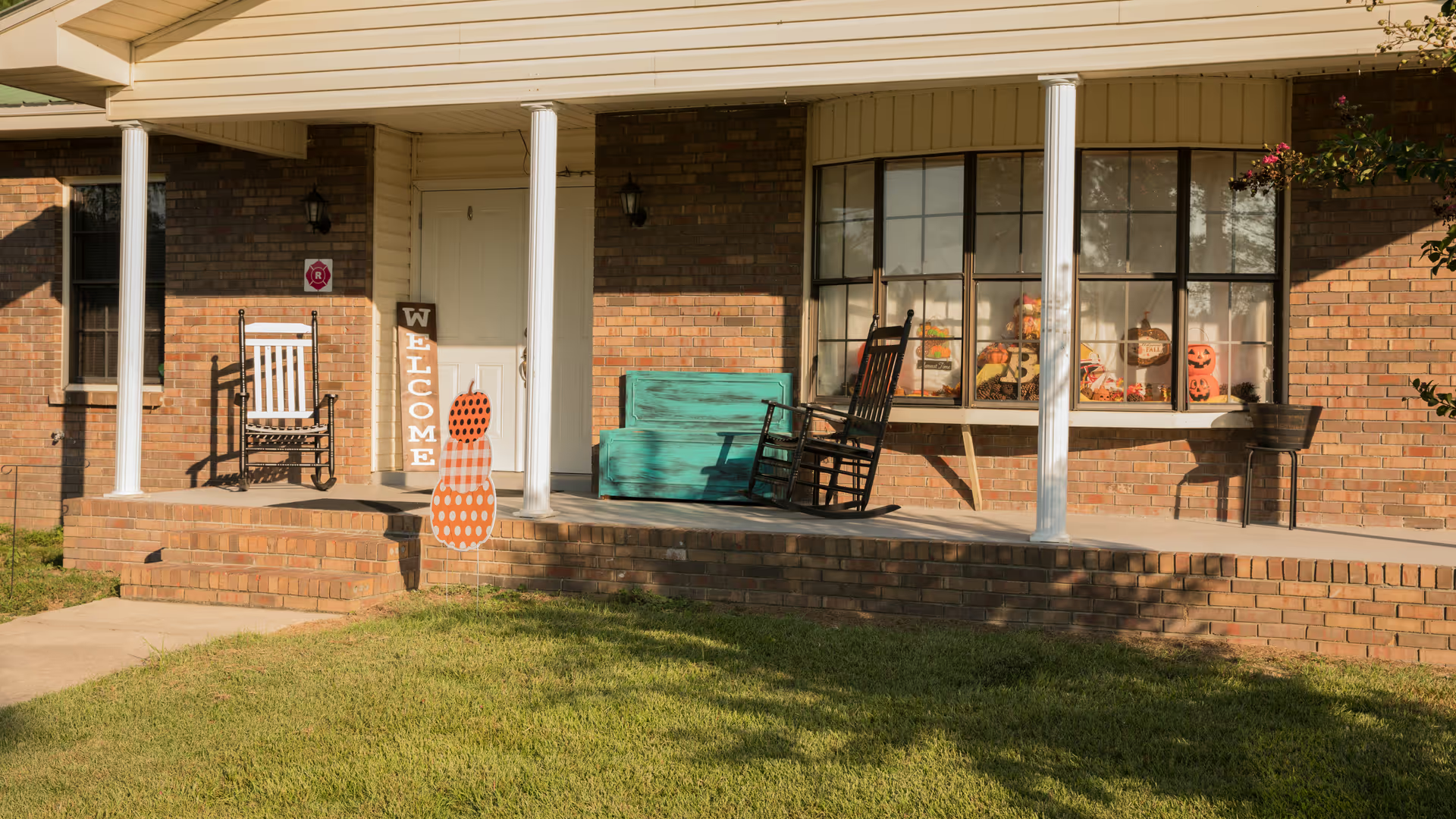
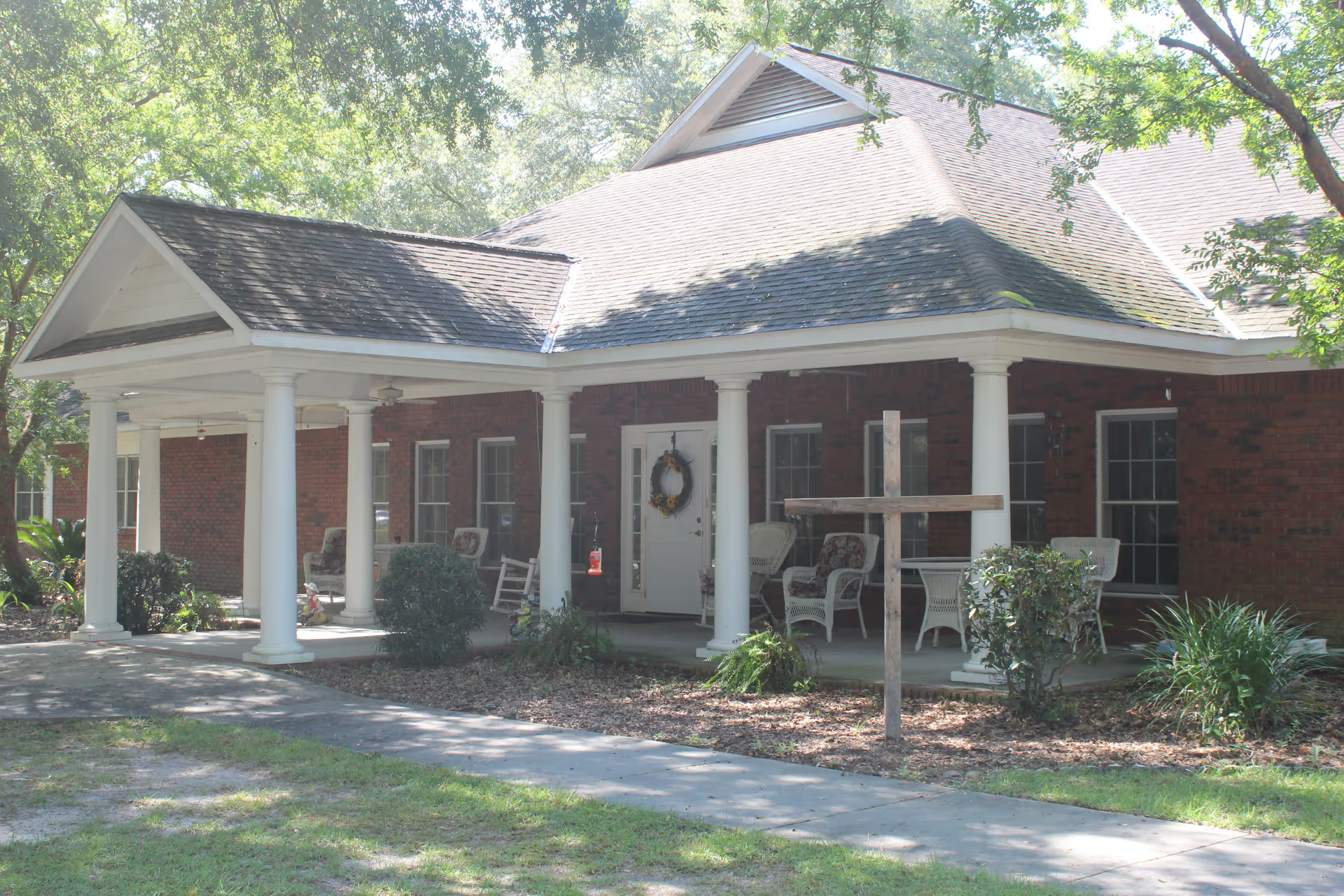
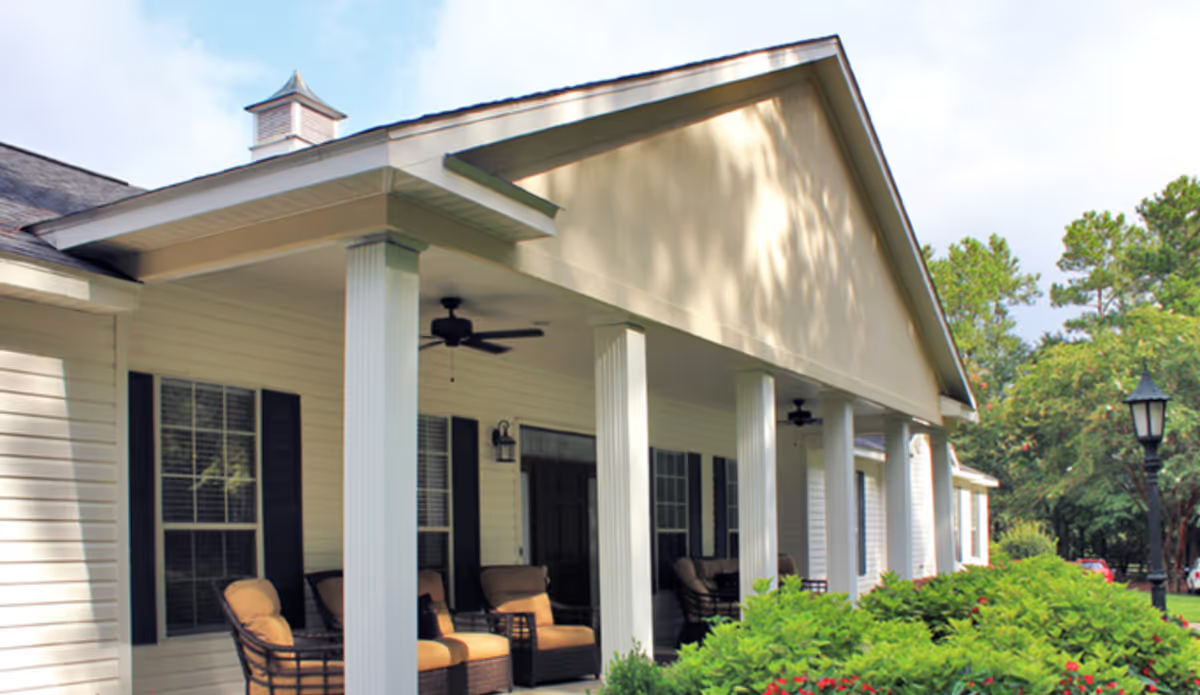
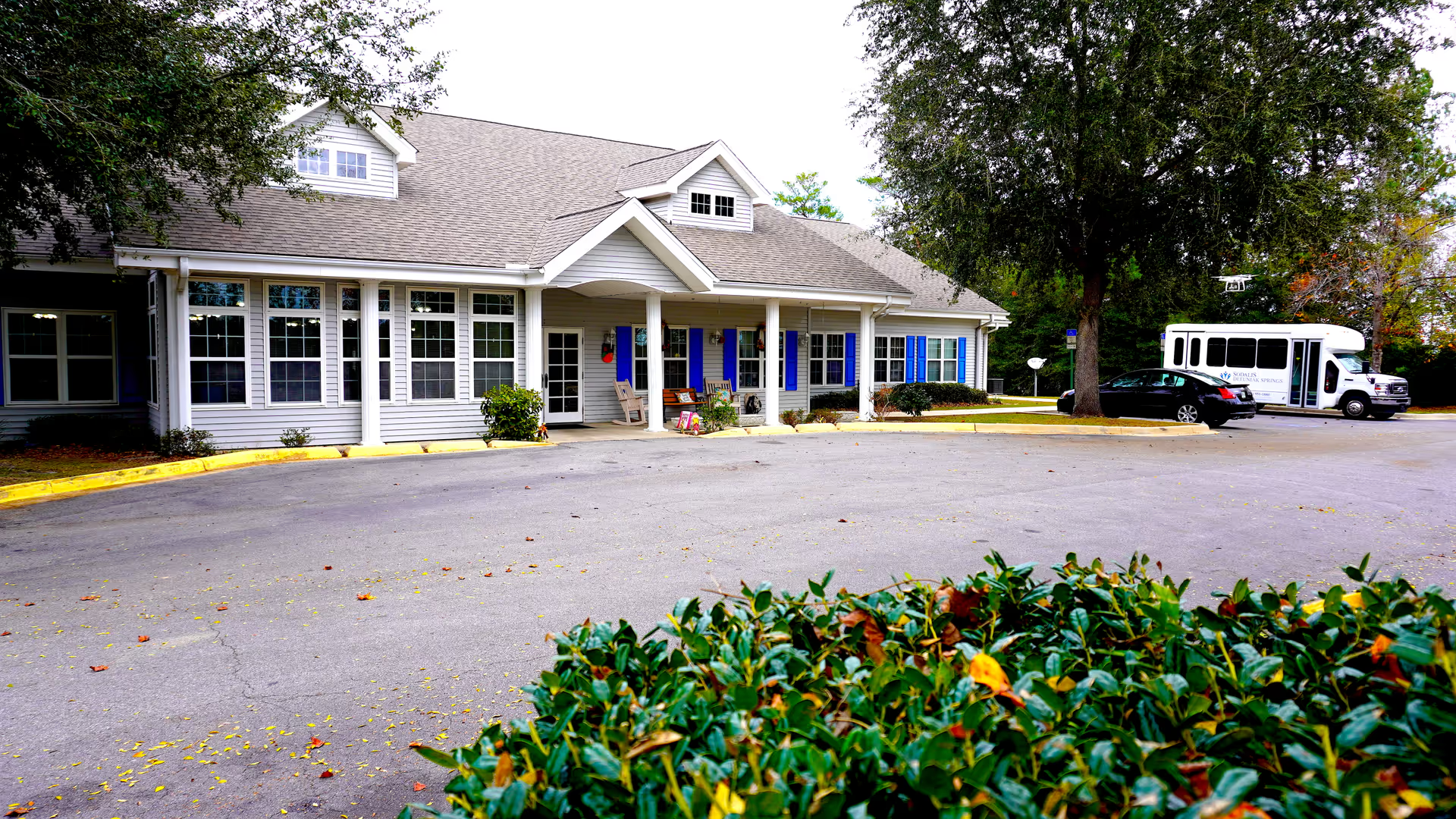
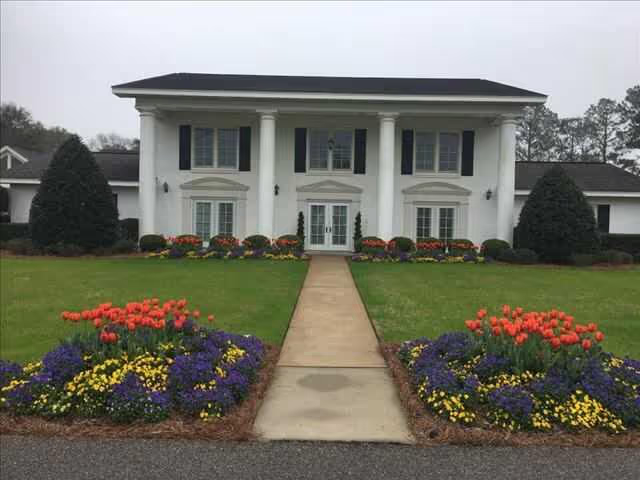
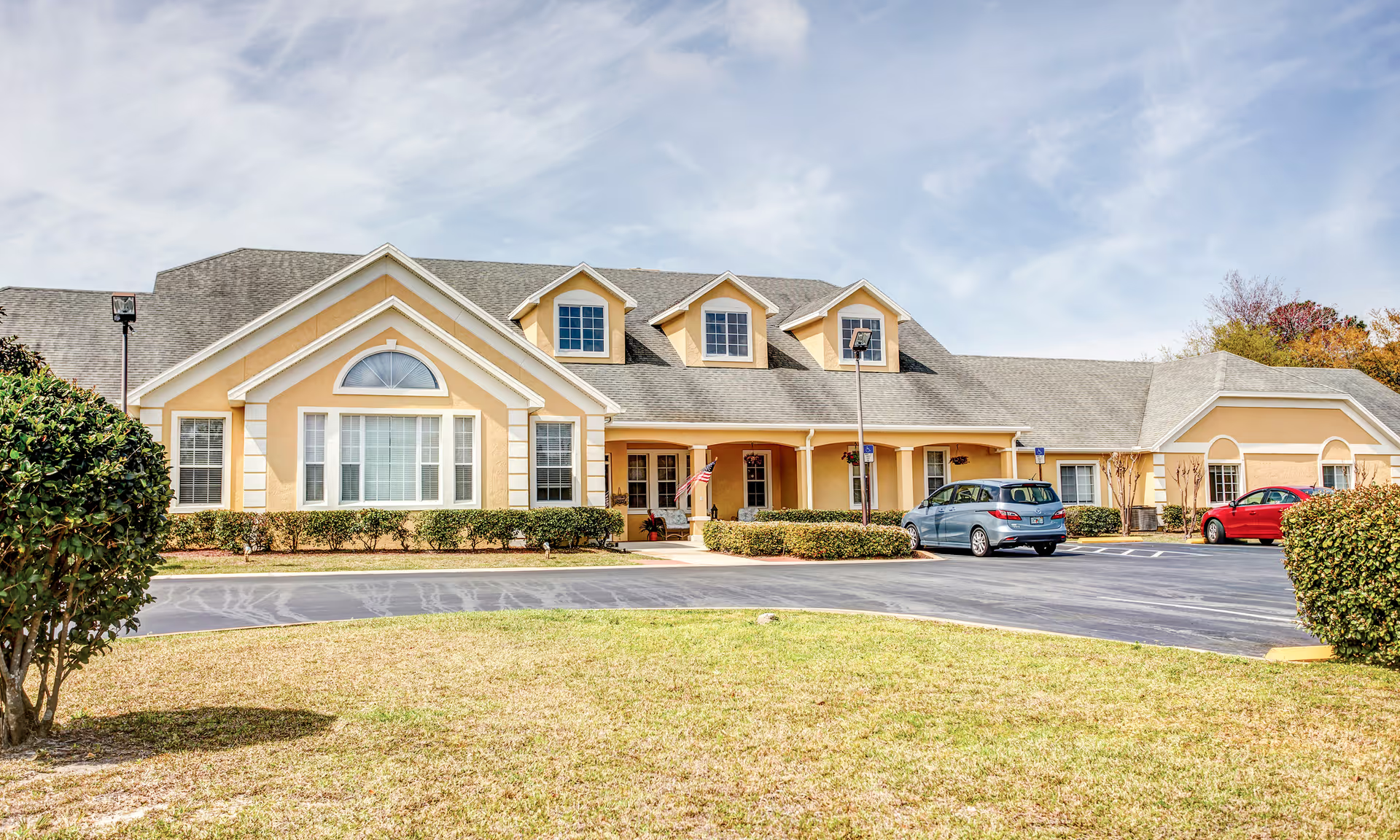
Facility-level factors are also mixed. Several reviewers note clean, well-maintained common areas and positive impressions of the building and grounds, whereas other reviewers reported sanitation and pest-control concerns in specific areas and small resident rooms with limited private space. Dining feedback is variable: some families praise the food and adequate meal service, while others registered occasional dissatisfaction.
Administrative and systems issues emerge repeatedly in the feedback. Reviews mention billing errors, discharge-planning mistakes, missing care plans, and poor interdepartmental communication. Some families described difficulty getting timely answers from management or consistent follow-up on complaints, while others found specific administrators and staff helpful and proactive. There are also reports of visitation policy inconsistency tied to infection-control events.
Taken together, the pattern suggests significant variability in resident experience that may depend on unit, shift, or individual caregivers. Prospective residents and families should expect to find strong caregiving and effective rehab services in some circumstances, but also should be aware of documented operational weaknesses in communication, staffing consistency, medication and billing controls, and sanitation oversight. A thorough, up-front assessment (observing multiple shifts, asking about staffing ratios, reviewing care-plan procedures, and checking recent inspection records) would help clarify how the facility’s strengths and weaknesses align with a given resident’s needs.