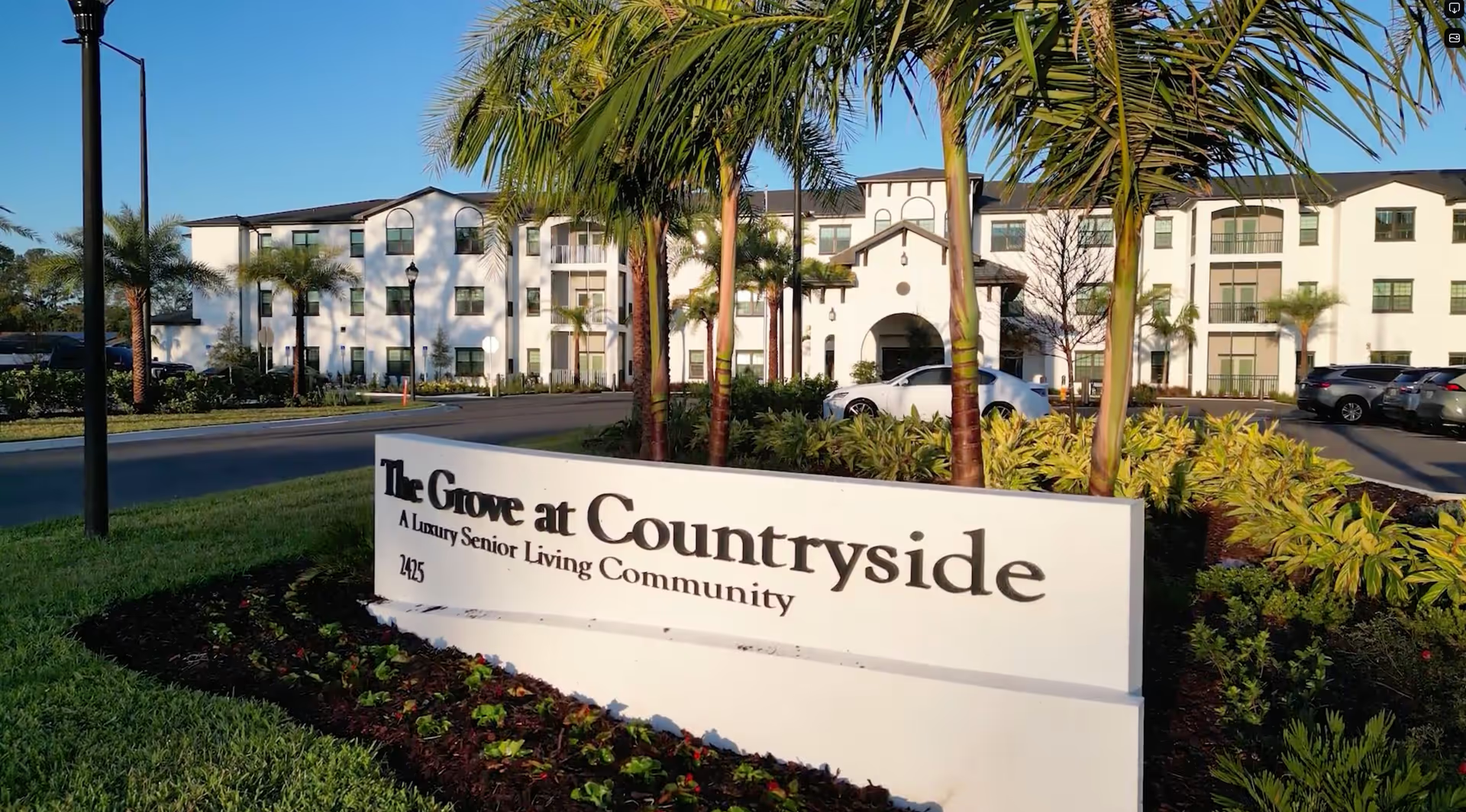
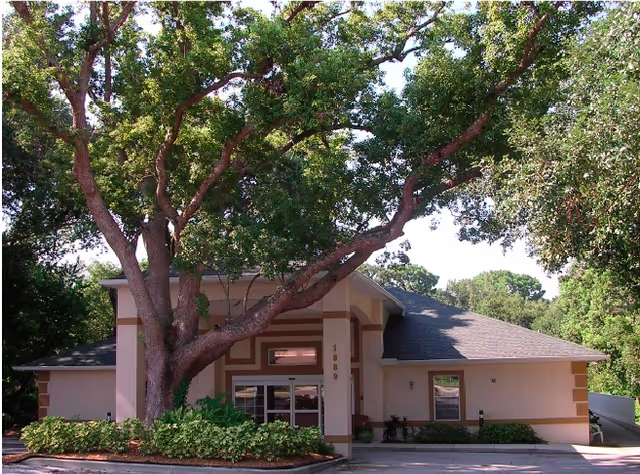
Overall impression: Reviews present a generally positive picture of a small, community-oriented assisted living setting with an emphasis on personalized attention, home-style dining, and cultural accommodation. Strengths repeatedly noted include an accessible owner and manager, staff described as caring, and a clean interior. At the same time, at least one reviewer expressed dissatisfaction with the facility’s condition and placement, indicating variability in resident experience.
Care quality and staff: Several comments highlight caring staff, an involved manager, and routine services such as medication administration and laundry, suggesting competent basic assisted-living care. The tone of most feedback emphasizes respectful, attentive interactions and a family-like approach. However, the collection of reviews also indicates variable resident satisfaction, which may reflect uneven experiences between individual residents or differences in expectations about care intensity; families seeking higher-level clinical services should verify licensure and on-site clinical capacity.
Dining: Dining is a clear strength. Reviewers describe healthy, hand-cooked meals with dietary-friendly options and the ability to customize orders. The availability of Tagalog-speaking staff and traditional Tagalog dishes is noted as an important cultural accommodation for Filipino residents, contributing to resident comfort and satisfaction.
Activities and social life: The community offers routine social and recreational programming—bingo, movies, walks, computer/DVD use—and at least one review characterized the activities as outstanding. The environment is portrayed as conducive to making friends and staying engaged, particularly for residents who prefer a smaller, home-like setting rather than a larger campus.
Facilities and amenities: Many reviewers describe the facility as clean and well-maintained with ample space, and one review highlights good value for price. Conversely, a negative comment describes the facility as run down and an unhappy placement for one resident, pointing to inconsistent physical upkeep or differing expectations about maintenance. The small scale of the community is a trade-off: it supports personalized attention but may limit the range of amenities available compared with larger assisted-living or memory-care campuses.
Management and notable patterns: Management accessibility and owner involvement are repeatedly mentioned as positive attributes, and staff language skills support culturally specific needs. The dominant pattern is a small, affordable community providing basic assisted-living care with strengths in food, staff attention, and social programming. Prospective residents and families should tour the facility to assess current physical condition, clarify the scope of clinical services, and speak with recent families to understand whether the community’s scale and service model align with their needs.