Overall impression The Grove at Countryside is repeatedly described as a brand-new, luxury senior living community with hotel-like finishes, thoughtfully designed communal spaces, and a layout that encourages social interaction. Many families praised the move-in process, warm welcome from staff, central park-like setting, and attractive amenities such as a gym and physical-therapy space. Culinary offerings and dining ambiance are frequently highlighted as major strengths when they are functioning as intended.
Care and staff A clear strength in the reviews is the consistent praise for compassionate, attentive caregivers and visible leadership engagement. Reviewers cite hands-on executive leadership, a supportive memory-care director, and instances of clinical coverage such as round-the-clock nursing. At the same time, there is a recurring pattern of workforce challenges: high staff turnover, perceptions of understaffing on shifts, and concerns about staff morale. Those operational staffing pressures are described as contributing to service lapses and occasional delays in clinical responsiveness and medication-related processes.
Dining and food service Dining is a polarizing area. Numerous accounts describe a chef-led, restaurant-style program with varied, high-quality meals and positive dining experiences. Several reviewers specifically praised culinary leadership and the presence of staff in the dining room. Conversely, there are recurrent descriptions of menu deviations, items not matching published menus, shortages of basic items, and lapses in dining-room bussing and cleanliness. These inconsistencies appear linked to operational staffing and supply issues rather than the quality concept itself.
Activities and social life The community layout and social programming receive positive attention: residents enjoy table companionship, holiday events, crafts, and organized activities that foster engagement. Some accounts, however, point to uneven activity engagement and a lack of organized transportation or group outings for residents who expect more off-site programming. Families considering the community should clarify the extent and frequency of outings and how activity participation is encouraged for different care levels.
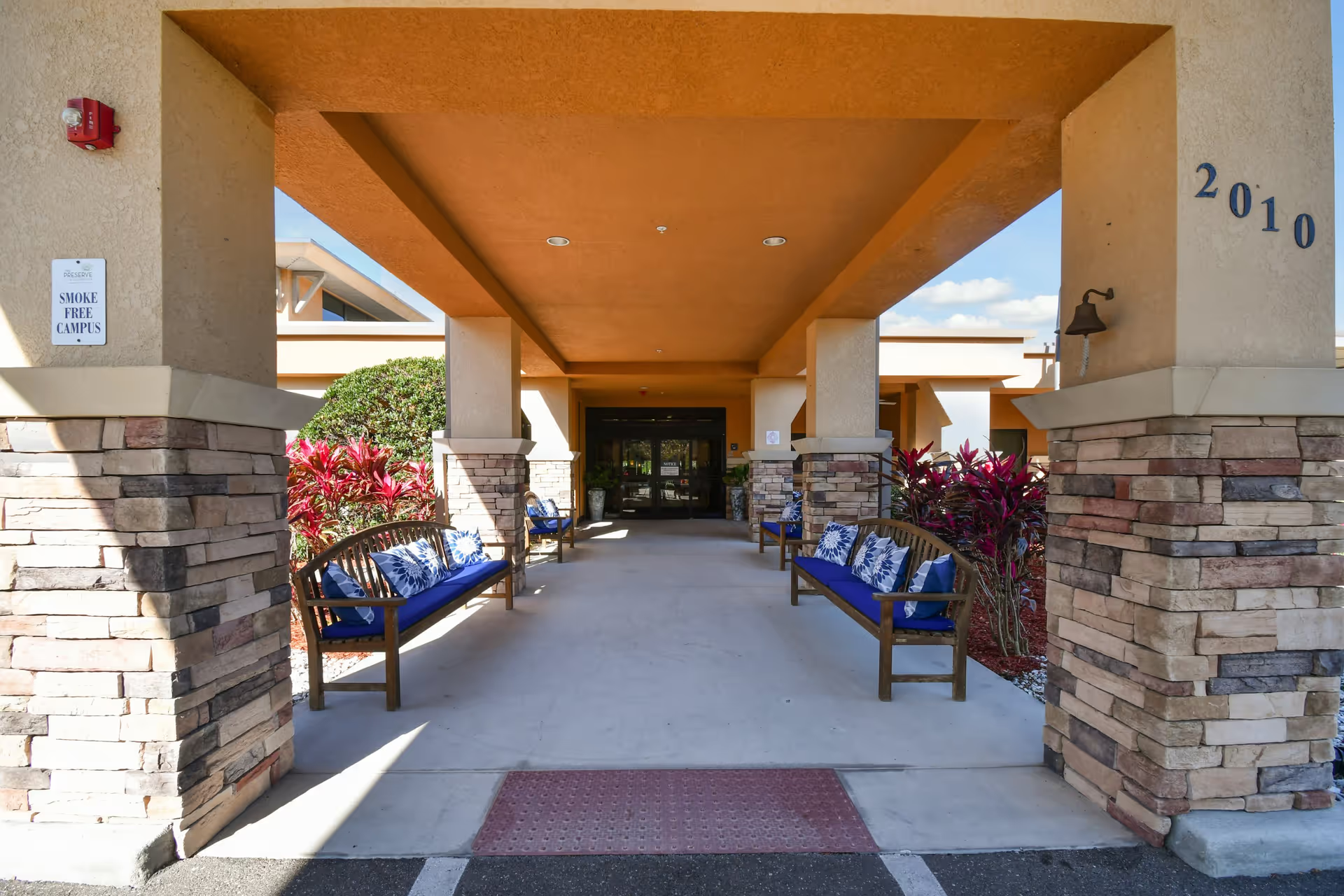
Facilities, maintenance, and operations Physically the campus is viewed as well-appointed and modern, with many praising finishes, light-filled apartments, and resort-like common areas. At the same time, there are operational concerns tied to a new-build opening and ongoing construction, including delays related to weather events and isolated maintenance incidents that have raised sanitation and upkeep questions. Reviewers also flagged gaps in services such as pet support and salon staffing. Several comments reflect perceptions of pricing that may be higher than expected relative to occasional service inconsistencies.
Management and notable patterns Communication from sales and construction teams earns positive notes for transparency and timely updates; many families found the initial admissions process straightforward. Yet there is a countervailing thread around management style and employee relations. Some reviewers described leadership approaches that they perceived as overly directive, and others expressed concern about how that culture affects staff retention and service continuity. There are also patterns linking staffing pressures to operational outcomes in dining, housekeeping, and responsiveness.
What to ask on a tour Prospective residents and families should verify current staffing ratios by shift and nursing coverage, read recent inspection or staffing records if available, ask for sample menus and food-safety practices, tour active dining service at mealtime, and inquire about transportation, off-site programming frequency, and pet-support services. Clarify construction timelines, refundable-deposit terms, and maintenance response procedures so expectations align with the community’s opening phase.
Bottom line The Grove at Countryside presents as a high-potential, well-appointed community with notable strengths in hospitality, culinary concept, and resident engagement. Those positives coexist with operational challenges common to new communities—notably staff retention, occasional lapses in service consistency, and maintenance disruption. Families who prioritize a luxury environment and strong culinary programming should balance that against the need to confirm staffing stability, dining-service reliability, and operational readiness before committing.