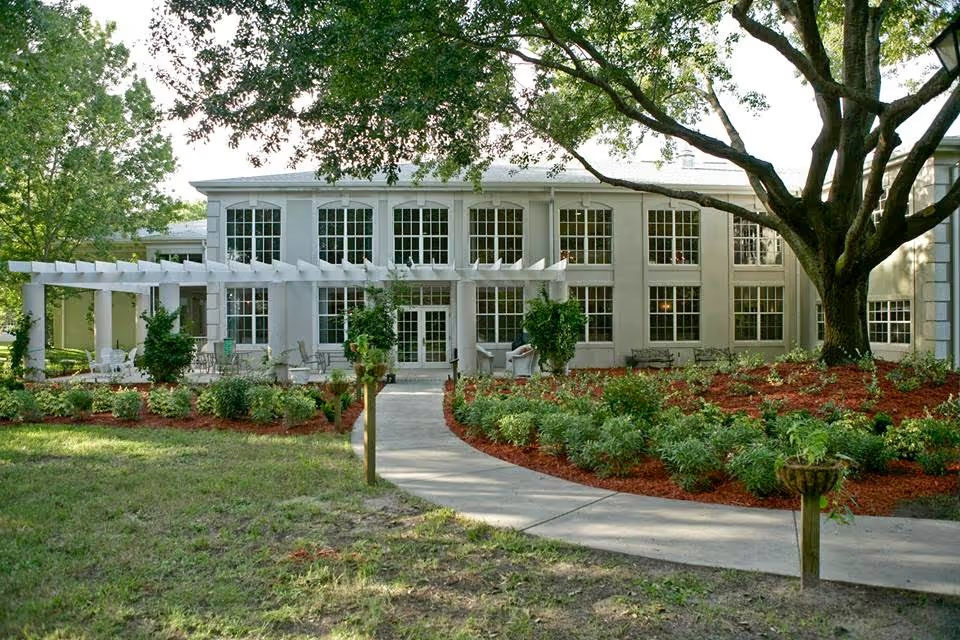
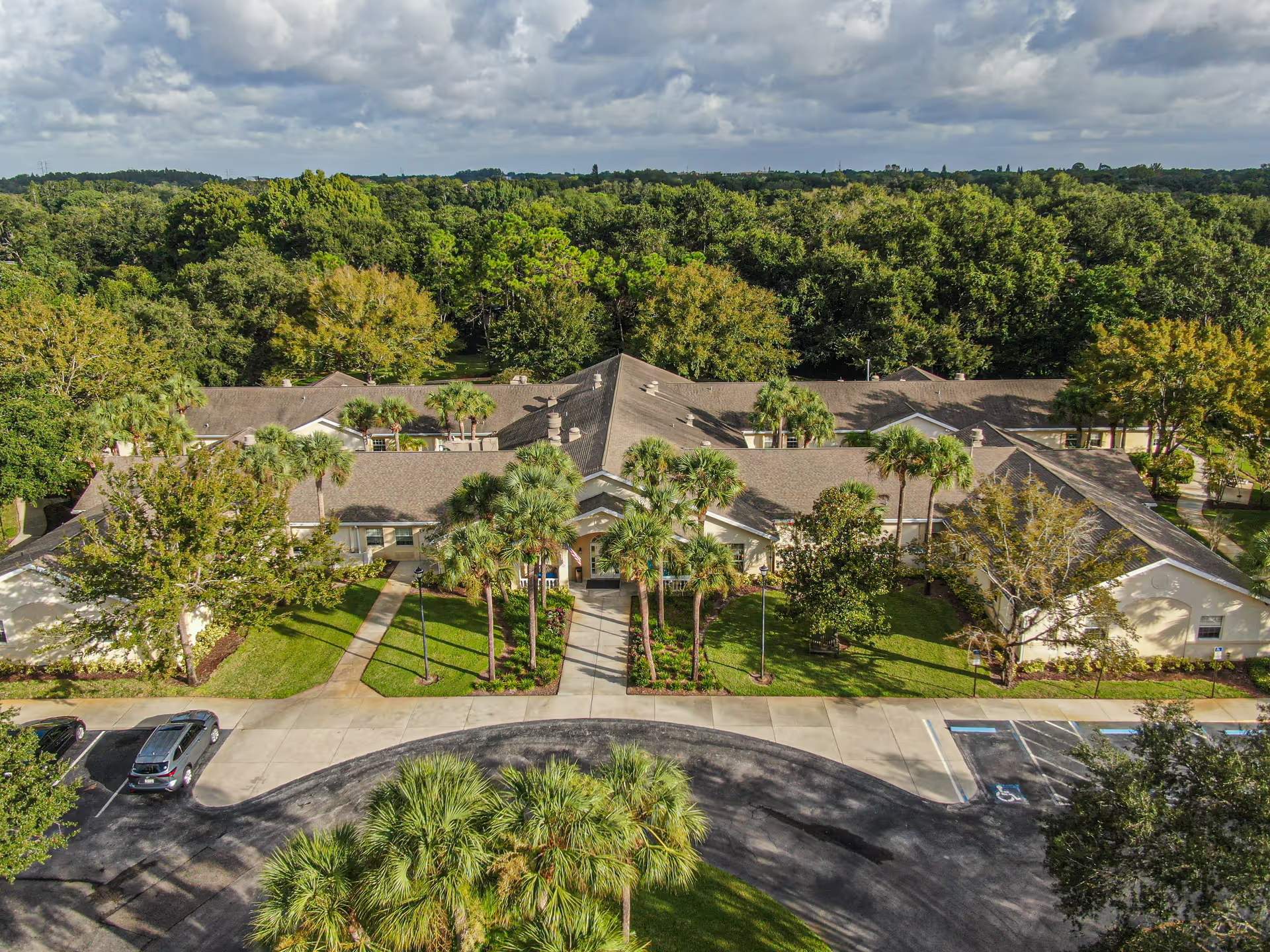
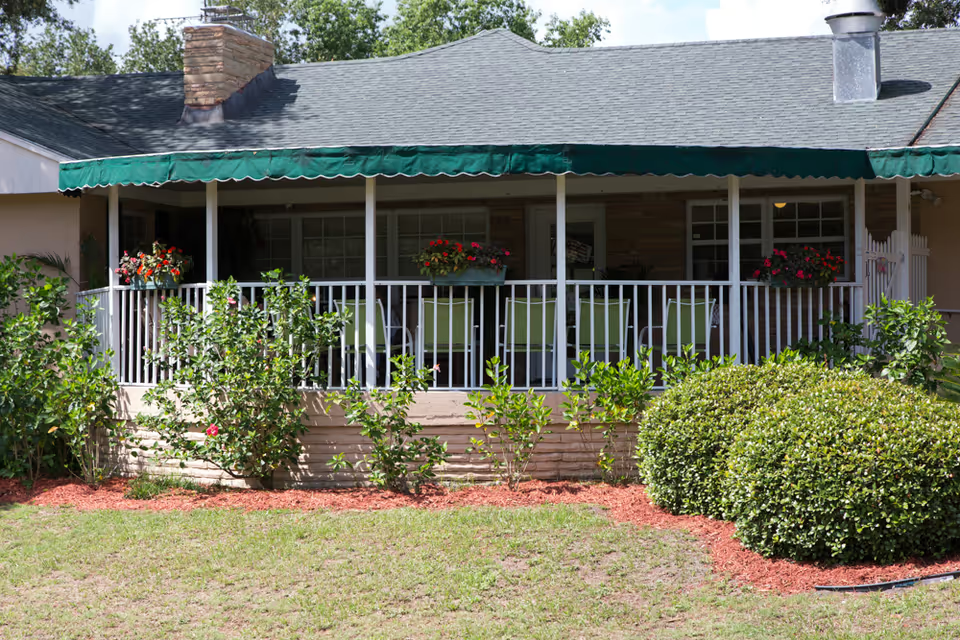
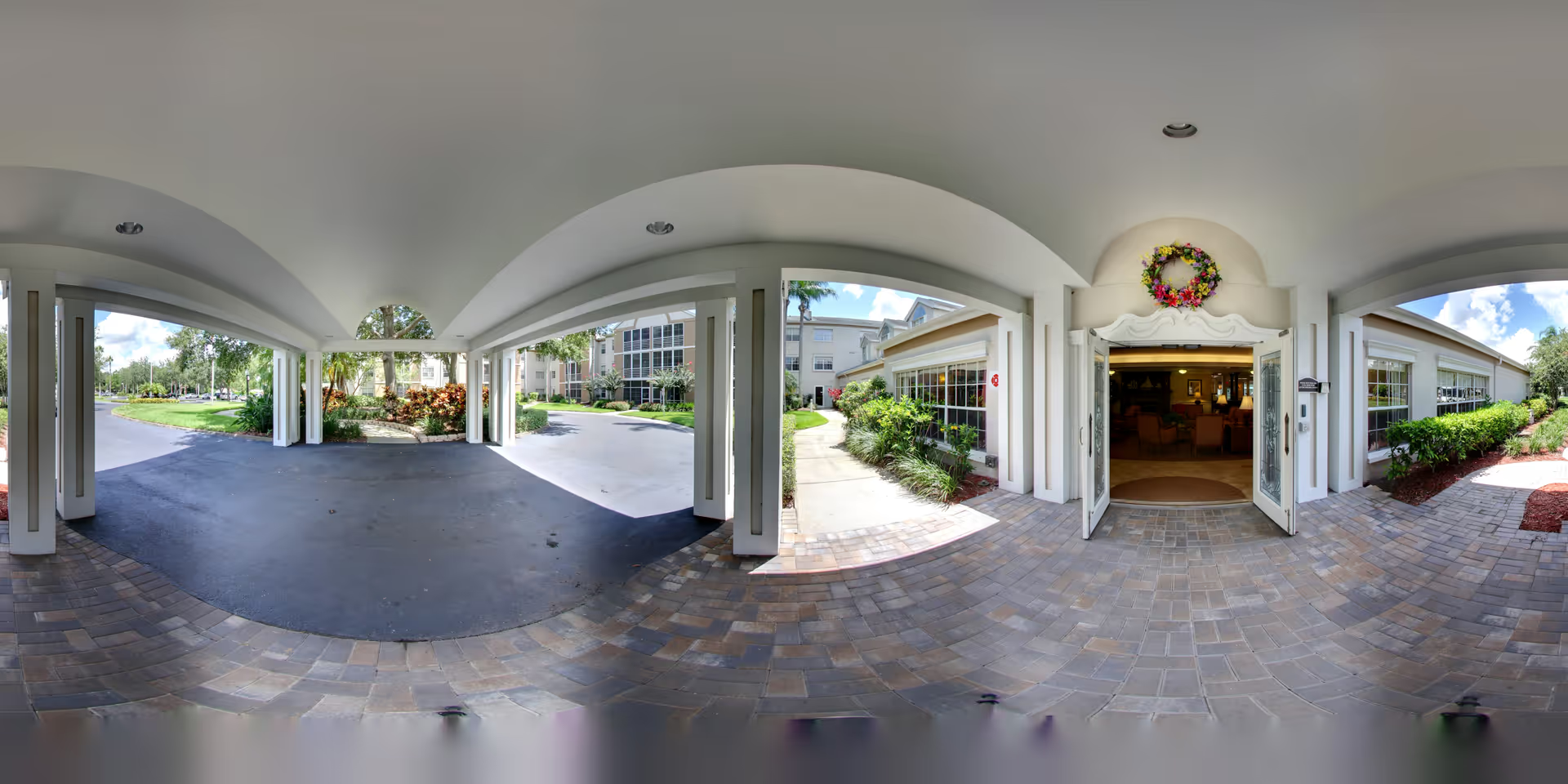
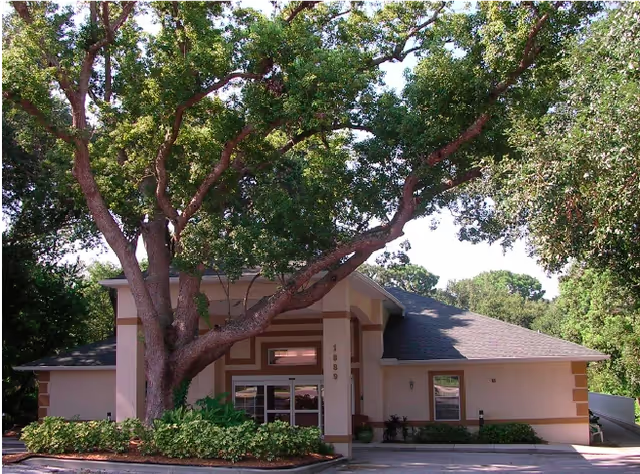
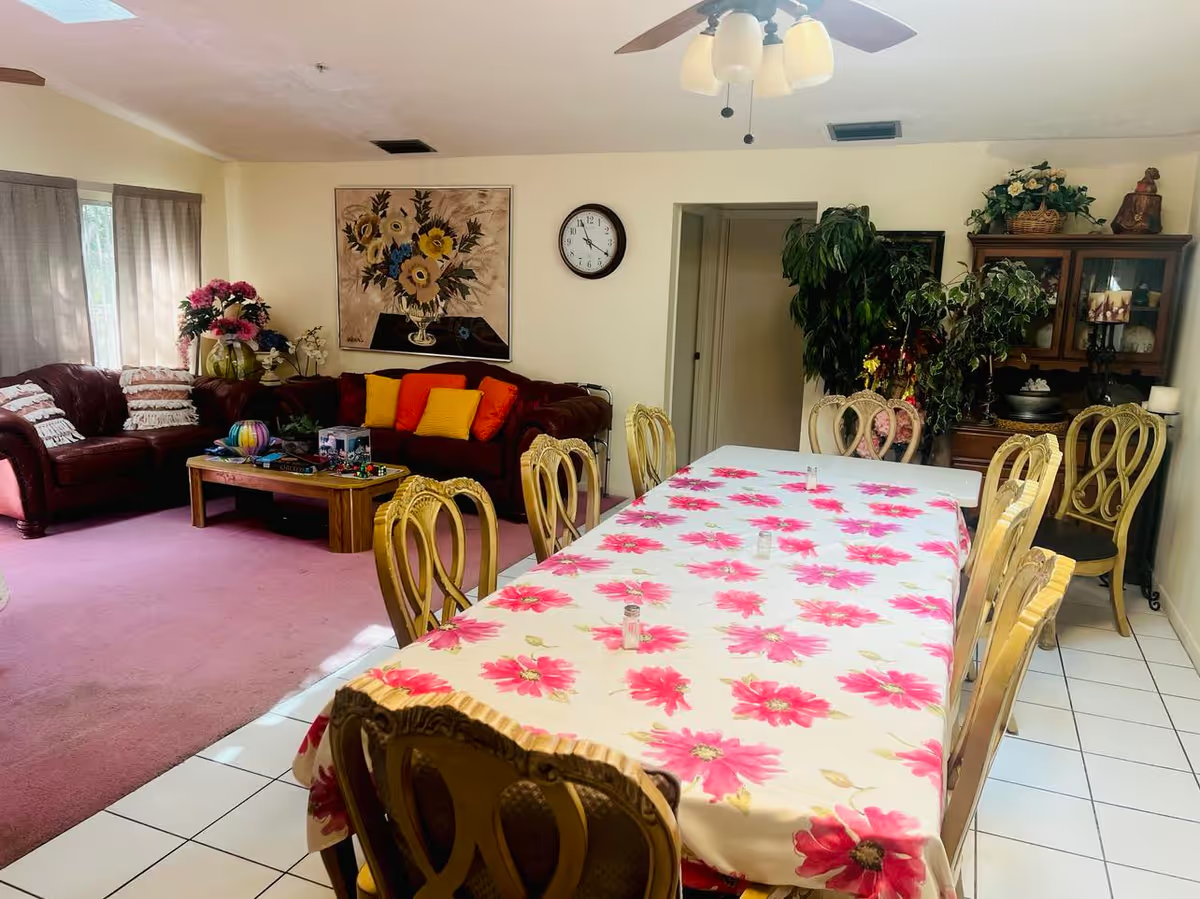
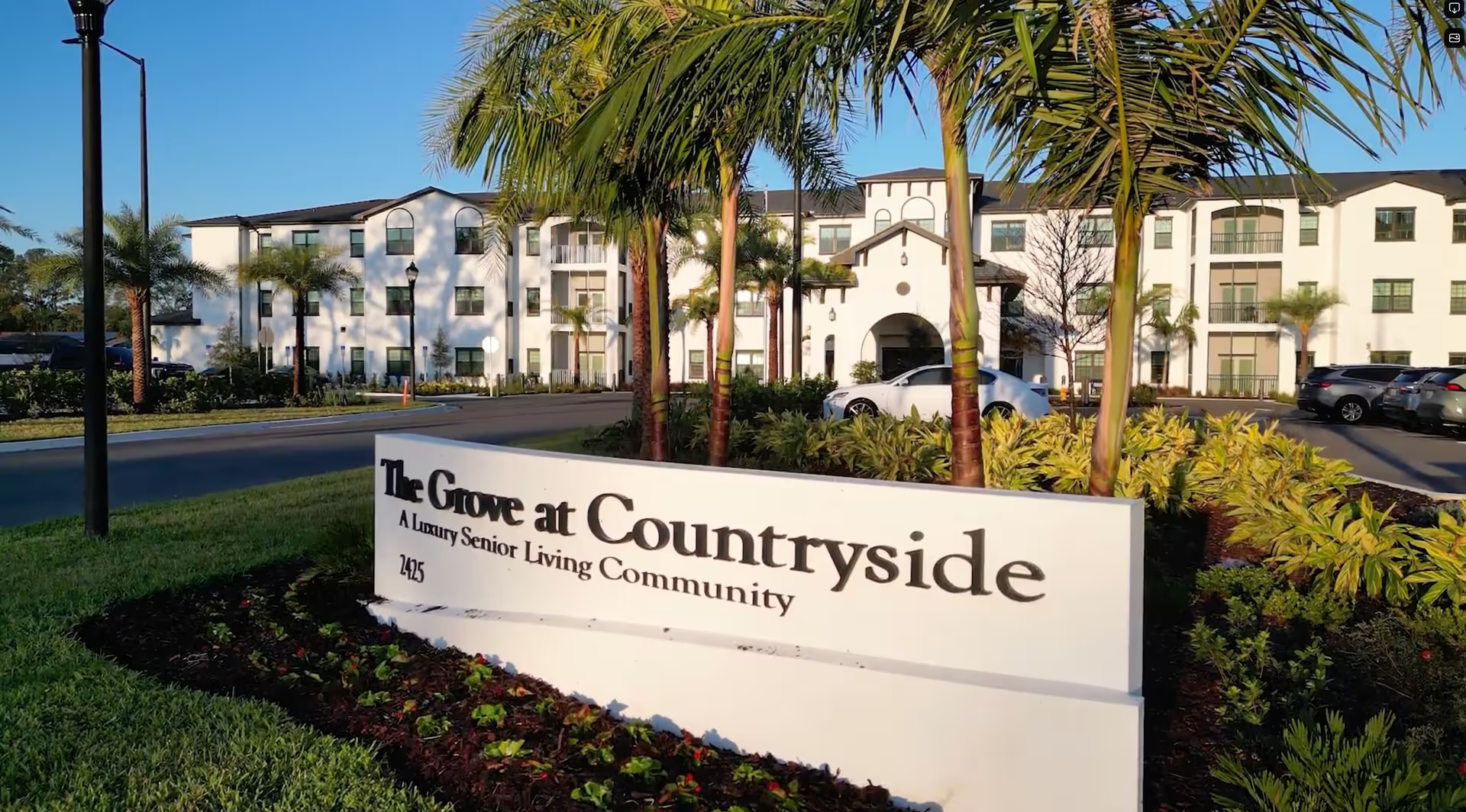
Stratford Court of Palm Harbor presents itself as a resort-like, full-service senior living community with strong curb appeal and well-kept interiors. The campus offers a broad amenity mix—heated outdoor pool and hot tub, fitness room, salon, library, arts/crafts spaces, large dining room and plentiful common seating—paired with multiple levels of care on a single campus (independent living, assisted living, skilled nursing). Apartments vary in size and layout; many units include in-unit laundry and screened balconies, and furnished units and all-inclusive rent options with meals are available. The community consistently receives praise for its active social calendar, transportation for appointments and outings, and a high level of resident engagement.
Dining and daily life are frequent highlights: reviewers commonly describe restaurant-style dining, a varied menu with multiple entrée choices and buffet breakfast offerings, as well as attractive dining spaces and food-service amenities. Housekeeping and weekly linen service are routinely noted as part of the overall package. Staff are often described as warm, attentive and experienced; admissions and sales staff receive regular positive comments about tour quality and move-in coordination. The campus is also noted for being pet-friendly, having canal and pool views, and maintaining an overall hotel-like atmosphere that many residents and families find appealing.
Despite these strengths, important operational concerns recur. Clinical and safety issues are the most serious patterns: several reviewers raised concerns about medication-administration controls, infection-related communication, and the facility’s response to clinical incidents and family inquiries. Dining service also shows mixed signals—while many praise the menu and portions, others describe staffing shortages in dining, inconsistent meal delivery, and a shift toward more processed, higher-sodium options. Staffing variability and turnover appear to affect both clinical and hospitality functions, producing intermittent service delays and activity cancellations.
Unit-level and contractual limitations are another consistent theme. A number of residents and prospective residents note small apartment footprints, limited closet/storage space, dated finishes or a beige color scheme, and variability in which floor plans include desirable features. Capacity constraints for assisted living and memory care create waiting lists in some cases. Families also call out complex fee structures, rising charges and unclear evaluation/admission terms that can lead to confusion about what is included and what carries an extra fee. Additional operational points include inconsistent security and package-handling processes, pool access policies that require supervision, and a shortage of nearby shaded walking paths.
For prospective residents and families: Stratford Court offers a comprehensive, amenity-rich environment with an active social program and many elements of a resort-style community. These advantages are balanced by operational trade-offs—particularly around clinical controls, staffing consistency, dining-service reliability, apartment size/finishes, and contract clarity. Visitors should prioritize direct conversations about medication protocols, staffing patterns (including night coverage), dining staffing and menu sourcing, contract/evaluation-period terms, and assisted-living/memory-care availability. Requesting recent staffing metrics, clinical incident policies, sample contracts with fee schedules, and a meal-service demonstration or tasting can help families evaluate whether the community’s strengths match their care and lifestyle priorities.