Arden Courts of Palm Harbor is consistently described as a memory-care–focused community with strong clinical oversight and a staff culture centered on dementia expertise. Families emphasize 24/7 nursing coverage, regular physician availability, and a high staff-to-resident ratio that supports individualized care plans and frequent clinical attention. The caregiving team is repeatedly characterized as compassionate, well trained in dementia care, and long tenured; reviewers note proactive nursing interventions, effective infection- and emergency-management (including hurricane and COVID handling), and thoughtful end-of-life support.
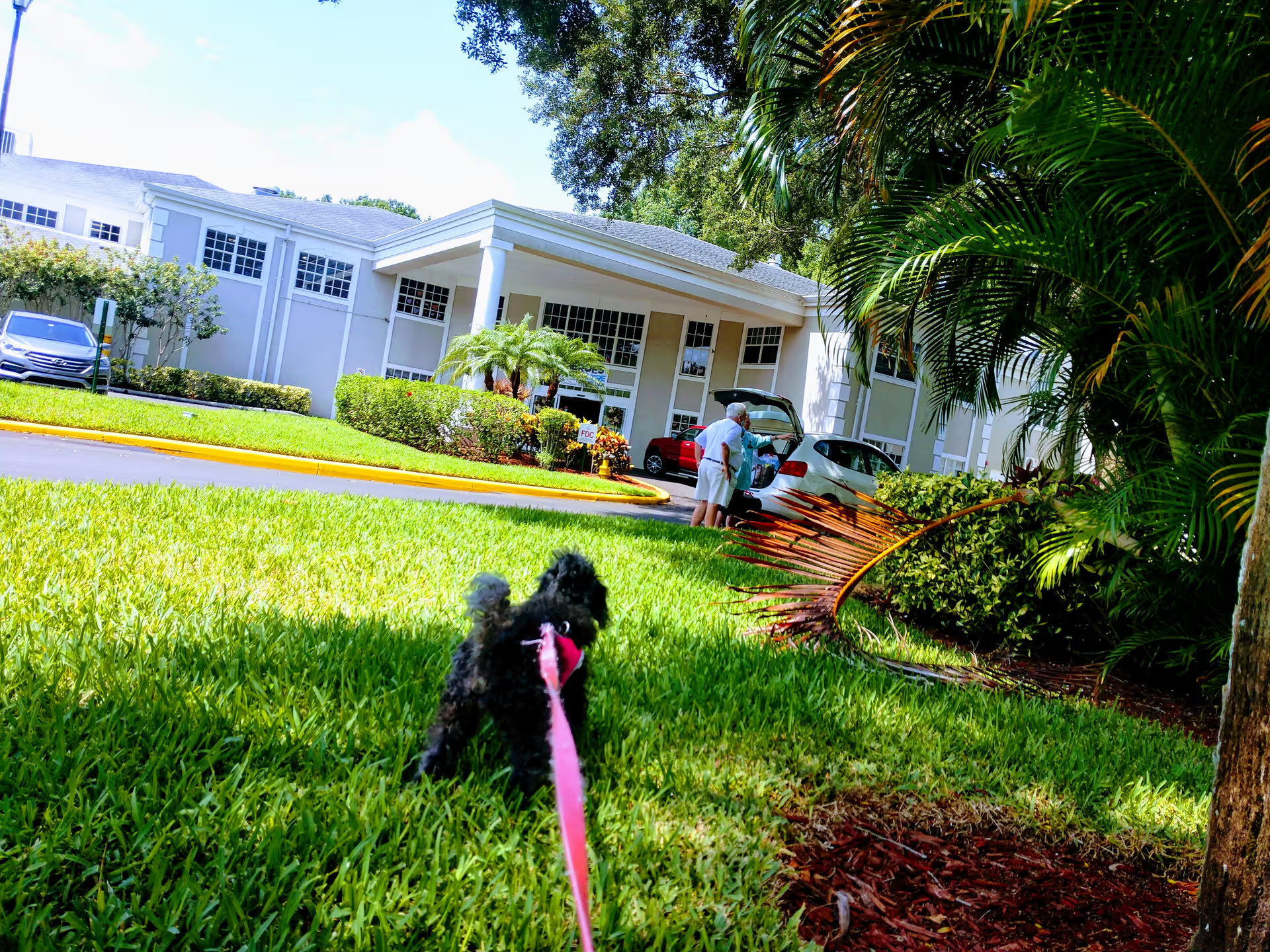
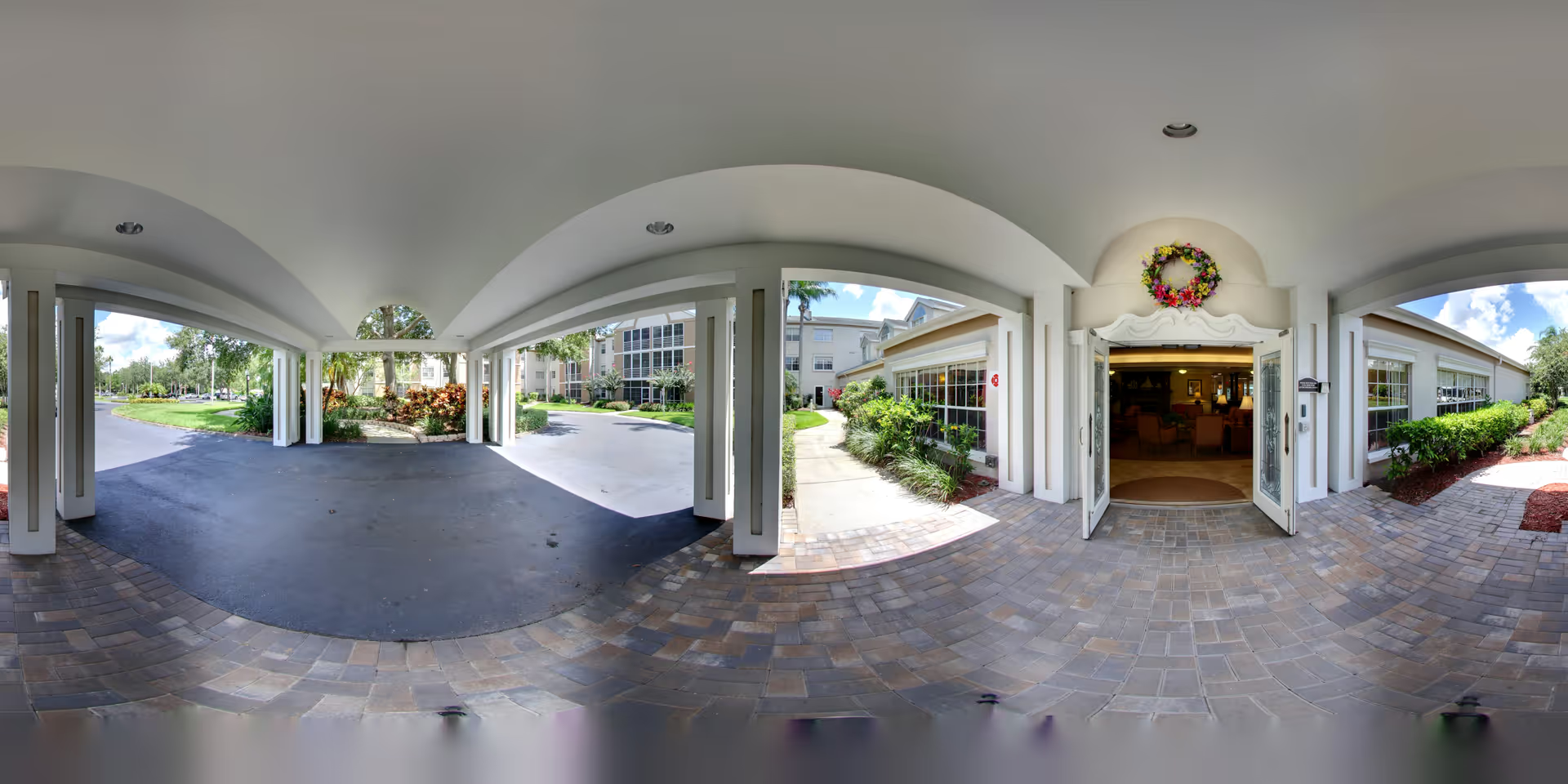
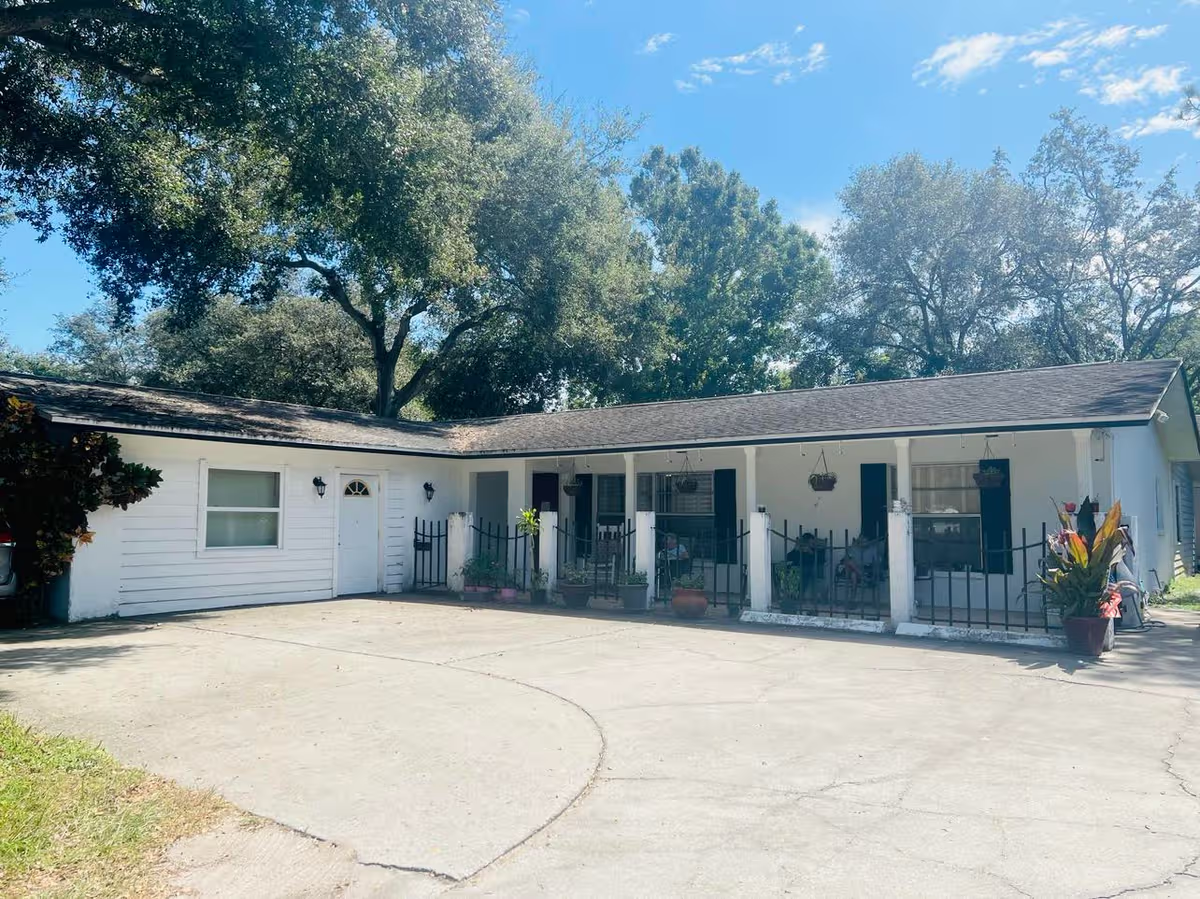
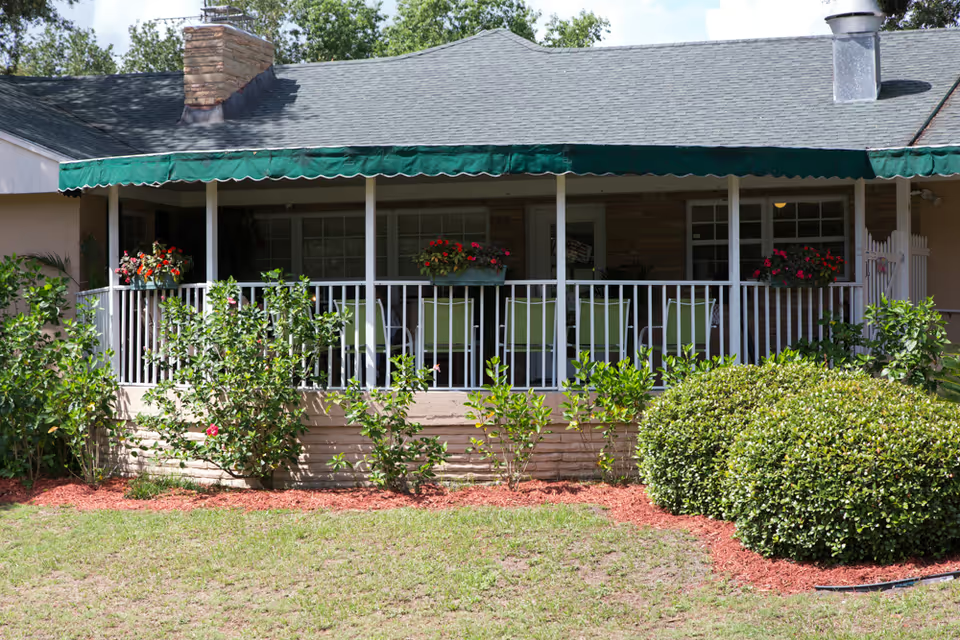
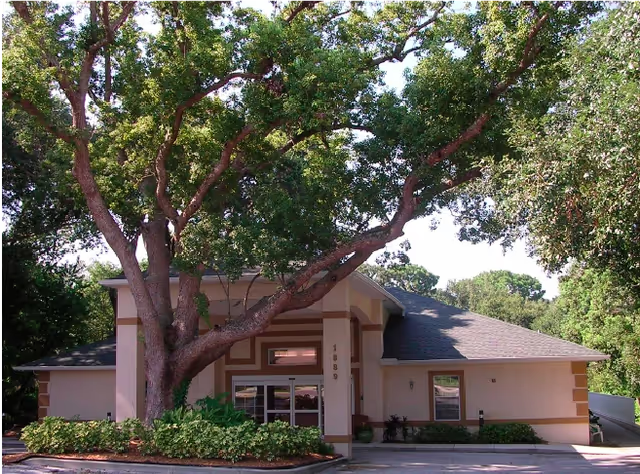
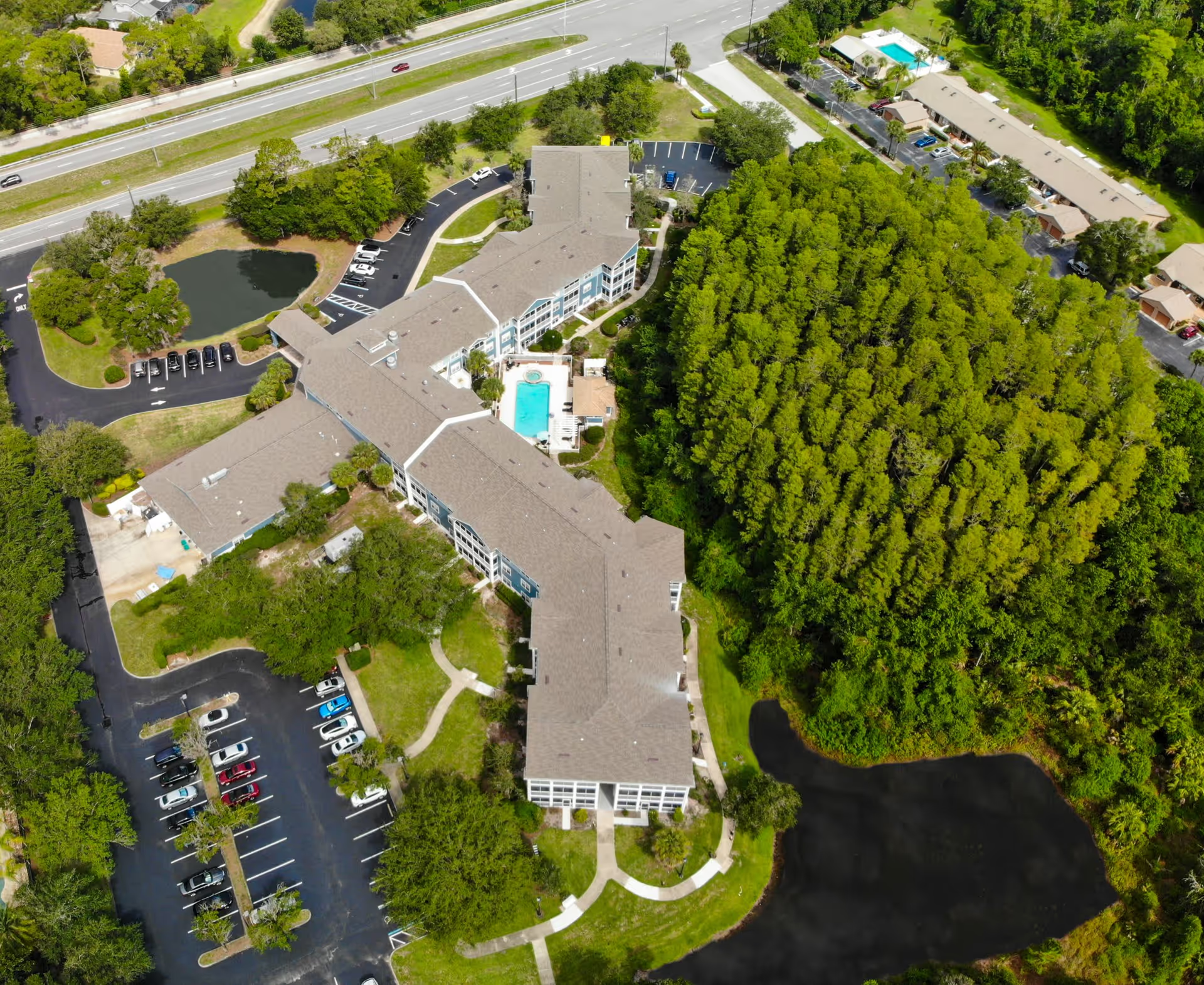
The community’s physical design and daily life offerings are frequent strengths. The campus uses a cottage-style, townlike layout with private rooms (many with half-baths), dedicated dining and laundry areas, and enclosed, secure outdoor spaces with walking paths, gardens, and seating areas. Households and smaller common spaces foster a home-like atmosphere for many residents. Housekeeping and maintenance are generally described as thorough, producing an overall clean and attractive facility. Dining receives generally positive comments: meals are described as well presented, accommodating of dietary needs, and supported by attentive kitchen staff. Operational features such as daily laundry, robust housekeeping, and accessible family updates contribute to families’ reported peace of mind.
Programming and social engagement are prominent observations. Arden Courts offers a broad activities calendar that includes intergenerational events, live entertainment, church services, creative and Montessori-inspired approaches, and family-inclusive special events. The activities director is frequently singled out for proactive, resident-centered programming. These offerings, combined with opportunities for outdoor access and social dining, support resident engagement and quality of life.
Notable patterns of concern relate to operational consistency and a few serious communication issues. Several reviewers noted occasional inconsistencies in personal-care delivery and grooming assistance, and there is variability in bathroom configurations—some residents have private bathing while others use shared arrangements. A few families described intermittent delays or tone concerns in staff–family communication, and some expressed dissatisfaction with how conduct complaints were handled; these point to gaps in complaint-resolution and accountability processes. A limited number of reviews raise serious management-related privacy and communication allegations; such claims are singular but significant and may warrant direct inquiry by prospective families. Financial accessibility is another consideration: Medicaid affordability or acceptance appears limited for some families. Finally, while many find the interior layout home-like, a minority view some indoor spaces as dated, and geographic distance may be a factor for families who live farther away.
Overall, Arden Courts Palm Harbor presents as a specialized memory-care community with many operational strengths: clinically attentive staff, active programming, secure grounds, and strong family communication mechanisms. Prospective residents and families should weigh those strengths against operational variability in personal-care delivery, bathing arrangements, and any specific concerns around complaint handling, privacy, and financial accessibility. Direct discussion with admissions and nursing leadership about individualized care routines, complaint-resolution procedures, Medicaid options, and room-specific bathroom configurations is recommended to confirm fit for a given resident.