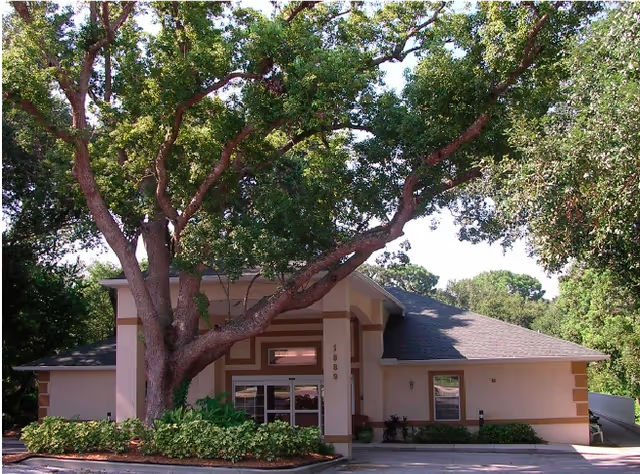
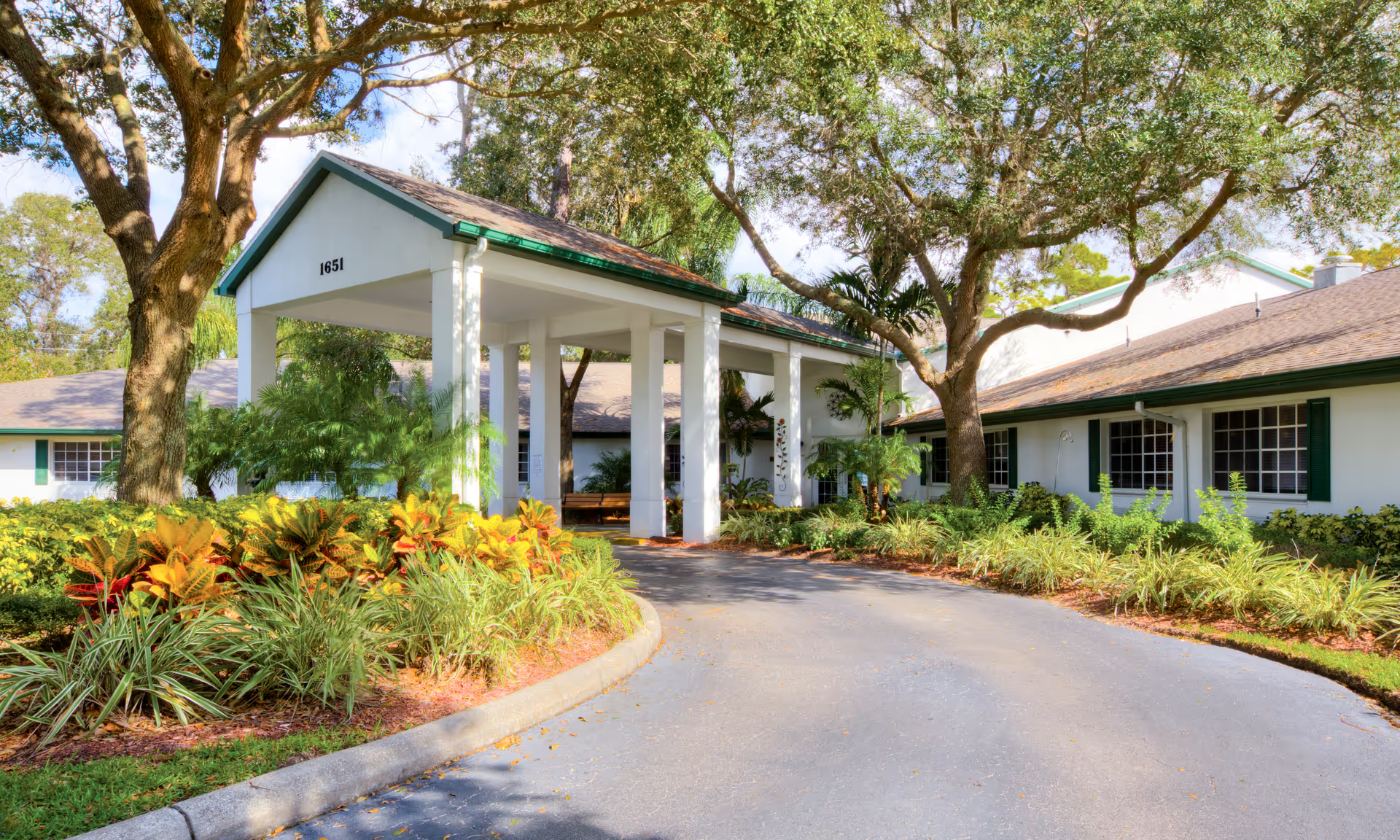
Coral Oaks receives consistently strong praise for its staff, community atmosphere, and range of amenities. Caregivers, nurses, and support personnel are repeatedly described as attentive, compassionate, and familiar with residents by name; several families highlighted long-tenured employees and specific administrators who are proactive in communication and emergency coordination. On-site clinical supports such as physical therapy/rehab and routine maintenance and housekeeping services are viewed as important contributors to resident well‑being.
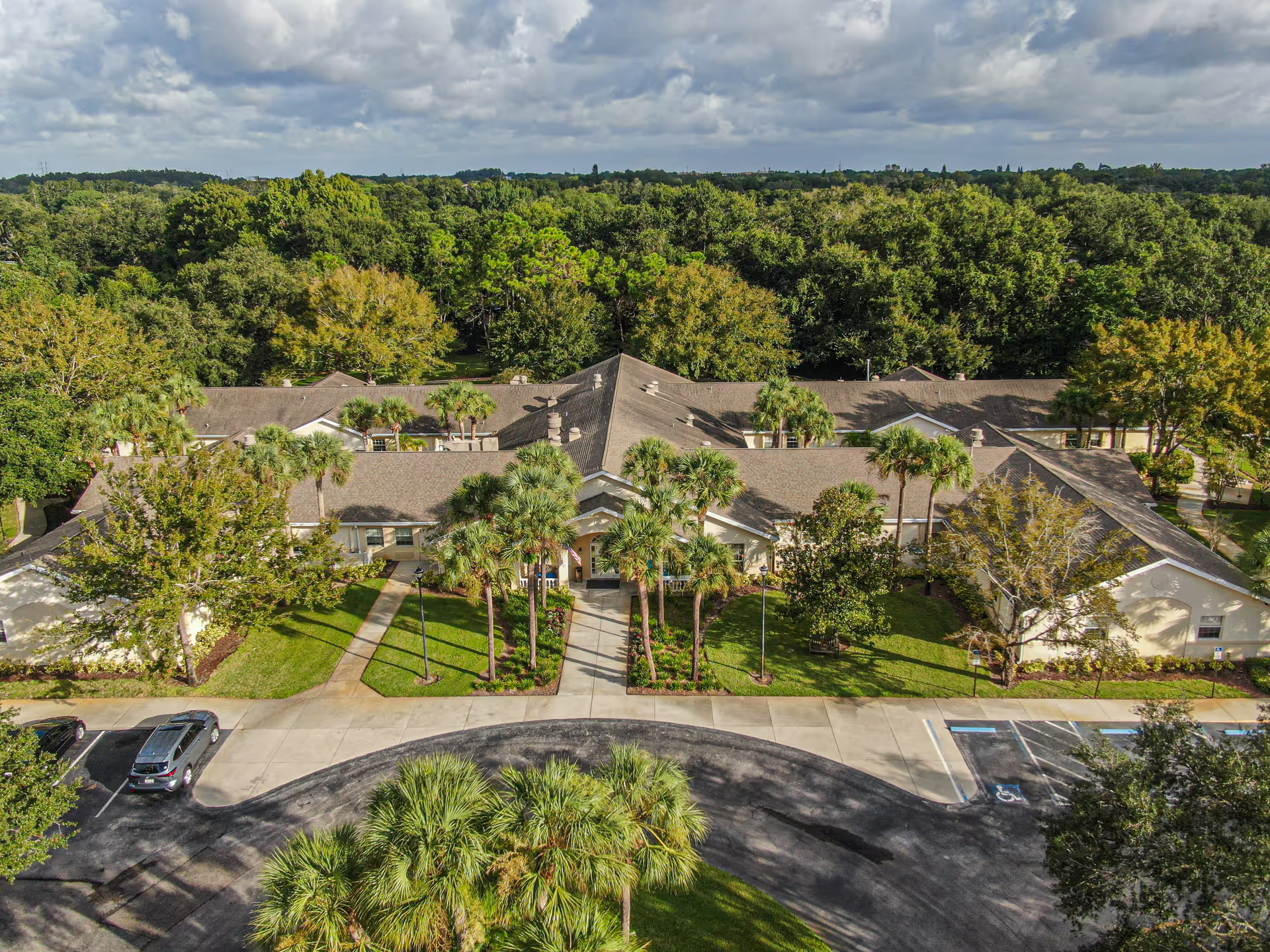
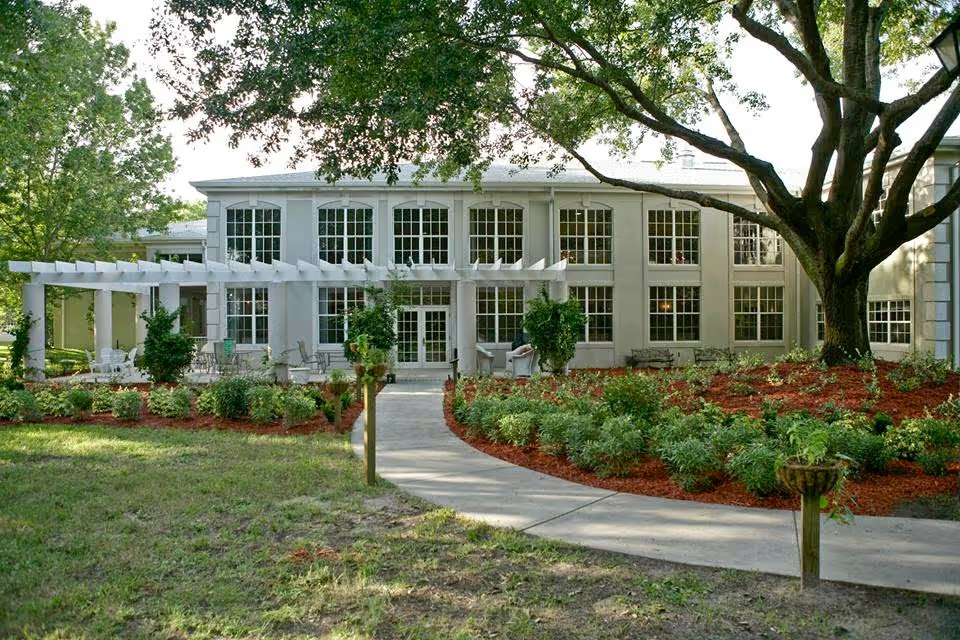
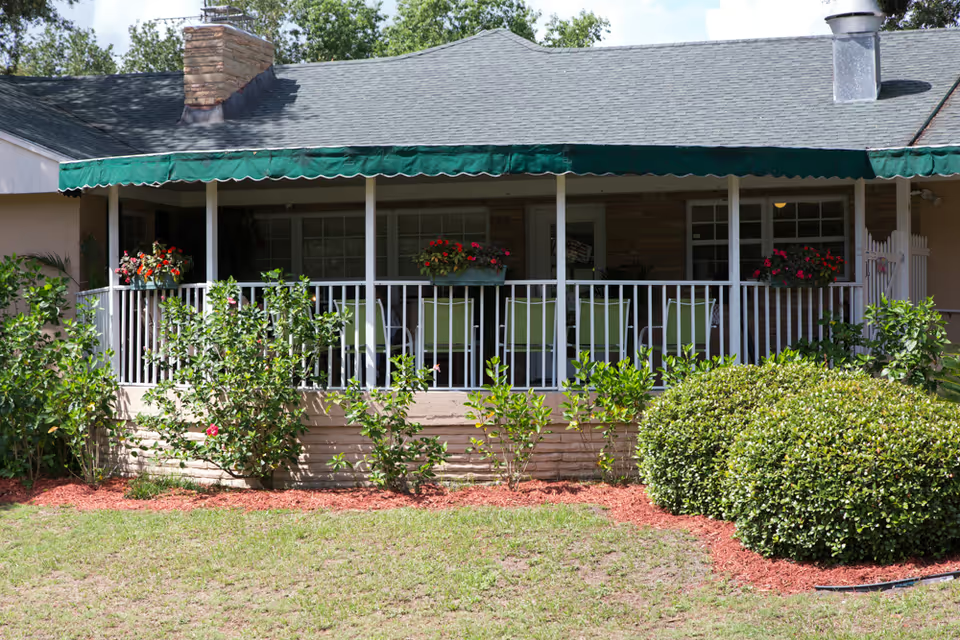
The activities program and social life are prominent strengths. The calendar includes frequent events (happy hours, live music, movie nights, crafts, exercise classes, outings), and reviewers emphasize improved socialization, active engagement opportunities, and a strong sense of community. The property and common areas — pool, hot tub, theater, gym, salon, chapel, and landscaped walking paths — are frequently described as resort-like and well maintained, supporting a broad range of recreational choices.
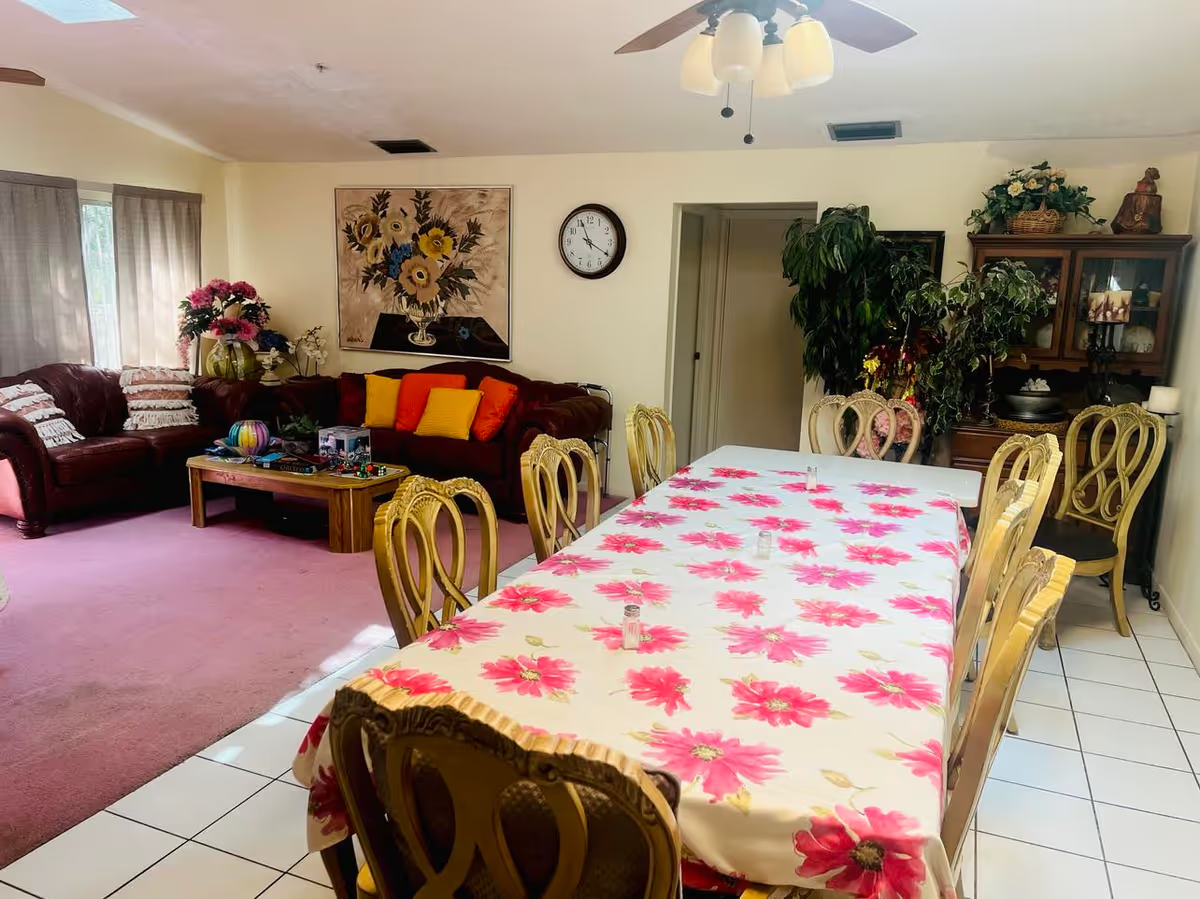
Dining and food service are an area of mixed feedback. Many residents praise meal presentation and enjoy daily entrées, special nights, and communal dining, and there are notes about recent management attention to raising dining standards. At the same time, recurring operational concerns appear: inconsistent food quality, evidence of portion or ingredient cost controls, repetitive menus, overcrowding in the dining room during peak service, and kitchen capacity constraints that can affect meal variety and timing. Management turnover or new dining leadership has been cited alongside intentions to improve quality, which suggests this area is in active transition.
Facility condition and unit-level variability are also recurring themes. The campus offers a variety of apartment sizes and useful in-unit features (kitchens, washer/dryer, balconies/patios), but unit layouts and amenities vary; some units lack full air-conditioning and others are described as compact. While many reviewers praise cleanliness and attentive maintenance, there are intermittent reports of odor and sanitation concerns in common areas, isolated pest-control issues, noise and insulation problems between units, and portions of the facility that feel dated and could benefit from cosmetic updates.
Operational and management patterns show both strengths and weaknesses. Families commend emergency preparedness and clear communication during events such as storms, and some administrators receive high marks for responsiveness. Conversely, a subset of accounts describe inconsistent responsiveness to calls, delays in resolving maintenance or personal-belonging issues, and at least one serious claim involving missing belongings after a resident death; that claim indicates potential gaps in property-handling and family communication protocols that merit careful inquiry. There are also comments about limitations in the continuum of care: assisted-living services are adjacent but transitions for residents needing higher-acuity care have been described as disruptive by some families.
In sum, Coral Oaks projects a largely positive picture for prospective independent-living residents who prioritize an active social environment, broad amenities, and attentive front-line staff. Key due-diligence topics for families should include current dining improvements and kitchen capacity, maintenance response times and pest-control procedures, unit climate control and layout consistency, policies around handling residents’ belongings and incident follow-up, and the provider’s approach to transitions when care needs increase. These targeted questions will help align expectations with the facility’s strong community offerings and the operational areas that several reviewers flagged for improvement.