Overall impression: Hunt Trace Senior Living presents a mixed but coherent profile. Many visitors and families praise the interpersonal qualities of the workforce, the cleanliness of public areas, and the breadth of social programming; however, operational gaps in staffing, communication, and some clinical practices appear repeatedly enough to merit careful consideration by prospective families.
Care quality and staff: The facility is frequently described as having compassionate, attentive caregivers and an engaged activities and clinical team. On-site medical and therapy services, on-time medication administration, and an aging-in-place license are noted strengths that support residents with varying needs. At the same time, multiple comments point to inconsistent staffing coverage—particularly during night shifts or after typical business hours—and variability in responsiveness. Related operational weaknesses include inconsistent personal-care schedules (for example, bathing frequency) and instances implying gaps in mobility-assist and fall-prevention practices. Prospective families should ask about current staffing ratios, night-shift nursing coverage, and specific fall-prevention protocols when evaluating care fit.
Dining and household services: Dining receives mixed evaluations. Reviewers highlight accommodating dietary adjustments and strong breakfast offerings, but several accounts indicate inconsistent meal temperature and preparation quality. Housekeeping and overall cleanliness are repeatedly singled out as strengths, as is quick maintenance response. Conversely, laundry handling and personal-item management are identified as a recurring operational problem; families may wish to clarify laundry labeling, tracking, and replacement policies prior to move-in.
Activities and memory care: Programming is a clear asset for many residents: the facility offers daily activities, live performances, theater and movie nights, outings, and active memory-care programming with a dedicated activities director. That said, some residents and families perceive limited variety for certain populations (notably in memory care) and an overreliance on older film selections or repetitive offerings. Observing an activity period and asking for a monthly activities calendar can help assess whether the program aligns with a prospective resident's interests and needs.
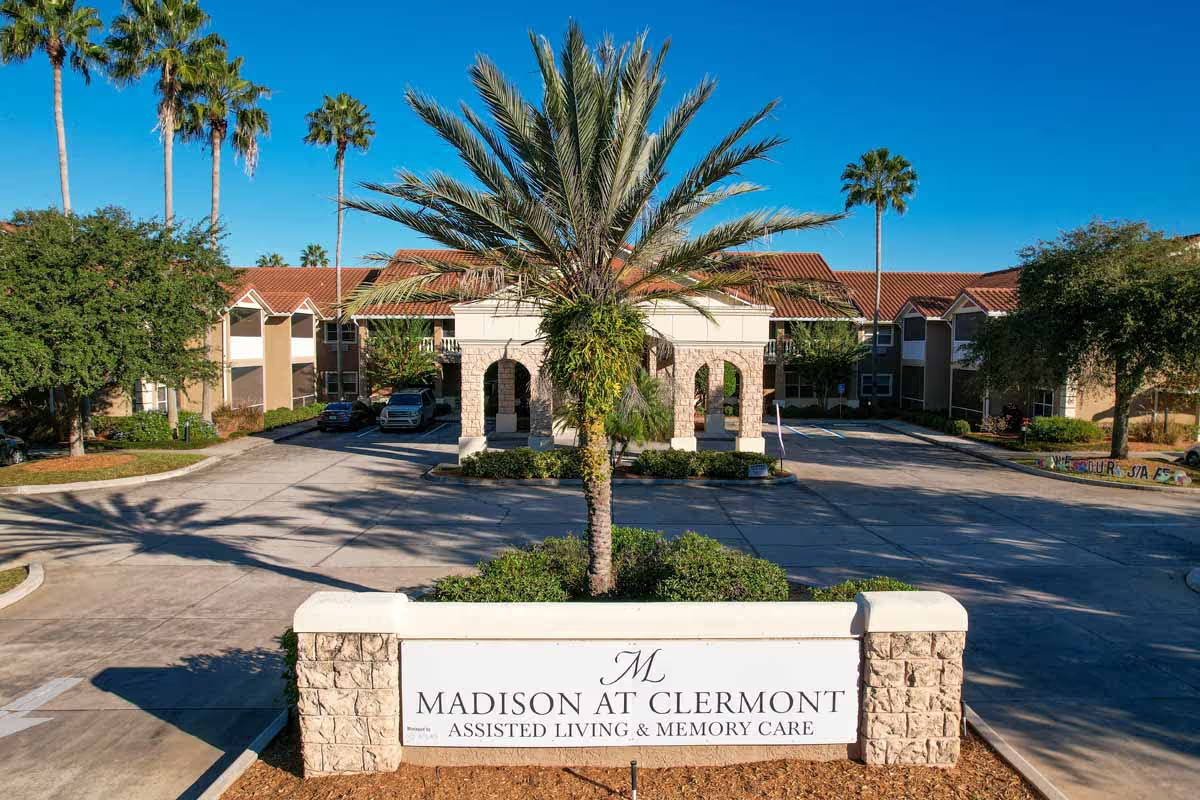
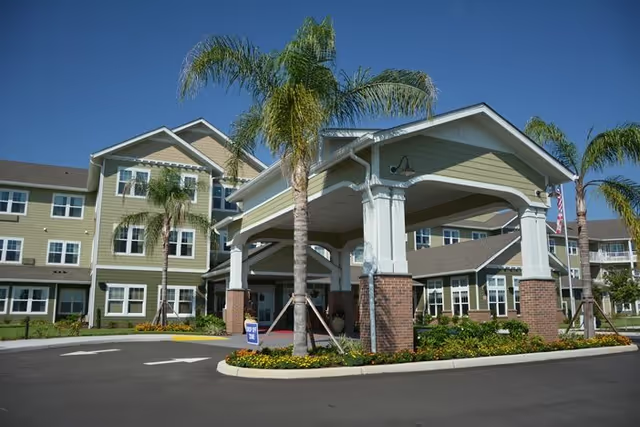
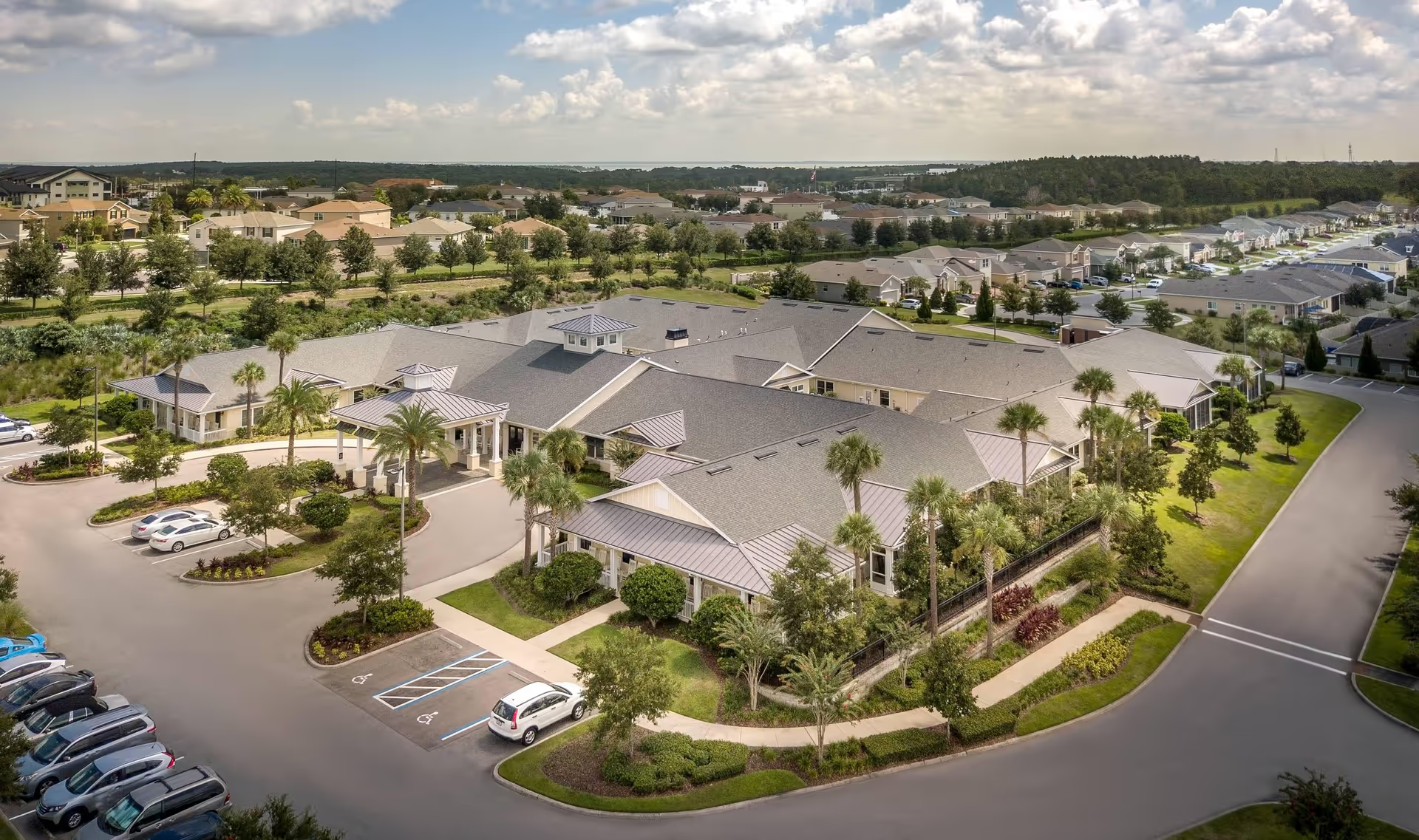
Facilities and environment: The community is described as clean, well-maintained, and set in a pleasant neighborhood with greenery and outdoor space. Apartment sizes vary; two-bedroom units are noted as spacious, while some shared rooms and older wings have tighter layouts and dated aesthetics. Housekeeping and common-area cleanliness are frequently praised. Visitors should evaluate unit sizes and privacy options if small shared-room layouts are a concern.
Management, communication, and notable risks: Department heads and some administrators are characterized as accessible and proactive, and many families note helpful, family-like leadership. However, reviewers also cite leadership turnover and inconsistent administrative practices. Communication gaps—around resident status updates, pass notifications, memorials, and incidents—are a recurring theme. There are serious individual claims including allegations of staff theft and misconduct that are under investigation; such matters warrant direct inquiry during a tour and, if needed, review of facility incident and resolution policies. Additionally, several reviewers mentioned perceived pressure during admissions and uncertainty about Medicaid-contract availability for long-term stays; these are practical issues to confirm in writing.
Bottom line: Hunt Trace appears to offer a warm, activity-rich environment with strong housekeeping and many caring staff members. The most consistent operational liabilities are staffing consistency (especially off-hours), certain personal-care and laundry processes, dining quality variability, and administrative turnover/communication gaps. Prospective residents and families should prioritize direct questions about night nursing coverage, staffing ratios, fall-prevention protocols, laundry/personal-item procedures, meal service monitoring, admissions practices, and the facility’s Medicaid contracting status. Observing a mealtime and an activity session, and requesting documentation regarding any ongoing investigations or corrective-action plans, will help form a more complete assessment.