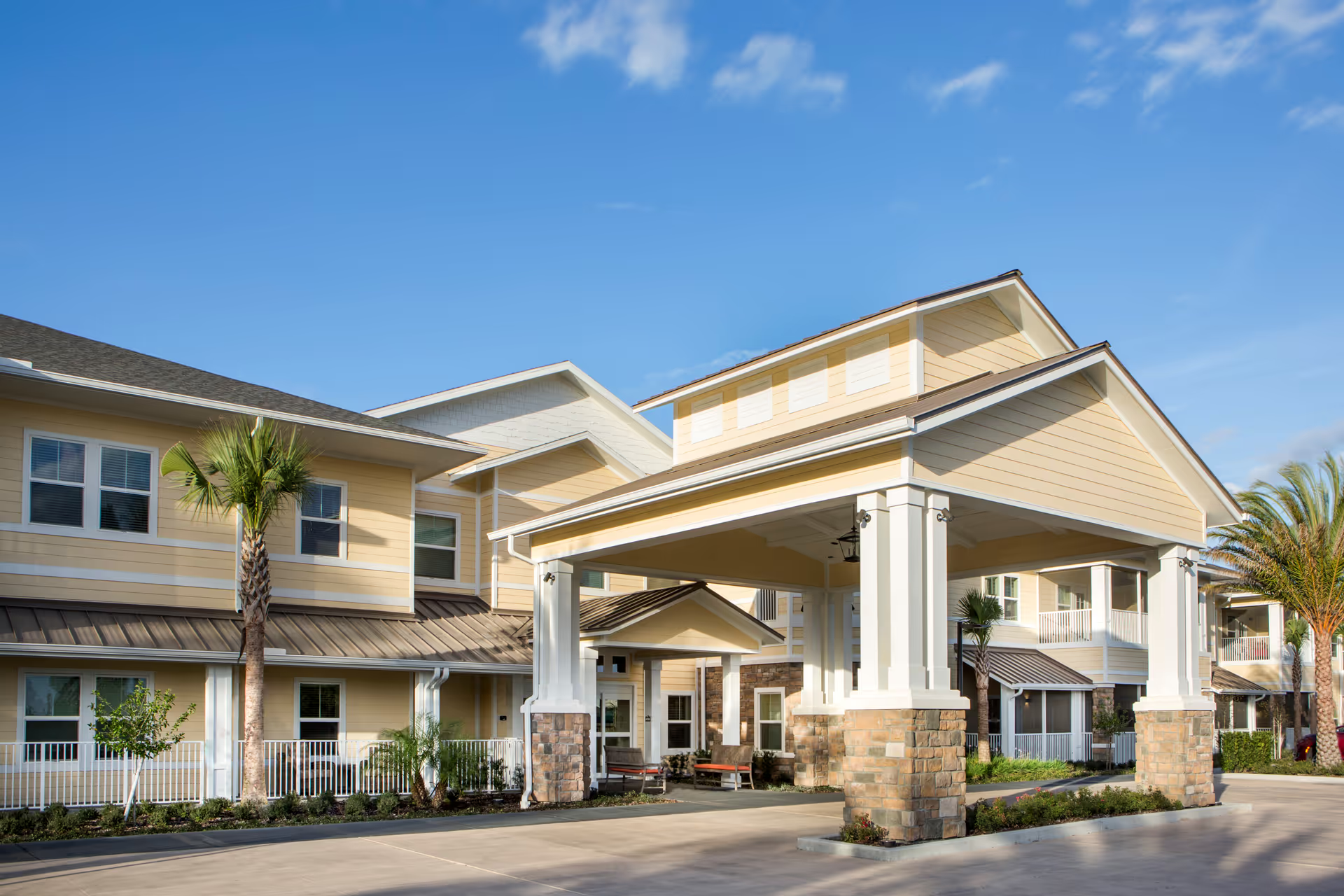
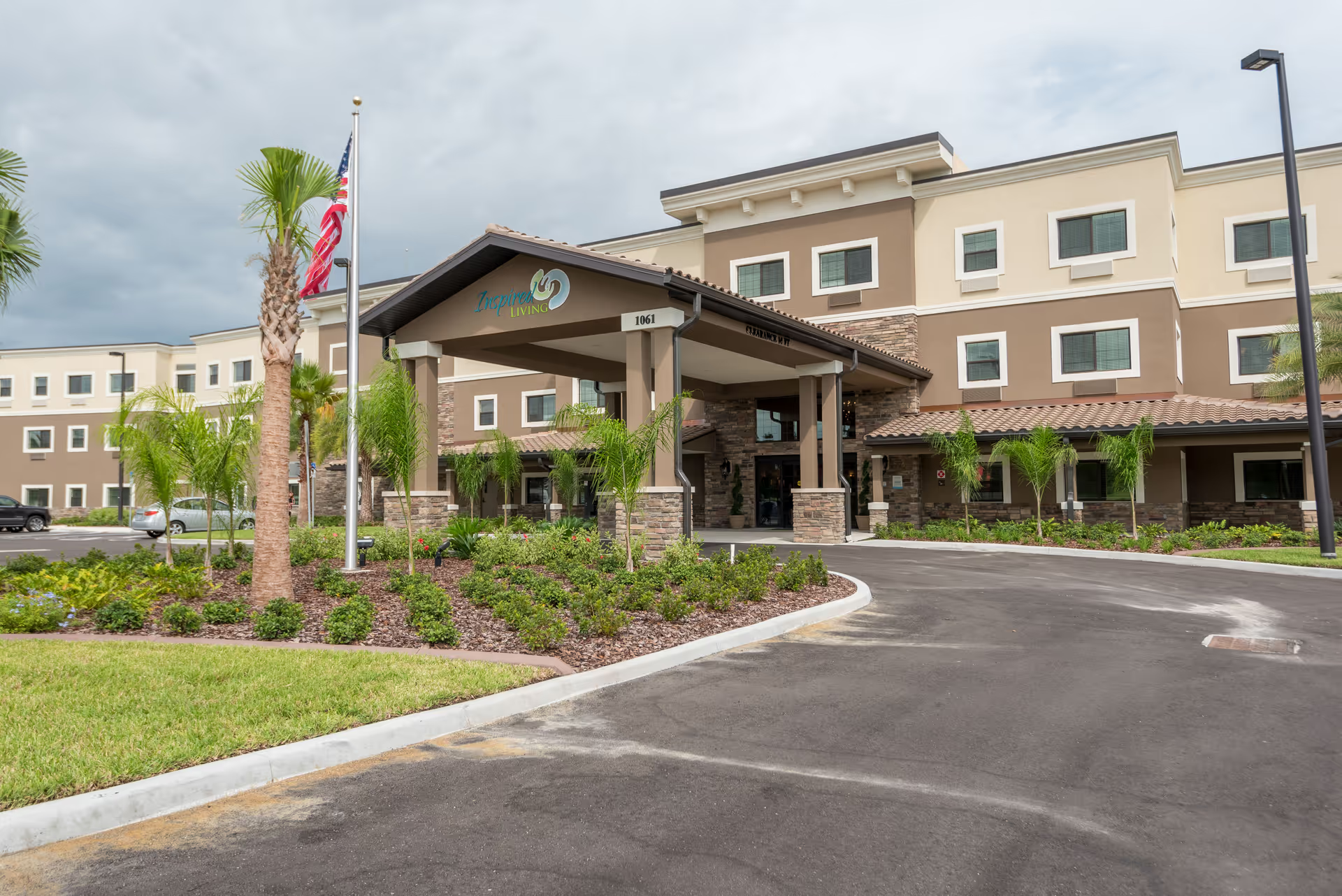
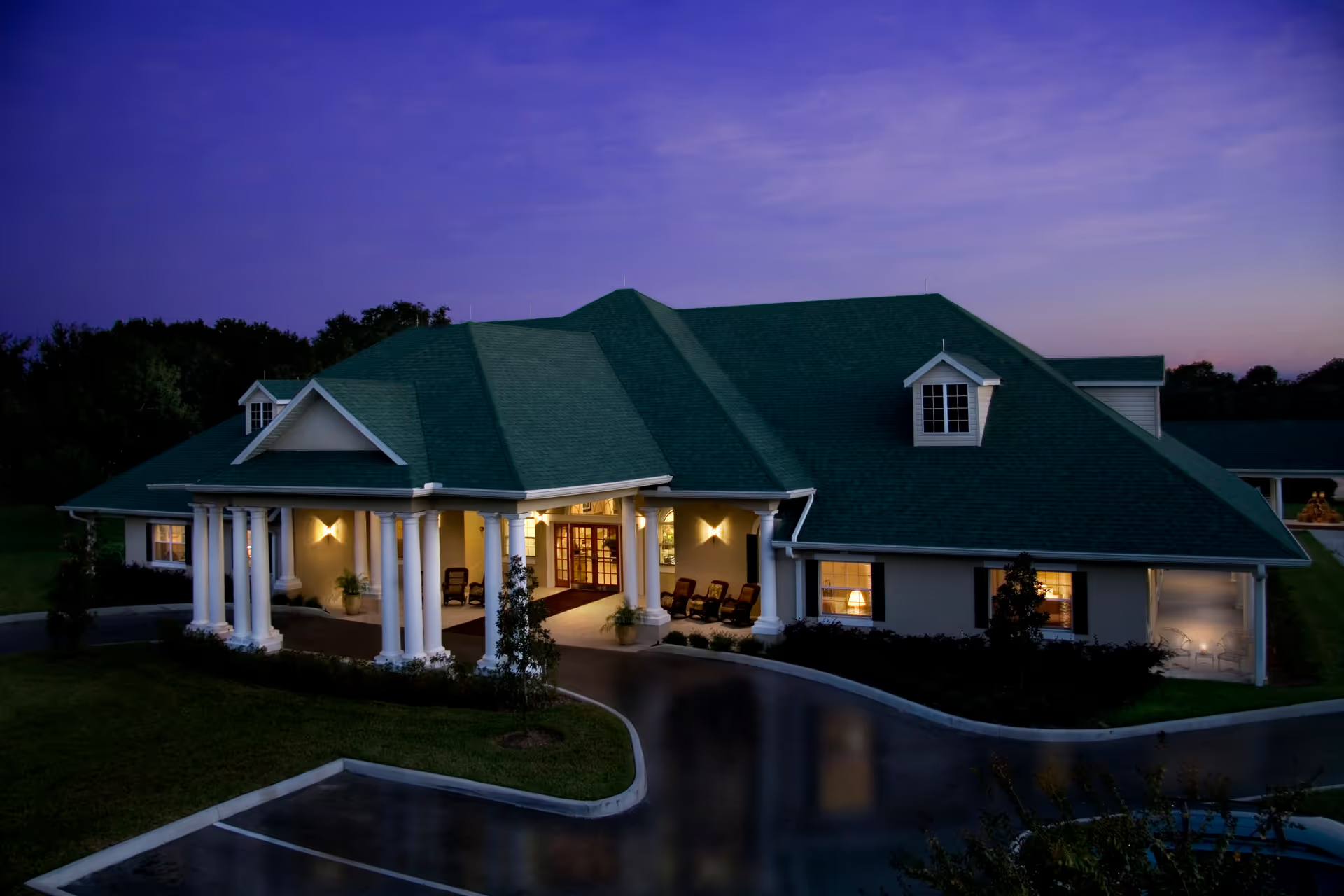
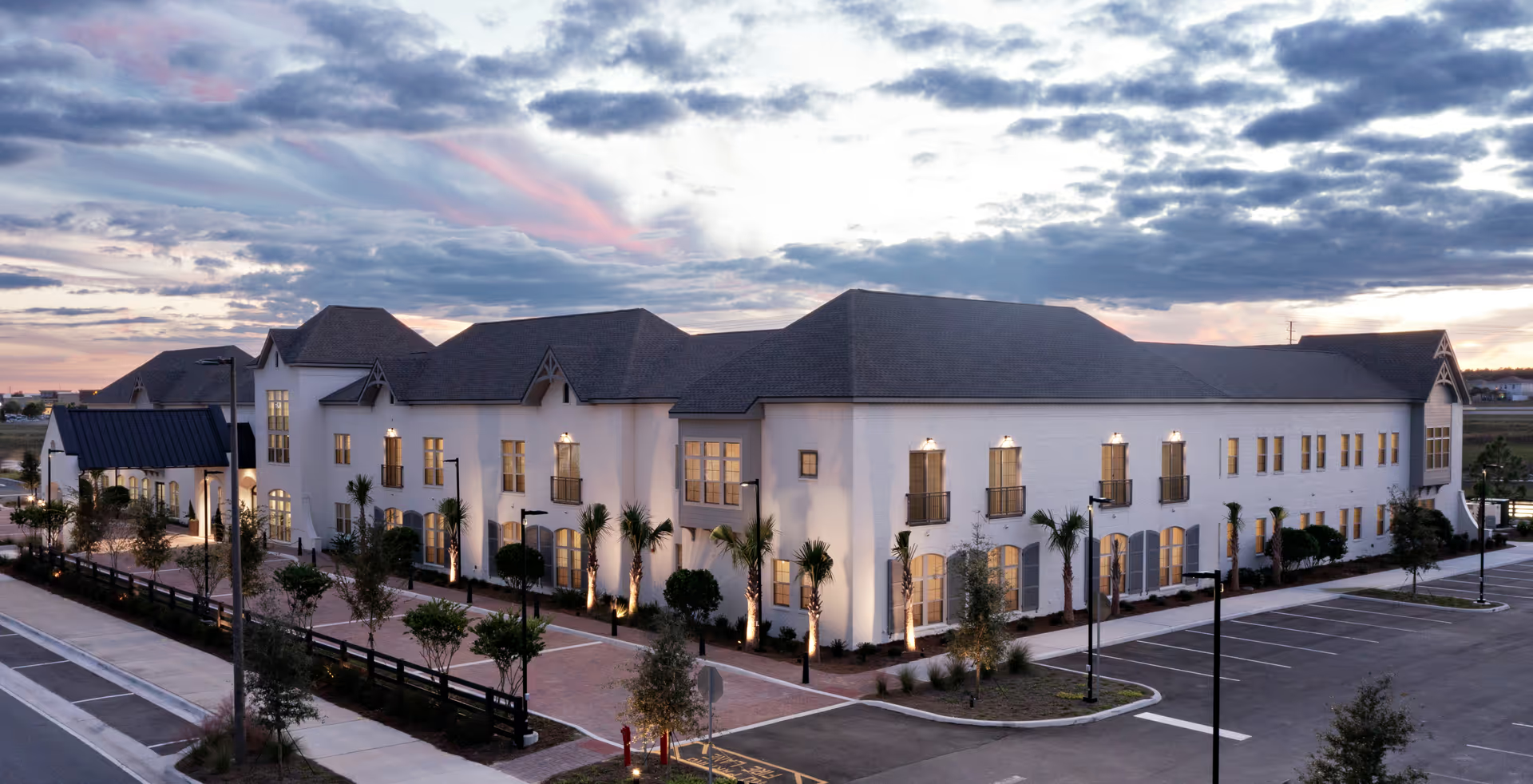
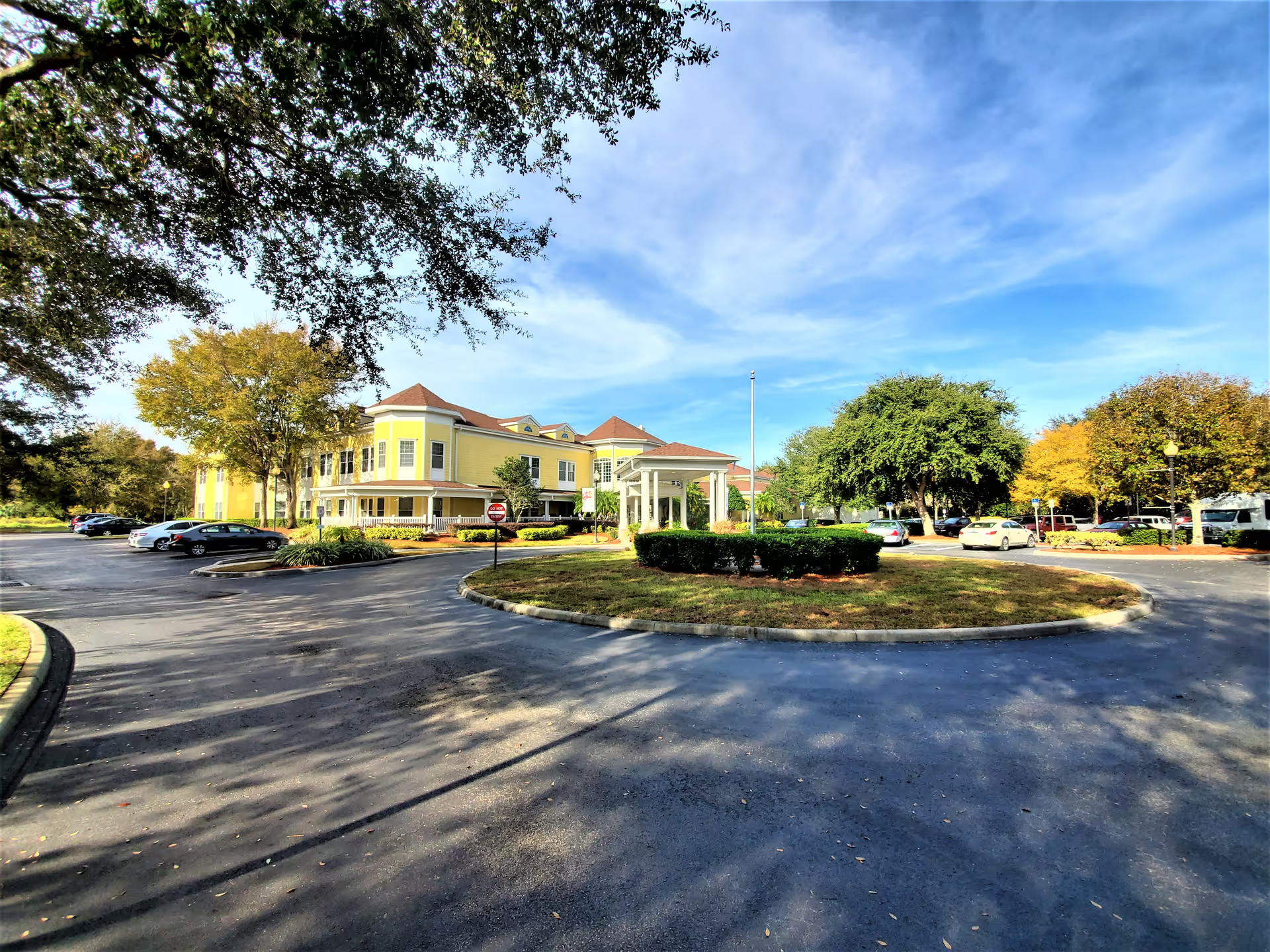
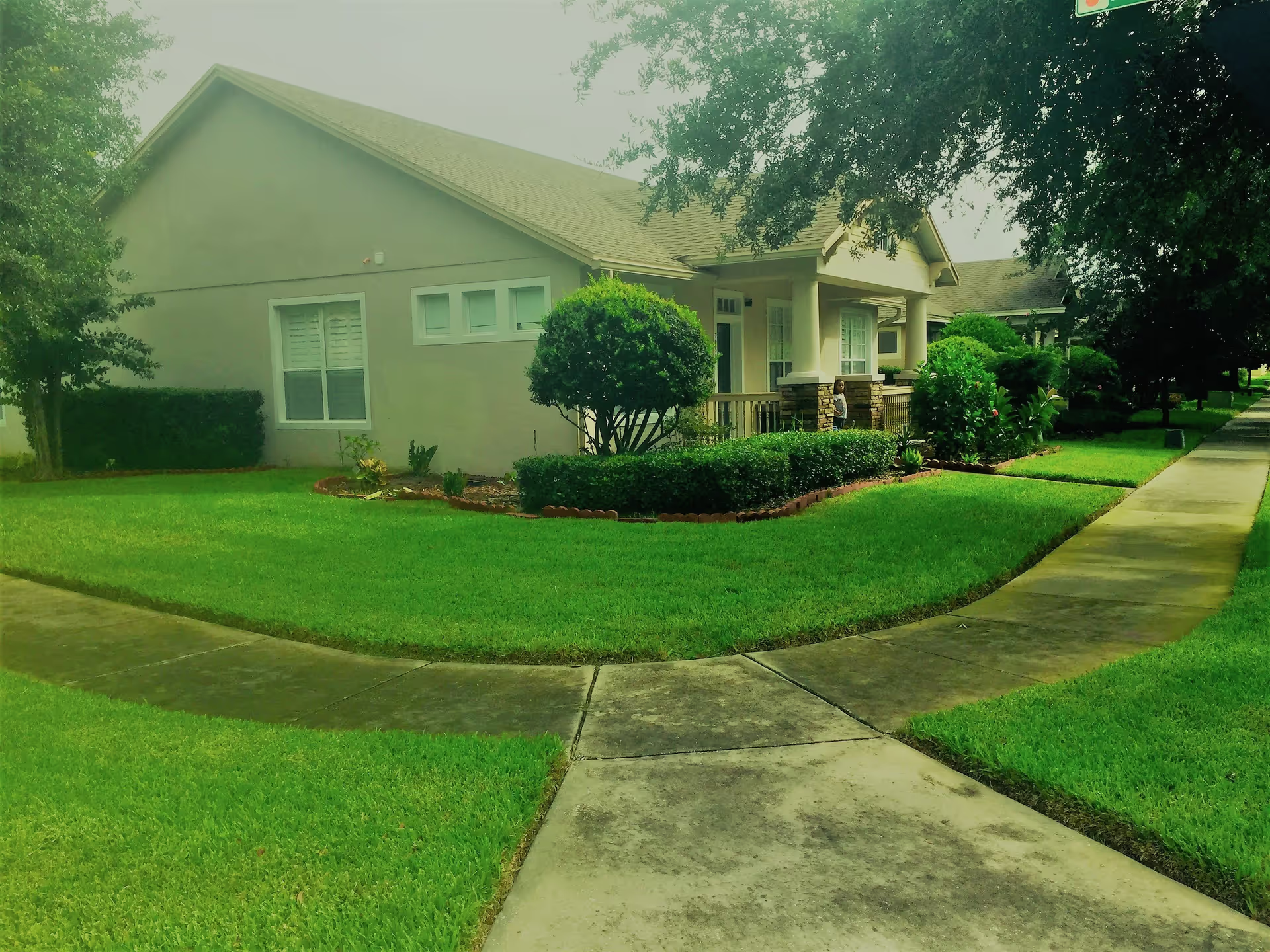
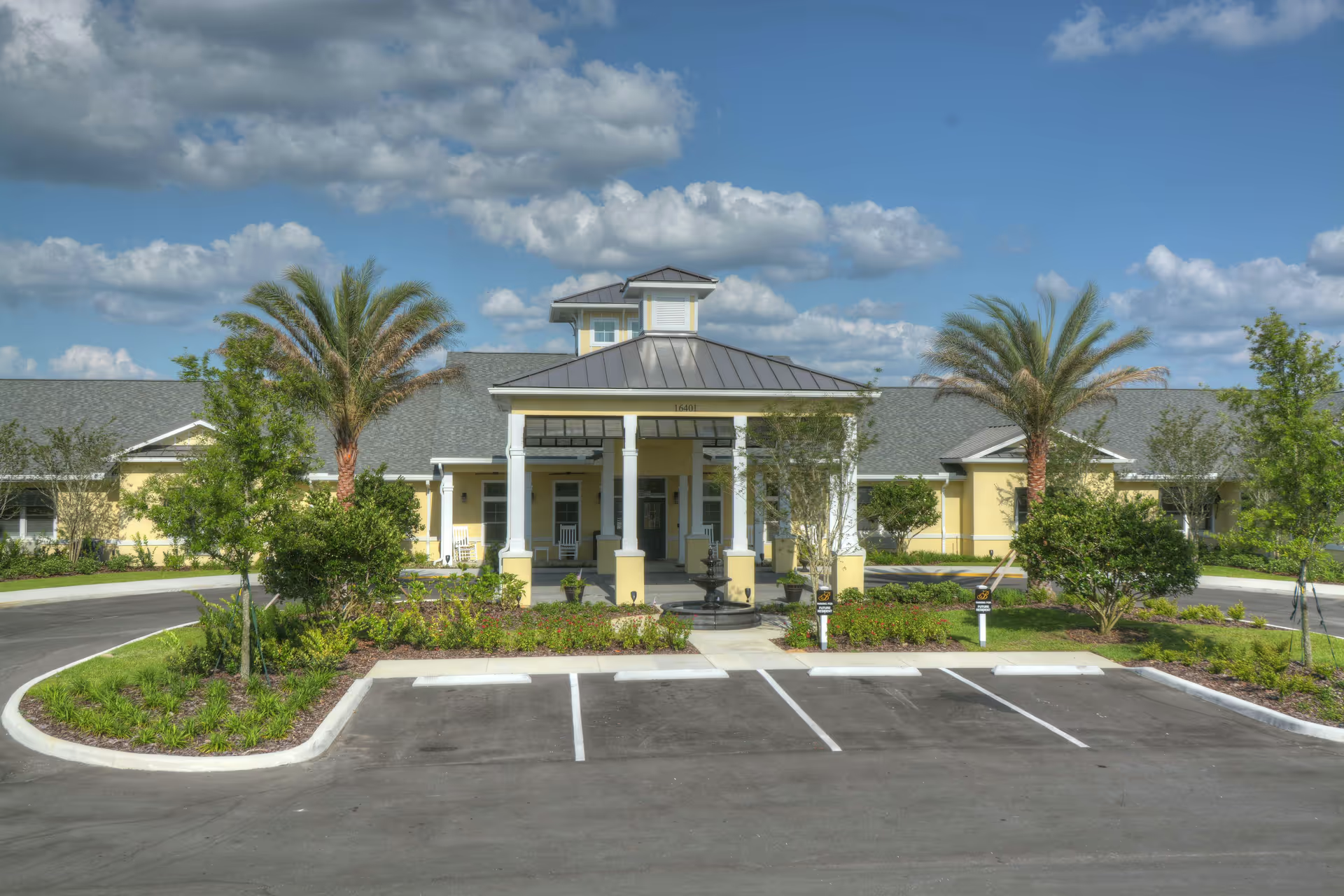
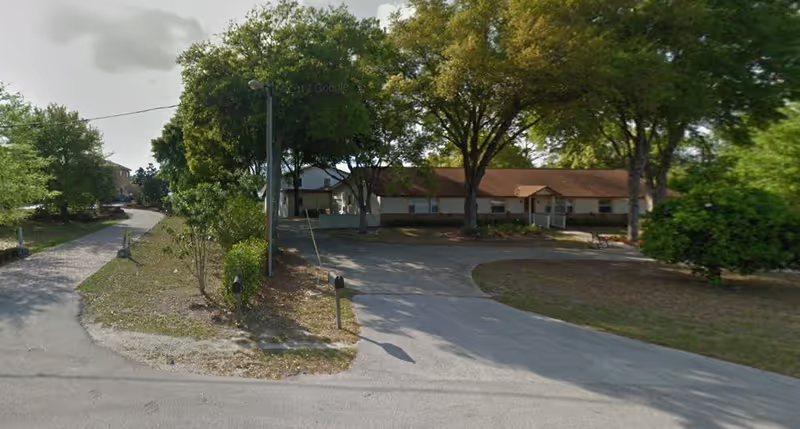
Serenades at West Orange receives extensive positive feedback for its physical environment, dementia-specific programming, and a person-centered approach to memory care. Families and visitors consistently describe the building as bright, immaculately maintained, and designed to reduce resident confusion through a small neighborhood model and safety-focused features. The community’s courtyard and outdoor spaces, therapeutic amenities, and clean common areas are frequently noted as strengths.
Clinical staffing is a visible feature of the community: reviewers highlight 24/7 registered nurse availability, RN-administered medication processes supported by electronic documentation, and ongoing staff training programs such as Team Elliott and Montessori-inspired offerings. Caregiving staff are commonly characterized as compassionate, attentive, and knowledgeable; many families report strong, open communication with leadership and frequent emotional support during transitions. Specialized dementia and Alzheimer’s programming, individualized care plans, and a broad schedule of activities (music, arts, Montessori mornings, Legacy projects, specialized dining) are cited as contributing to residents’ cognitive and social engagement.
At the same time, reviewers identify operational weaknesses that prospective families should evaluate. A recurring theme is high turnover among frontline caregivers and some administrative roles, which can lead to inconsistent caregiver responsiveness, the need to repeat requests, and variability in policy implementation. Several accounts describe gaps in fall-prevention monitoring, wound/skin-care consistency, and timely procurement of medical equipment—issues that have led families to question incident response and follow-through. There are also mentions of occasional delays or coordination gaps between clinical staff and CNAs during emergent situations.
Dining and activities are strong points: chef-prepared, individually plated meals, frequent snacks and fresh fruit, and a well-rounded calendar of cognitive and social programs receive repeated praise. The community’s emphasis on creating a homelike atmosphere—through small household layouts, engaging social programming, and family involvement—appears to support resident well-being and caregiver satisfaction.
Management is seen as both a strength and an area for scrutiny. Several families praise visible, responsive leadership and clear communication; others cite leadership turnover, inconsistent policy enforcement, and at least one instance of legal/contract dispute that drew family attention. Some families also expressed that the secured design of the memory neighborhood felt restrictive, and a few referenced additional service charges whose benefits were not always clearly explained.
For prospective residents and families: Serenades at West Orange offers many attributes important in memory care—clinical nursing coverage, specialized programming, a clean and secure facility, and generally warm, person-centered staff. When evaluating the community in person, consider asking specific questions about caregiver turnover rates, fall-prevention protocols, emergency escalation procedures, timelines for obtaining medical equipment, how care-plan changes are communicated to families, and a clear breakdown of extra fees. These targeted inquiries can help confirm whether the facility’s operational consistency aligns with its otherwise strong clinical and programmatic profile.