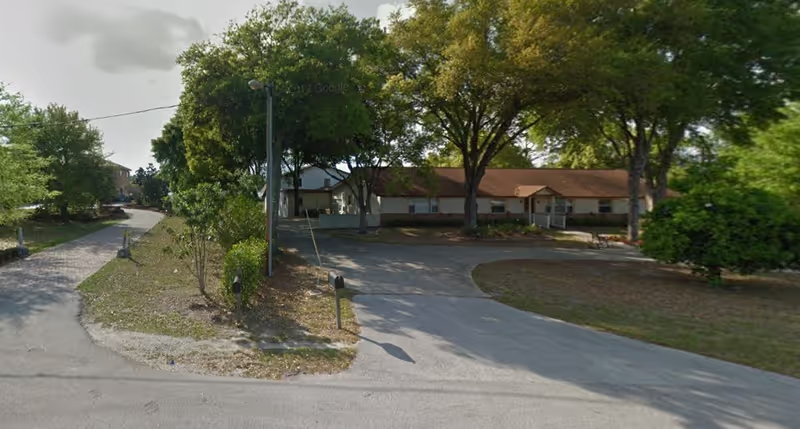
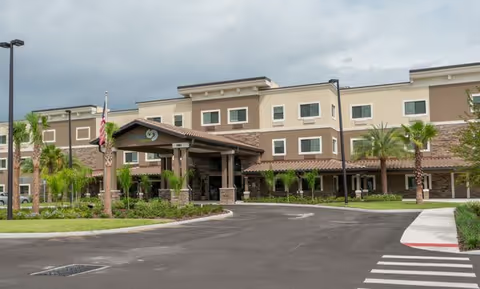
Windermere Assisted Living presents as a small, family-operated residential setting that emphasizes personalized, 24-hour care within a home-like atmosphere. Review summaries consistently highlight a family-style culture: owners and staff are described as hands-on, attentive, and familiar with residents’ individual preferences. The community also coordinates hospice services and clinical communication with outside physicians and nurses, supporting end-of-life planning when needed.
Care and staffing are frequent focal points in the feedback. Families describe staff as compassionate, responsive, and willing to go beyond routine duties; open communication and timely updates to families are repeatedly mentioned. The facility is used for both long-term placements and as an option for residents with developmental disabilities, suggesting staff experience with varied care needs. The family-run nature of the operation appears to contribute to continuity of care and a personalized approach to residents.
Dining is a notable strength: reviewers emphasize home-cooked, well-balanced meals and attention to resident likes and dislikes. The presence of an owner’s family member with culinary training is cited as contributing to meal quality. Overall cleanliness and a recently updated interior are also reported, supporting a comfortable, domestic environment rather than an institutional one.
Because Windermere operates on a small-house model, amenities and activities differ from larger assisted-living campuses. The layout and scale are repeatedly described as residential and conducive to a “home away from home” experience, which appeals to those seeking a quieter, family-like setting. At the same time, the small scale can limit the variety and frequency of formal activity programming and on-site recreational amenities compared with larger facilities.
Management is characterized by active owner involvement and a hands-on approach; this yields personalized attention but also means operations are closely tied to the owners’ staffing model. Practical implications for prospective residents include potentially limited on-site specialty clinical services (beyond hospice coordination), sensitivity to capacity constraints at a small facility, and operational variability linked to staffing changes. Prospective families should assess clinical-acuity fit, ask about staffing backup and emergency protocols, and review activity schedules and capacity before deciding. Overall, Windermere appears well-suited to individuals seeking a clean, compassionate, home-style assisted living option with strong family engagement, while those needing higher-level medical or specialty services may need to verify service availability.