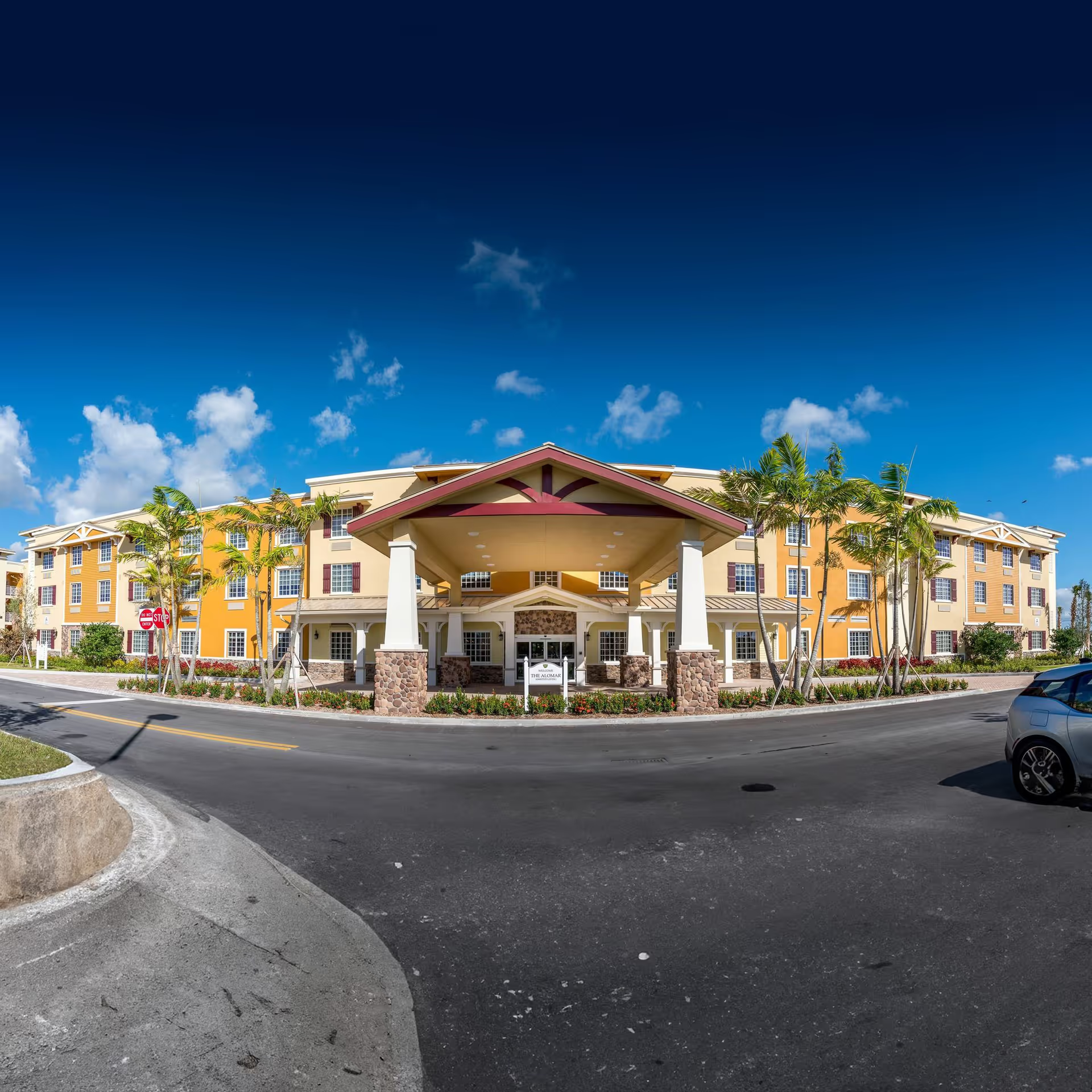
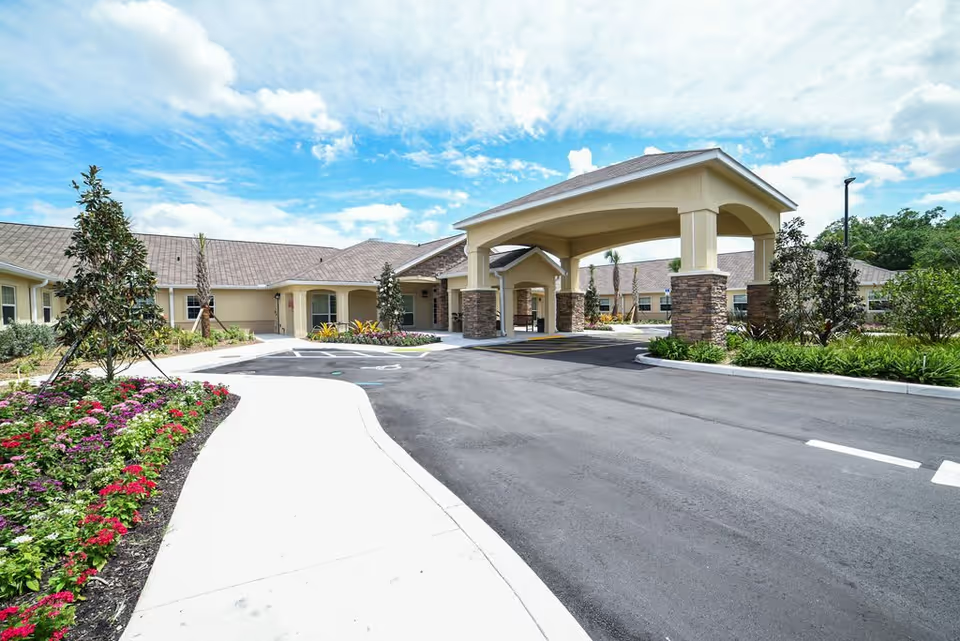
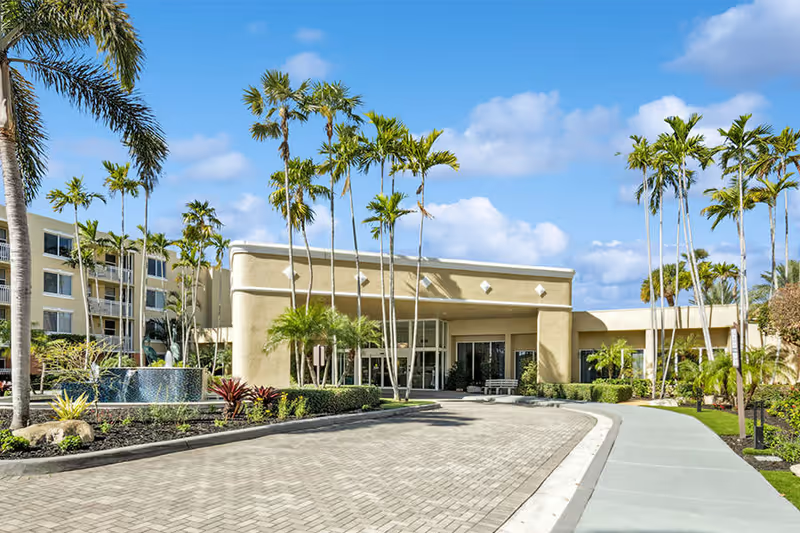
Arbor Terrace Cooper City receives consistently strong praise for the human dimensions of care: reviewers describe warm, compassionate caregivers, attentive nursing staff, and a memory‑care program that many families find skilled and engaging. The community is frequently characterized as clean, modern, and well kept — a recently built facility with attractive common areas, spa amenities, secure outdoor spaces, and lakefront walking paths. Families report smooth move‑ins and hands‑on transition support, and several accounts highlight individual staff members and teams who contribute to a home‑like atmosphere and a sense of safety.
Clinically, the community is noted for having in‑house therapy and rehab services and 24/7 nursing presence, and many families cite effective medication management and individualized care plans. Memory care programming and dementia‑specific activities are widely commended for structure and engagement. At the same time, a recurring operational pattern raised by multiple families is variability in staffing levels: some shifts — particularly weekends — are perceived as understaffed, which can affect responsiveness to call lights and timeliness of routine care.
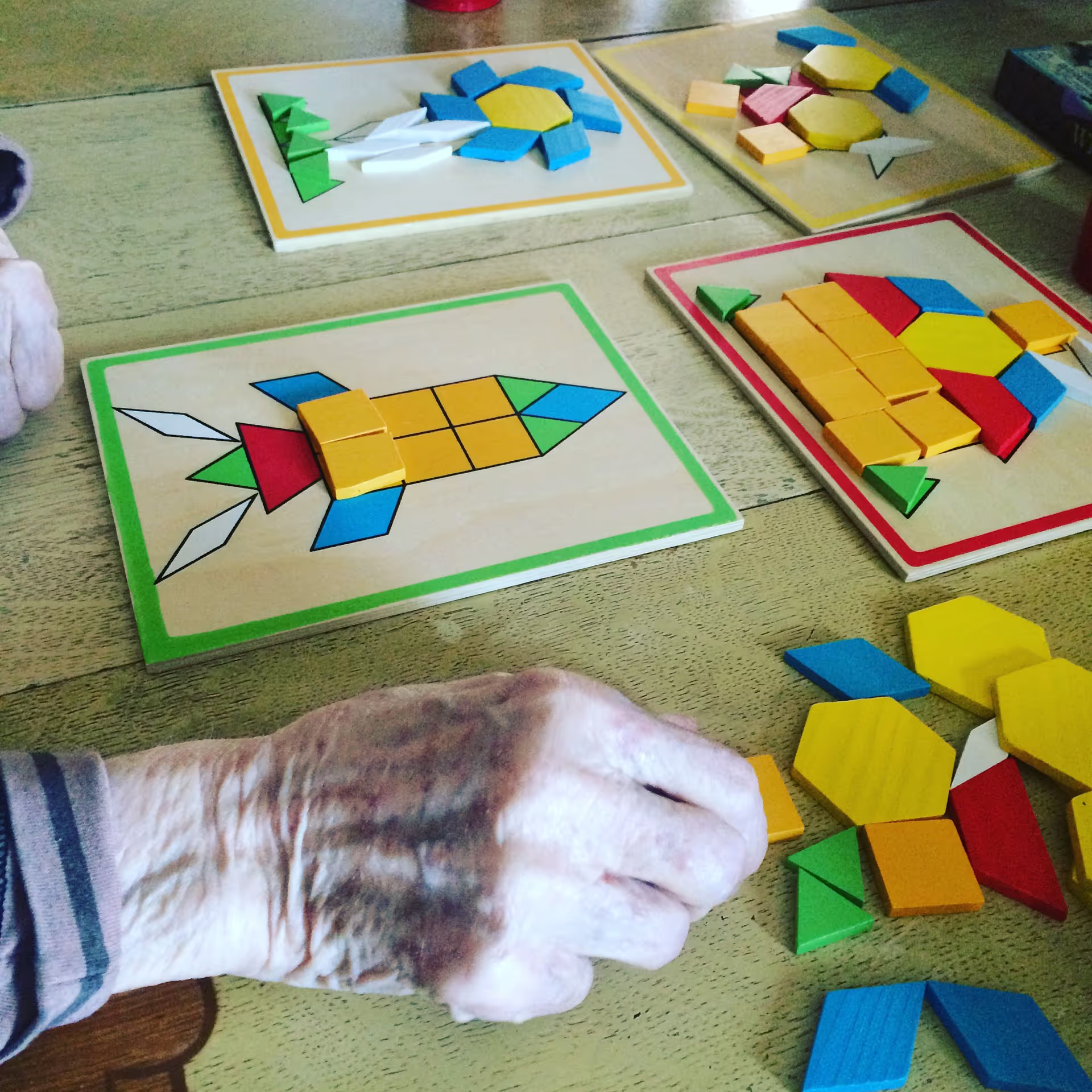
Dining and activities are strong points for many residents: the community offers restaurant‑style service, menu variety, accommodations for dietary preferences, abundant daily programming (exercise, arts, games, field trips), and seasonal events that support social connection. However, meal quality and service speed are inconsistent for some families; a subset of reviews mention overcooked vegetables or slow dining service, and ancillary services such as laundry have been described as uneven in execution.
Management and operations show a mixed picture. Admissions, sales and concierge teams are commonly described as professional and welcoming, and the facility is praised for housekeeping and groundskeeping attention. Conversely, families have also raised concerns about inconsistent communication from leadership and front‑desk responsiveness, and some reviewers noted gaps in clinical documentation and care‑plan notes that they felt warranted follow‑up. There is also a perception among some that marketing and presentation receive strong emphasis; a few families felt this sometimes contrasted with operational realities.
For prospective residents and families, the dominant pattern is one of a warm, active community with strong memory‑care capability and appealing physical amenities, balanced against operational issues that could affect day‑to‑day experience: staffing variability, episodic communication lapses, and service inconsistencies. Visitors should consider touring at multiple times of day, ask specific questions about staffing ratios and documentation practices, and clarify fee structures and ancillary service standards to determine fit with their expectations and care needs.