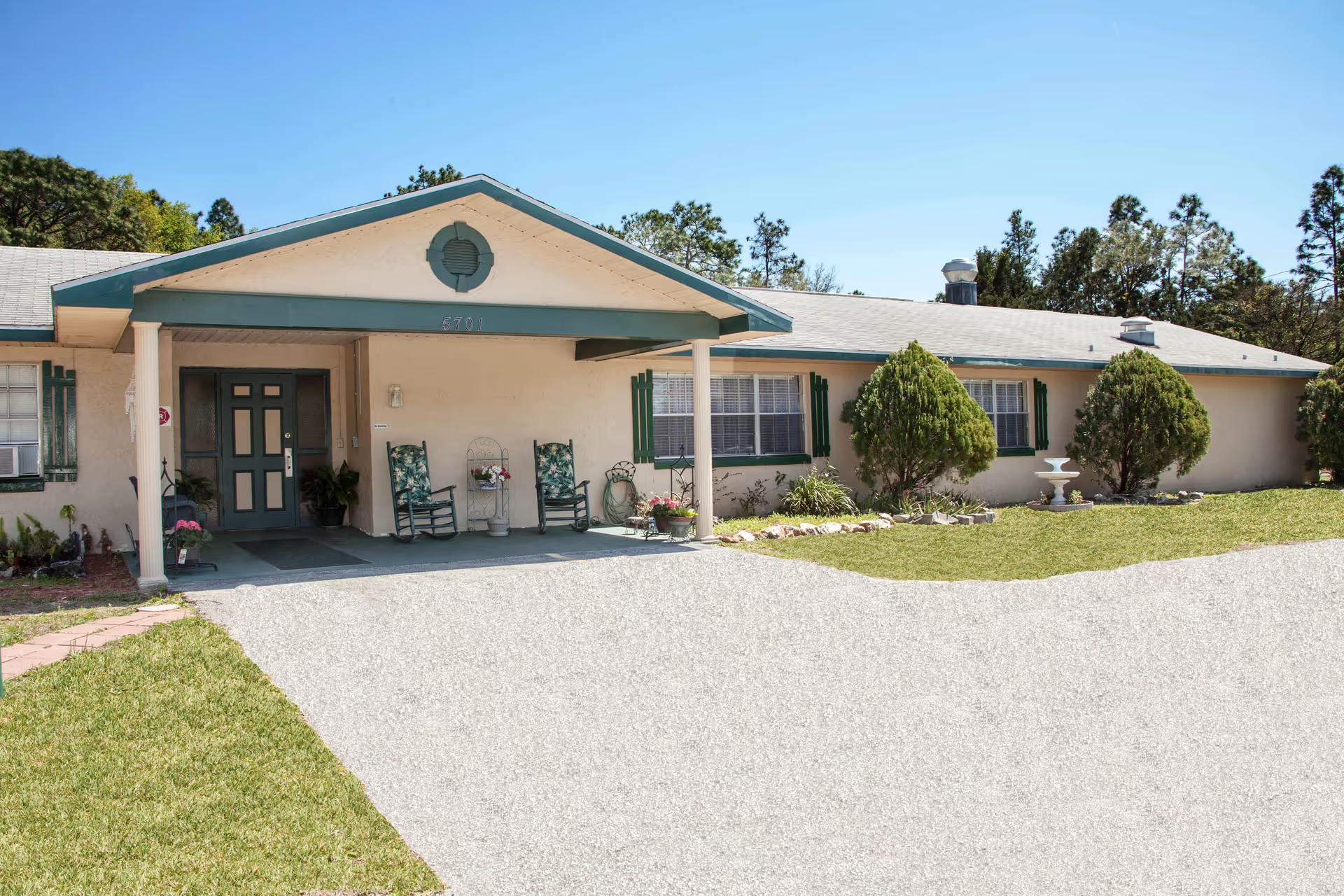
Cedar Creek ALF is consistently described as a small, well‑maintained assisted living community with a strong focus on personalized care and social engagement. Reviewers emphasize a family‑like atmosphere supported by long‑tenured staff and an on‑site nursing presence. Clinical supports noted include 24‑hour nursing coverage, dedicated assistance with medications and dressing, and specific measures for residents with Alzheimer’s disease such as night‑wander prevention.
The staff and care model are the facility’s most prominent strengths. Many comments highlight attentive caregiving, friendly reception and administration, and active involvement from activity directors. Operational supports extend to weekly housekeeping and laundry, multiple transportation options (including dialysis transport), and assistance with insurance and administrative filings. Management visibility and the presence of full‑time nurses contribute to a perception of clinical reliability, although some families would like clearer or more consistent communication about care and logistics.
Dining and programming are important features of Cedar Creek. The community offers chef‑driven menus, varied meal choices, breakfast options, and occasional themed events (for example, champagne brunches and tea parties). There is also on‑site hospitality like an ice cream parlor and alcohol service at some meals. While many residents praise the food, a number of comments indicate variability in meal satisfaction; prospective residents should sample current menus. The activities program is broad and well‑staffed, including daily exercise, arts and crafts, bingo, card games, trivia, musical performances, birthday events, and outings, which supports social engagement and routine.
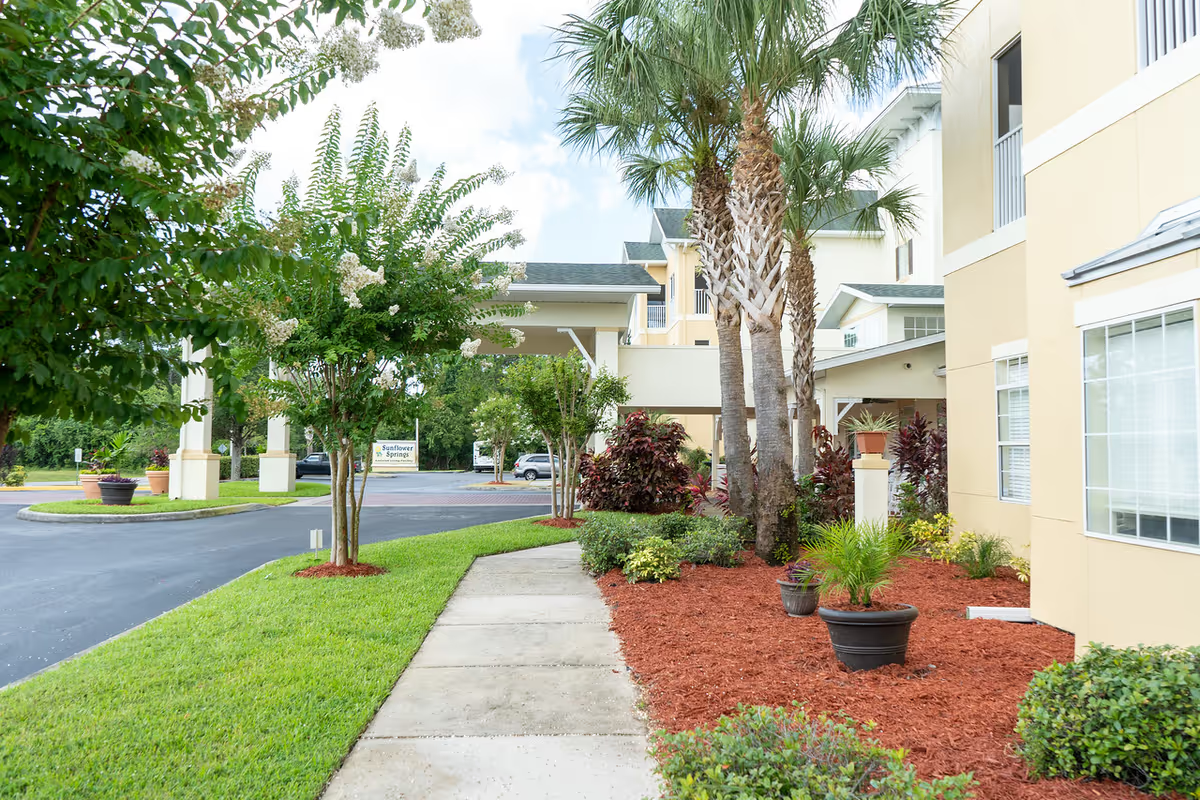
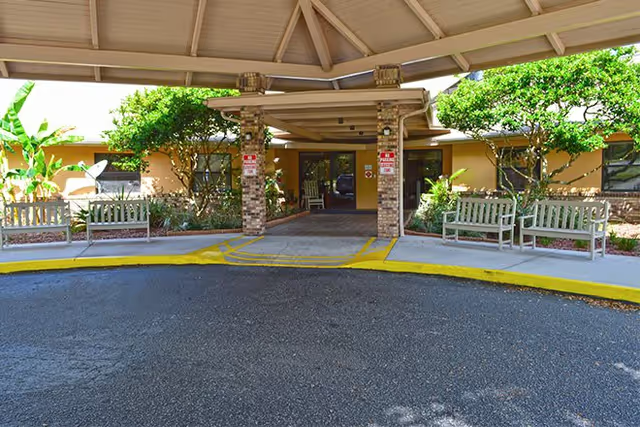
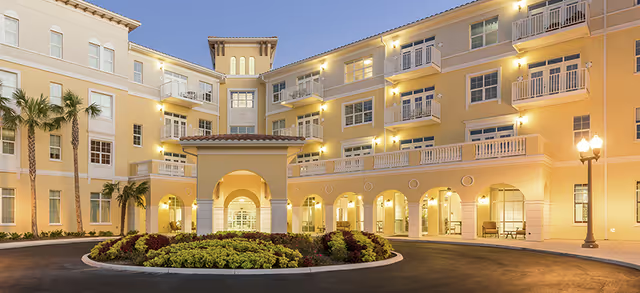
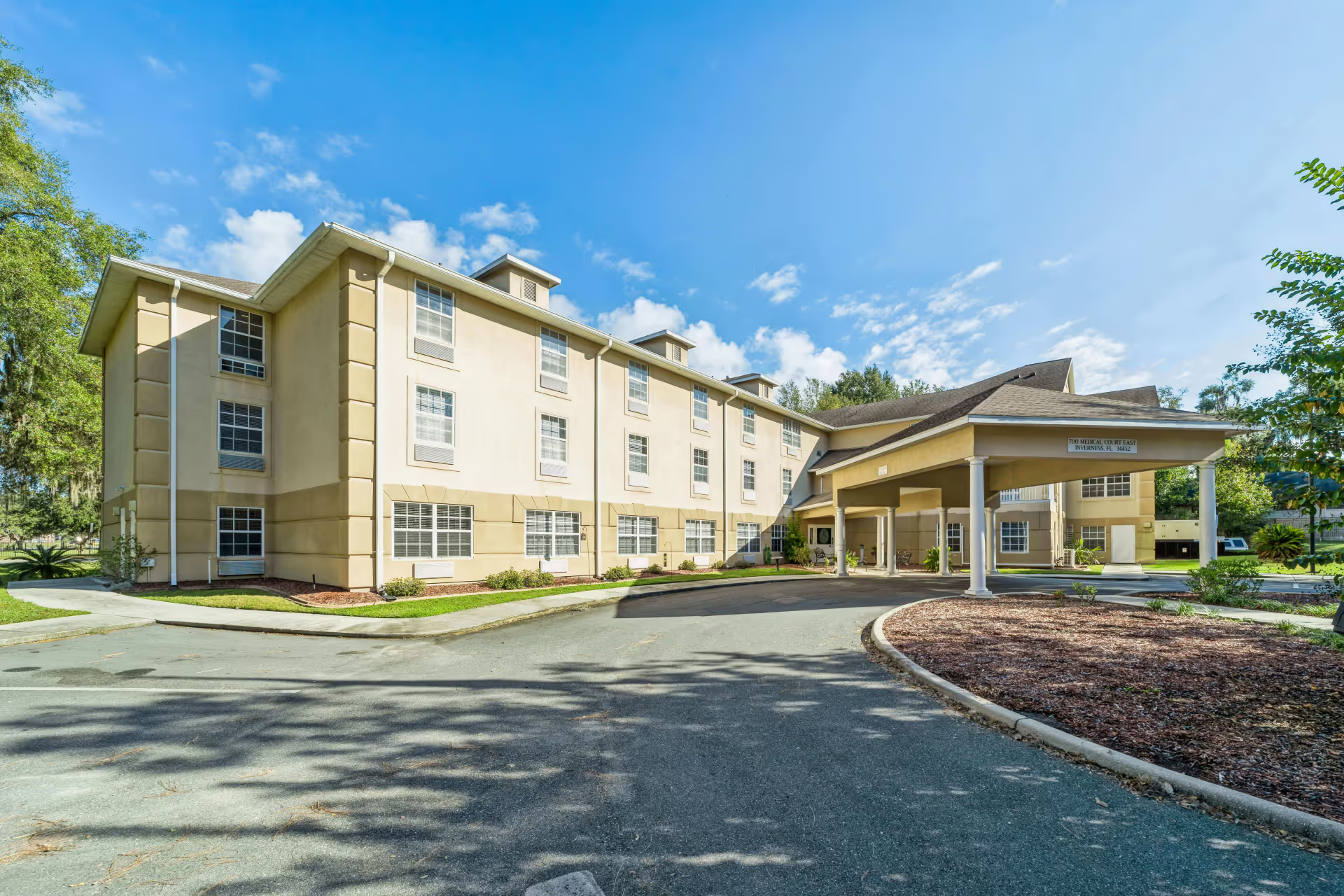
The physical campus and amenities underline the facility’s appeal: creekside grounds with wildlife views, a deck and outdoor seating, a theater, library and public computers, glass walkways and garden settings create a pleasant environment. Apartments typically include a kitchenette and private bathroom, but unit sizes can be compact; several notes mention apartments under 500 square feet. The community’s small scale reinforces a homelike feel but may not meet preferences for larger campus environments. Cost is a recurring tradeoff — Cedar Creek is described as relatively expensive, and availability can be limited.
Overall, Cedar Creek presents as a clean, activity‑rich assisted living option with strong caregiving and visible nursing support. The primary tradeoffs are price, apartment size, and occasional variability in meal satisfaction and communication. Families considering Cedar Creek should tour the facility, meet caregiving and activity staff, sample meals, confirm current unit sizes and costs, and ask for examples of care‑communication protocols to ensure the community aligns with the prospective resident’s clinical and lifestyle needs.