Blue Palms Health and Rehab of Daytona receives mixed feedback with clear strengths at the frontline-clinical level and recurring operational weaknesses. Many families and residents describe compassionate, patient caregivers—particularly CNAs, nurses, and select clinical specialists (notably wound care and physical therapy staff). Several accounts highlight effective rehabilitation services, engaged therapists, and an attentive social-work team. Admissions and front-desk staff are frequently described as welcoming and helpful, and some reviewers note continuity of care with familiar, non-contracted staff and effective tracking of residents' personal belongings.
At the same time, there is a consistent pattern of operational and managerial issues that affect day-to-day resident experience. Staffing is described as uneven: daytime coverage and specific therapists are praised, while night and weekend coverage (third shift) is often characterized as thin or inconsistent. This uneven staffing intersects with concerns about medication management and pharmacy coordination; reviewers referenced delays or gaps in medication delivery and inconsistent medication administration practices. Administrative communication is another recurring theme: families describe conflicting information from different staff members, difficulty obtaining timely responses after hours, and occasional unhelpful or confrontational interactions during high-stress moments such as discharge.
Dining and housekeeping show variability across reviews. Positive comments exist about helpful dining staff and some clean, well-maintained resident areas, but many reviewers describe inconsistent food quality, small or unappealing portions, and repetitive menus. Housekeeping performance is similarly mixed: some families praise cleanliness and diligent housekeeping personnel, while others report sanitation concerns and reductions in housekeeping frequency. Laundry management problems (lost, stained, or mis-sorted clothing) were mentioned often enough to suggest a systemic process gap.
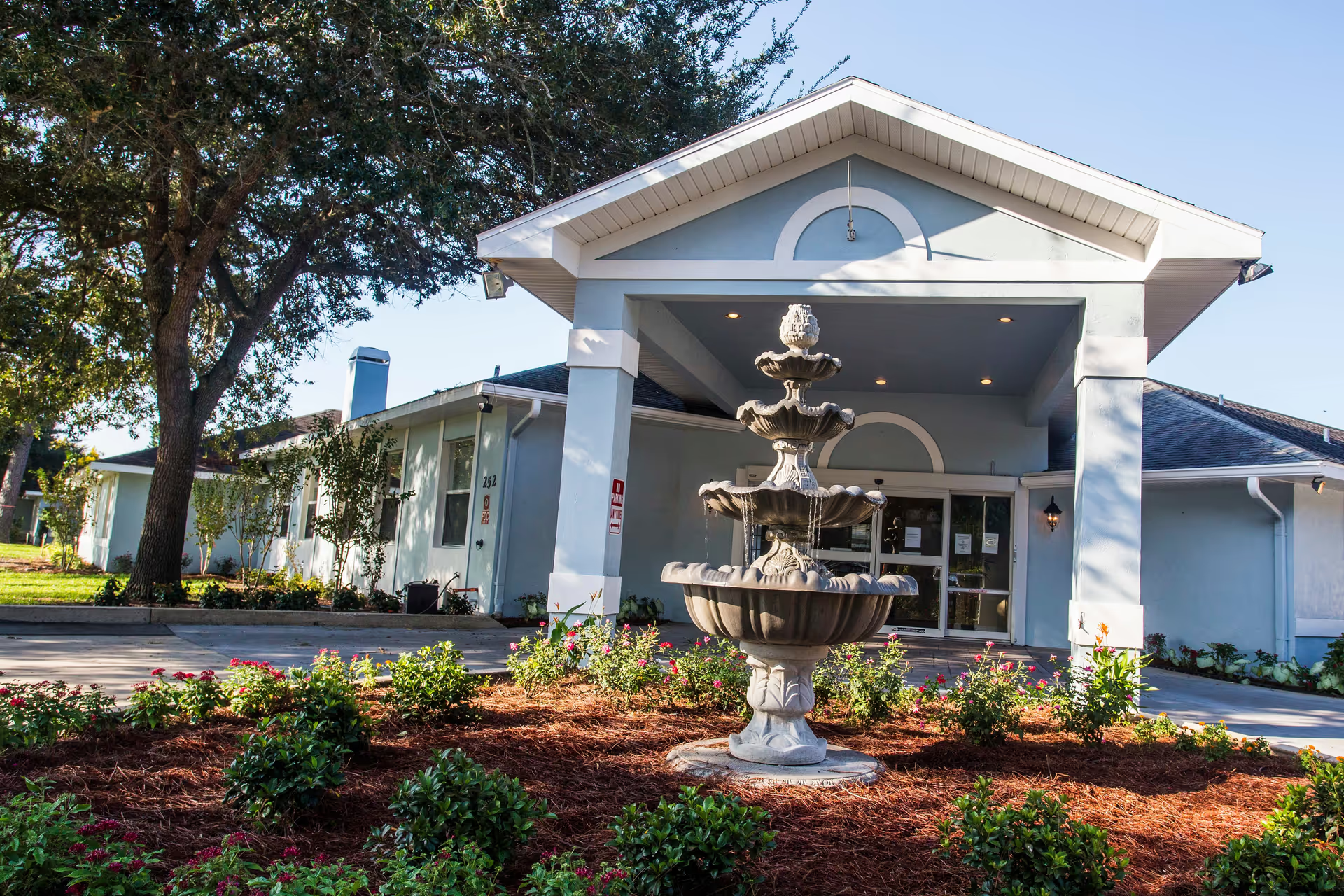
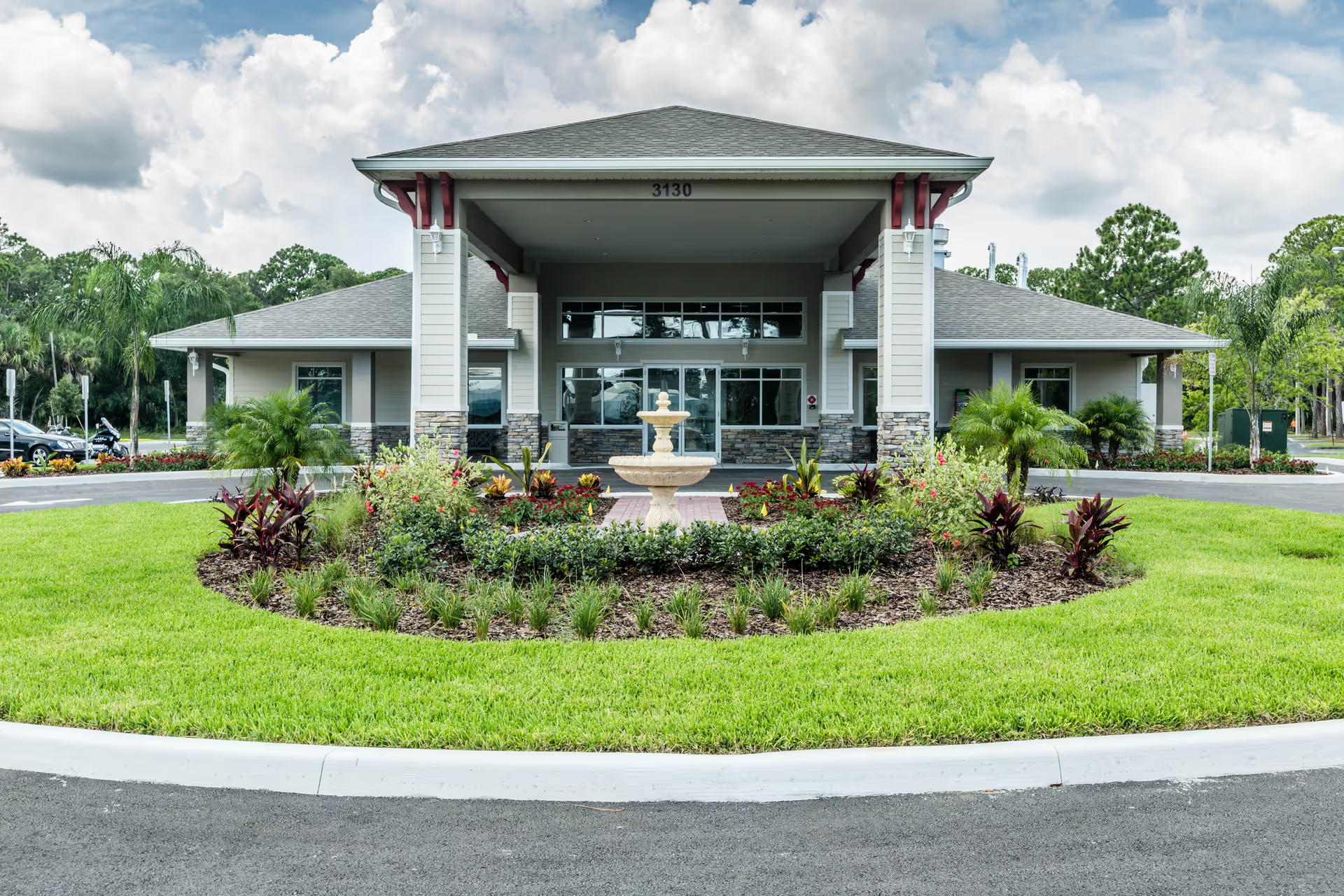
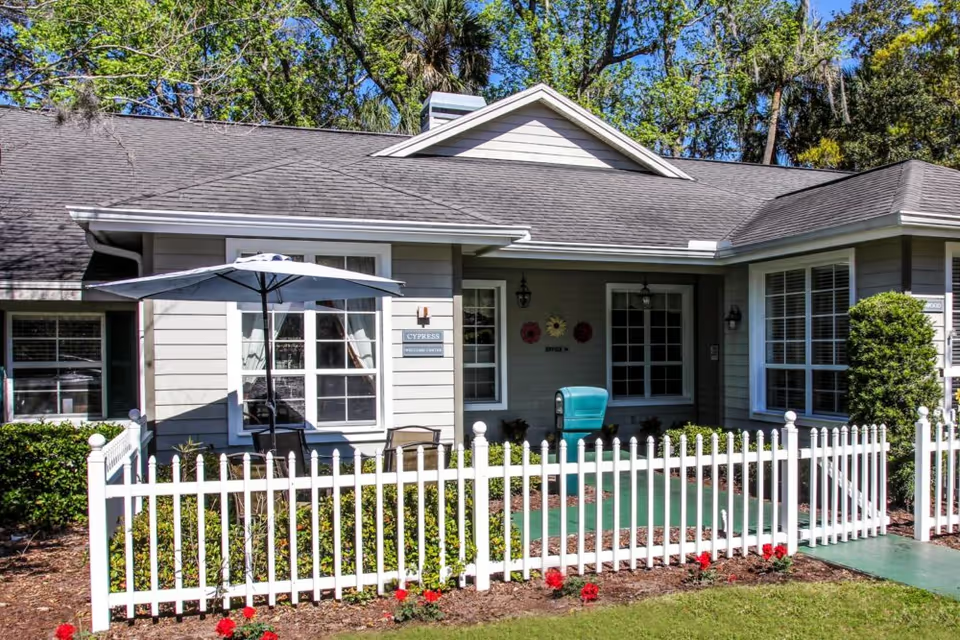
Facility condition and maintenance are additional considerations. Multiple reviewers described an outdated or worn interior, with isolated maintenance issues such as air-conditioning leaks and poor television reception. The facility has indicated plans for renovation in some accounts, which may address physical shortcomings. Safety and care-process concerns also appear in several accounts: issues around bathing and toileting assistance, inconsistencies in transfer/mobility assistance, and occasional safety incidents were described in ways that imply gaps in protocols or staffing levels rather than isolated events.
There are also administrative and payer-related patterns prospective residents should note. Reviewers encountered insurance-authorization delays or PPO denials that complicated admissions and billing, and some families found coordination between the facility and insurers to be inadequate. On the positive side, when administration and clinical leadership are engaged, reviewers describe prompt, compassionate responses and effective problem resolution—several named staff (administrator, social worker, and specific caregivers) received specific praise for their responsiveness and supportive communication.
Recommendation for prospective families: arrange an in-person tour at different times of day (including evenings and a weekend), ask for current staffing ratios and night-shift coverage details, request examples of medication-administration and laundry tracking protocols, review the dining sample menu and kitchen practices, and inquire about the renovation timeline and insurance coordination procedures. These targeted questions can help clarify whether the facility’s positive clinical strengths align with its operational reliability for your specific needs.