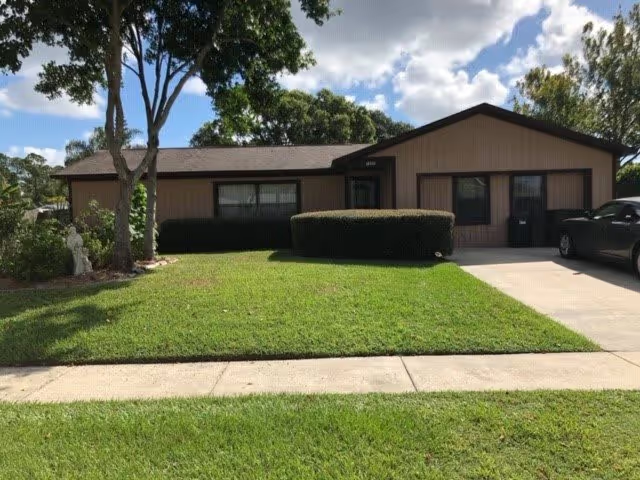
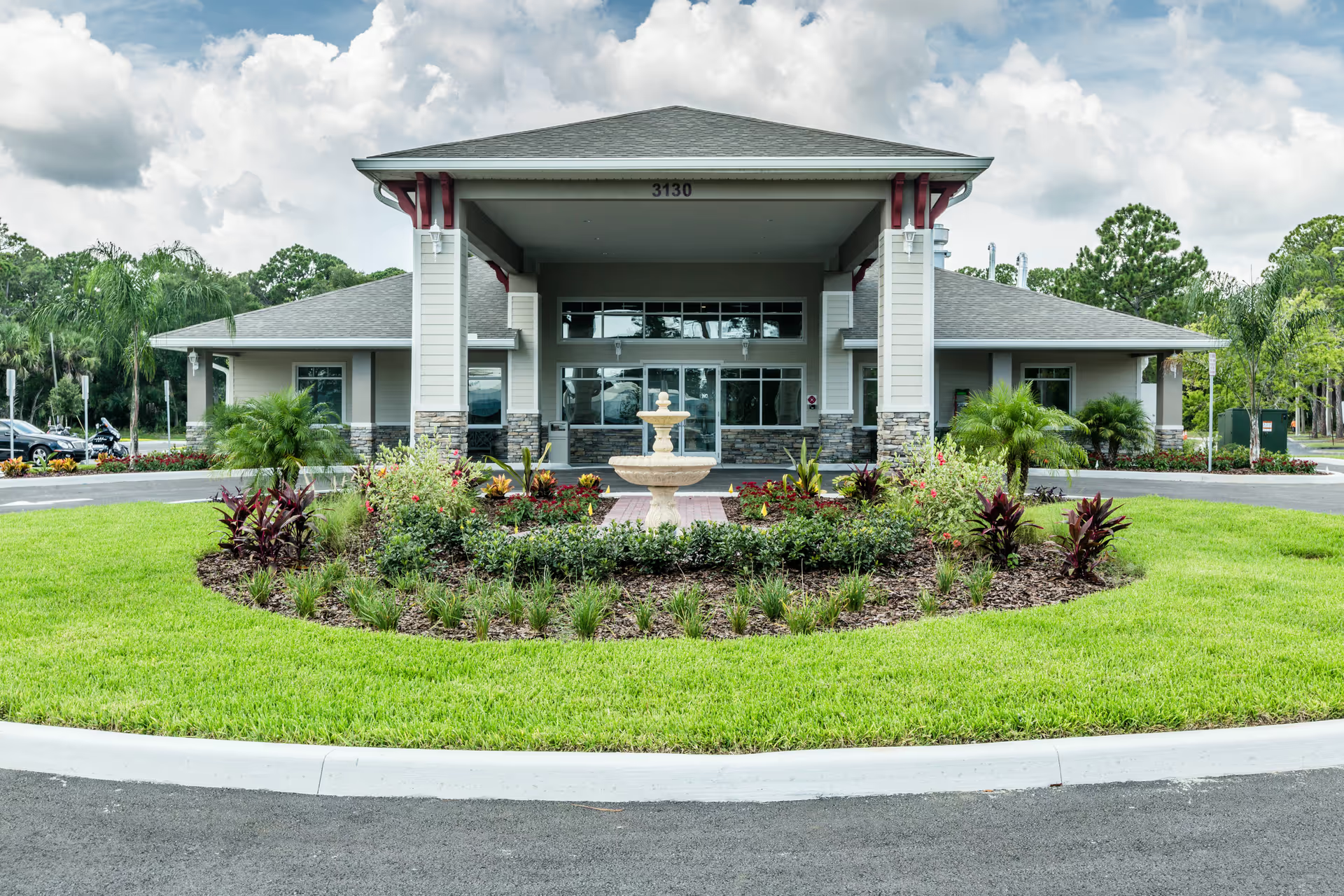
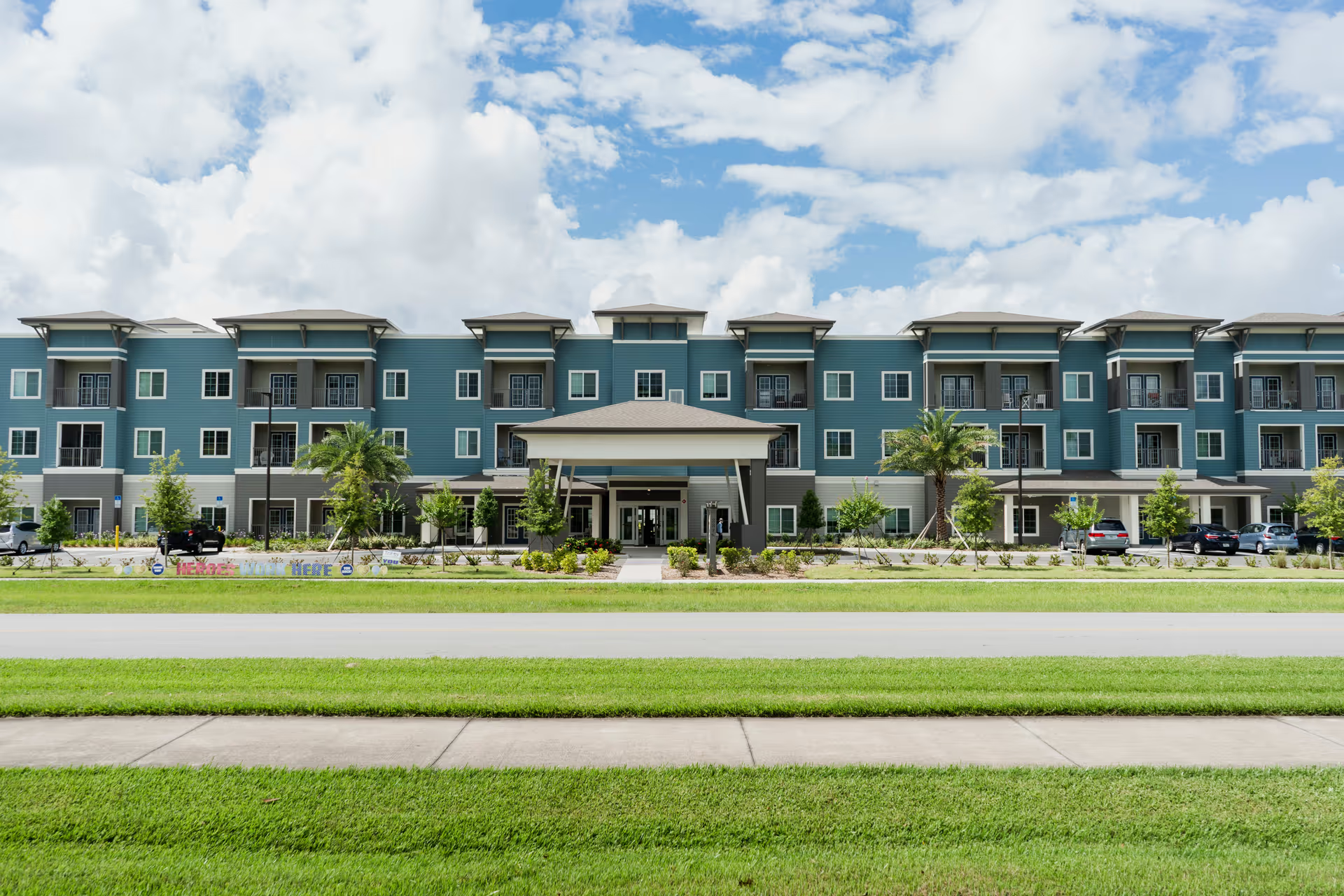
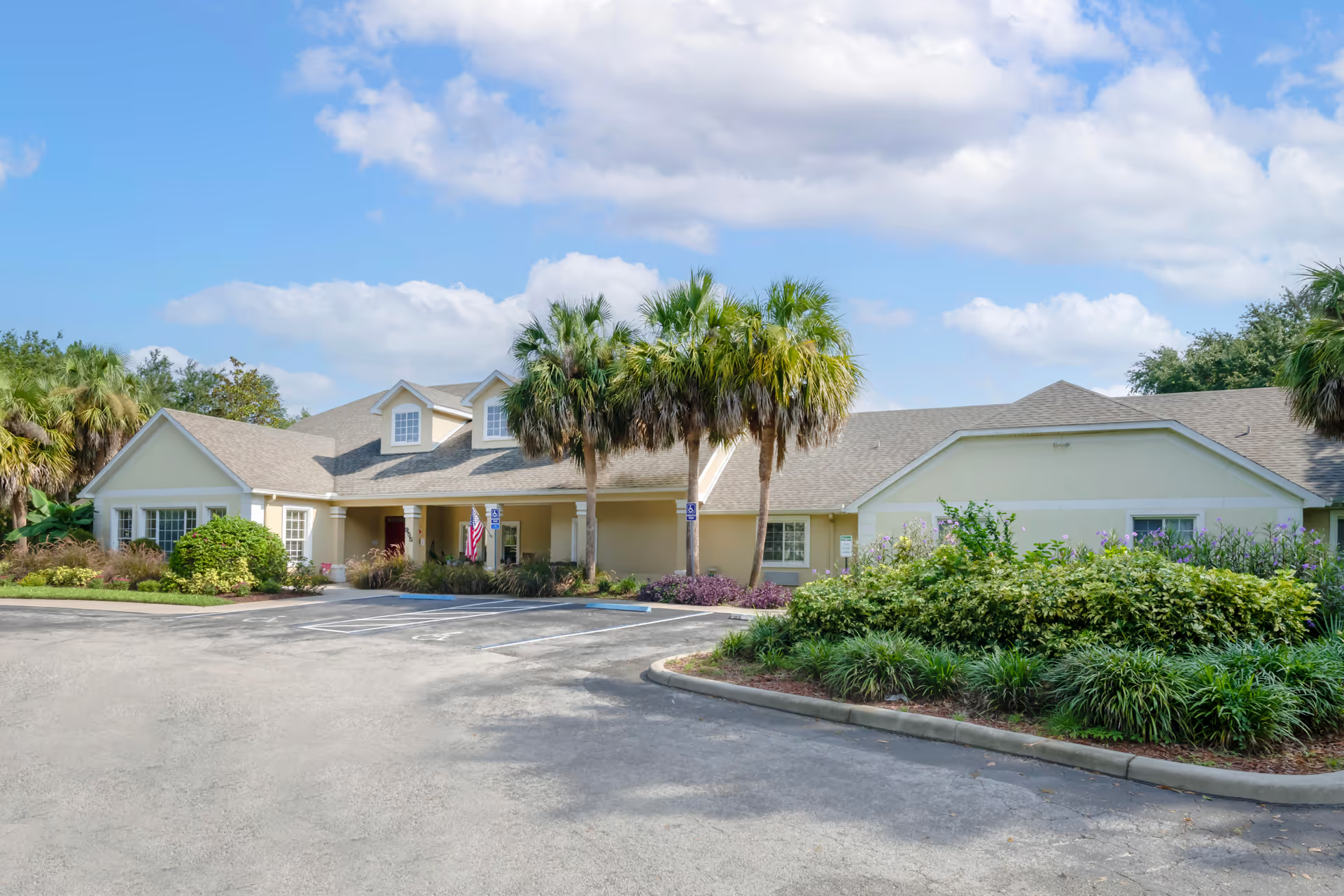
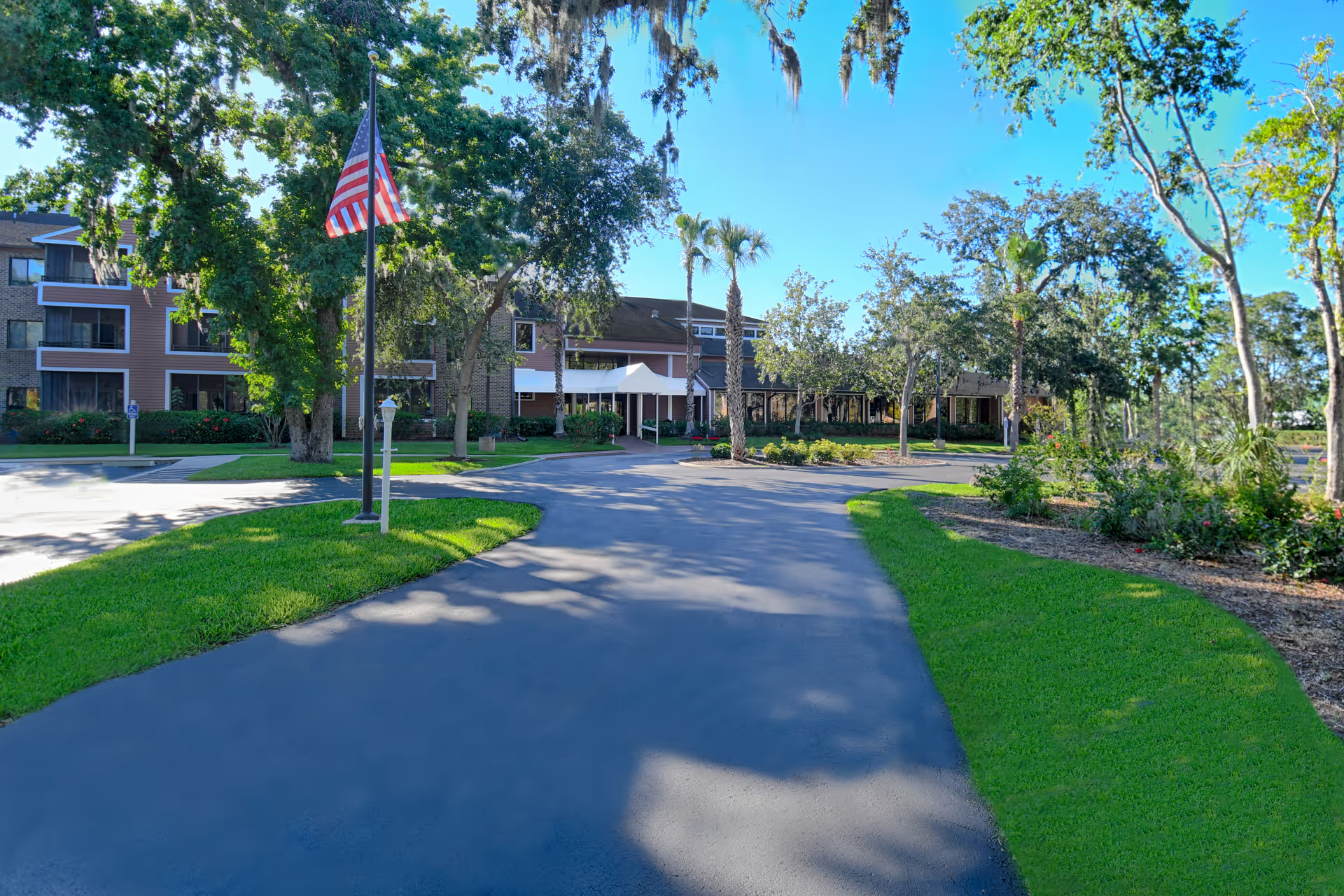
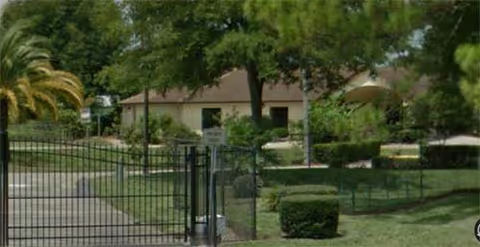
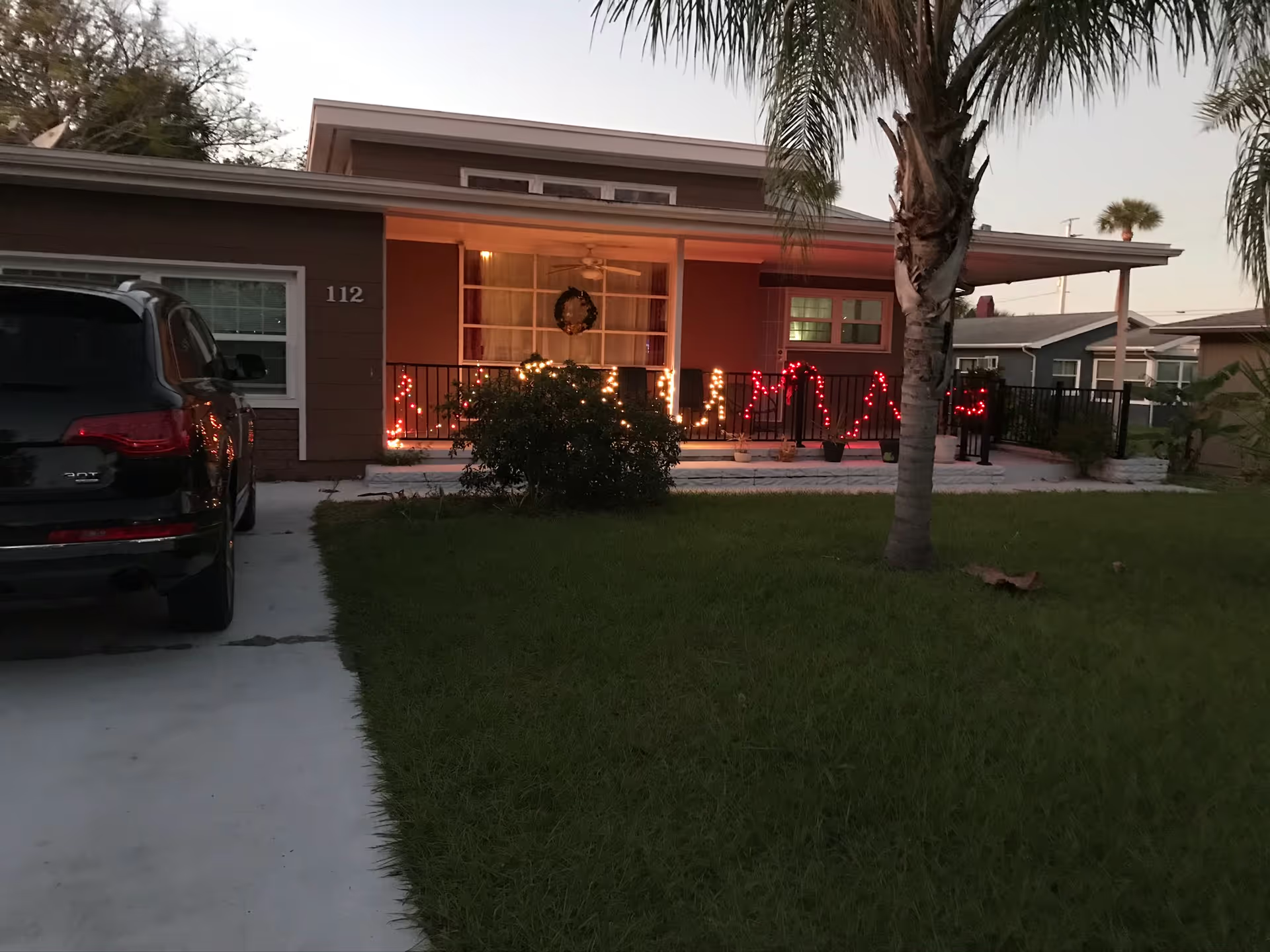
Magnolia Manor presents as a well-maintained, homey assisted living community with numerous strengths in ambiance, resident services, and social programming. Many families describe attractive grounds, bright common areas, and individualized rooms that residents can furnish. On-site amenities such as a theater room, hairdresser, laundry service, pet visits, prayer groups, and regular transportation to local attractions contribute to an engaging daily life. The facility’s activities program — including exercise classes, themed events, outings, and family-invited celebrations — is frequently highlighted as a positive feature.
Staff and caregiving are polarizing in the reviews. A large portion of comments praise compassionate, friendly, and attentive staff who foster a family-like atmosphere and provide reassuring day-to-day care. That said, there are recurring concerns about staffing stability: turnover and periods of short-staffing are linked to reduced activity frequency, slower responsiveness, and variable service levels. Families should weigh the consistently positive staff interactions reported by many against accounts of personnel shortages and newer employees adjusting to roles.
Dining and housekeeping receive mixed evaluations. Several reviewers commend fresh, varied meal options and a pleasant dining environment, while others note a decline in meal quality tied to kitchen staff turnover and budget pressures. Housekeeping and sanitation are also inconsistent across accounts: some families describe a consistently clean, odor-free facility, whereas others describe lapses in room cleaning and related sanitation concerns. Prospective families may wish to ask about kitchen staffing continuity, sample menus, and the housekeeping schedule during a visit.
Clinical and safety patterns merit careful scrutiny. Multiple reviews raise concerns about medication management and documentation practices, with some accounts alleging serious record-keeping problems. There are also reports of delayed responses to call bells, delayed symptom or pain treatment, and falls; collectively these suggest gaps in after-hours clinical response and incident escalation procedures. Security and access-control practices are another area of concern, with notes about unsecured doors and inconsistent ID checks. Additionally, a handful of reviewers describe maintenance and equipment reliability issues (air conditioning, transportation van, room phones/TV remotes) that affect daily comfort and logistics.
Administrative practices show a similar split. Some reviewers praise transparent tours, clear cost explanations, and management that sponsors events and invites family involvement. Others describe unresponsive management, billing disputes, delayed refunds, and concerns about pricing transparency and refundable-deposit terms. There is a single-category use of the word "allegations" regarding falsified documentation in some accounts; this is a serious claim that families should pursue with facility leadership and, if warranted, regulators.
Overall, Magnolia Manor appears to offer many of the amenities and social supports families seek in assisted living, with notable strengths in community life and caregiver warmth. However, recurring operational issues — especially around medication management, staffing stability, housekeeping consistency, dining continuity, security procedures, and administrative responsiveness — warrant targeted questions during a visit. Recommended areas to review in person include medication-administration protocols and audits, staffing ratios and after-hours coverage, housekeeping schedules, kitchen staffing and menu samples, security/access procedures, and contract/billing terms. These checks can help families balance the facility’s strong community aspects against the operational risks noted by others.