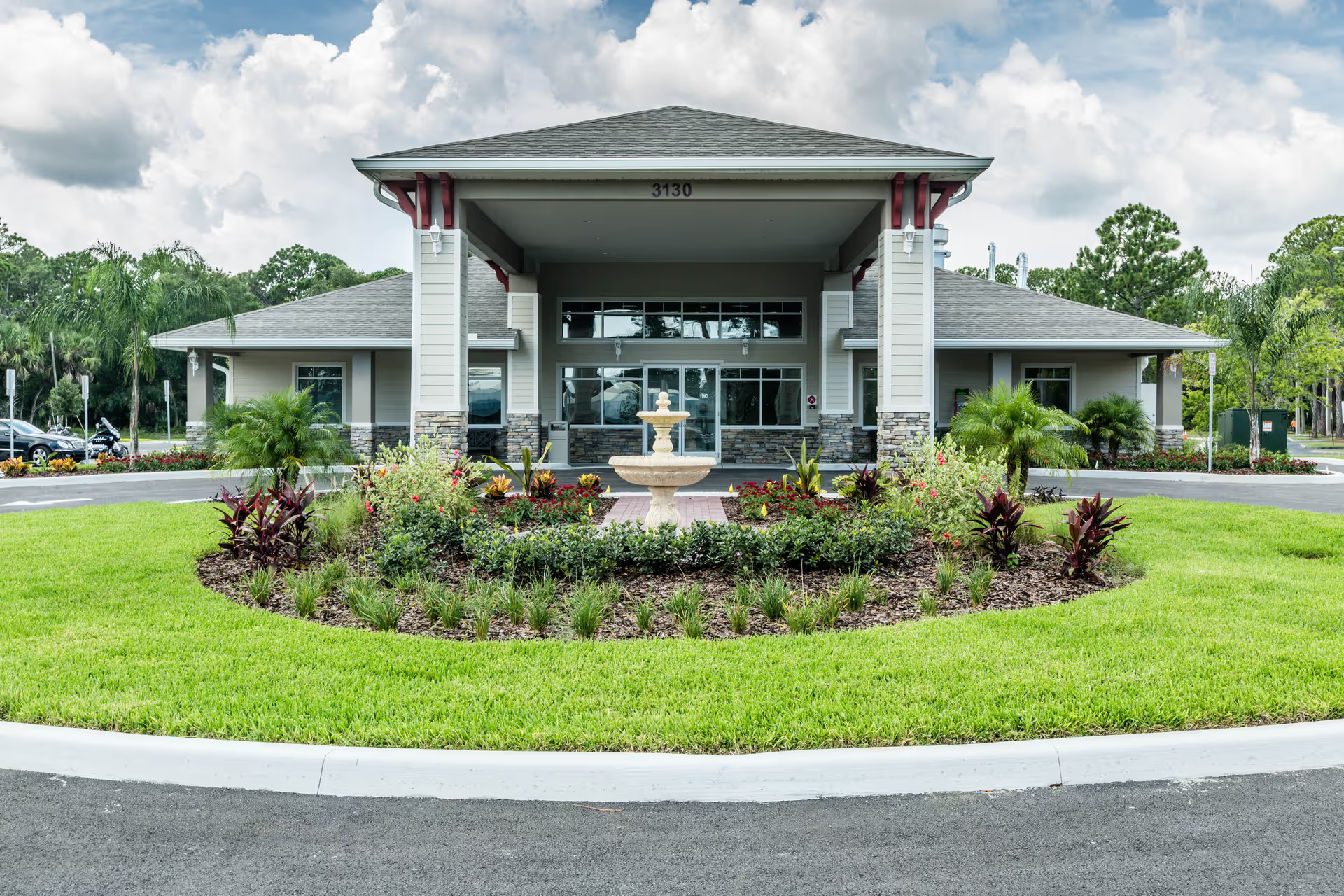
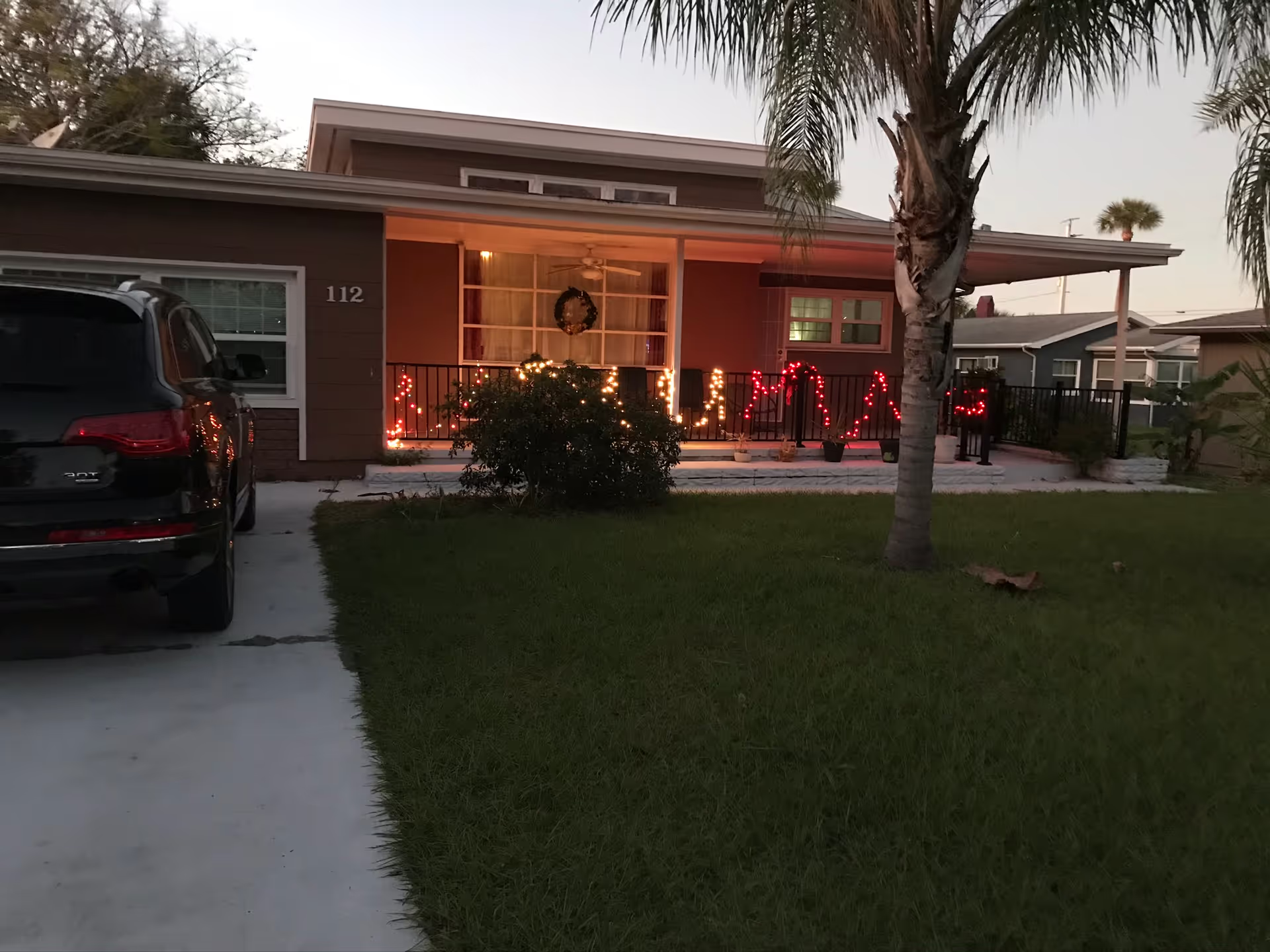
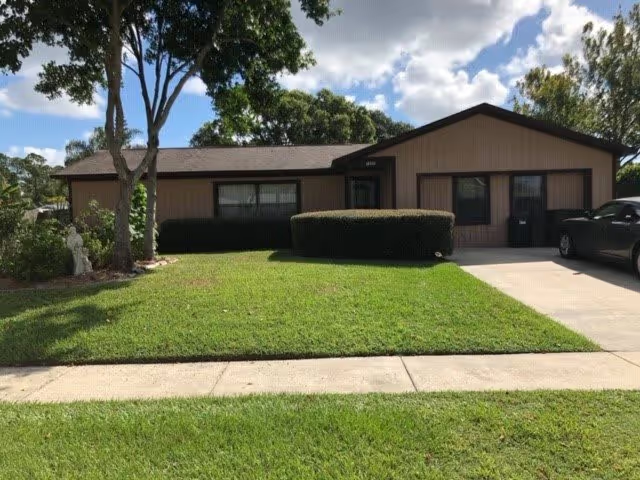
The reviews describe a small, home-like residential care setting with a consistent emphasis on compassionate, relationship-based caregiving. Families and residents characterize the environment as warm and familial; staff are frequently described as attentive, kind, and willing to provide hands-on assistance. Leadership involvement includes an on-site administrator RN who appears to play an active clinical and transitional role for residents. The facility’s approach prioritizes resident comfort and quality of life rather than institutional routines, and reviewers emphasize personalized attention and strong communication between staff and families.
Dining and daily living aspects are presented positively. Home-cooked meals and generally favorable food quality are noted, and the setting is described as clean and well maintained. The physical environment supports mobility and socialization, with ample indoor space, outdoor access behind secured gates, and visible social-function setups. Activities and animal-assisted companionship are prominent features: the presence of dogs, cats and other animals is part of the social model and is cited as beneficial to resident well-being and family peace of mind, especially during transitions from other care settings.
Care quality is framed around compassionate, flexible service rather than intensive medical intervention. Reviewers highlight strong staff–resident relationships, individualized care plans, and supportive transitions for residents with cognitive impairment. The facility is also portrayed as supportive of family needs, including accommodation for pets during moves and clear communication that helps families feel reassured when they live at a distance.
Notable patterns and operational considerations inferred from the reviews include limitations inherent to a small, home-like residential model. The setting appears well suited to people who need assistance with activities of daily living and who benefit from a nurturing, social environment, but it may have limited capacity for high-acuity medical care or specialized clinical therapies. The active presence of a single RN in an administrative and hands-on role suggests strong leadership but also indicates potential dependence on key staff for clinical oversight. Frequent animal access, while a programmatic strength, may introduce allergy or infection-control considerations that prospective families should discuss with management. The personalized, flexibility-focused approach that reviewers praise can also correlate with a greater reliance on informal practices; prospective families may want specifics about formal policies, documentation, and contingency plans.
Overall, the facility is consistently portrayed as a compassionate, well-kept, pet-friendly option that emphasizes quality of life, individualized attention, and strong family communication. Prospective residents and families should weigh those strengths against the typical limitations of a small residential setting—notably the scope of on-site clinical services, capacity, and policy details around animals and formal care protocols—and verify that the facility’s services align with the resident’s current and anticipated medical needs.