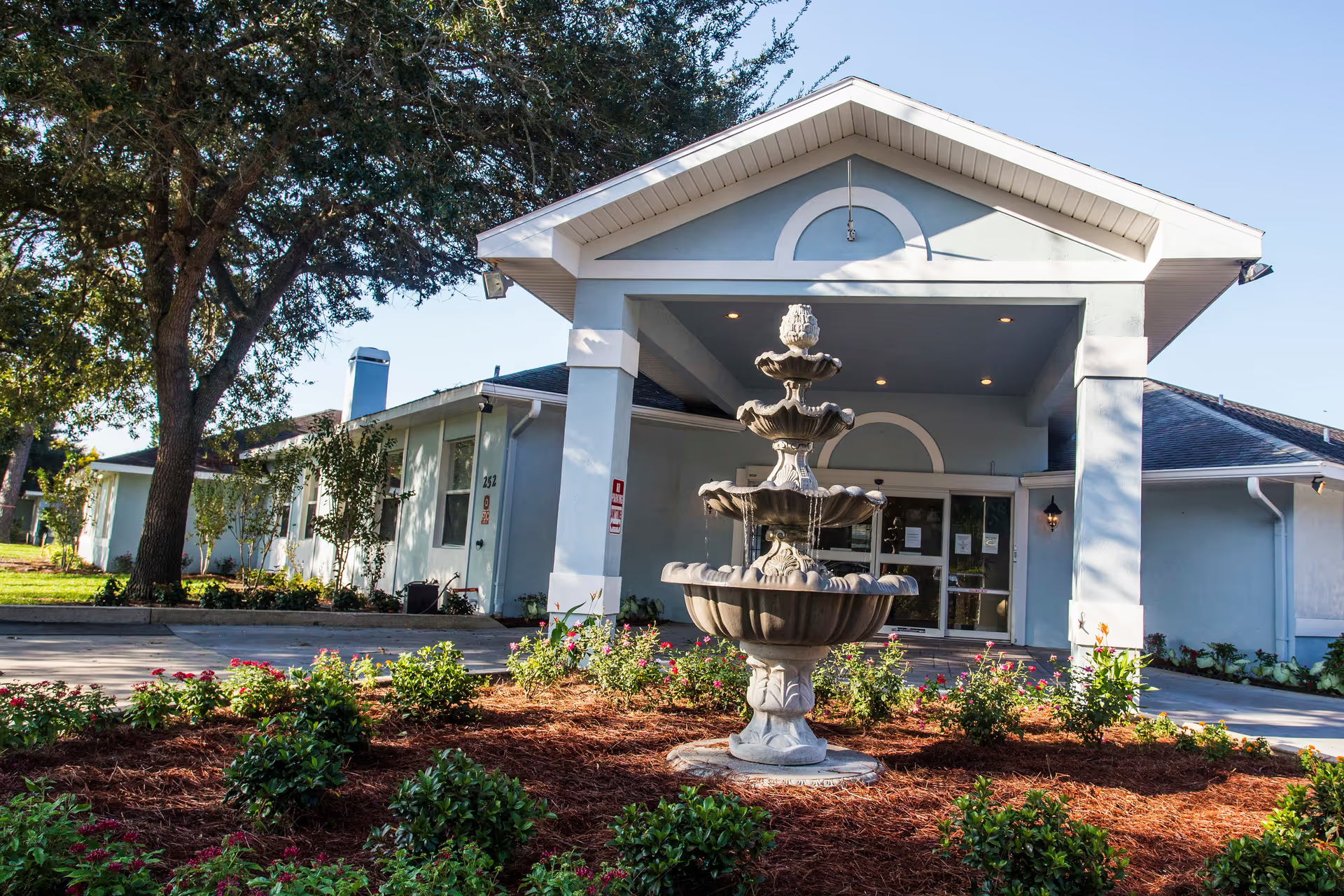
The reviews for Solaris HealthCare Daytona present a markedly mixed picture, with a strong pattern of highly positive experiences centered on rehabilitation services and several recurrent operational concerns. The facility's physical and occupational therapy programs receive consistent praise for effectiveness, patience, and measurable functional improvement; many families and residents described therapy staff as a core strength. Equally, multiple accounts commend compassionate bedside nursing and certified nursing assistants, supportive social-work/discharge planning, attentive admissions personnel, and leadership that some families found responsive and helpful. Several reviewers specifically highlighted a clean, well-maintained interior and accessible outdoor spaces and activities, as well as private-room options and favorable end-of-life support in some cases.
Counterbalancing these strengths are persistent operational weaknesses that affect day-to-day care for some residents. A number of reviews describe inconsistent staffing levels and coverage, which is associated with delays in responding to call lights and attending to basic needs. Reviewers raised concerns about medication-administration practices and the adequacy of monitoring (for example, timing of pain medication and checks before giving blood-pressure medications), as well as gaps in wound and skin-care management. Sanitation concerns were raised for certain rooms and common areas, and some families reported inconsistent incontinence-care practices. Equipment- and transfer-safety practices were also noted as an area needing attention.
Dining and activities evoke mixed feedback: several accounts praise varied menus, occasional four-course lunches, and enjoyable meals, while others report poor or inconsistent food quality. Activities and therapeutic programming are generally viewed positively—outings, music events, and daily activities were appreciated—though some reviewers noted limited frequency or variety in programming.
Communication and administrative follow-through are polarized. Many families described responsive administrators and staff who addressed issues quickly; other comments indicate communication tone or conduct problems, inconsistent complaint resolution, and examples of rigid or inconsistently enforced visitation policies. There were also serious individual allegations regarding coercive conduct and threats; these are singular but significant claims that prospective families may wish to probe further.
Taken together, the pattern suggests Solaris HealthCare Daytona can provide strong short-term rehabilitation and many elements of compassionate care, but consistency is uneven in some operational areas. Prospective residents and families should weigh the facility's strong therapy offerings and several reports of positive leadership against recurring concerns about staffing consistency, medication and wound-care processes, sanitation in particular areas, and family communication. Recommended due diligence includes asking about current staffing ratios, medication-administration and wound-care protocols, recent quality survey results, visitation policies, and opportunities for unannounced visits to observe routine care and dining firsthand.