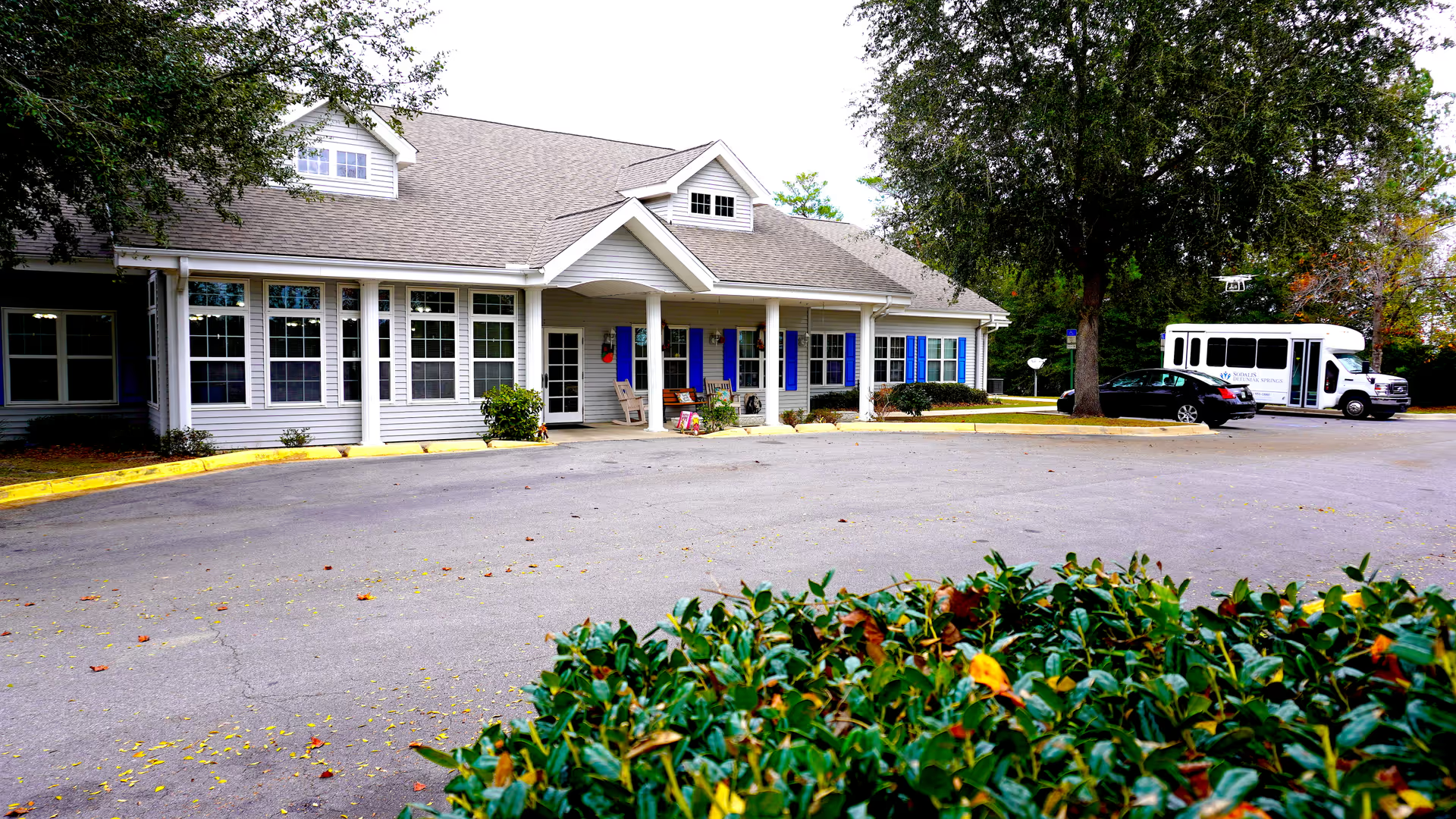
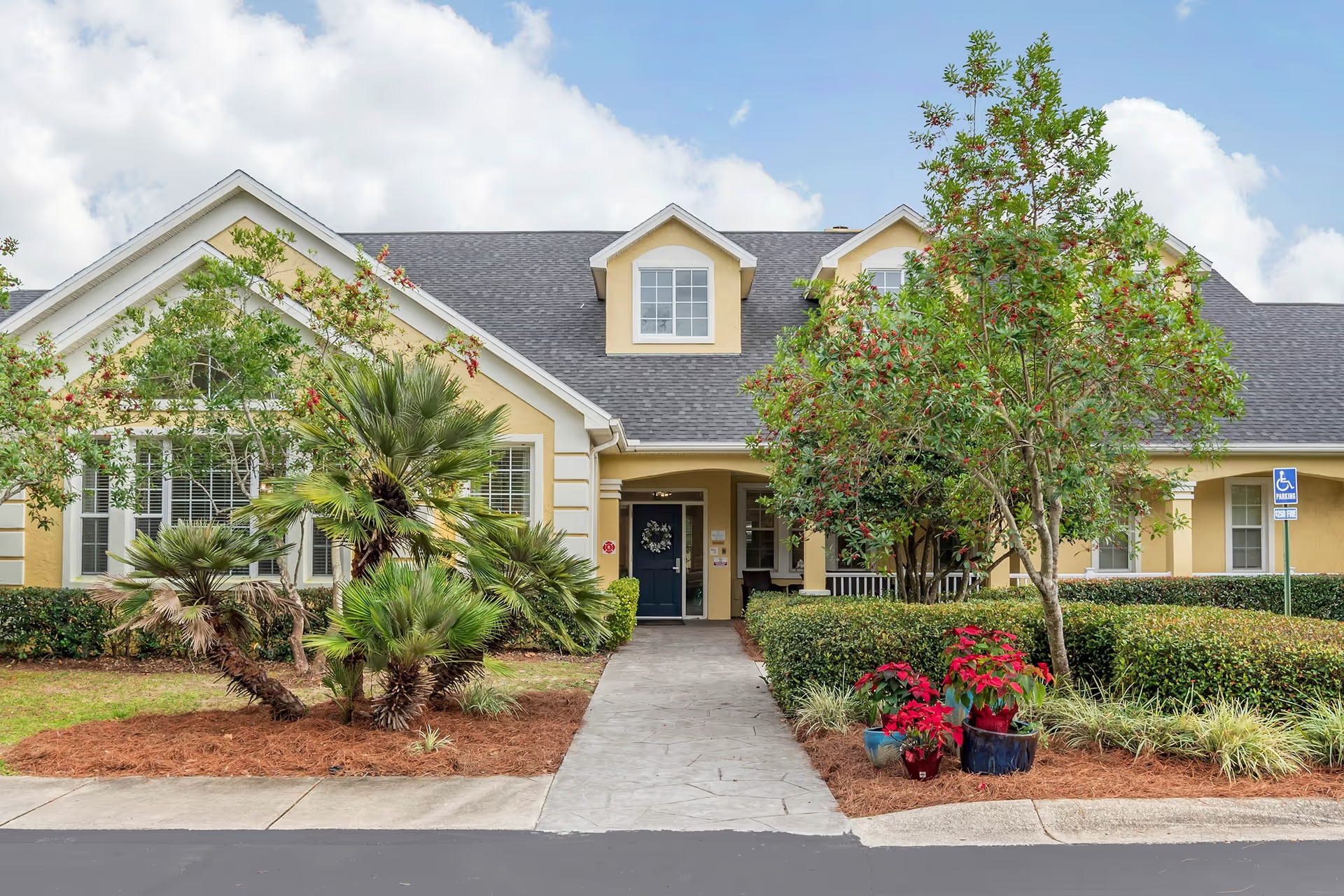
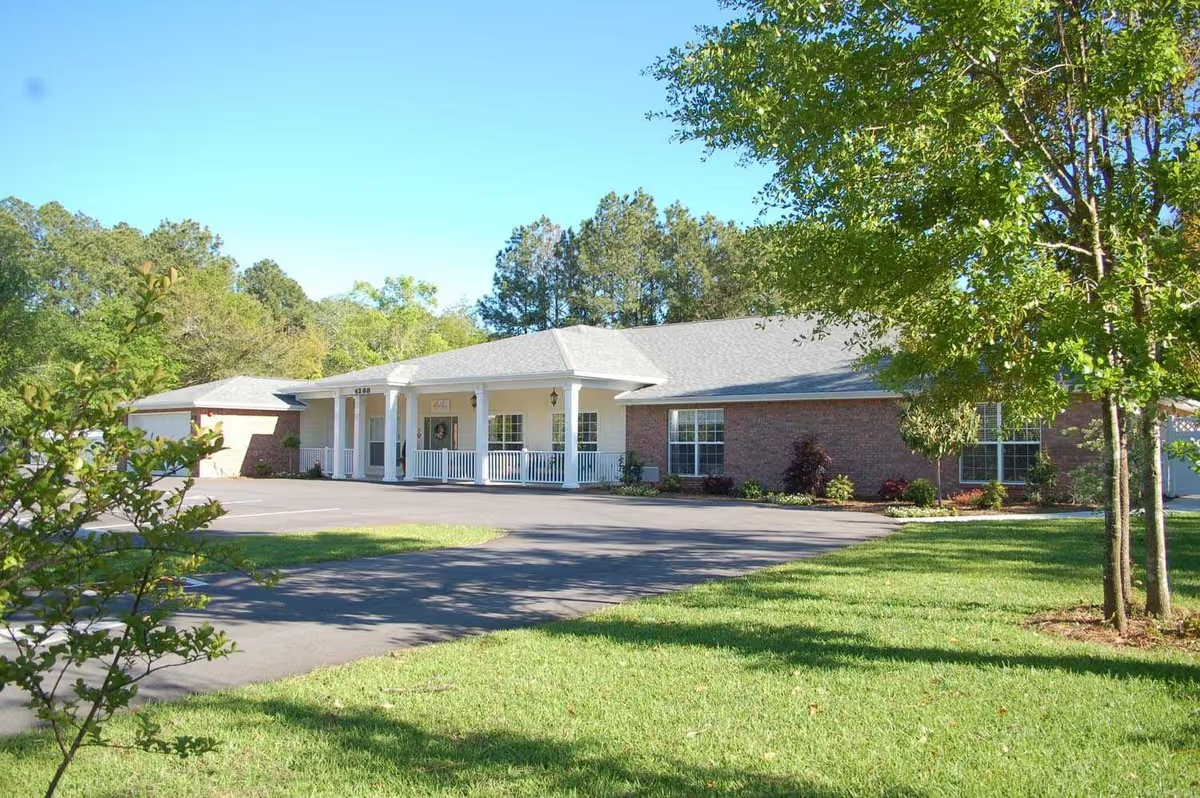
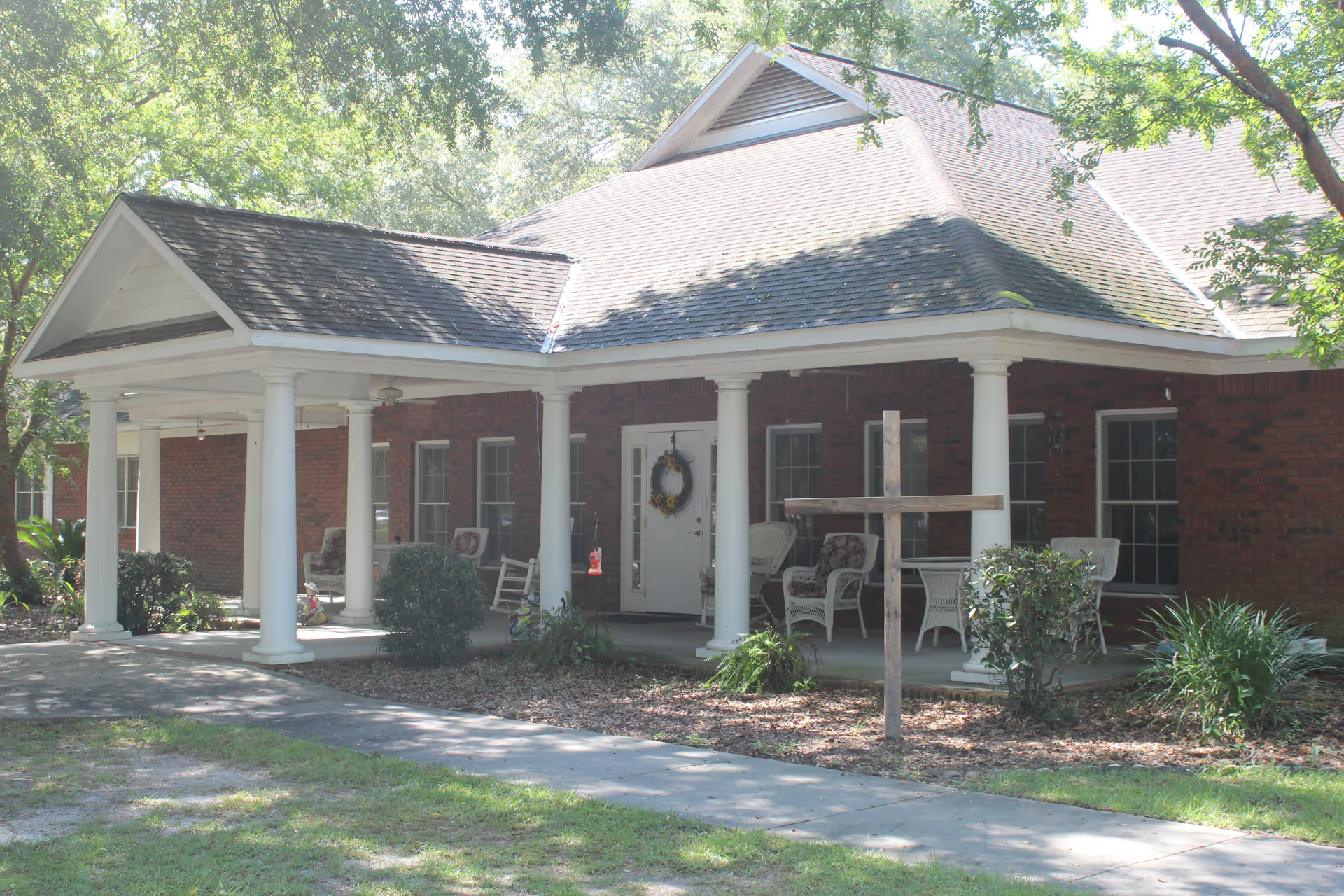
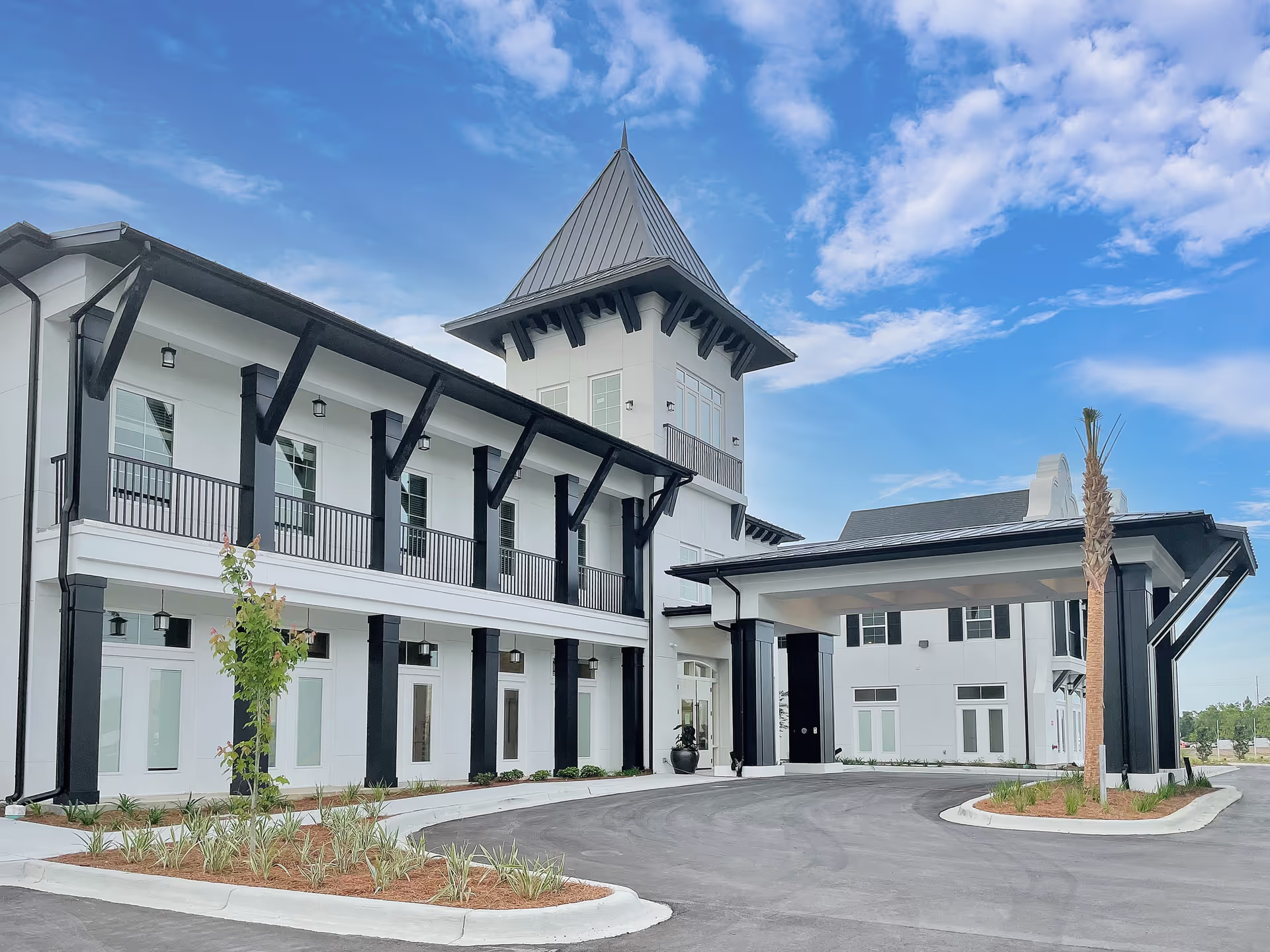
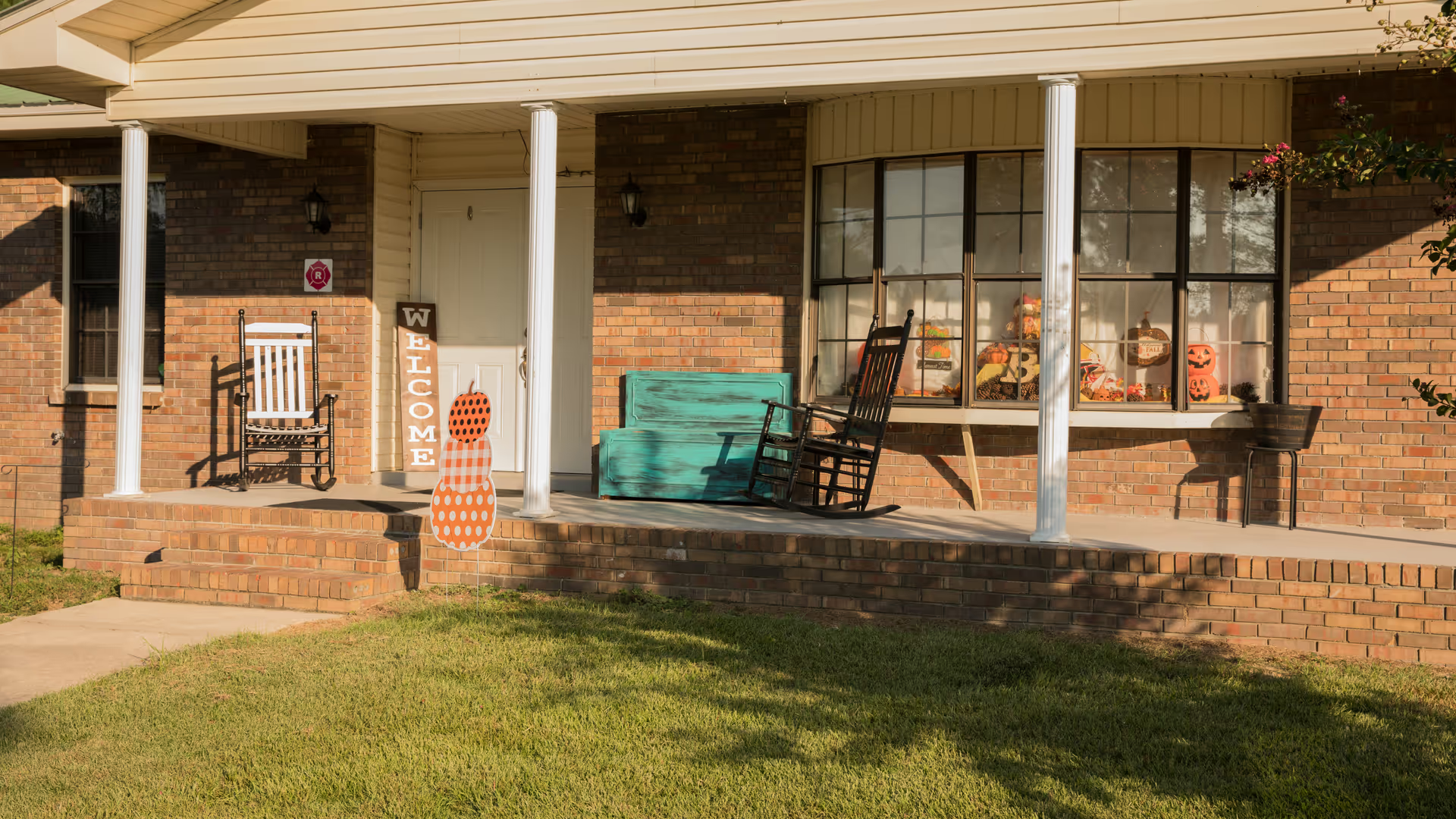
Chautauqua Springs Health Center elicits a strongly mixed set of impressions. Many families and former residents praise the facility for compassionate bedside care, a skilled rehab program (PT/OT) that supports measurable recovery, and a generally clean, well-maintained campus with pleasant communal spaces such as a cafeteria, courtyard, and social lobby. Several reviews highlighted an engaged activities program, a family-like atmosphere, and supportive ancillary teams (maintenance, housekeeping, dialysis) that contribute positively to daily life and recovery for short-term rehabilitation stays.
Clinical care is described as high quality in many instances: attentive nurses, helpful therapy teams, and moments of above-and-beyond service by individual staff members were frequently emphasized. The rehabilitation services, in particular, receive consistent positive mention for helping residents regain strength and return home. Infection-control practices during the pandemic and safety measures were also noted as strengths by some families, and administrative staff are often described as accessible and communicative in those positive accounts.
At the same time, a recurring pattern of operational weaknesses appears across reviews. Staffing inconsistency — including reliance on agency personnel — and episodes of slow response to call lights and emergent needs create safety and satisfaction concerns. Several families described delays in escalation and hospital transfer during acute events, and there are indications of gaps in medication-management controls and respiratory/transfer protocols. These are facility-level issues that can affect timeliness of care and clinical outcomes.
Communication and management are another area of variability. While some families praise timely updates and an accessible administrator, others experienced inconsistent communication, difficulty obtaining medical records, and variable responsiveness from leadership and clinical providers. A small number of reviews include allegations of restricted records access and concerns about coercive management practices; these accounts are serious and stand in contrast to many positive administrative reports.
Facility and service-level observations also diverge. Many reviewers find the building, rooms, and communal areas clean and well-kept, but a number of reviews raised sanitation and odor concerns in particular common areas and described inconsistent laundry and housekeeping follow-through. Dining experiences range from satisfactory communal meals to complaints about timing, temperature, and limited variety. Activity programming is generally seen as robust, with music, social events, and pet/animal-related offerings noted as enhancing residents’ quality of life.
In sum, Chautauqua Springs appears to offer strong rehabilitation services, compassionate individual caregivers, and a welcoming environment in many cases, but there are notable and recurring operational challenges: variable staffing and agency reliance, inconsistent emergency escalation and medication controls, and uneven management communication. Prospective residents and families would be advised to ask specific, concrete questions about current staffing ratios, emergency-transfer protocols, medication-administration safeguards, family communication processes, and medical-record access during their decision process to better gauge how the facility’s strengths and weaknesses align with their needs.