Reviews describe a community with a strong home-like and social atmosphere, and many families praise staff for being warm, attentive, and welcoming. Move-in support is a recurring strength: families describe helpful guidance with paperwork, furniture planning, apartment setup, and adjustment to a new setting. Residents are often said to feel known by staff and to form friendships with other residents. Families living at a distance particularly value communication and the reassurance of having a familiar contact. These positive accounts coexist with reports of inconsistent responsiveness, staff turnover, and difficulty obtaining follow-through, especially during periods of management or operational change.
Care experiences are generally described positively, including attentive support in assisted living and especially warm, structured care in memory care. Families and some health professionals commend staff knowledge, resident engagement, and assistance during transitions between care levels. However, reviewers also raise concerns about delayed responses to requests, staffing capacity, medication coordination, and whether the community can meet residents’ particular physical or cognitive needs. Some describe lapses in communication around care changes or clinical concerns. Prospective residents should confirm that the available level of support, accessibility, and medication process match the person’s current needs and likely future needs.
Dining feedback is mixed. Many residents and visitors appreciate the restaurant-style setting, three meals a day, menu choices, and particular items such as soups. Others describe inconsistent food quality, limited choices at certain meal times, incorrect orders, slow service, and variable interactions with dining staff. Activities are another commonly praised feature, with calendars that may include exercise, games, crafts, live entertainment, lectures, religious services, and outings. Some families, however, say scheduled events are occasionally canceled or that memory-care residents do not have access to the broader program, so it is useful to ask which activities are actually offered in each care area.
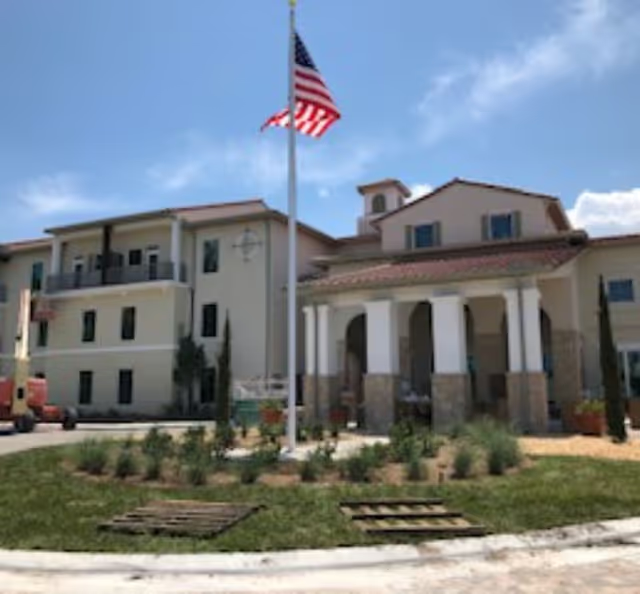
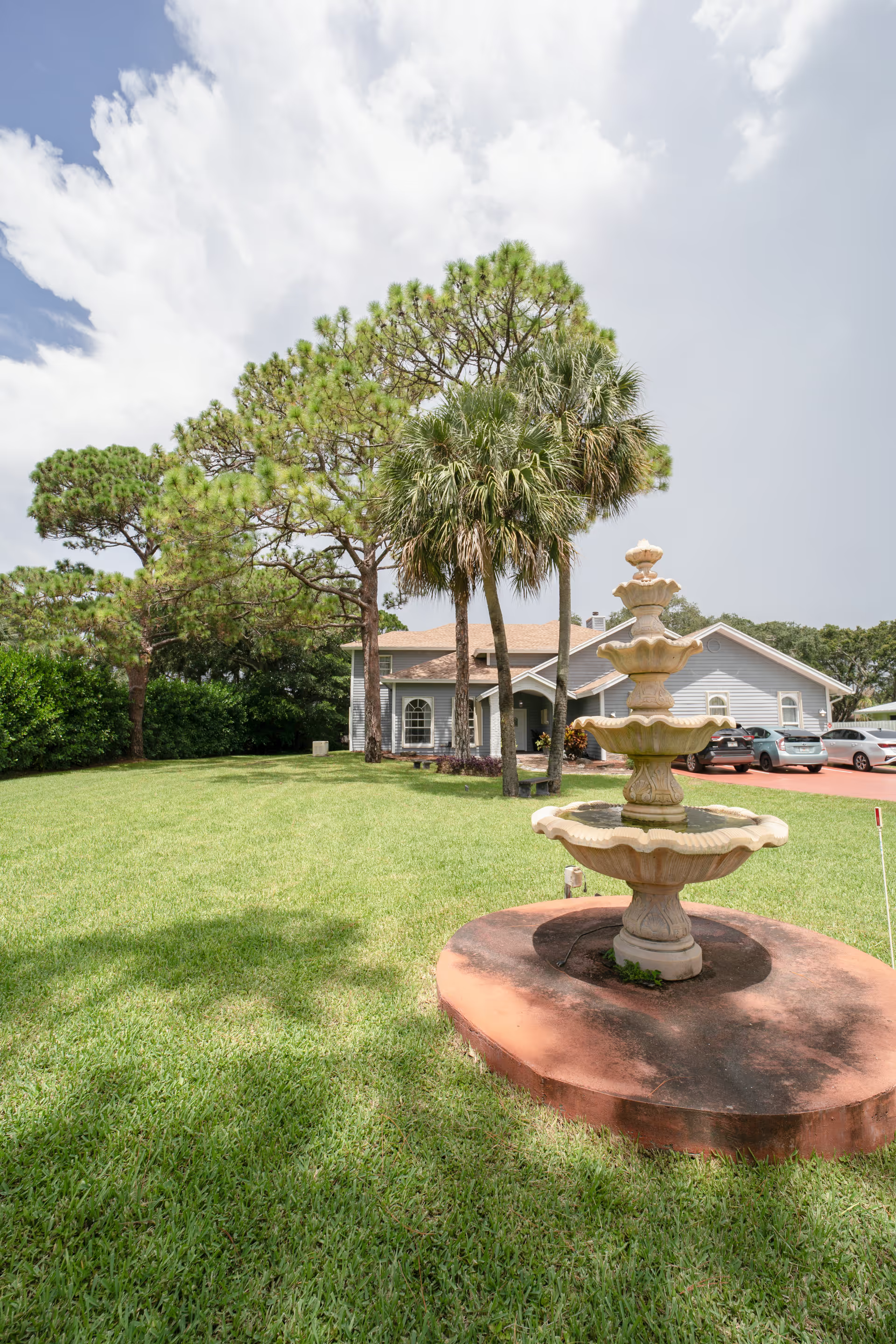
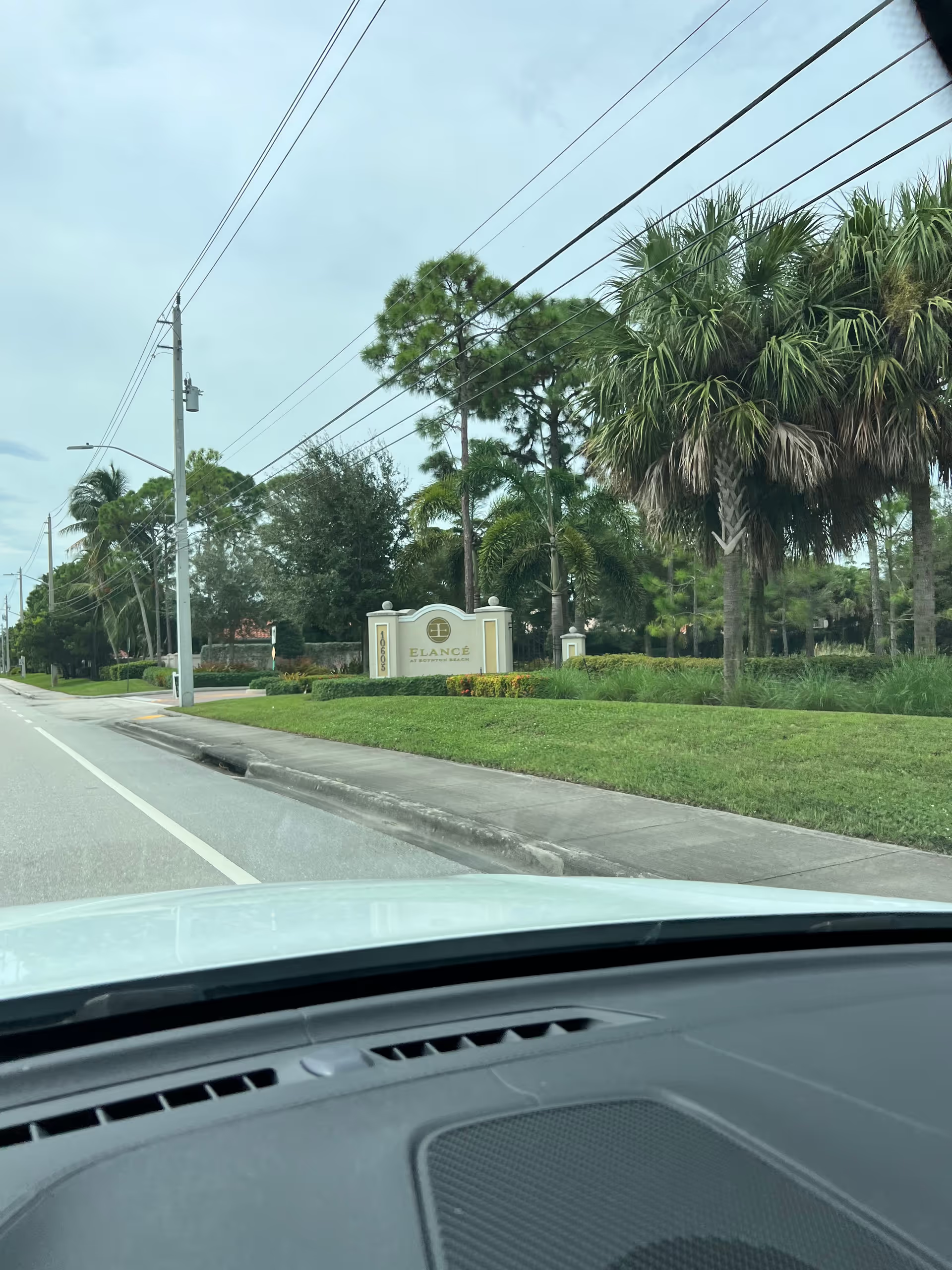
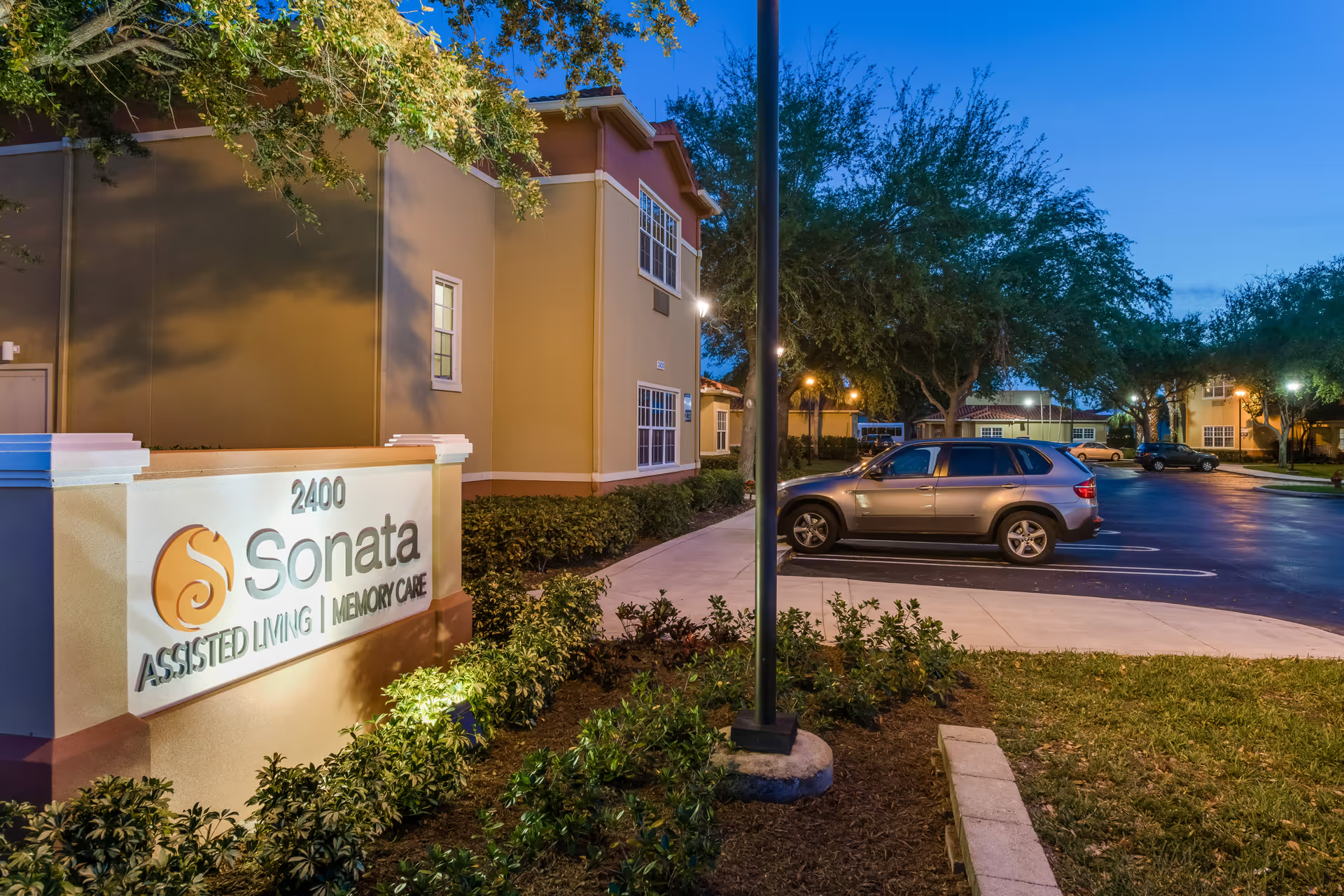
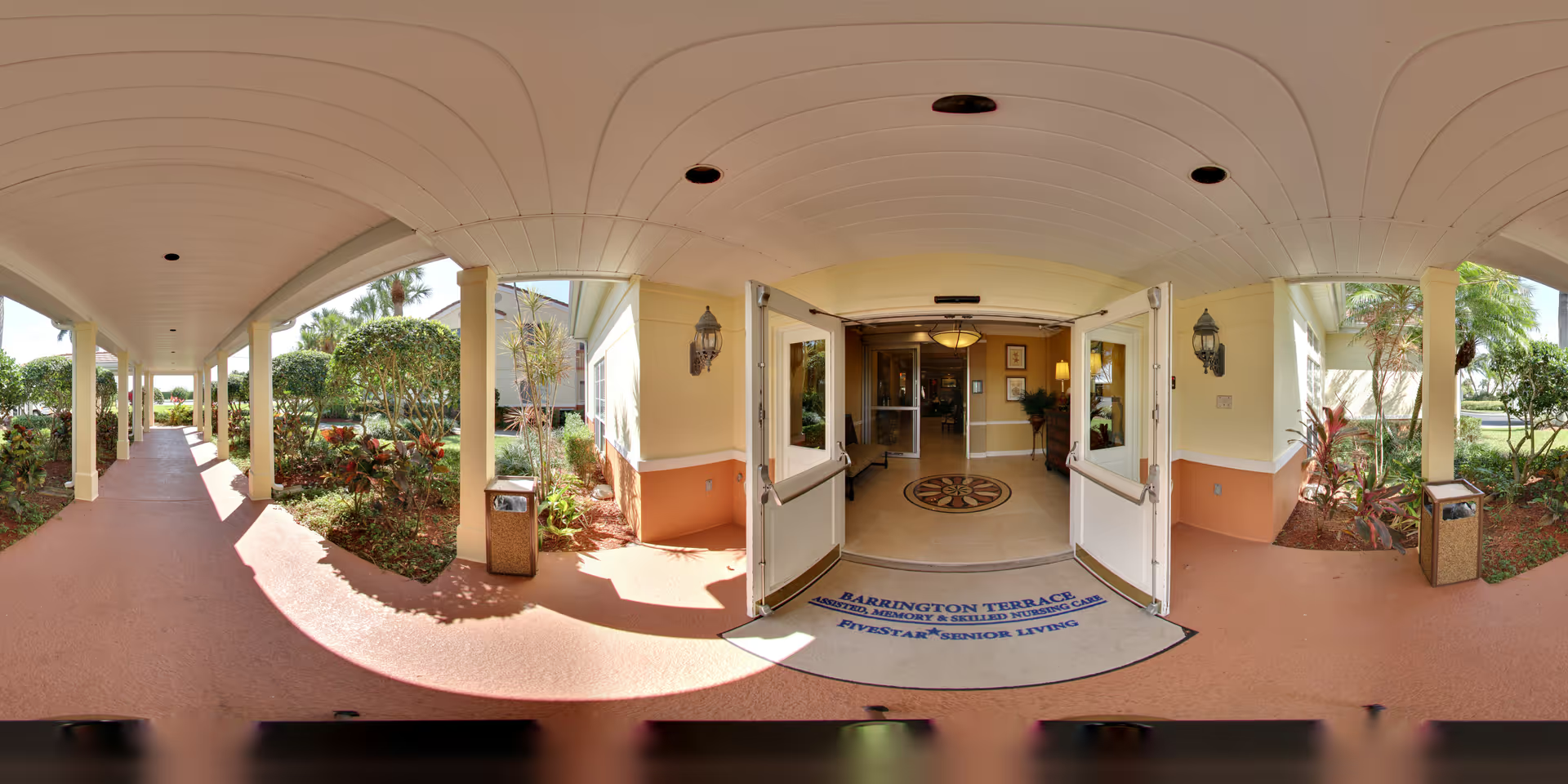
The property is often described as clean, attractive, and well landscaped, with pools, courtyards, and a range of apartment layouts. Renovations have improved some areas, though reviewers also characterize the community as older and identify dated kitchens or bathrooms, limited accessibility in some layouts, and periods when amenities were unavailable during construction. Housekeeping, laundry, maintenance, transportation, and wellness services are appreciated by many, but service consistency is not universal. Comments on cost range from favorable value assessments to concerns about rate increases or services carrying additional charges. Overall, the reviews suggest meaningful strengths in staff relationships, social life, and memory-care experiences, alongside notable variation in service reliability, dining, communication, and operations—particularly across different time periods and management changes. Touring the relevant care area, observing a meal and activities, and clarifying fees and service commitments may help families assess fit.