Overall impression: Reviews present a mixed but broadly positive picture. Strengths center on the quality of direct care, cleanliness, and the social environment; weaknesses cluster around the physical plant, accessibility, administrative systems, and some aspects of resident voice and staff well‑being.
Care and staff: The facility is consistently described as having compassionate, attentive caregivers and 24/7 staffing coverage. Several accounts emphasize long‑tenured employees, individualized health monitoring, and a manager singled out for attentiveness, which supports continuity of care. Volunteer involvement and moments of warm interaction (music, singing, dancing) are repeatedly cited as contributors to resident satisfaction. At the same time, some comments raise concerns about staff conduct and respect for resident dignity, and there are suggestions of low compensation and morale that could affect long‑term reliability and responsiveness.
Dining and activities: Dining is generally portrayed positively — reviewers note family‑style meals, a varied menu, and an orderly dining environment. Entertainment programming (games, karaoke, music, scheduled activities) and transportation to appointments are also strengths. However, there is inconsistency in daily engagement for some residents and specific notes about limited snack availability; this suggests the breadth and consistency of activity and snack/food-service offerings may vary by day or unit.
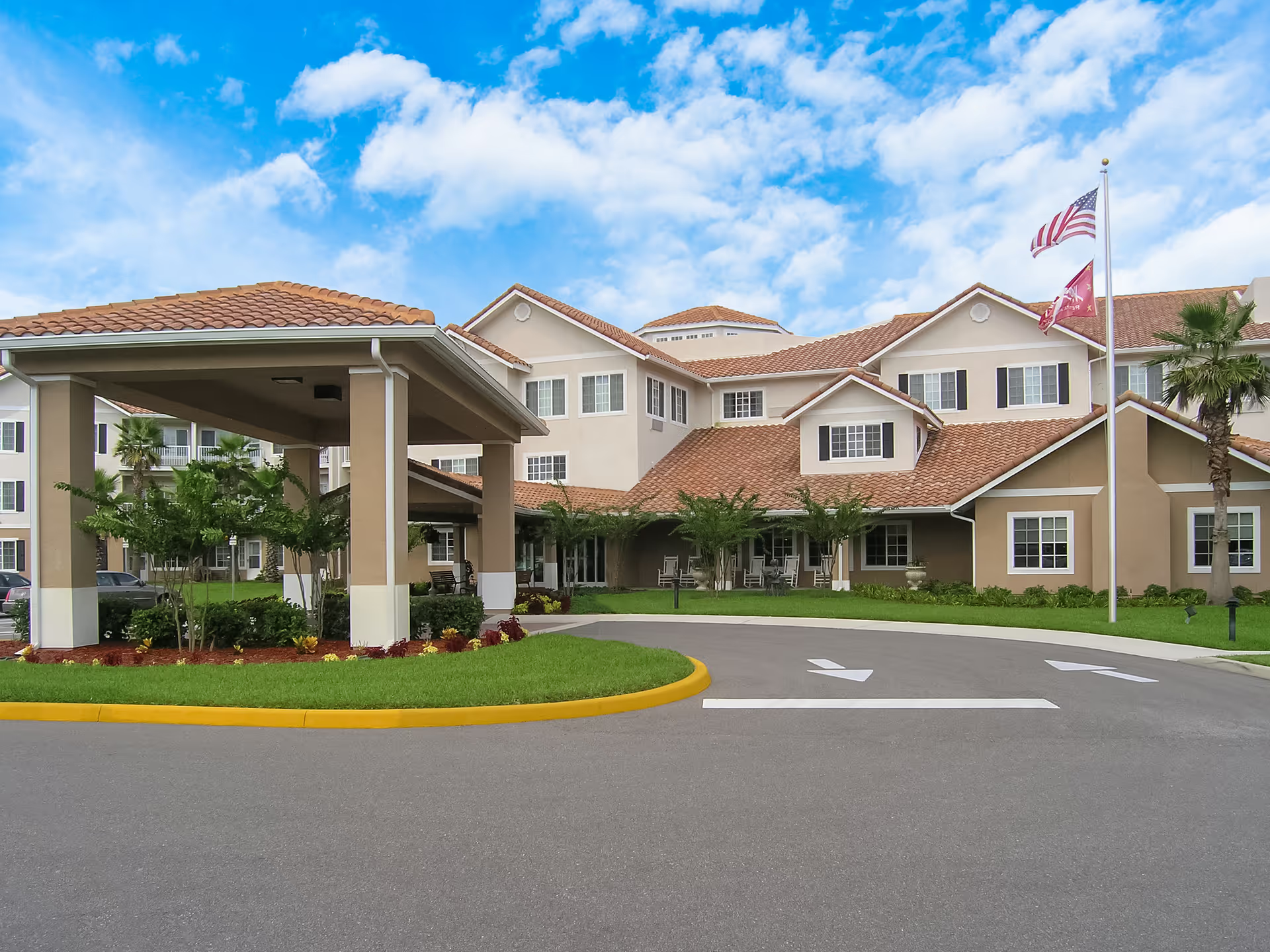
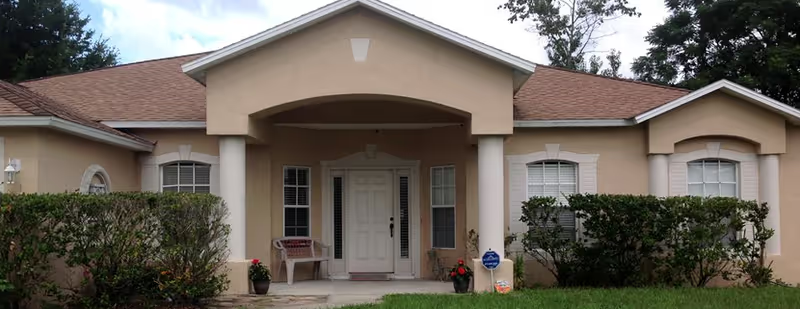
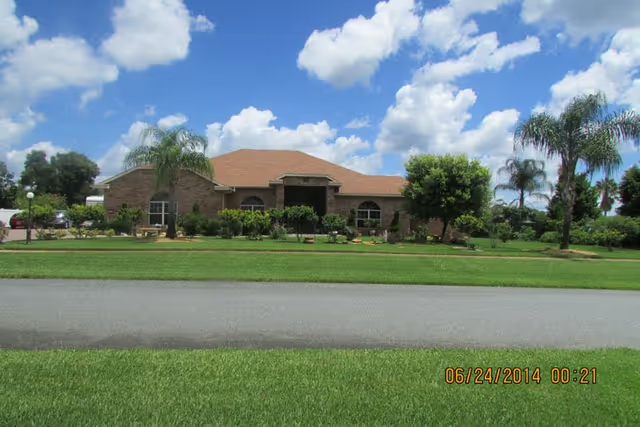
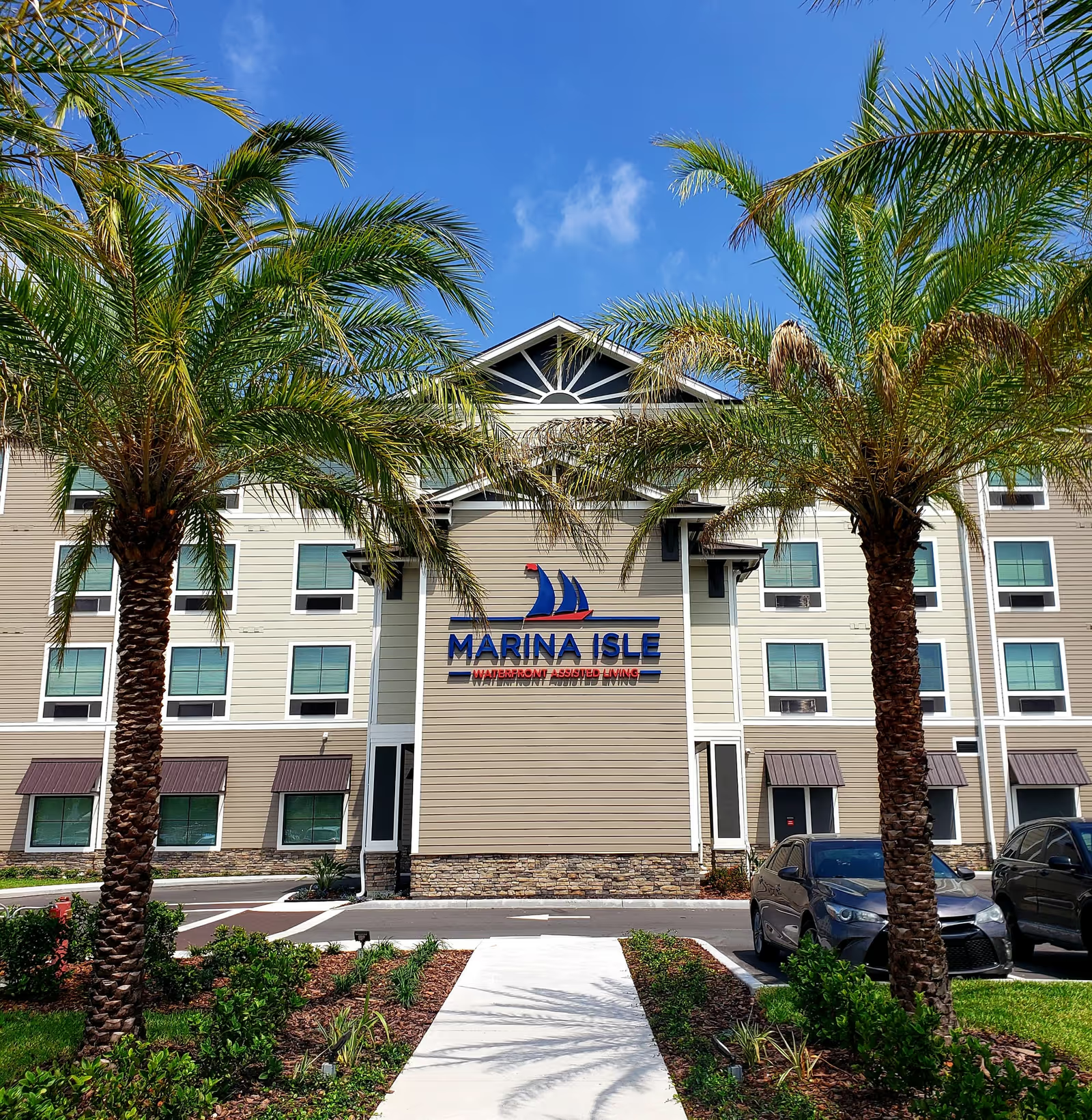
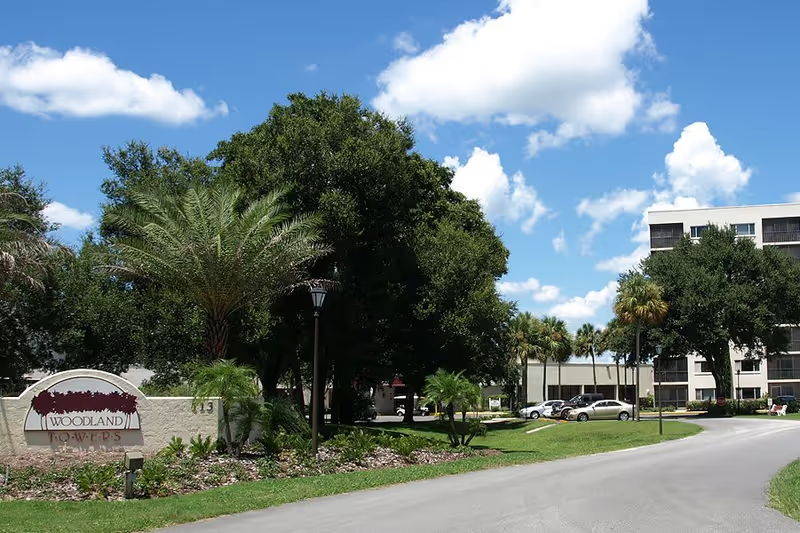
Facilities and accessibility: Cleanliness and facility maintenance are clear strengths: reviewers describe organized, odor‑free interiors and well‑kept grounds, including an outdoor patio, walking paths, and lake views. Conversely, the building itself appears dated in places — rooms are described as small and congested, with shortcomings in ADA compliance and an overall outdated layout. Technology and administrative systems are characterized as aging, which may affect booking, billing, and day‑to‑day operations.
Management, governance, and administration: Management receives praise for attentiveness in some reviews, and logistical supports such as transportation are in place. Notable gaps include a lack of formal resident governance or council meetings and unclear rent/billing processes, which have led to frustration for some families. These administrative and communication gaps, combined with perceived staff morale issues and outdated systems, represent the most actionable areas for improvement.
Patterns and recommendations: The facility’s strongest assets are its caregiving staff, cleanliness, and active social programming when present. Priority improvements would likely be: addressing accessibility and room layout concerns, standardizing daily engagement and snack/meal availability, modernizing administrative and technology systems, clarifying billing and rent procedures, and creating formal resident feedback mechanisms. Attention to staff compensation and recognition could help sustain the positive aspects of care continuity and resident satisfaction already present.