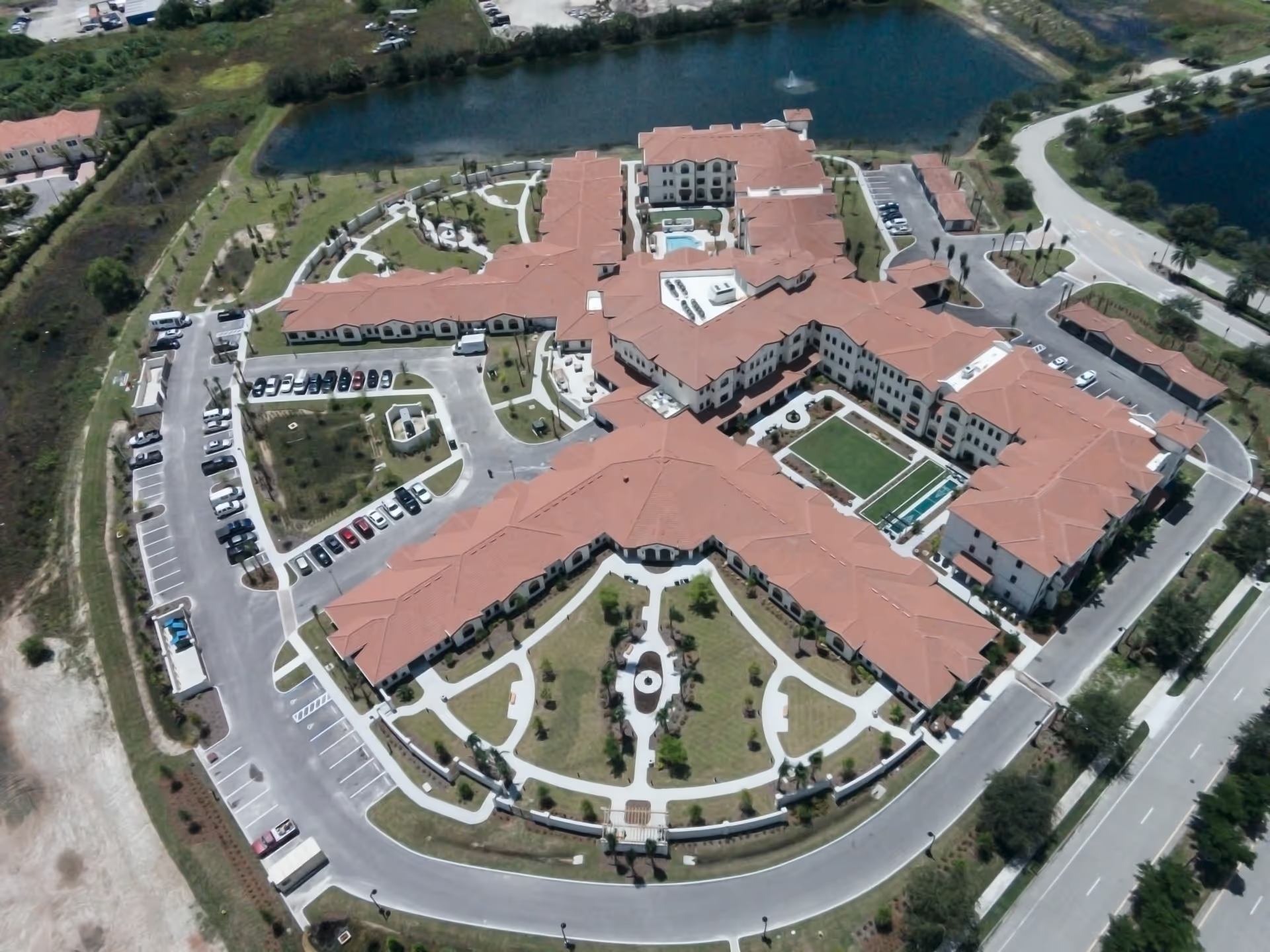
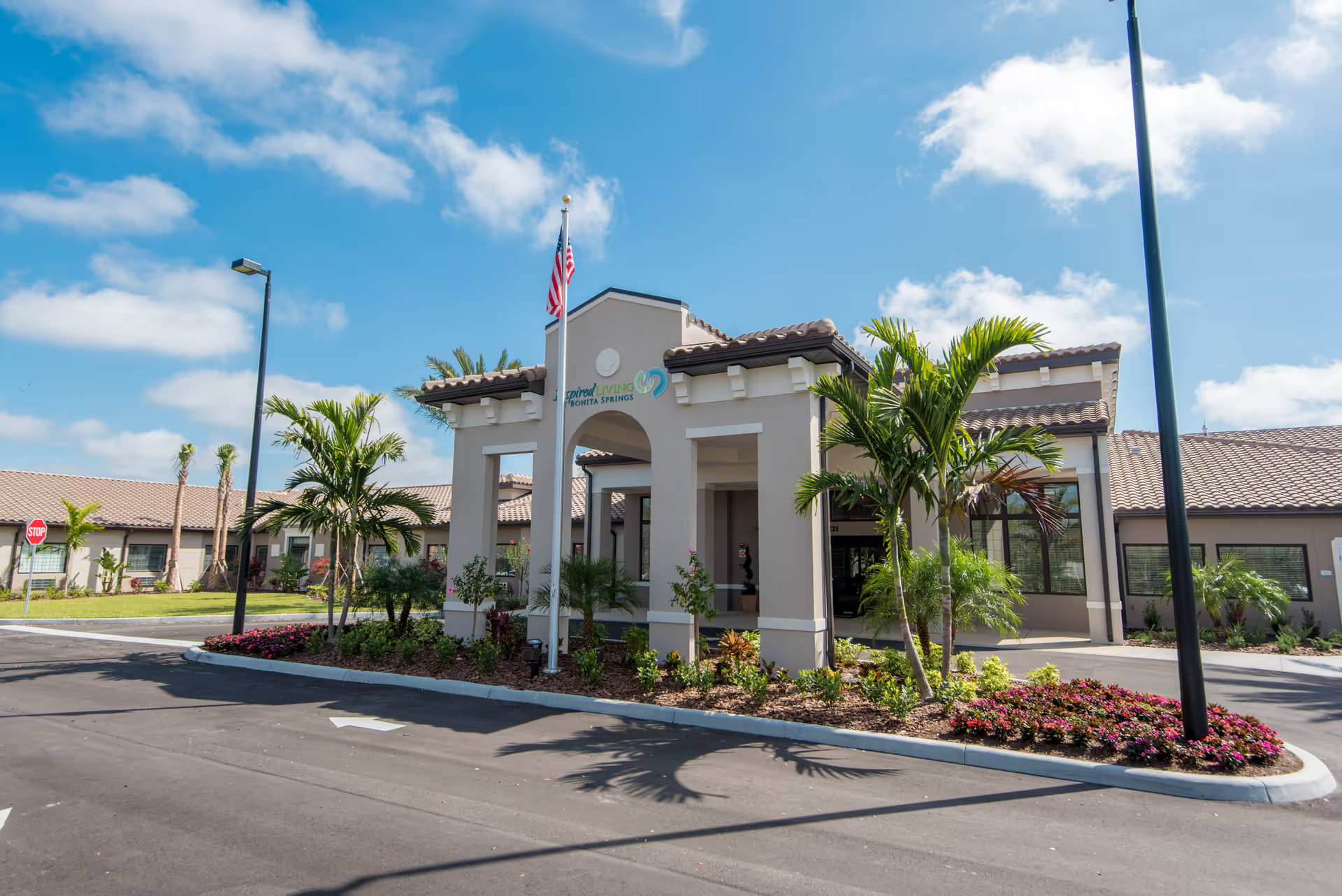
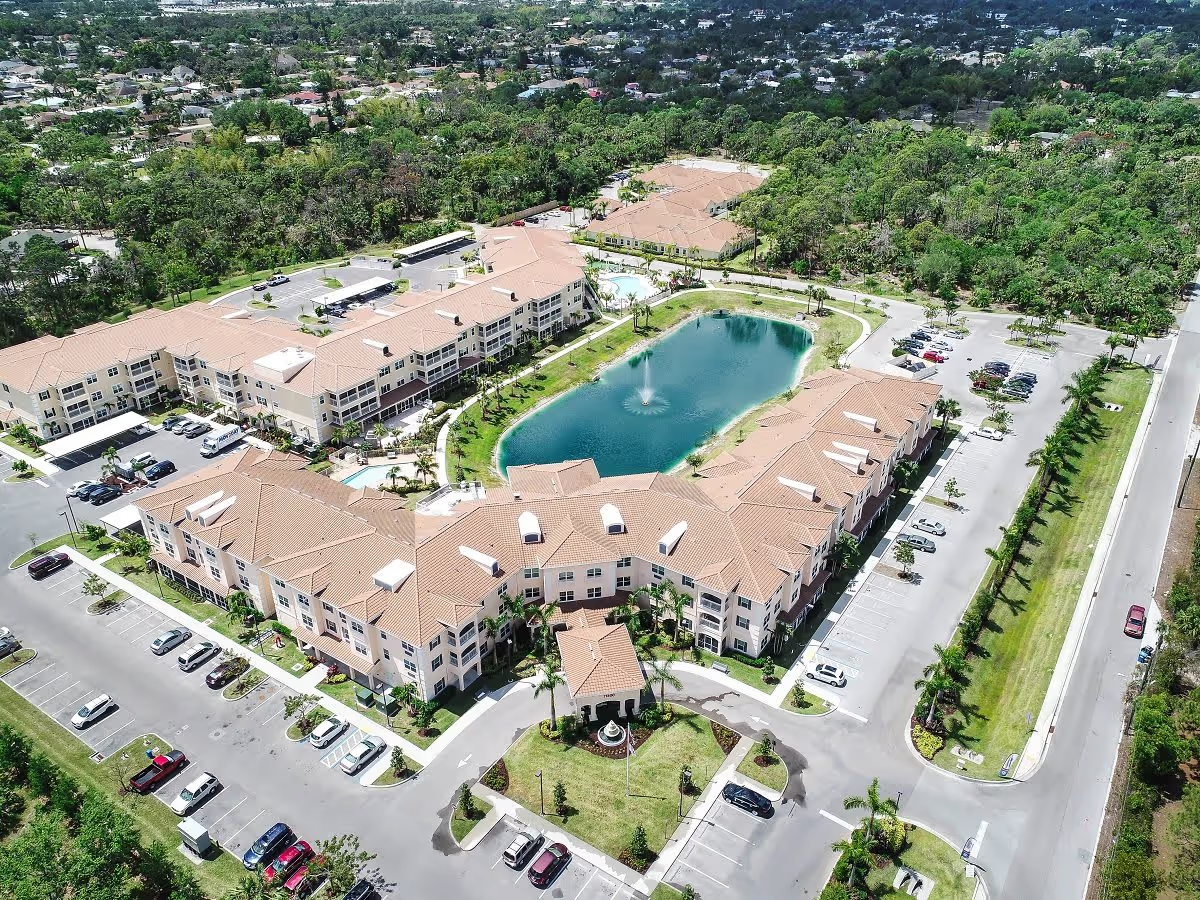
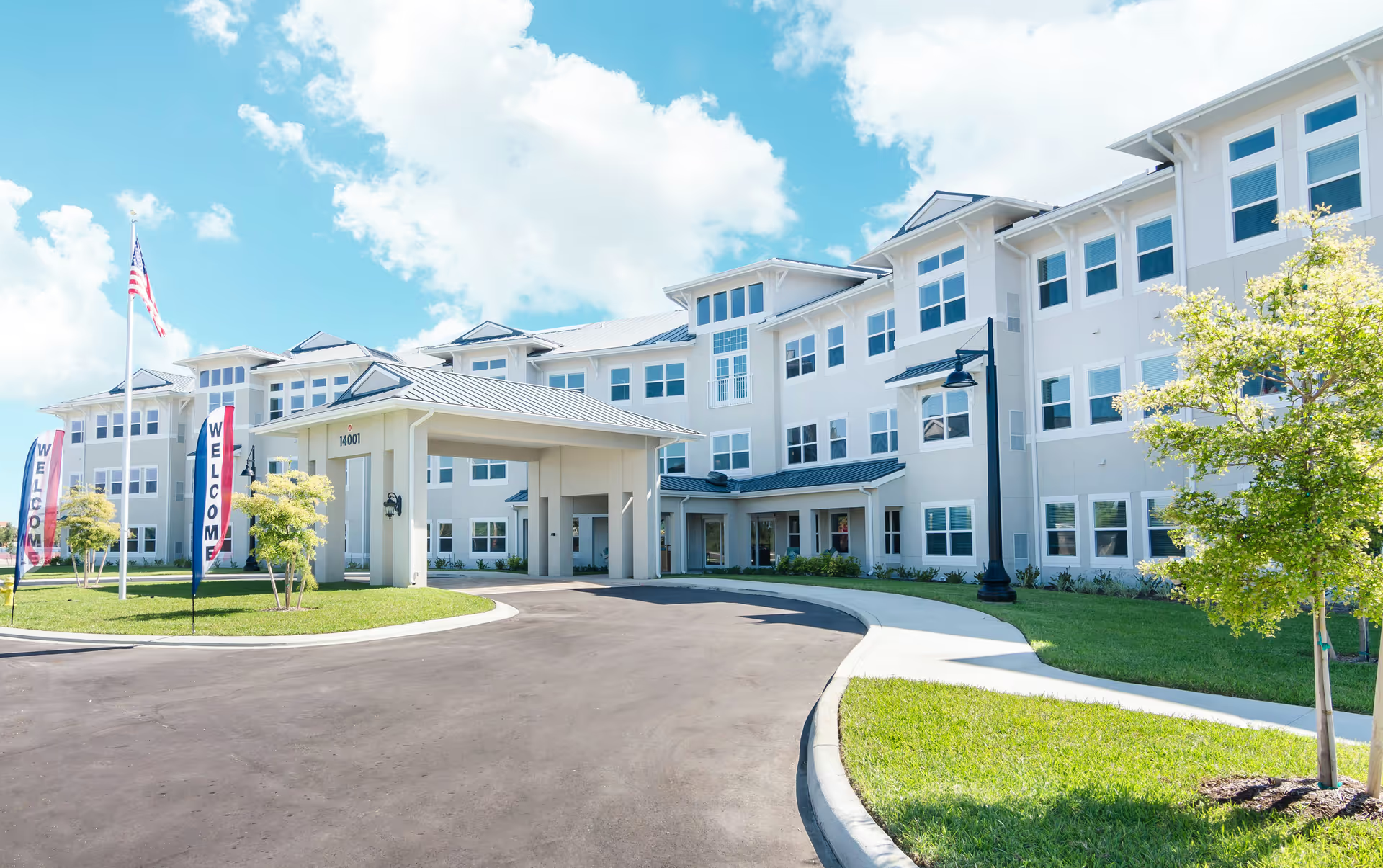
Life Care Center of Estero elicits strongly mixed impressions. Many families and patients praise the facility’s rehabilitation program, on-site therapy services, and positive functional outcomes; physical and occupational therapy staff and rehab equipment are repeatedly described as a core strength. The building and grounds, common areas, and several resident amenities (notably the salon and an on-site ice cream parlor) are frequently characterized as well maintained and pleasant. Numerous reviewers also described kind, attentive clinicians and social-work support who contributed to good recoveries and comfortable stays.
At the same time, a consistent pattern of operational shortcomings appears across reviews. Staffing levels and shift consistency are recurring concerns — night shifts and weekends are singled out more often — and reviewers linked limited staffing to delays in responding to call lights, extended wait times for assistance, and inconsistent personal-care tasks such as bathing and turning. Several families described inadequate feeding assistance for dependent residents and delays in toileting or incontinence-care, which reviewers framed as failures in routine caregiving rather than isolated events. Medication-administration and monitoring weaknesses were also noted, including unattended doses and concerns about documentation and timely clinical follow-up.
Housekeeping, infection-control, and facility-safety issues are another area of divergence. While many reviewers found public spaces and rooms clean and well cared-for, others reported inconsistent housekeeping, odor concerns, pest-control concerns in resident and dining areas, and lapses in environmental maintenance. Safety-practice gaps were described in relation to availability of oxygen and assistive equipment, unlocked mobility aids, and transfer/positioning practices. A small number of reviewers described serious incidents that prompted adult protective services involvement and consideration of legal action; such accounts appear to be exceptional but are significant and indicate the potential for severe clinical and communication breakdowns.
Dining and food service drew mixed feedback as well. Several families appreciated varied menu options and recovery-friendly meals, while others reported cold meals, slow service, and unmet special-diet or feeding needs. Administrative issues were also cited: confusion about billing, upfront payment and refund timelines, unclear Medicare/coverage explanations, and variable responsiveness from leadership and discharge staff. Reviewers noted a wide range in management responsiveness — some praised an engaged executive director and nursing leadership, while others experienced unreturned calls and unsatisfactory follow-up after incidents.
Overall, the facility shows clear strengths in rehabilitation services, therapy outcomes, on-site amenities, and in many instances clinical compassion. However, the pattern of concerns around staffing consistency, response times, basic personal-care practices, medication oversight, sanitation/pest-control, and family communication suggests operational variability that can materially affect individual experiences. Prospective residents and families are advised to assess current staffing patterns (especially nights/weekends), observe feeding and personal-care routines, review incident-reporting and medication-safety procedures, and obtain clear, written explanations of billing, refund, and discharge practices before making placement decisions.