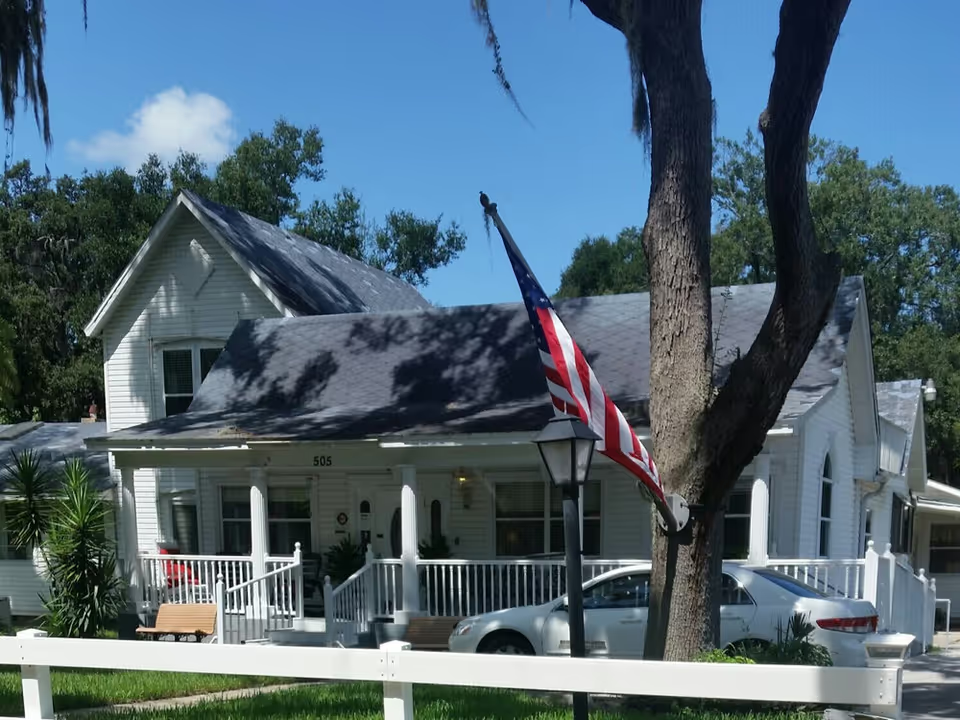
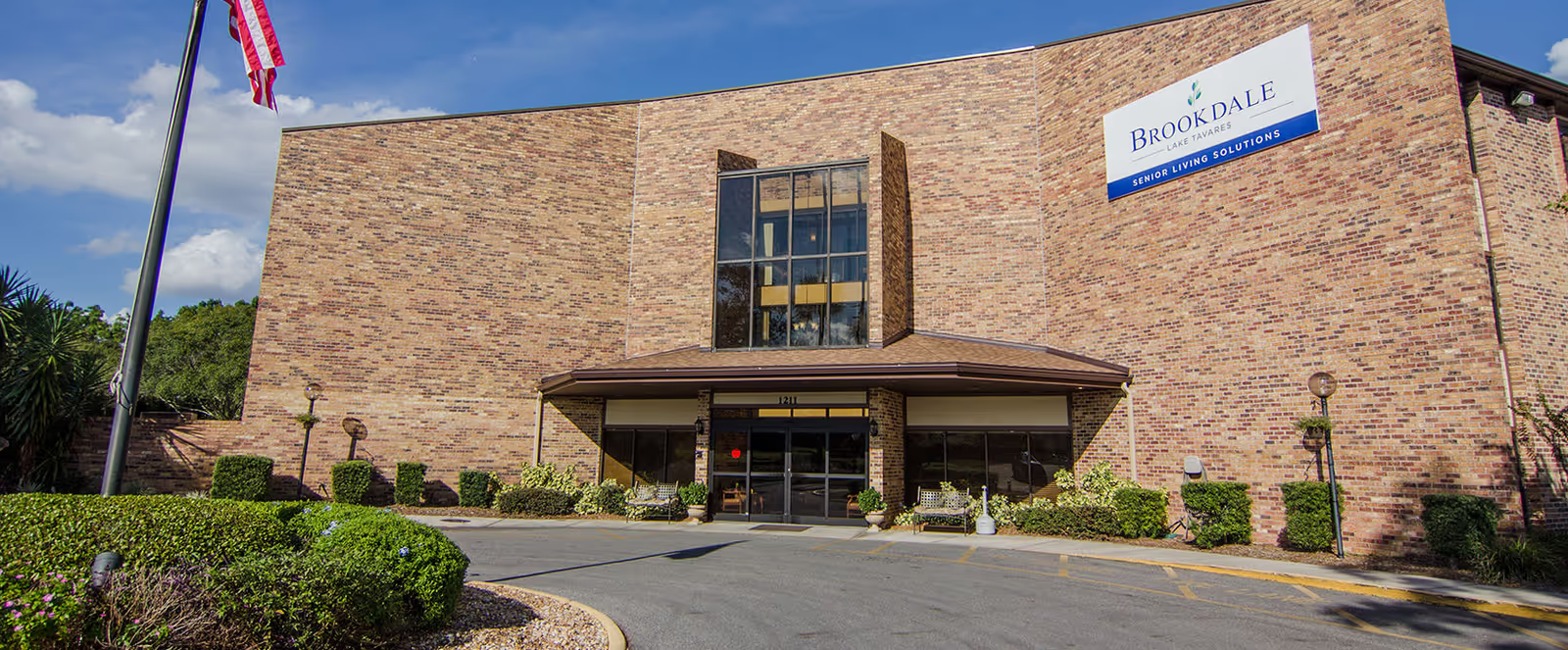
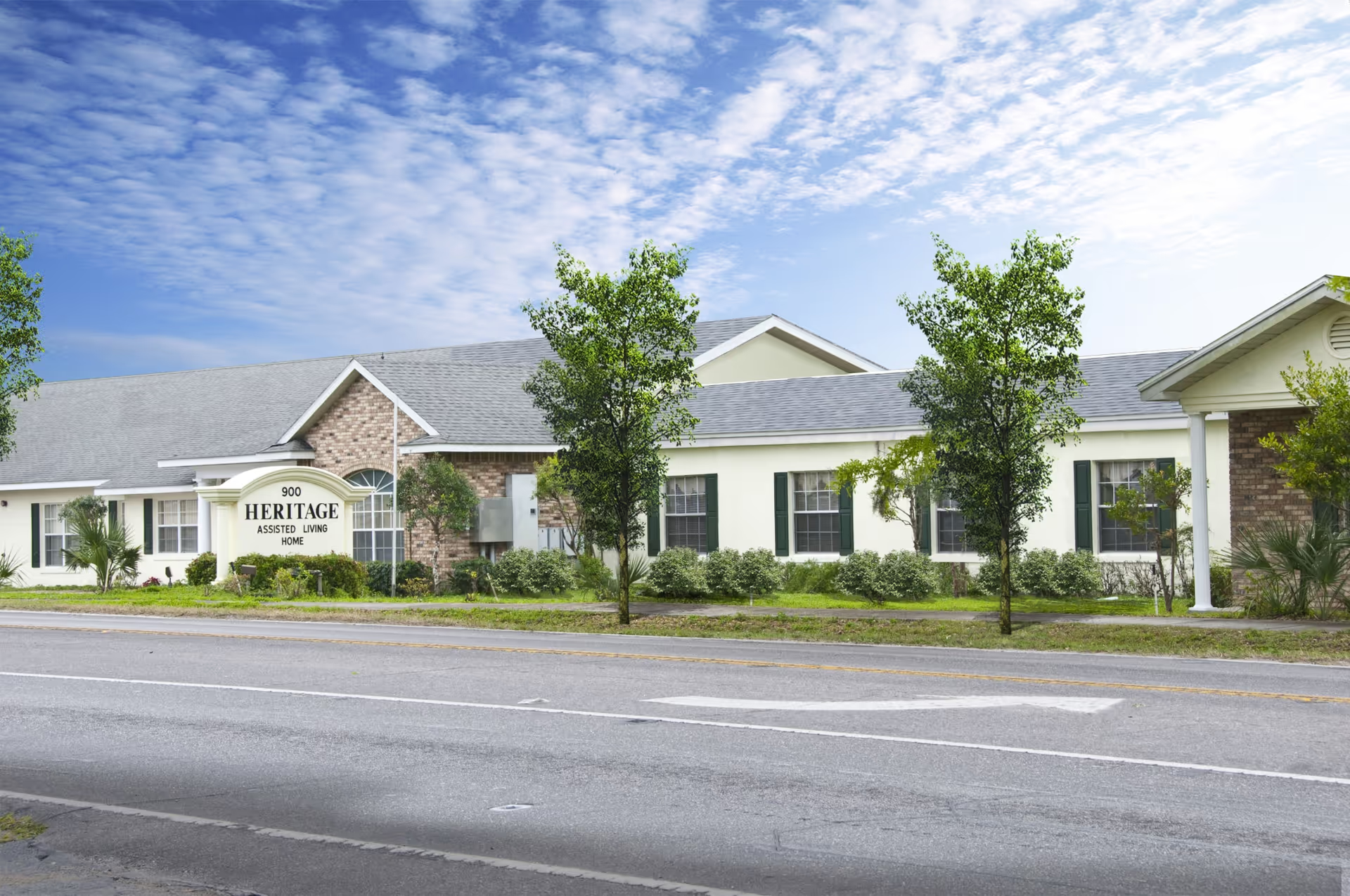
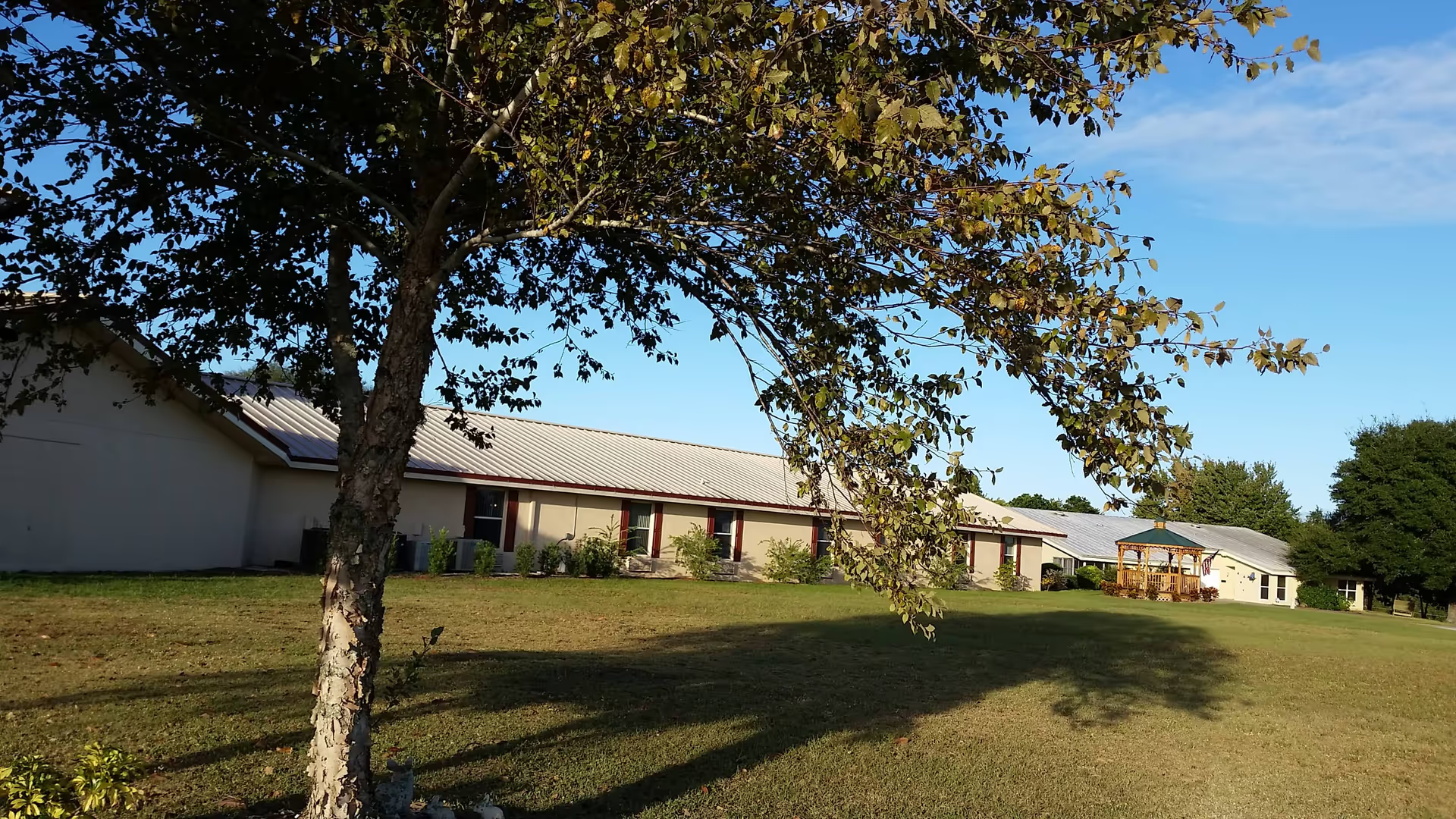
Feedback reflects a mixed picture in which interpersonal care and management practices are often praised while the physical plant and operational systems generate recurrent concerns. Many comments highlight compassionate, attentive caregivers and managers who communicate clearly during transitions such as hospice; individual staff members are repeatedly described as going above and beyond. Families also note the facility accepts long-term residents and that financial-assistance options are available, and several remarks point to a warm, family-like atmosphere that residents appreciate.
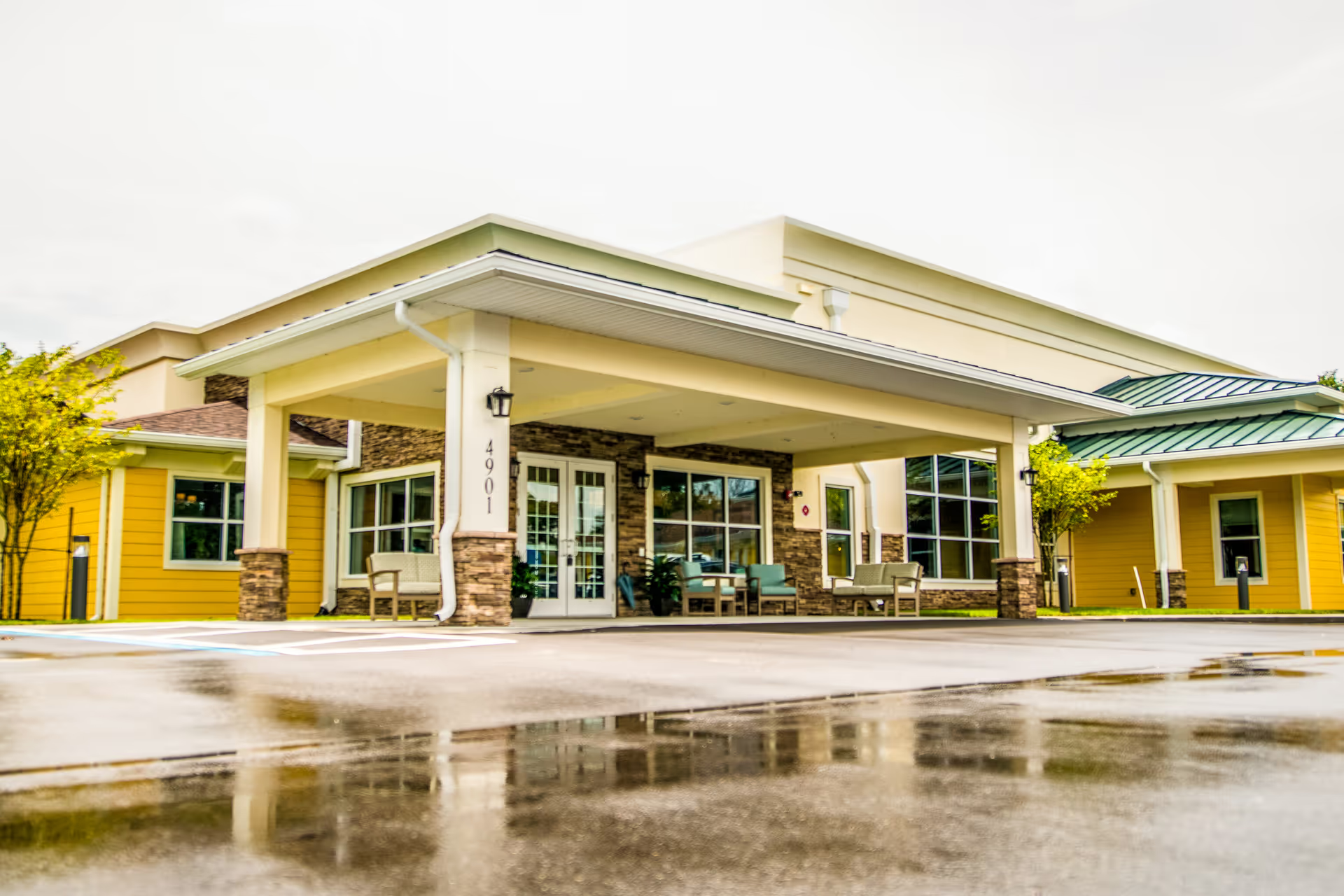
At the same time, operational and infrastructure weaknesses are prominent. The building is described as aging with ongoing upgrades, and reviewers describe shortcomings in interior and exterior maintenance. Plumbing reliability and sanitation concerns were raised, along with repeated washer/dryer failures. Climate control is inconsistent across the facility, with notable outages or unreliable heating and air-conditioning in parts of the building.
Dining impressions are mixed: kitchen staff are characterized as hardworking, but the quality and variety of meals are seen as inconsistent, with particular dissatisfaction expressed about evening meals and a perception of minimal meal offerings at times. Activity programming and resident engagement are limited according to feedback; there is little evidence of regular outings, and the absence of onsite transportation and in-room entertainment (for example, cable access) reduces options for resident engagement.
Staffing patterns present another operational risk. Several comments reference high staff turnover and weekly staffing changes, which contribute to inconsistent service and raise concerns about gaps in training and certain clinical skills. While management and some staff are praised for their responsiveness and compassion, staffing instability appears to affect continuity of care and daily operations.
New ownership and active upgrades are noted as positive developments, and management communication during end-of-life transitions is a strength. Prospective residents and families should weigh the strong interpersonal care and recent management attention against ongoing infrastructure and programmatic issues. Practical questions to ask on a tour include the timeline for planned renovations, current staffing ratios and turnover trends, specifics about meal planning and dietary accommodations, laundry and maintenance response protocols, activity schedules and transportation availability, and measures taken to address sanitation and plumbing reliability.