Lake Ridge Village presents as a budget-oriented independent-living community with a strong emphasis on social engagement and basic residential services. Many reviewers praise the community feel, the friendliness and attentiveness of direct-care and dining staff, the availability of three meals a day served in a restaurant-style dining room, and a broad activity calendar that includes music, bingo, crafts and outings. Apartments are frequently described as roomy for the price and many units include screened porches; transportation to medical appointments and shopping is a commonly cited convenience.
Staff and care: Direct-staff interactions are a clear strength in numerous accounts—employees, managers and long-serving caregivers are often described as personable and helpful. The site maintains on-site management and life‑safety pendant systems, and there are routine nurse visits or medication reminders in some cases. At the same time, the community operates primarily as independent living with optional care services; reviewers raise consistent concerns about limited clinical staffing and uneven emergency coverage. Several accounts point to delayed responses in urgent situations and a gap between expectations for long‑term medical oversight and the independent-living model offered.
Dining and housekeeping: Dining receives mixed but generally positive commentary. Many residents and families applaud a skilled dining team and restaurant-like service; others describe recent declines tied to kitchen turnover and inconsistent meal quality or seasoning levels. Housekeeping of public areas and routine apartment cleaning is often satisfactory, but there are frequent notes about inconsistent follow-through for in-unit housekeeping and slow or delayed responses to maintenance requests.
Activities and community life: The activity program is a clear asset for socially engaged residents—scheduled entertainers, music, games, and organized outings are common and contribute to reports of residents adjusting well and forming friendships. The community atmosphere and communal dining are often described as promoting socialization and a home-like feeling. That said, the campus layout and building footprint create long walking distances for some residents and certain external stairs or steps can present accessibility challenges for individuals with reduced mobility.
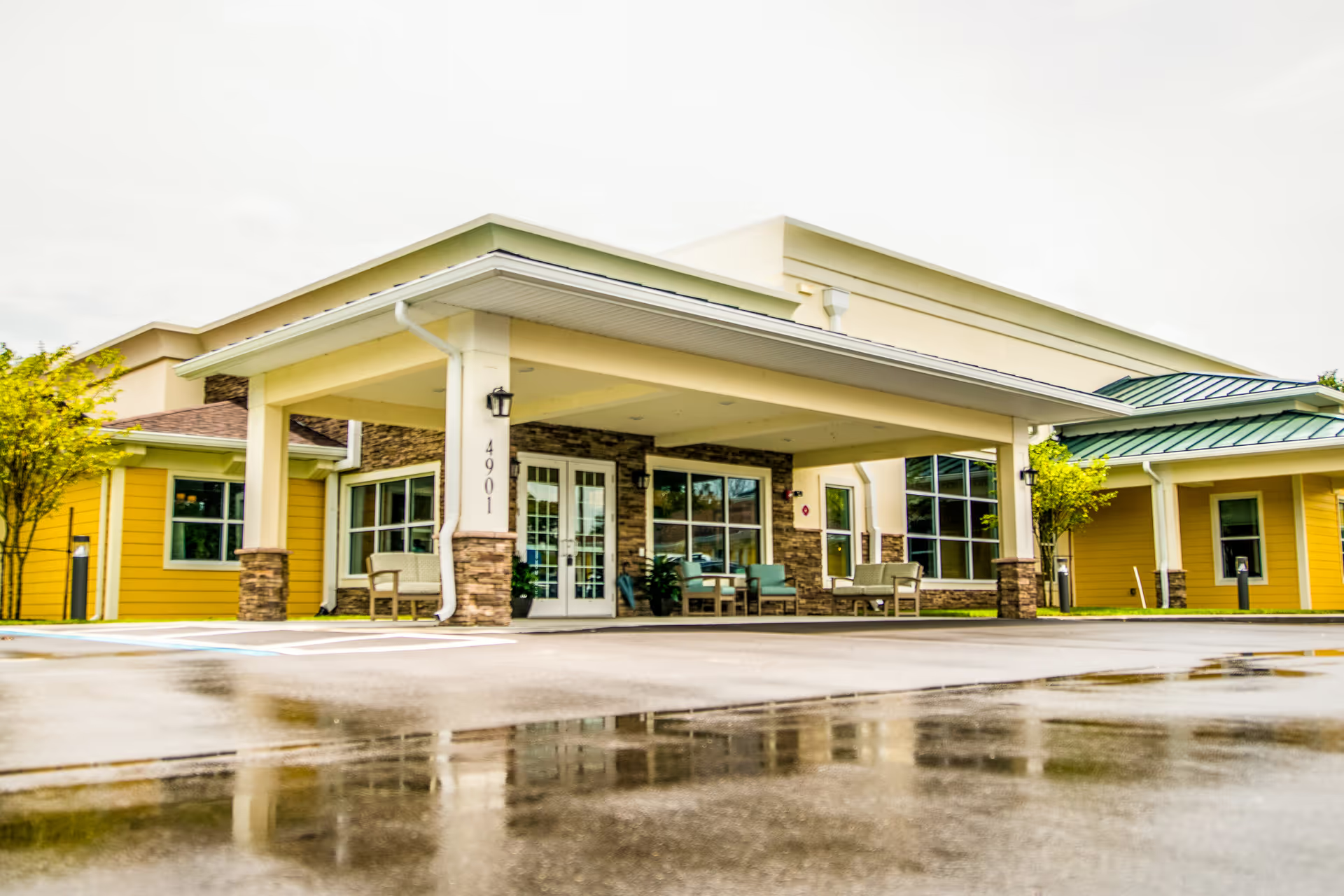
Facilities and operations: A recurring theme is the facility’s age. Many reviewers call out visible deferred maintenance: worn carpets, dated finishes, water-damage repairs, and an overall need for renovation in parts of the property. Related operational concerns include sanitation and odor issues in some areas, pest-control problems, and questions about moisture-control and mold remediation processes. Maintenance responsiveness and the pace of capital improvements are described as inconsistent, with corporate approval processes sometimes slowing repairs or upgrades.
Management and business practices: Management quality appears variable across time and leadership changes. Several reviews praise individual managers and front-line staff, while others cite declines in responsiveness after move-in, inconsistent staff conduct or communication tone, and instances of aggressive or unclear sales and contract practices. Paperwork and onboarding processes are another area of friction—families report pressure during move-in, gaps in resident introductions, and occasional discrepancies between promised and delivered services.
Overall pattern and considerations for prospective families: The predominant pattern is of a community that delivers strong social programming, friendly direct-care staff and good value for independent-living residents, while simultaneously struggling with an aging physical plant, inconsistent maintenance and periodic operational lapses. Prospective residents and families should clarify expectations about clinical and emergency coverage, ask for details on recent or planned renovations, review contract terms and refund/exit language, and inquire about maintenance response times and pest/moisture remediation protocols. Observing meal service and common-area cleanliness during a visit, meeting the dining team, and speaking with current residents can help balance the facility’s social strengths against the operational and facility-level weaknesses described above.