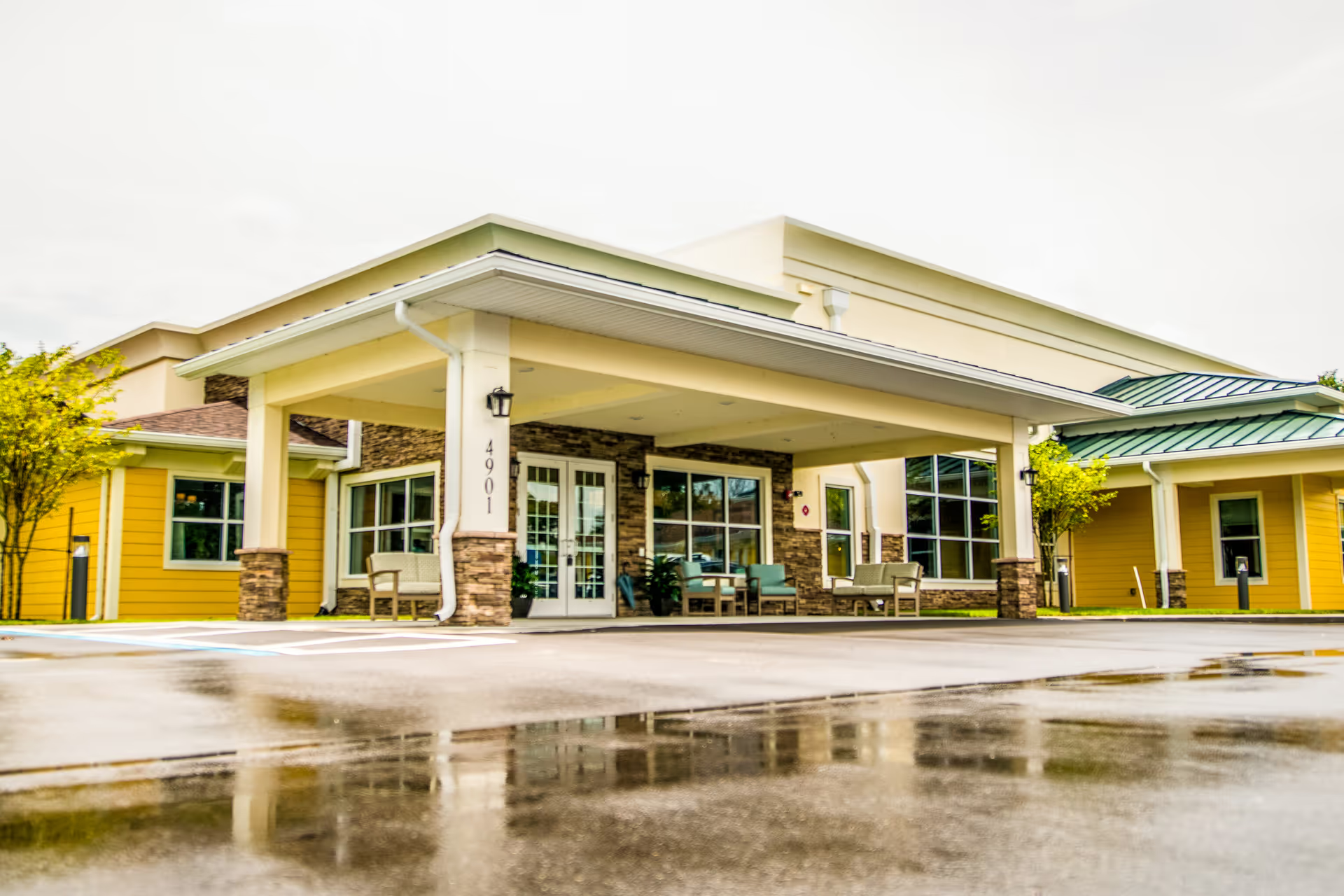
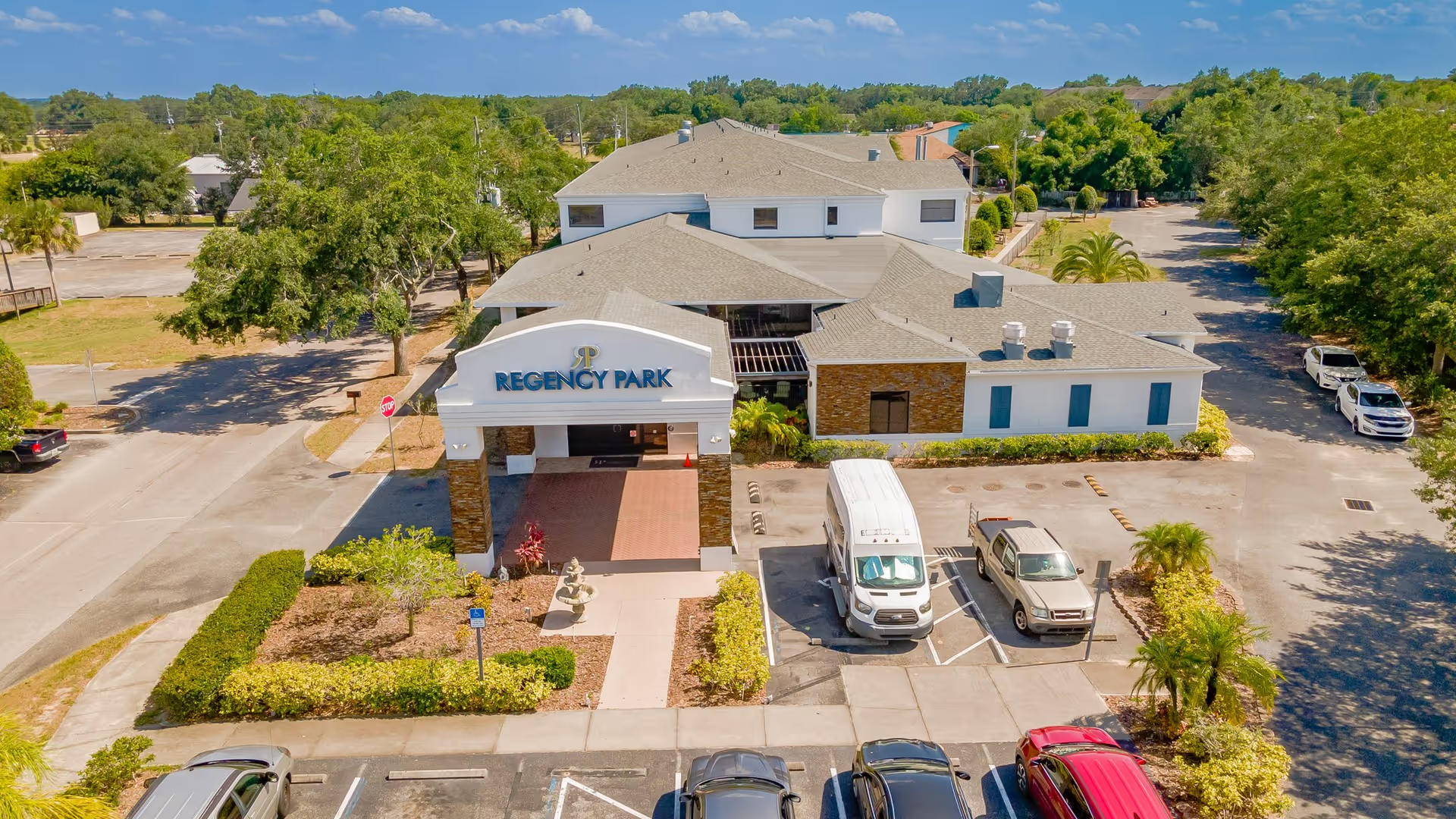
Overall impression: Reviews present a predominantly positive view of daily life at Ruleme Center, with repeated praise for the staff’s compassion, on-site nursing coverage, and a strong rehabilitation program. Many families and residents describe a clean, well-kept building, useful amenities such as laundry and in‑room cable, accessible outdoor spaces, and structured activities that support social engagement and cognitive needs (including dementia/Alzheimer’s services). Several reviewers highlight long-tenured employees and social-work support that facilitate discharge planning and hospice coordination.
Care quality and clinical concerns: The facility receives strong commendation for therapy and restorative services; multiple accounts emphasize timely occupational and physical therapy, a well-equipped rehab department, and therapy staff who contribute meaningfully to recovery. Concurrently, there are substantive concerns about consistency of clinical care. Reports indicate uneven medication management, instances that suggest gaps in wound and pressure‑injury prevention, and delays in attending to incontinence‑related needs. These patterns point to variability in clinical processes and monitoring rather than a uniformly poor standard; prospective families should ask about staffing ratios, wound‑care protocols, and medication‑administration procedures during a tour.
Staffing, training and communication: Staff are frequently described as friendly, helpful, and willing to go above and beyond — examples include attentive CNAs, proactive admissions personnel, and social workers who assist with benefits and family coordination. However, other accounts describe lapses in staff conduct, training deficits, and inconsistent responsiveness. This mixed picture suggests variability between units or shifts: while many staff are professional and communicative, there appear to be pockets where training, supervision, and accountability could be strengthened. Communication with families is often praised (including hospice coordination and timely notifications), yet intermittent lapses in follow‑up and accountability are also noted.
Dining and food services: The dining experience is polarizing. Some reviewers praise special meals and desserts and are satisfied with the dining setup; others describe inconsistent meal quality and concerns about food preparation and responsiveness from the food-service management. This indicates operational variability in kitchen oversight and meal execution that visitors should evaluate by observing meals during a visit.
Activities and environment: Activity programming receives frequent positive mention — staff-led events, helpful activities coordinators, and pet/therapy‑dog visits contribute to a lively environment. The facility’s common areas and outdoor spaces are viewed favorably, and daily housekeeping (beds made, rooms cleaned) is often reported. Some residents find rooms visually drab, so personalizing spaces may be necessary to improve comfort.
Management and operational patterns: Management is credited in many cases for responsiveness and inclusion of families, and several reviewers note a positive workplace culture among long-tenured employees. Nevertheless, recurring operational issues appear around accountability, property handling, and incident follow‑up. Claims of missing belongings and disorganization suggest the need for clearer inventory and property procedures. Prospective residents should ask management about property policies, incident reporting, and family communication protocols.
Notable patterns and recommendation guidance: The reviews form a mixed but actionable picture—strong rehabilitation services, engaged activities staff, and many compassionate caregivers are consistent strengths. At the same time, inconsistent clinical practices (wound care, medication oversight), variable food-service quality, and sporadic communication/accountability issues are recurring concerns. Families considering Ruleme Center should tour during a mealtime and an activity, request details on wound‑prevention and medication protocols, ask about staffing levels by shift, and review recent state inspection and incident logs. Those steps will help clarify whether the facility’s strengths align with the prospective resident’s care needs and priorities.