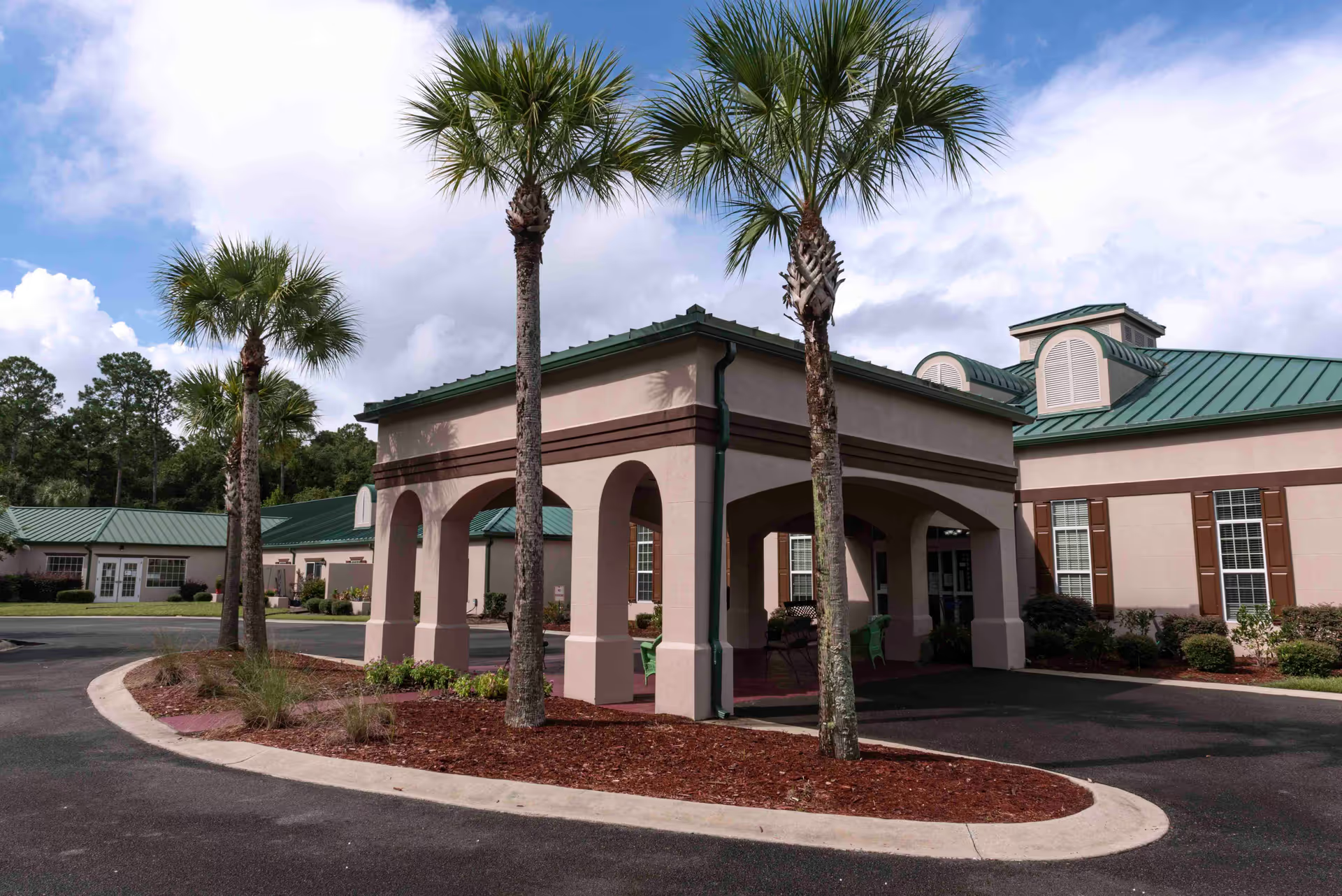
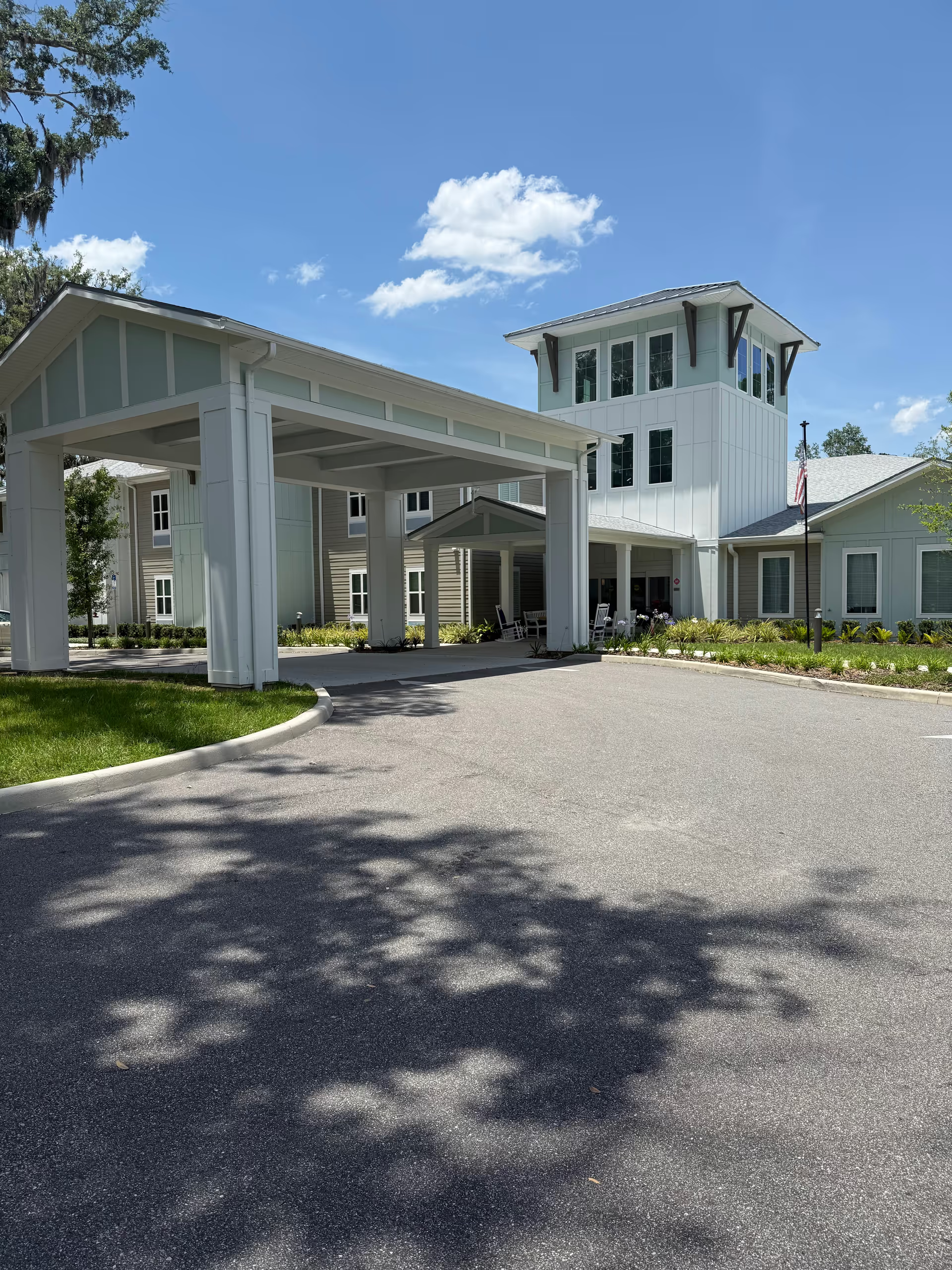
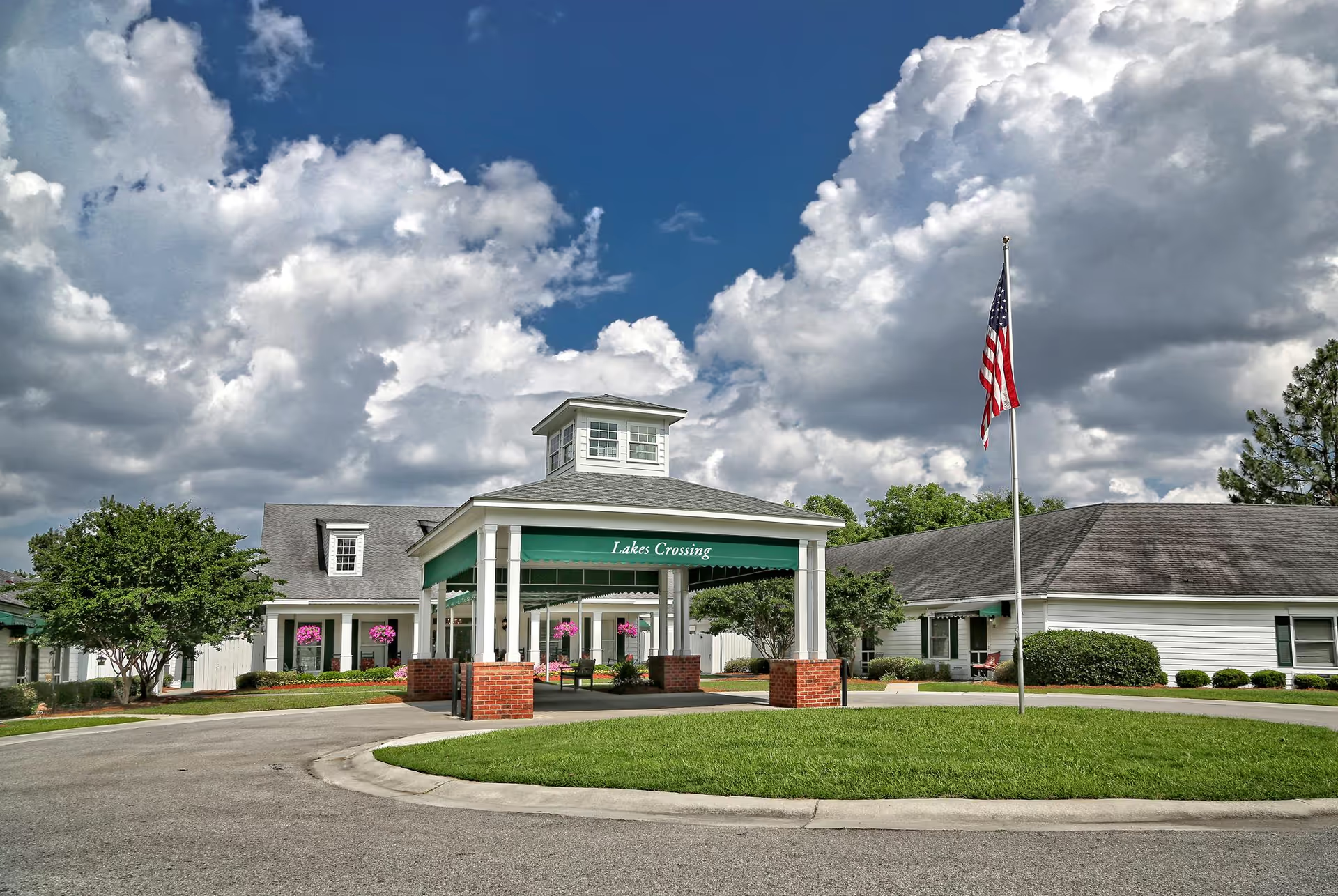
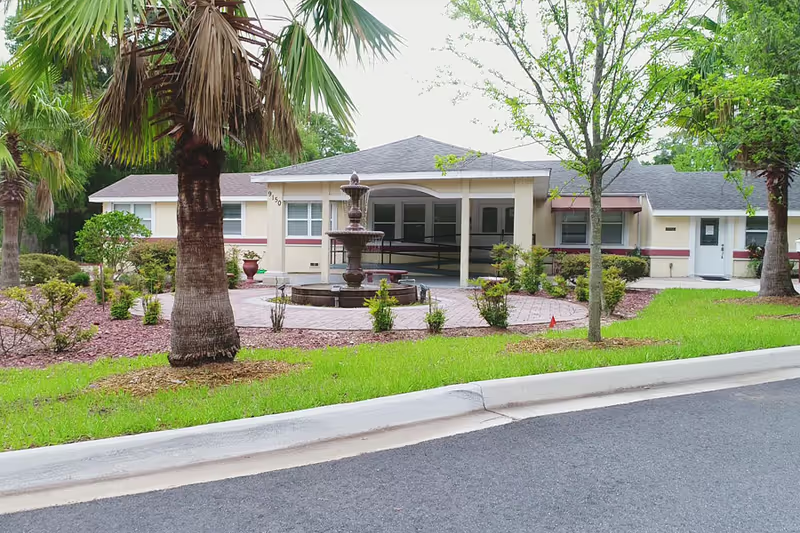
Fernandina Beach Rehab and Nursing Center elicits a strongly mixed response. Many families and residents commend the facility’s rehabilitation program, front-line caregivers and several administrative staff: therapy services are frequently described as skilled and effective, with named leaders and therapists praised for supervision, instruction and measurable progress. Nursing assistants and nurses are often characterized as compassionate and professional, and multiple accounts highlight prompt call-button responses, helpful social services, a secure and efficient visitor check-in, and on-site amenities such as a salon, activity center and community programming that contribute to resident engagement.
Care quality appears variable across the facility. A consistent pattern in the feedback is uneven performance between shifts and units: daytime staffing and responsiveness are generally viewed more positively than after-hours care. Operational themes include staffing shortages, inconsistent medication and treatment follow-through, and delays in attending to some resident needs. Clinical concerns raised include wound-care and pressure-injury management gaps and incontinence-care delays; some reviewers also described transfers to higher-acuity care without clear communication. These items suggest opportunities to strengthen clinical oversight, staffing reliability and family communication pathways.
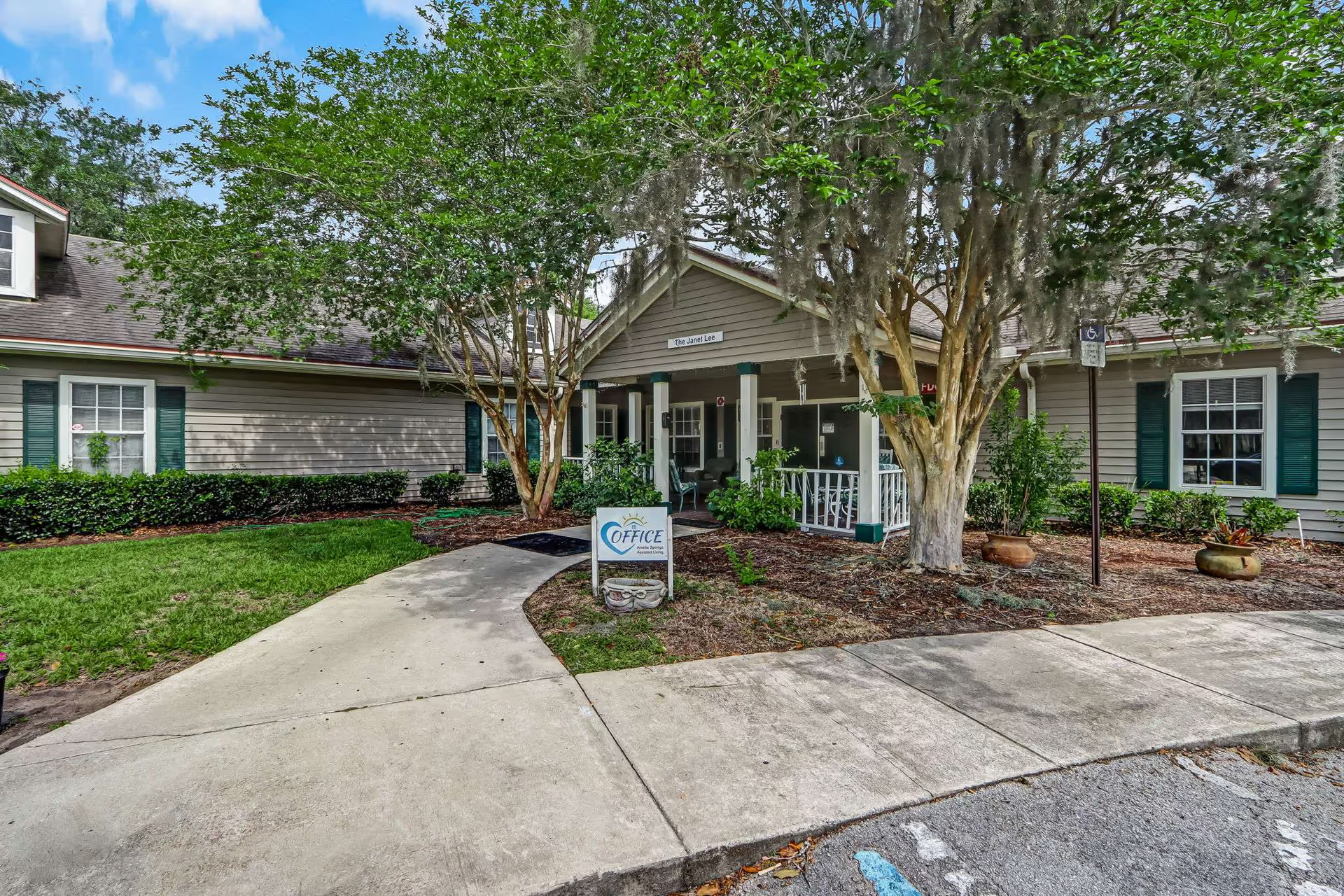
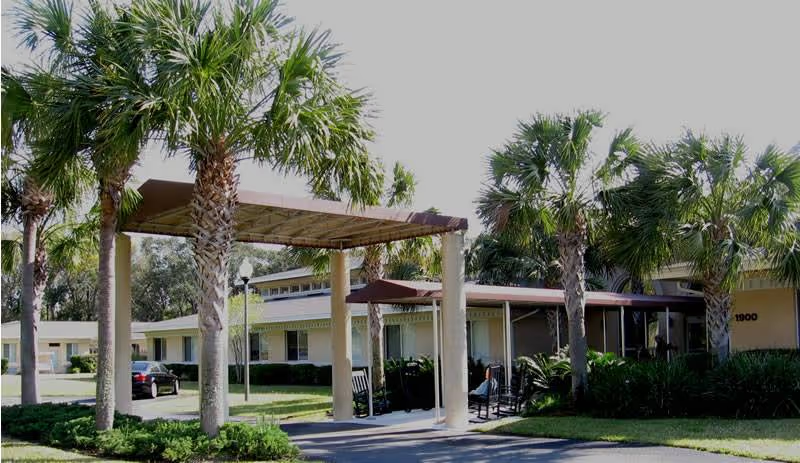
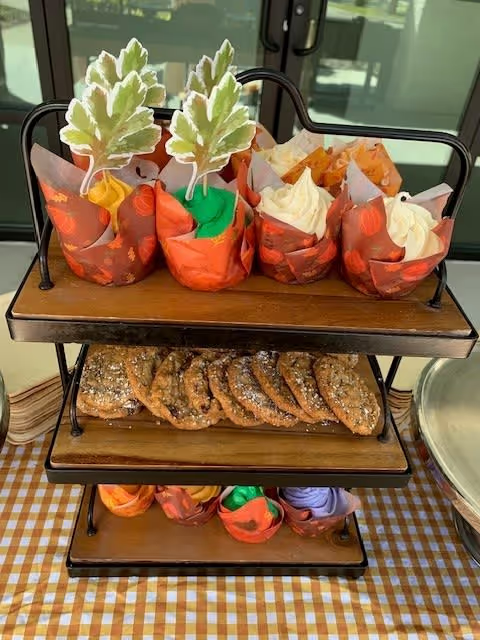
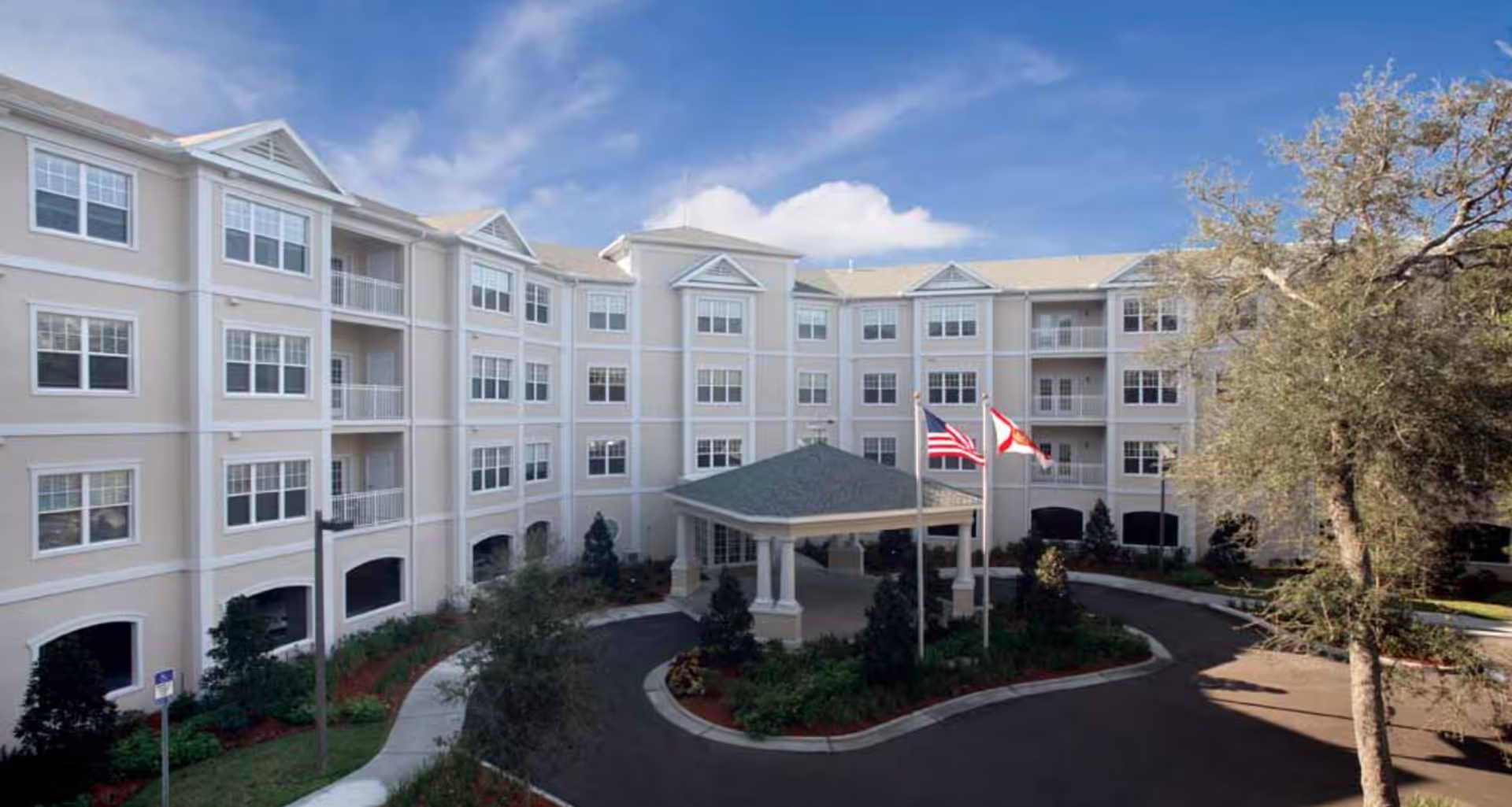
Dining and activities receive mixed marks. Several reviewers praise the meals, dietary accommodations and attentive dietary staff, while others describe inconsistent food temperature and quality. The facility’s activity program, volunteer involvement, live music and social offerings are viewed as assets that support resident well-being. Physical spaces are often described as clean and inviting, with spacious resident rooms and cable TV; at the same time, the building shows signs of age and ongoing renovation needs, and reviewers noted parking limitations and intermittent odor and pest-control concerns in some areas.
Management and communication show divergence in experiences. Some families cite responsive administrators who resolve billing and care-plan issues, conduct productive care meetings and facilitate smooth admissions and discharges. Conversely, other accounts describe poor communication, delayed follow-up, uneven complaint handling and limited family notification for incidents. Infection-control and environmental maintenance were also flagged in a subset of reports; given the potential clinical implications, these items warrant direct inquiry and verification with facility leadership and regulators.
Bottom line: prospective residents and families will find notable strengths at this center—particularly its rehabilitation services, many attentive caregivers, on-site amenities and active programs—but should also be aware of variability in staffing, clinical follow-through and environmental maintenance. When evaluating this facility, consider visiting across different shifts, reviewing recent inspection and infection-control records, asking for details about wound-care and medication protocols, and discussing specific staffing plans and communication processes with administration to assess fit for your needs.