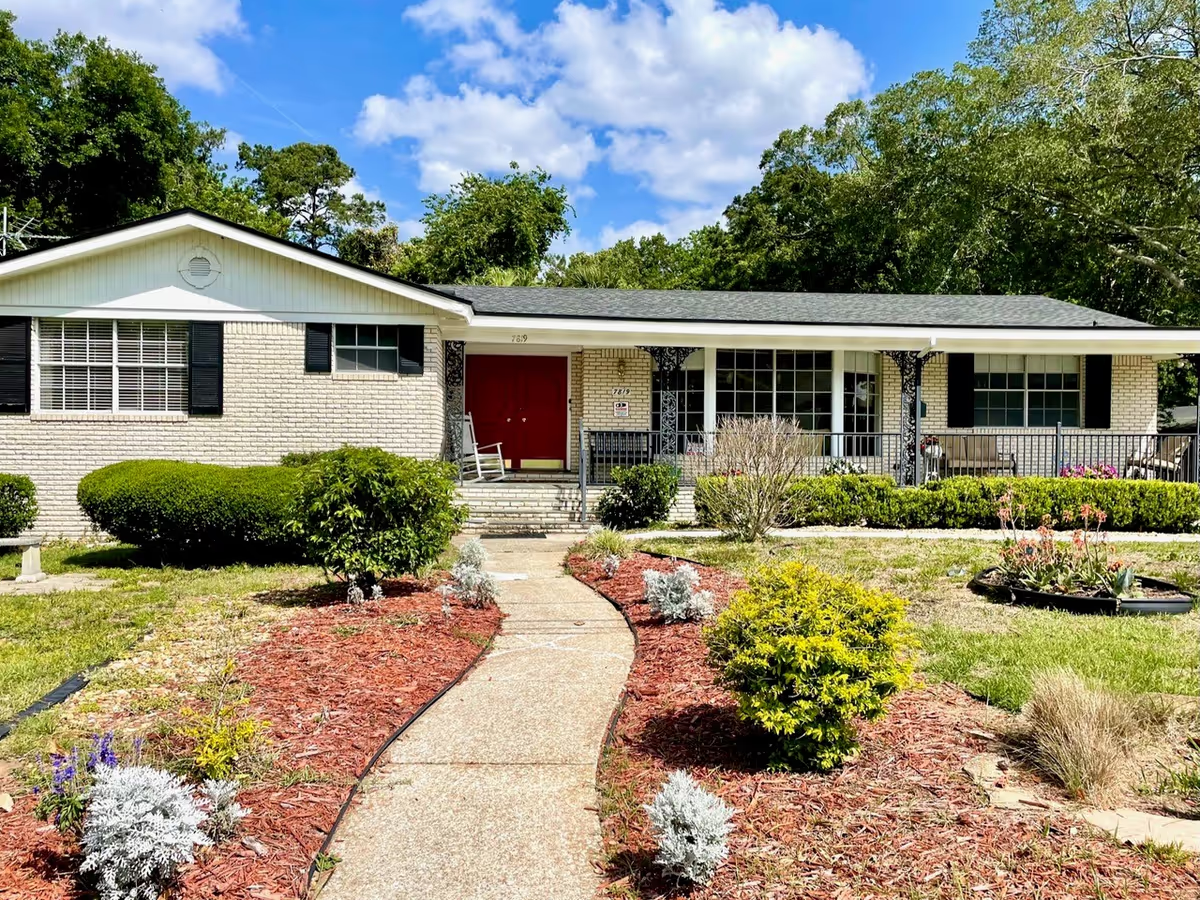
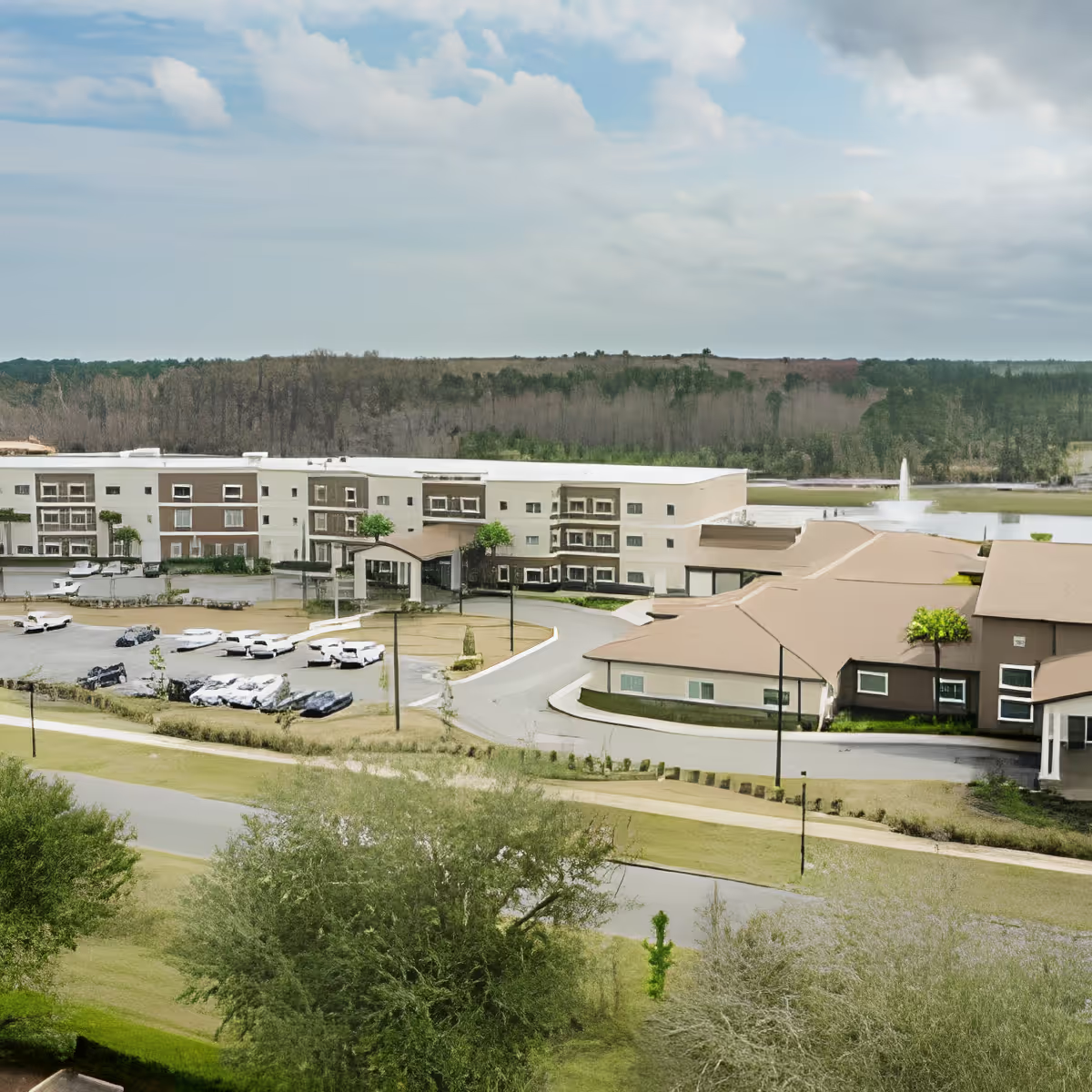
Her Heart Gardens presents a mixed but clear pattern: many families describe a warm, family-run facility with compassionate caregivers, while other accounts raise operational and safety concerns that warrant careful inquiry. The facility is repeatedly praised for its caring staff, personalized care plans, bilingual team members, and a small, family-like atmosphere. Residents and families frequently note good communication (rapid text replies), involvement in activities, on-site physical therapy, coordinated medical services, and a pleasant, gardened campus with appealing dining and transportation options.
Care quality appears uneven across accounts. Positive descriptions emphasize attentive, respectful caregiving, regular hydration and diabetic-friendly menus, frequent updates to families, and 24-hour monitoring in some units. Conversely, there are substantive accounts describing medication errors, delays in attending to residents, and lapses in supervision—particularly in memory-care areas. Several accounts reference serious clinical concerns and concerns following a resident's death; these point to gaps in clinical-incident response, family communication after incidents, and medication-administration controls. Prospective families should directly ask about staffing ratios, training programs, medication protocols, and incident-response procedures.
Staffing and management are central themes. Many reviewers praise day-to-day caregivers, name specific employees positively, and commend the owners for a values-driven approach. However, other accounts describe inconsistent staffing levels, variable training, and occasional unbecoming staff conduct or tone; weekend and off-shift management coverage is also mentioned as an area of concern. Management responsiveness appears uneven—while some families report proactive outreach and helpful coordination, others report delayed callbacks and unsatisfactory explanations after adverse events.
Facilities and accommodations are similarly mixed. The property includes well-kept gardens, comfortable private rooms (including newer construction with private baths), attractive common dining areas, and convenient parking. At the same time, the older wing is described as institutional or dormitory-like by some, with small rooms, shared bathrooms down hallways, and privacy limitations in double-occupancy arrangements. Housekeeping and laundry services are present and often praised, but there are also reports of inconsistent handling of personal items and laundry mix-ups.
Dining and activities are consistent strengths. Meals are frequently described as appealing and nutritious, with accommodations for diabetes and hydration needs; social programming includes games, religious services, barbecues, field trips, singing and current-events discussions. The small scale supports community engagement and individualized activity participation for many residents.
Notable patterns: strong positives cluster around compassionate caregiving, family-run culture, cleanliness in newer areas, and a robust activities/dining program. Notable negatives cluster around operational reliability—staffing consistency and training, medication and clinical-incident controls, sanitation variability in older sections, and privacy/layout limitations. Recommendation: arrange an in-person tour that inspects both older and newer units, request staffing ratios and medication protocols in writing, ask for recent health inspection results, and seek references from current families—especially those with residents in memory-care—to evaluate supervision and incident-response practices before making a placement decision.