Grand Living at Tamaya presents a distinctly polarized profile: many families describe a high-quality, hospitality-oriented environment with extensive amenities and a strong social life, while others report operational and clinical gaps that have materially affected care for higher-need residents.
Care and clinical services: The community receives strong praise for its memory-care programming and for named clinical leaders and nursing staff who provide daily oversight. On-site nursing practitioners, periodic physician availability, and a robust rehabilitation program are clear strengths for residents who require regular clinical attention. At the same time, there are documented operational gaps — notably inconsistent medication-administration processes, delays in responding to call bells, and shortcomings in personal-care assistance including incontinence care. These issues, when they occur, have translated into concerns about timely attention and sanitation standards. Reviewers also cautioned that the campus may not be well suited to all higher-acuity conditions (for example, complex movement disorders) without careful pre-admission assessment.
Staff and management: Staff are frequently described as warm, professional, and welcoming; numerous comments highlight employees who go above and beyond, effective wellness and activities directors, and smooth move-ins facilitated by sales and wellness teams. Conversely, recurring themes include understaffing, turnover, variable staff morale, occasional unprofessional interactions, and uneven responsiveness from leadership. There is evidence of management changeover and a tension between local leadership and corporate oversight; some families note improvements under new managers, while others describe slow responses to complaints. Prospective families should ask about current staffing ratios, leadership tenure, and escalation pathways.
Dining and activities: Dining is consistently cited as a strong asset — varied menus, diabetic-friendly options, fresh-baked items, and multiple dining venues contribute to a positive culinary experience. Activities are a notable strength as well, with diverse programming (art, fitness, theater, outings) and many social opportunities that residents value. However, the availability and consistency of planned activities can fluctuate when staffing is constrained or when specific roles (e.g., activities director) are vacant.
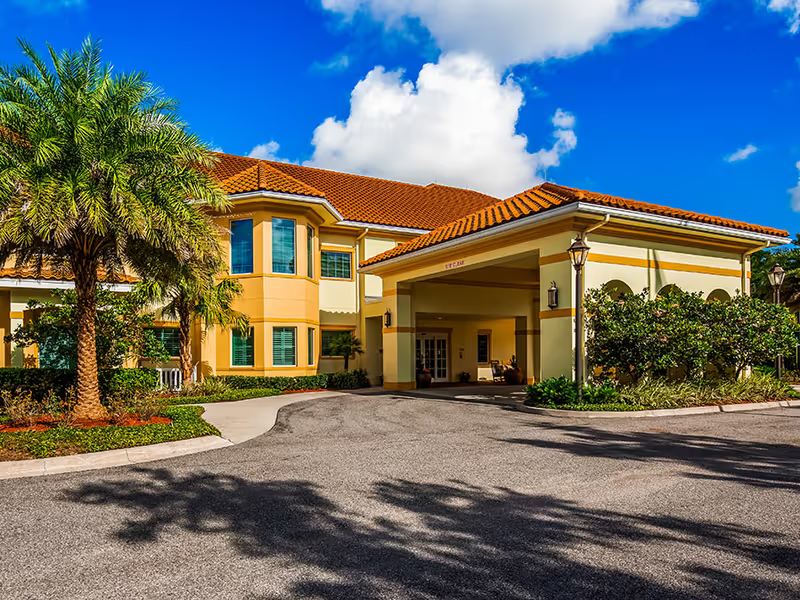
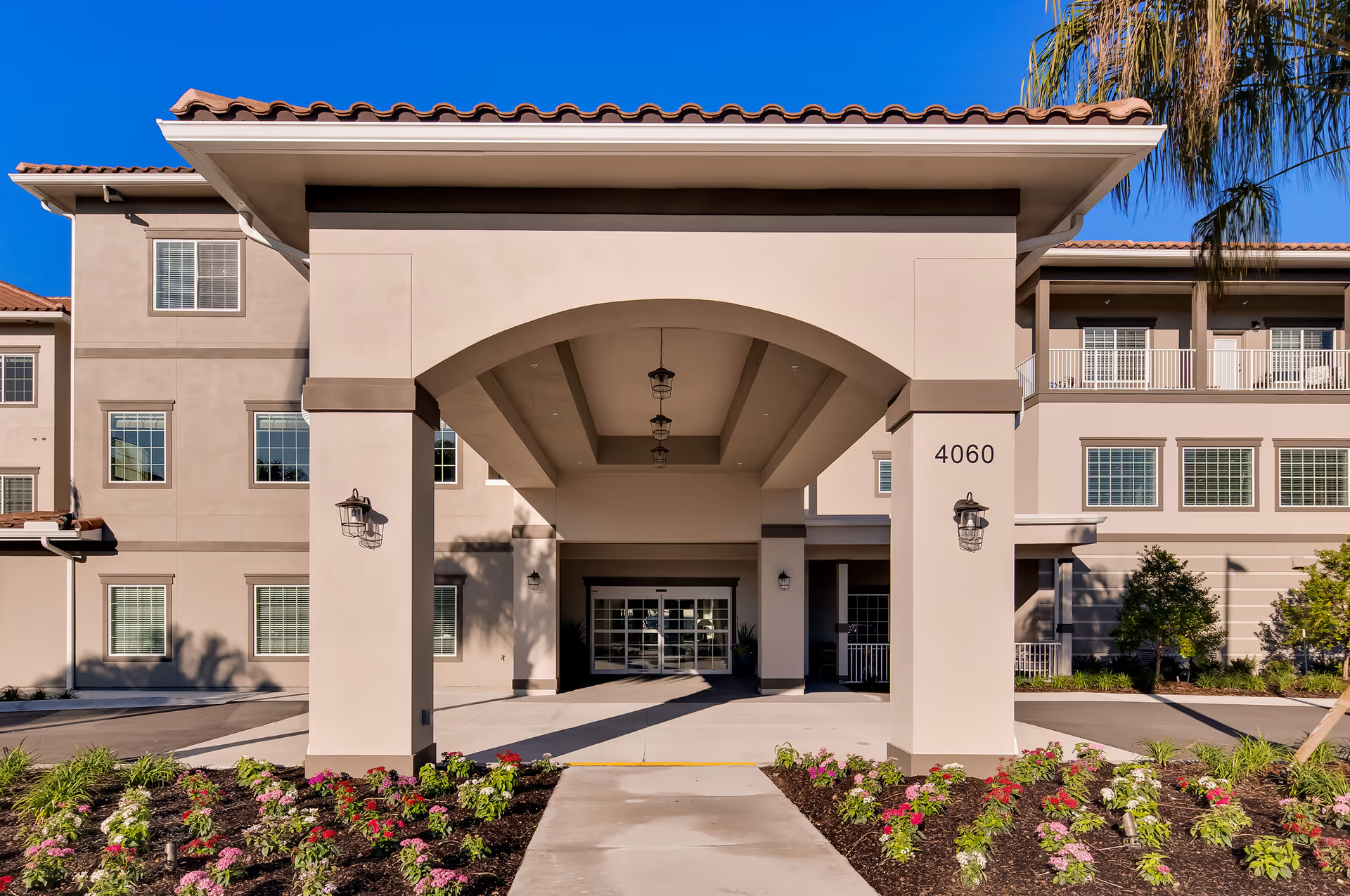
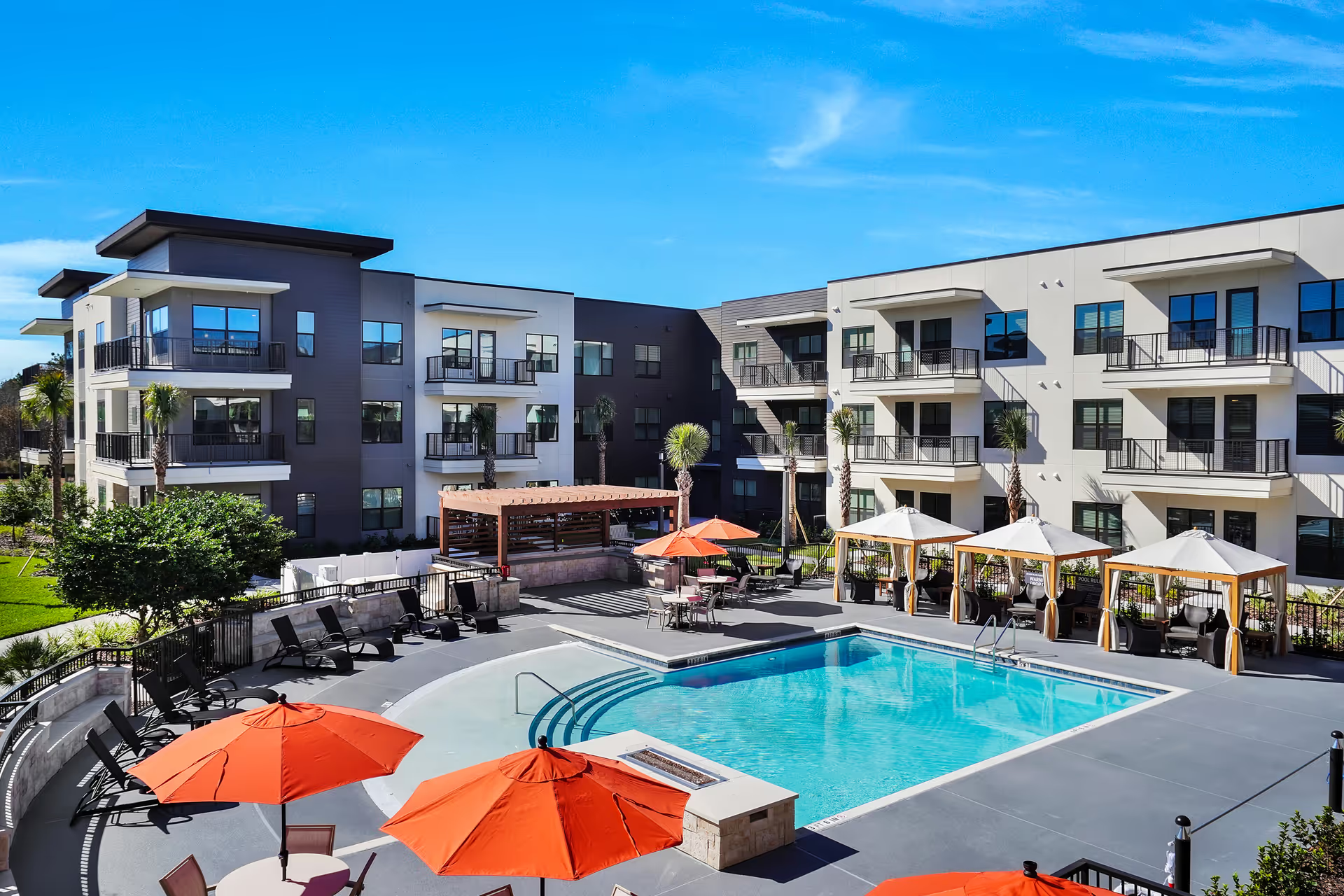
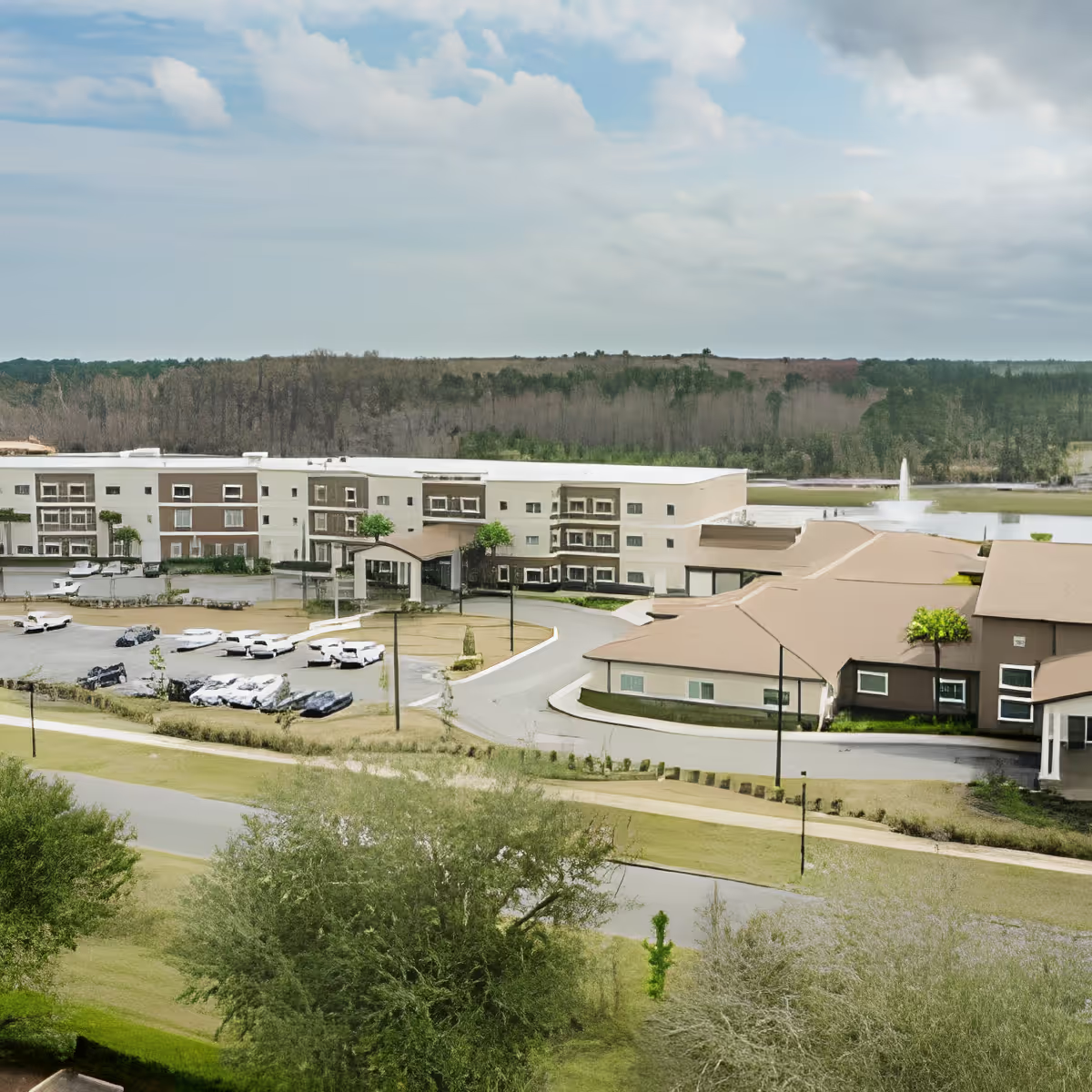
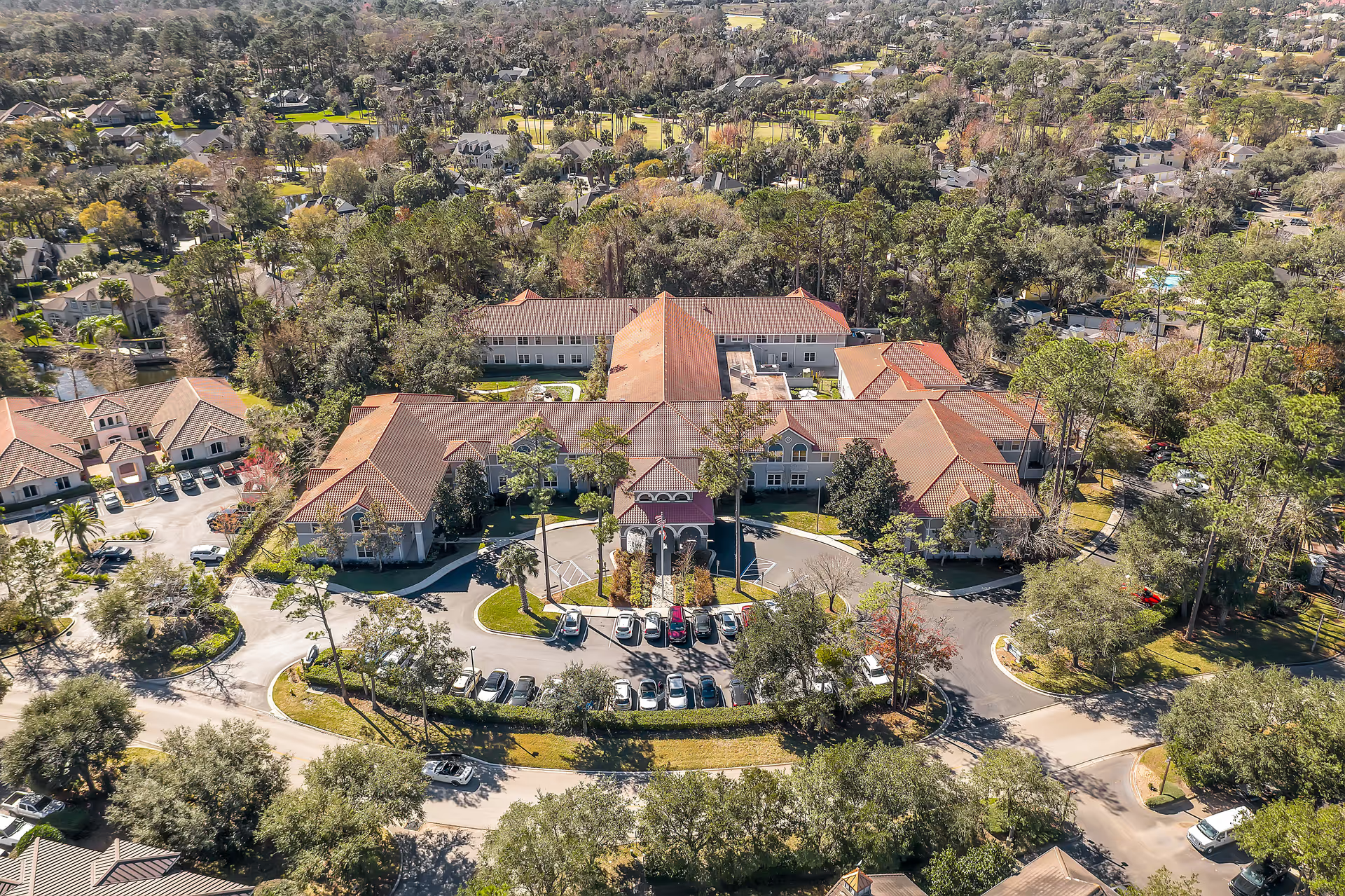
Facilities and amenities: The physical campus is repeatedly described as modern, hotel-like, and well appointed. Apartments are spacious and often include full kitchens, washers/dryers, balconies, and generous storage. Multiple on-site amenities — pool, spa, salon, gift shop, library, and theater — support an active lifestyle and are considered differentiators in the local market. Rehabilitation and water-therapy resources are also highlighted as strong offerings for short-term recovery.
Notable patterns and recommendations: Review feedback is highly mixed: many residents and families report an excellent, family-like experience with outstanding staff and amenities, while others encountered care lapses tied to staffing and management weaknesses. Cost is commonly noted as high relative to other options, which raises expectations for consistent service delivery. For prospective residents and families, recommended due diligence includes: verifying current staffing ratios and clinical coverage across shifts; reviewing medication-administration and incontinence-care protocols; observing meal service and activity engagement in person; asking for documentation of recent leadership changes and quality-improvement actions; and clarifying contract terms and total costs. These targeted questions can help determine whether Tamaya’s strong hospitality model aligns with an individual’s clinical and daily-living needs.